From Functional to Beautiful: How Patterned Tarps Are Transforming Modern Landscape Design

May 20 2026
For decades, tarps were viewed almost entirely as utilitarian products. People associated them with construction sites, emergency weather protection, camping trips, temporary storage covers, and industrial workspaces. Traditional tarps were designed primarily for function — durability, waterproofing, UV resistance, and affordability — with little attention paid to aesthetics.
But modern landscape design is changing that perception dramatically.
Today, patterned tarps are emerging as a surprising and increasingly influential design element in outdoor architecture, commercial landscaping, residential gardens, hospitality spaces, event venues, and recreational environments. No longer limited to plain blue plastic sheets or industrial covers, modern decorative tarps now combine performance with visual appeal, offering landscape designers flexible materials that provide both environmental protection and artistic expression.
From luxury rooftop terraces and outdoor cafés to backyard patios and public parks, patterned waterproof tarps are reshaping how designers think about shade, texture, spatial division, and outdoor atmosphere.
This article explores how patterned tarps evolved from purely practical materials into versatile landscape design tools, why they are becoming increasingly popular, and how they are influencing the future of outdoor aesthetics.
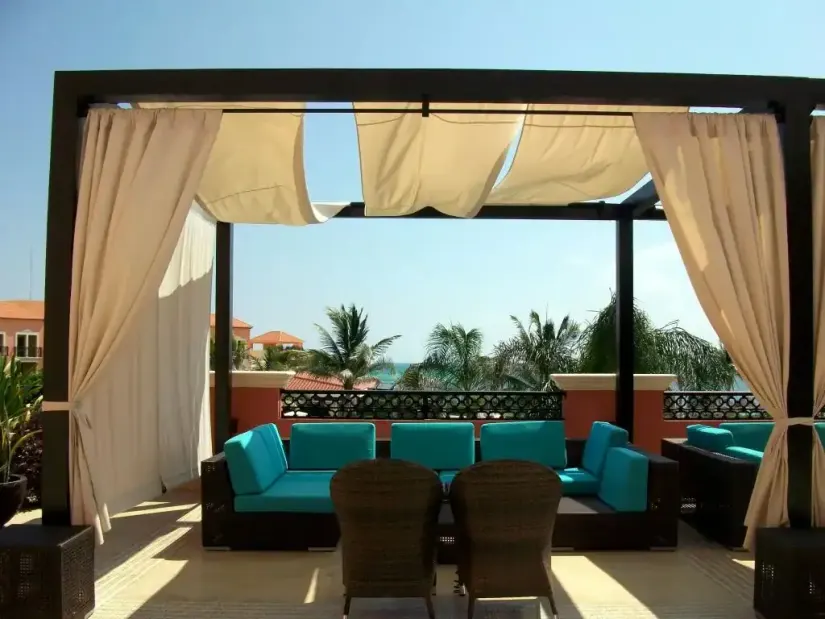
The Evolution of the Modern Tarp
Traditional tarps were originally developed for straightforward protective purposes.
Their primary functions included:
Rain protection
Cargo coverage
Construction shielding
Agricultural storage
Temporary shelter
Historically, appearance was rarely a priority.
Most tarps featured:
Solid colors
Industrial textures
Basic woven materials
Heavy-duty finishes
The focus was entirely on utility.
Why Outdoor Design Expectations Have Changed
Modern consumers increasingly expect outdoor environments to feel as thoughtfully designed as indoor spaces.
Outdoor areas are now treated as:
Social extensions of homes
Lifestyle environments
Hospitality experiences
Wellness spaces
Entertainment zones
As a result, outdoor materials must now balance:
Functionality
Comfort
Durability
Visual harmony
This shift created opportunities for decorative tarp innovation.
What Are Patterned Tarps?
Patterned tarps are waterproof or weather-resistant fabric coverings designed with visual textures, colors, prints, or artistic patterns rather than simple industrial finishes.
Modern patterned tarps may include:
Geometric designs
Nature-inspired prints
Minimalist textures
Architectural motifs
Cultural patterns
Custom branding
Transparent or layered visuals
They are commonly manufactured using materials such as:
PVC-coated polyester
Vinyl
HDPE mesh
Canvas blends
Composite waterproof fabrics
Why Designers Are Paying Attention to Patterned Tarps
Landscape architects and outdoor designers increasingly value patterned tarps because they provide a rare combination of:
Structural flexibility
Weather resistance
Visual customization
Cost efficiency
Temporary or semi-permanent adaptability
Unlike rigid structures, tarps can transform spaces quickly without major construction.
The Growing Importance of Outdoor Living Spaces
One major driver behind decorative tarp adoption is the rise of outdoor living culture.
Homeowners now invest heavily in:
Outdoor kitchens
Backyard lounges
Garden seating areas
Poolside retreats
Rooftop entertainment zones
These spaces require shade and weather protection while still maintaining attractive visual design.
Patterned tarps offer an affordable and flexible solution.
How Patterned Tarps Improve Landscape Aesthetics
Modern tarps no longer need to disappear into the background.
Instead, they actively contribute to design identity.
1. Creating Visual Texture
Texture plays a major role in landscape design.
Patterned tarps add depth and layering to outdoor spaces through:
Light filtering
Surface variation
Printed motifs
Fabric movement
Unlike solid surfaces such as concrete or metal, fabric structures create softer visual dynamics.
2. Enhancing Color Coordination
Outdoor spaces increasingly follow intentional color palettes.
Patterned tarps help designers coordinate with:
Furniture
Hardscaping
Plants
Lighting
Architectural materials
This creates a more cohesive visual environment.
3. Softening Harsh Structures
Modern urban environments often contain:
Concrete
Steel
Glass
Asphalt
Decorative tarps soften these rigid materials and introduce warmth and comfort.
4. Adding Movement and Organic Flow
Unlike permanent structures, fabric responds to wind and environmental changes.
This movement creates:
Dynamic shadows
Natural motion
Visual softness
Enhanced sensory experience
Landscape designers increasingly value these qualities in wellness-oriented spaces.
Patterned Tarps as Shade Architecture
Shade design has become a central element of modern landscaping.
People want protection from:
UV exposure
Heat
Glare
without sacrificing aesthetics.
Why Shade Structures Are Evolving
Traditional shade options such as:
Solid roofs
Basic awnings
Standard umbrellas
can sometimes feel visually heavy or uninspired.
Patterned tarps introduce a lighter architectural language.
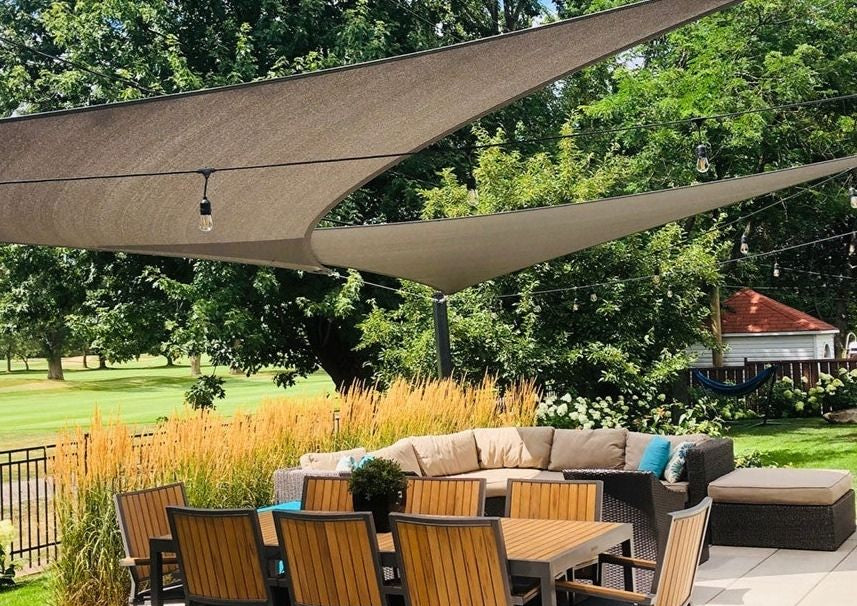
Fabric Shade as Modern Outdoor Sculpture
Some landscape designers now use tensioned patterned tarps almost like sculptural installations.
Curved or layered canopy systems create:
Geometric interest
Spatial definition
Artistic focal points
while still functioning as practical weather protection.
Hospitality Industry Adoption
Hotels, resorts, restaurants, and cafés increasingly use decorative tarps to enhance outdoor experiences.
Why Hospitality Spaces Love Patterned Tarps
They offer:
Brand identity opportunities
Seasonal flexibility
Lower renovation costs
Fast installation
Atmospheric customization
Outdoor hospitality environments must remain visually engaging while also being highly functional.
Rooftop Restaurants and Urban Lounges
Urban rooftop spaces often face intense sunlight and wind exposure.
Patterned tarps help create:
Comfortable shade
Instagram-friendly aesthetics
Distinctive atmosphere
Flexible event spaces
Event Design and Temporary Landscapes
The event industry has embraced decorative tarps extensively.
Applications include:
Weddings
Music festivals
Outdoor exhibitions
Corporate events
Farmers markets
Why Temporary Spaces Need Flexible Design
Temporary events require materials that are:
Portable
Weather-resistant
Fast to install
Visually impactful
Patterned tarps fulfill all these needs simultaneously.
Lighting Interaction and Visual Atmosphere
One of the most overlooked advantages of patterned tarps is how they interact with natural and artificial light.
Daytime Effects
Depending on material transparency and color, tarps can create:
Filtered sunlight
Patterned shadows
Diffused brightness
Cooler visual environments
Nighttime Effects
At night, integrated lighting transforms tarp structures dramatically.
Backlit patterned tarps may create:
Ambient glow
Artistic silhouettes
Layered visual depth
This makes them especially popular in hospitality and entertainment design.
Sustainability and Adaptive Outdoor Design
Sustainability has become increasingly important in landscape architecture.
Patterned tarps support sustainable thinking in several ways.
Reduced Structural Materials
Fabric structures often require fewer raw materials than permanent construction.
Reusability
Many tarp systems can be:
Relocated
Reconfigured
Reused seasonally
reducing waste.
Heat Reduction Benefits
Shade structures help reduce:
Surface temperatures
Urban heat island effects
Cooling energy demands
Water Management Applications
Some tarp systems also assist with rainwater control and drainage.
Residential Landscape Design Trends
Homeowners increasingly seek outdoor spaces that feel personalized and visually distinctive.
Patterned tarps help create:
Mediterranean-inspired patios
Modern minimalist lounges
Bohemian garden retreats
Tropical backyard atmospheres
without requiring expensive permanent construction.
Backyard Privacy Solutions
Decorative tarps can function as:
Privacy screens
Spatial dividers
Wind barriers
while still contributing aesthetically.
Small Space Landscaping
Urban homes often have limited outdoor space.
Tarps help maximize functionality in:
Narrow patios
Apartment balconies
Rooftop gardens
Compact courtyards
because they are lightweight and adaptable.
Commercial Landscaping Applications
Commercial spaces increasingly use patterned tarps in:
Shopping centers
Outdoor dining zones
Public seating areas
Recreational parks
Transit stations
Why Businesses Use Decorative Tarps
Businesses value:
Branding opportunities
Customer comfort
Visual differentiation
Seasonal adaptability
Patterned installations help commercial spaces stand out visually.
Branding Through Outdoor Fabric Design
Custom printed tarps allow businesses to incorporate:
Logos
Brand colors
Artistic themes
Cultural identity
into landscape environments.
The Psychology of Outdoor Comfort
Landscape design increasingly incorporates psychological and emotional considerations.
Outdoor spaces influence:
Relaxation
Mood
Social interaction
Perceived comfort
Soft Materials Feel More Welcoming
Humans often respond positively to softer visual environments.
Fabric structures reduce the harshness associated with rigid architecture.
Shade Improves Emotional Comfort
Comfortable shaded spaces encourage people to:
Stay longer
Socialize more
Engage with the environment
This benefits both residential and commercial settings.
Modern Materials Have Improved Dramatically
Earlier decorative tarps often suffered from:
Fading
Weak durability
Limited print quality
Poor weather resistance
Modern manufacturing has improved significantly.
Today’s Advanced Tarp Features
High-quality patterned tarps may include:
UV-resistant coatings
Waterproof membranes
Mold resistance
Fade-resistant printing
Flame-retardant treatments
Reinforced seams
This allows decorative tarps to function in demanding outdoor conditions.
The Role of Digital Printing Technology
Advances in digital textile printing transformed tarp aesthetics.
Designers can now create:
High-resolution graphics
Complex textures
Custom artwork
Photorealistic patterns
on weather-resistant materials.
Minimalism vs Bold Pattern Design
Modern landscape trends vary widely.
Some projects favor:
Neutral tones
Soft textures
Minimalist patterns
Others embrace:
Vibrant graphics
Cultural motifs
Artistic installations
Patterned tarps support both directions.
Biophilic Design and Nature-Inspired Patterns
Biophilic design focuses on strengthening human connection to nature.
Patterned tarps increasingly incorporate:
Leaf textures
Organic shapes
Botanical imagery
Earth-tone palettes
to reinforce outdoor-natural harmony.
Challenges of Using Patterned Tarps in Landscaping
Despite their advantages, decorative tarps also present design challenges.
Wind Management
Large fabric installations must account for:
Wind load
Tension balance
Structural anchoring
Maintenance Requirements
Outdoor fabrics still require:
Cleaning
Inspection
Occasional tension adjustment
Climate Compatibility
Certain materials perform differently depending on:
Humidity
UV intensity
Snow load
Temperature extremes
The Importance of Proper Installation
Poor installation can lead to:
Water pooling
Sagging
Premature wear
Structural instability
Professional design and engineering are often necessary for large-scale projects.
Why Patterned Tarps Appeal to Younger Generations
Younger homeowners and designers often prioritize:
Flexibility
Personalization
Social-media-friendly aesthetics
Adaptive spaces
Patterned tarps align well with these preferences because they allow frequent visual updates without major renovations.
Outdoor Design and Social Media Culture
Photogenic outdoor environments have become increasingly valuable.
Restaurants, resorts, and public venues now design spaces partly for visual shareability.
Decorative fabric installations create:
Distinctive visual identities
Layered backgrounds
Dynamic lighting effects
that perform well in photography and video content.
The Future of Decorative Tarp Design
The industry continues evolving rapidly.
Future innovations may include:
Smart climate-responsive fabrics
Solar-integrated tarp materials
Interactive lighting systems
Self-cleaning surfaces
Advanced recyclable composites
As material technology advances, the line between architecture, art, and outdoor fabric design will continue to blur.
Why the Shift From Utility to Design Matters
The rise of patterned tarps reflects a broader change in how society views functional materials.
Consumers increasingly expect practical products to also deliver:
Beauty
Emotional value
Customization
Lifestyle integration
Outdoor protection no longer needs to look industrial.
Final Thoughts
Patterned tarps have evolved far beyond their traditional role as simple protective covers. Today, they represent a powerful intersection of functionality, architecture, landscape design, and visual storytelling.
By combining weather resistance with artistic flexibility, decorative tarps allow designers to shape outdoor environments that are not only practical, but also immersive, comfortable, and visually memorable.
From residential gardens and rooftop lounges to hospitality venues and public landscapes, patterned tarps are helping redefine what outdoor design can look and feel like in the modern world.
As outdoor living continues growing in importance, these adaptable fabric systems will likely become even more influential — transforming spaces not merely by protecting them from the elements, but by turning functional shelter into a central part of the aesthetic experience itself.
Need Help with Your Custom Project?
Have questions about materials, sizing, or looking for a quick quote? Drop us a message and our experts will respond within 24 hours.
Chat on WhatsApp
+1 (304) 356-6765
Send us an Email
hello@incustom.com
Picked for You