Garden Engineering Lifecycle Management: How to Achieve Long-Term Landscape Value Preservation

Jul 22 2026
A beautifully designed garden is more than a collection of plants, pathways, water features, and outdoor structures. It is a living system that changes continuously with seasons, climate conditions, environmental factors, and human interaction. Many property owners invest significant resources into landscape construction but overlook one critical factor: long-term management after completion.
A successful garden project should not be measured only by its appearance on the day of completion. The true value of a landscape is reflected in how well it maintains its beauty, functionality, ecological balance, and economic value over many years.
This is where garden engineering lifecycle management becomes essential.
Lifecycle management focuses on the entire journey of a garden project, from initial planning and design to construction, maintenance, renovation, and long-term optimization. By considering every stage as part of a connected process, landscape professionals can create outdoor spaces that remain attractive, sustainable, and valuable for decades.
Whether it is a private residential garden, commercial landscape, resort garden, public green space, or urban ecological project, a carefully managed lifecycle strategy can significantly reduce maintenance costs while preserving the original design vision.
Understanding the Lifecycle of a Garden Engineering Project
A garden project does not end when construction is completed. Instead, completion marks the beginning of a new phase. A complete lifecycle approach usually includes five major stages:
- Planning and landscape strategy development
- Design and engineering preparation
- Construction and installation
- Operation and maintenance management
- Renewal, improvement, and long-term optimization
Each stage influences the future performance of the landscape. Poor decisions made during early planning may create expensive problems years later, while thoughtful management from the beginning can help a garden maintain its quality with fewer resources.
Stage One: Strategic Planning Creates Long-Term Landscape Value
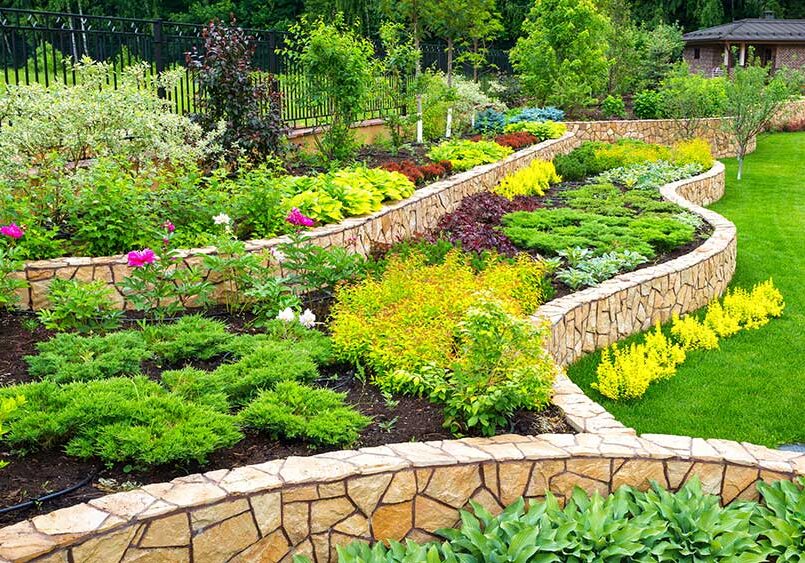
The foundation of a durable garden begins with strategic planning. Before selecting plants or designing pathways, professionals need to understand the site's natural conditions, including soil quality, sunlight exposure, rainfall patterns, drainage conditions, and existing vegetation.
A common mistake in garden development is focusing only on immediate visual impact. While impressive initial results are important, a landscape that requires excessive maintenance or cannot adapt to environmental changes will gradually lose value.
Effective planning considers:
- The future growth of plants
- Seasonal landscape changes
- Climate adaptability
- Water management needs
- Maintenance requirements
- User experience
- Property value enhancement
For example, choosing plants that are suitable for the local climate can reduce irrigation demands and improve survival rates. Similarly, designing proper drainage systems during the planning stage prevents future problems such as soil erosion, water accumulation, and plant damage.
A garden should be designed not only for today but also for the next ten, twenty, or even fifty years.
Sustainable Landscape Design: The Foundation of Long-Term Preservation
Sustainable landscape design plays a central role in maintaining garden value over time. Modern garden engineering increasingly emphasizes ecological responsibility, resource efficiency, and resilience.
A sustainable garden works together with nature instead of constantly fighting against it.
Choosing the Right Plants for Long-Term Stability
Plant selection is one of the most important decisions in garden engineering. A visually attractive plant may not always be the best choice if it requires intensive care or cannot adapt to local environmental conditions.
Professional landscape planning typically considers:
Native and Adaptive Plant Species
Native plants often perform better because they have already adapted to local weather, soil conditions, and ecological systems. They usually require less water, fewer chemical treatments, and less frequent replacement.
Plant Growth Characteristics
A small tree or shrub may look perfect when newly installed, but its mature size must be considered. Overcrowded planting can lead to:
- Poor air circulation
- Increased disease risk
- Excessive pruning requirements
- Root competition
A lifecycle-focused design anticipates plant development instead of reacting to problems later.
Seasonal Balance
A high-value landscape should provide visual interest throughout the year. Combining evergreen plants, flowering species, ornamental grasses, and seasonal vegetation creates continuous beauty while reducing periods of decline.
Engineering Systems That Support Long-Term Garden Performance
Behind every successful garden is a network of hidden engineering systems. These systems determine whether a landscape remains healthy and efficient over time.
Irrigation System Planning
Water management is one of the biggest challenges in landscape maintenance. Poor irrigation design can cause water waste, plant stress, and increased operating costs.
A lifecycle-based irrigation strategy may include:
- Smart irrigation controllers
- Weather-based sensors
- Drip irrigation systems
- Zoned watering areas
- Rainwater collection solutions
These technologies help provide plants with appropriate water levels while reducing unnecessary consumption.
Drainage and Soil Management
Healthy soil is the foundation of long-lasting landscapes. Even beautiful gardens can decline quickly if drainage problems are ignored.
Proper soil engineering helps:
- Improve root development
- Prevent waterlogging
- Reduce plant diseases
- Maintain landscape stability
Regular soil testing and improvement programs can extend plant life and protect the original investment.
Hardscape Durability
Garden structures such as walkways, terraces, retaining walls, decks, and outdoor seating areas require careful material selection.
Durable materials reduce future repair needs and maintain visual consistency.
Important considerations include:
- Weather resistance
- Slip resistance
- Maintenance requirements
- Compatibility with surrounding landscape elements
A well-designed hardscape should age gracefully and continue supporting the garden experience for many years.
Construction Quality Determines Future Maintenance Costs
The construction phase is where design concepts become reality. Even the best landscape plans can fail if installation quality is poor.
Professional garden engineering construction should focus on precision, durability, and attention to detail.
Key construction factors include:
Proper Plant Installation
Correct planting techniques influence plant survival and future growth. Important practices include:
- Appropriate planting depth
- Healthy root preparation
- Soil improvement
- Proper spacing
- Initial watering management
A plant that starts with strong conditions is more likely to remain healthy throughout its lifecycle.
Quality Control During Construction
Construction inspections help identify issues before they become expensive problems.
Quality control should cover:
- Drainage installation
- Irrigation performance
- Material placement
- Structural stability
- Landscape grading
Small mistakes during construction can create major maintenance challenges later.
Maintenance Management: Protecting Landscape Value After Completion
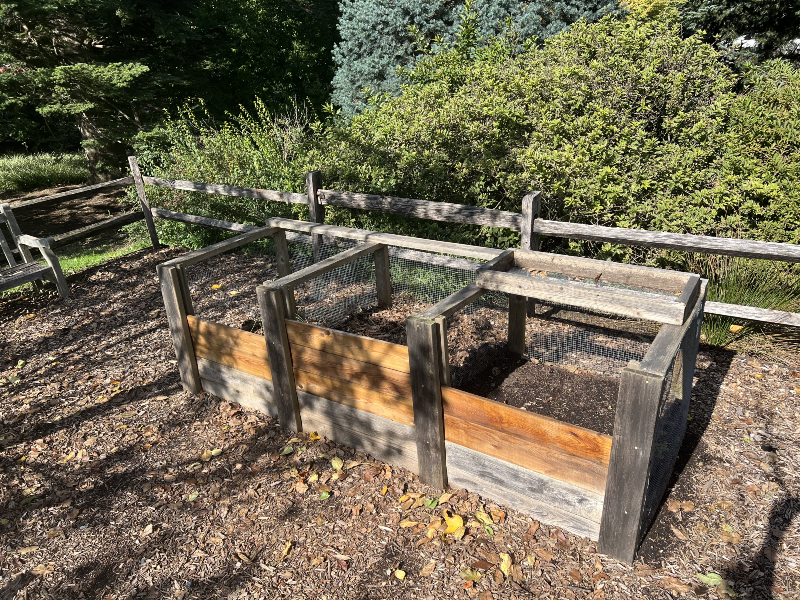
Many garden projects experience a significant decline several years after completion because maintenance is treated as a simple cleaning task rather than a professional management process.
A garden is a dynamic ecosystem. Plants grow, weather conditions change, materials age, and user needs evolve. Without systematic maintenance, even a high-quality landscape design can gradually lose its original appeal and functionality.
Effective landscape maintenance is not about making constant repairs after problems appear. It is about preventing problems through regular monitoring, scientific management, and timely adjustments.
Establishing a Professional Garden Maintenance Plan
A lifecycle-based maintenance plan should begin immediately after project completion. This plan should define responsibilities, schedules, and technical standards for every landscape element.
A comprehensive maintenance program usually includes:
- Plant health management
- Irrigation system inspections
- Soil improvement
- Pest and disease prevention
- Lawn care
- Tree maintenance
- Hardscape cleaning and repair
- Lighting system checks
- Water feature maintenance
Each component contributes to the overall performance and appearance of the garden.
For example, trees may appear healthy from the outside while developing internal structural problems. Regular professional inspections can identify risks before branches become hazardous or expensive removal becomes necessary.
Seasonal Landscape Management: Adapting to Natural Changes
One of the most important principles of garden lifecycle management is understanding seasonal changes.
A landscape does not remain static throughout the year. Each season creates different challenges and opportunities.
Spring Management
Spring is a period of active plant growth. Maintenance priorities often include:
- Fertilization
- Pruning
- Soil improvement
- Plant replacement
- Irrigation adjustments
Early spring management helps plants develop stronger structures and healthier growth patterns.
Summer Management
Summer often brings the greatest stress due to high temperatures and increased water demand.
Important tasks include:
- Monitoring irrigation efficiency
- Protecting plants from heat stress
- Controlling weeds
- Managing pests
- Maintaining outdoor structures
A well-designed irrigation system combined with proper maintenance can significantly improve plant survival during extreme weather conditions.
Autumn Management
Autumn provides opportunities for preparation before winter.
Common tasks include:
- Removing damaged branches
- Improving soil conditions
- Planting seasonal vegetation
- Cleaning drainage systems
- Preparing sensitive plants for colder temperatures
Winter Management
Winter maintenance focuses on protection and planning.
Professionals may:
- Inspect landscape structures
- Protect vulnerable plants
- Maintain equipment
- Review annual landscape performance
Seasonal management ensures that the garden enters each growth cycle in optimal condition.
Using Technology to Improve Garden Lifecycle Management
Modern garden engineering is increasingly supported by digital technology. Smart management tools allow property owners and landscape professionals to monitor conditions more accurately and make better decisions.
Smart Irrigation and Environmental Monitoring
Traditional irrigation systems often operate according to fixed schedules, which may waste water during rainy periods or fail to provide enough moisture during hot weather.
Smart irrigation technology can analyze:
- Soil moisture levels
- Weather forecasts
- Temperature changes
- Plant water requirements
This allows irrigation systems to respond to real environmental conditions.
The result is healthier vegetation, lower water consumption, and reduced maintenance costs.
Landscape Management Software
Large-scale gardens, commercial landscapes, and public spaces often require detailed management records.
Digital landscape management platforms can help track:
- Maintenance schedules
- Plant information
- Repair history
- Equipment conditions
- Budget planning
These records provide valuable information for future decisions and prevent repeated mistakes.
Remote Monitoring Systems
For large gardens, remote monitoring technology can identify potential issues before they become serious.
Examples include:
- Irrigation leaks
- Abnormal soil conditions
- Equipment failures
- Lighting problems
Early detection reduces emergency repairs and protects landscape investments.
Cost Control Through Lifecycle Thinking
Many property owners initially focus on construction costs but underestimate long-term operational expenses.
A lifecycle management approach changes this perspective by considering the total cost of ownership.
The cheapest construction option is not always the most economical choice. Low-quality materials, unsuitable plants, or inefficient systems may create higher costs in the future.
Reducing Replacement Costs
A well-planned garden reduces unnecessary replacement through:
- Selecting durable materials
- Choosing suitable plant varieties
- Installing reliable infrastructure
- Performing preventive maintenance
For example, investing in high-quality irrigation equipment during construction may reduce water waste and repair expenses for many years.
Improving Resource Efficiency
Efficient gardens use resources wisely.
Lifecycle management helps optimize:
- Water consumption
- Labor requirements
- Energy usage
- Material replacement
A sustainable landscape is not only environmentally responsible but also financially beneficial.
Landscape Renewal: Extending the Life of Existing Gardens
Even the best-designed gardens eventually require renewal. Plants mature, design preferences change, and environmental conditions may shift.
Landscape renewal does not necessarily mean completely rebuilding a garden. In many cases, strategic improvements can restore beauty and improve performance.
Recognizing When Renewal Is Needed
Signs that a garden may require renovation include:
- Overgrown vegetation
- Declining plant health
- Outdated design elements
- Damaged structures
- Poor user experience
- Increased maintenance demands
Early intervention can prevent larger problems.
Partial Renovation Strategies
A practical renewal approach may include:
Plant Replacement
Removing aging or unsuitable plants and introducing better-adapted species can refresh the landscape while preserving the original design concept.
Infrastructure Upgrades
Older gardens may benefit from:
- Improved irrigation systems
- Updated lighting
- Better drainage solutions
- More durable materials
Functional Improvements
As lifestyles change, garden spaces may need new functions, such as:
- Outdoor entertainment areas
- Relaxation zones
- Children’s spaces
- Ecological planting areas
A successful renovation respects the original character while improving future performance.
Protecting Landscape Value Through Professional Management
A garden represents more than physical assets. It creates emotional value, improves property appearance, supports environmental quality, and enhances user experience.
Professional lifecycle management protects these benefits by ensuring that every stage of the garden’s development works toward long-term success.
The key principles include:
Plan Before Building
Good decisions made during early design stages prevent future problems.
Build With Quality
Construction quality directly affects maintenance requirements and landscape durability.
Maintain With Science
Regular monitoring and professional care preserve landscape health.
Renew With Vision
Thoughtful improvements extend the lifespan of existing gardens.
The Future of Garden Engineering Lifecycle Management
The future of landscape development will focus increasingly on sustainability, technology, and adaptability.
Climate change, water shortages, and increasing environmental awareness are influencing how gardens are designed and managed.
Future trends include:
Climate-Resilient Landscapes
Gardens will increasingly use plants and systems that can adapt to changing weather conditions.
Examples include:
- Drought-tolerant gardens
- Native ecological landscapes
- Low-maintenance planting systems
Smart Landscape Automation
Artificial intelligence, sensors, and automated systems will make landscape management more efficient.
Future gardens may automatically adjust:
- Irrigation schedules
- Lighting systems
- Environmental controls
based on real-time conditions.
Ecological Integration
Modern gardens are becoming more than decorative spaces. They contribute to biodiversity, stormwater management, and urban environmental improvement.
Features such as:
- Pollinator gardens
- Rain gardens
- Green infrastructure
- Natural habitats
will become increasingly important.
Conclusion: Creating Gardens That Maintain Beauty for Generations
A successful garden project is not defined only by its initial appearance. True landscape value comes from long-term performance, sustainability, and the ability to adapt over time.
Garden engineering lifecycle management provides a complete strategy for protecting landscape investments. From thoughtful planning and durable construction to scientific maintenance and strategic renewal, every stage plays an important role in preserving beauty and functionality.
A well-managed garden can continue to provide visual enjoyment, environmental benefits, and economic value for decades.
The goal of modern landscape engineering is not simply to create beautiful gardens—it is to create living environments that remain valuable, healthy, and inspiring throughout their entire lifecycle.
If you are planning a garden project or looking for professional landscape solutions, thoughtful lifecycle management can help maximize your investment and ensure lasting landscape performance. Feel free to contact us for professional consultation and project inquiries.
Need Help with Your Custom Project?
Have questions about materials, sizing, or looking for a quick quote? Drop us a message and our experts will respond within 24 hours.
Chat on WhatsApp
+1 (304) 356-6765
Send us an Email
hello@incustom.com
Picked for You