
Tarps are one of the most versatile protective materials used across homes, construction sites, farms, transportation industries, camping setups, landscaping projects, disaster preparedness kits, and outdoor storage systems. From covering firewood and protecting vehicles to shielding roofing projects and securing cargo, waterproof tarps are relied upon every day in countless situations.
Yet despite their widespread use, many buyers make the same mistake when choosing a tarp: they focus only on size and price while ignoring the most important factor of all — tarp weight and durability classification.
This is where the debate between heavy-duty and lightweight tarps becomes critical.
At first glance, all tarps may appear similar. They often come in comparable colors, shapes, and waterproof claims. However, the actual performance difference between a lightweight tarp and a heavy-duty industrial tarp can be enormous. Choosing the wrong type may lead to ripped covers, water leaks, UV damage, wasted money, and repeated replacements.
On the other hand, buying an excessively heavy tarp for a simple task may add unnecessary cost, weight, and handling difficulty.
So how do you decide which tarp is right for your needs?
This comprehensive guide breaks down the differences between heavy-duty and lightweight waterproof tarps, including materials, durability, thickness, weather resistance, common applications, cost considerations, lifespan expectations, and practical buying advice to help you choose the right tarp for the job.
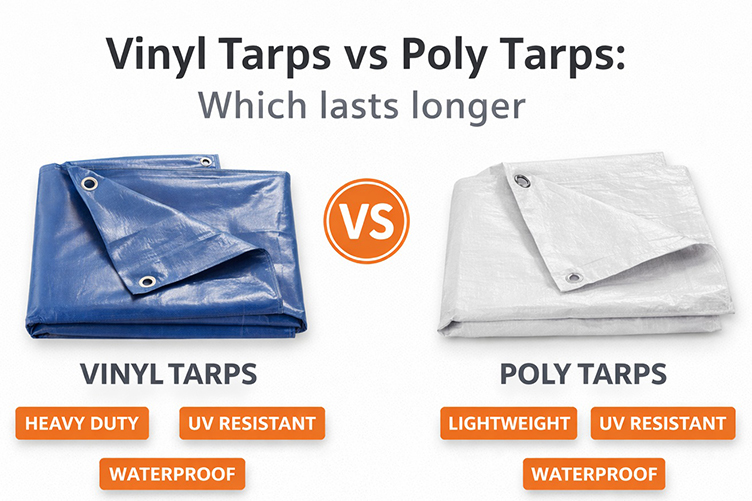
Why Tarp Selection Matters More Than Most People Realize
A tarp is not just a sheet of plastic.
The right tarp can:
Protect expensive equipment
Prevent water damage
Extend material lifespan
Improve transportation safety
Reduce maintenance costs
Survive harsh weather conditions
The wrong tarp may:
Tear easily
Leak during storms
Break under tension
Degrade in sunlight
Fail under heavy loads
Understanding tarp classifications helps avoid costly mistakes.
What Defines a Heavy-Duty Tarp?
Heavy-duty tarps are designed for demanding environments and long-term outdoor exposure.
These tarps are built with:
Thicker materials
Higher weave density
Stronger coatings
Reinforced corners
Heavy grommets
Improved tear resistance
They are intended for situations involving:
Extreme weather
Heavy abrasion
Industrial use
Long-term exposure
High tension applications
What Defines a Lightweight Tarp?
Lightweight tarps prioritize:
Portability
Flexibility
Convenience
Lower cost
These tarps are commonly used for:
Temporary coverage
Short-term projects
Indoor protection
Camping
Household tasks
They are easier to fold, transport, and store but generally offer lower durability.
Understanding Tarp Material Types
Material selection plays a huge role in tarp performance.
Polyethylene Tarps (Poly Tarps)
Poly tarps are among the most common and affordable tarp types.
Advantages
Waterproof
Lightweight
Budget-friendly
UV resistant in many cases
Common Uses
Temporary outdoor covers
Camping
Yard work
Construction protection
Heavy-duty poly tarps use thicker coatings and denser weave patterns.
Canvas Tarps
Canvas tarps are made from woven cotton or polyester blends.
Advantages
Breathability
Reduced condensation
High durability
Limitations
Most canvas tarps are:
Water-resistant rather than fully waterproof
Heavier than poly tarps
Canvas is often used for:
Equipment covers
Industrial applications
Painting protection
Vinyl Tarps
Vinyl tarps are among the strongest tarp materials available.
Key Benefits
Excellent waterproofing
Chemical resistance
Abrasion resistance
Long lifespan
Common Applications
Trucking
Heavy construction
Industrial containment
Machinery protection
Vinyl tarps are usually classified as heavy-duty products.
Mesh Tarps
Mesh tarps allow airflow while still providing partial protection.
Best Uses
Shade covers
Dump truck covers
Privacy barriers
Debris containment
Mesh tarps are not designed for full waterproofing.
How Tarp Thickness Affects Performance
Tarp thickness is one of the biggest indicators of durability.
Thickness is often measured in:
Mils
Ounces per square yard
GSM (grams per square meter)
Lightweight Tarp Thickness
Typical lightweight tarps range from:
5 to 8 mils
These are suitable for:
Temporary jobs
Mild weather
Short-term storage
Heavy-Duty Tarp Thickness
Heavy-duty tarps may range from:
10 to 20+ mils
These tarps offer:
Better puncture resistance
Longer lifespan
Improved weather protection
Why Weave Count Matters
Weave count refers to the density of fibers woven into the tarp.
Higher weave counts generally improve:
Strength
Tear resistance
Durability
For example:
Lightweight tarps may use 8x8 weave
Heavy-duty tarps may use 14x14 or higher
Waterproofing Differences Between Heavy and Lightweight Tarps
Not all waterproof tarps perform equally in severe weather.
Lightweight Waterproof Tarps
These may handle:
Light rain
Short-term exposure
Occasional use
However, prolonged exposure may eventually weaken coatings.
Heavy-Duty Waterproof Tarps
Heavy-duty tarps are better suited for:
Heavy rainfall
Snow loads
Long-term outdoor exposure
Industrial moisture protection
Their thicker coatings reduce leakage risks significantly.
UV Resistance: A Critical Outdoor Factor
Sunlight is one of the biggest causes of tarp failure.
Why UV Damage Happens
Ultraviolet radiation gradually:
Weakens fibers
Causes brittleness
Fades coatings
Reduces flexibility
Lightweight Tarp UV Performance
Budget tarps often degrade quickly under constant sun exposure.
Some may become brittle within months.
Heavy-Duty UV-Resistant Tarps
Premium heavy-duty tarps often include:
UV inhibitors
Reinforced coatings
Sun-resistant laminates
These features greatly extend outdoor lifespan.
Wind Resistance Comparison
Wind is extremely hard on tarps.
Poor-quality tarps often fail because:
Grommets tear out
Edges rip
Fabric shreds under flapping stress
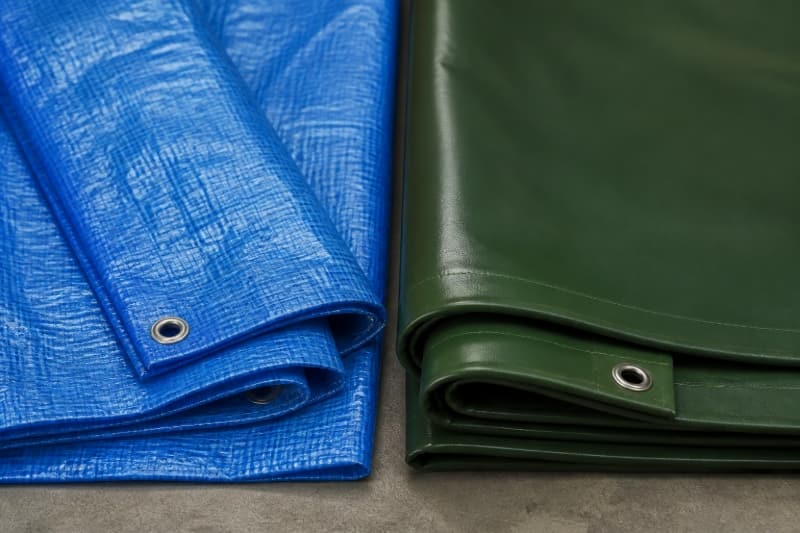
Why Heavy-Duty Tarps Handle Wind Better
Heavy-duty tarps typically feature:
Reinforced hems
Strong attachment points
Higher tensile strength
This reduces failure during storms and transportation.
Lightweight Tarps for Camping and Recreation
Not every situation requires industrial-grade protection.
Lightweight tarps are often ideal for:
Backpacking
Hiking
Beach shelters
Picnics
Temporary shade
Their portability is a major advantage.
Heavy-Duty Tarps for Construction Projects
Construction environments are extremely demanding.
Tarps may face:
Sharp debris
Heavy equipment
Wind exposure
Long-term outdoor conditions
Heavy-duty tarps are far better suited for these environments.
Truck and Cargo Cover Applications
Transportation requires reliable cargo protection.
Why Cargo Covers Need Heavy-Duty Strength
Road conditions expose tarps to:
Wind pressure
Friction
Rain
UV exposure
Tension stress
Lightweight tarps often fail quickly during transport use.
Farm and Agricultural Tarp Needs
Farms use tarps extensively for:
Hay storage
Equipment covers
Feed protection
Greenhouse systems
Silage covers
Heavy-duty tarps are usually preferred because agricultural environments are harsh.
Winter Weather Performance
Snow and ice create major stress on tarps.
Problems Lightweight Tarps Face in Winter
Light tarps may:
Crack in freezing temperatures
Sag under snow
Tear under ice weight
Heavy-Duty Cold Weather Tarps
Premium tarps designed for winter often include:
Flexible cold-resistant coatings
Reinforced seams
Higher load capacity
Tear Resistance Explained
Tear resistance is critical when tarps experience tension or sharp contact.
Lightweight Tarp Limitations
Thin materials tear more easily when:
Pulled tightly
Exposed to wind
Contacting rough surfaces
Heavy-Duty Tarp Advantages
Stronger fabrics distribute force more effectively.
This helps prevent:
Small punctures becoming large tears
Grommet failure
Edge ripping
Grommets and Reinforced Edges Matter More Than People Think
Many tarp failures begin at the attachment points.
Cheap Tarp Problems
Low-quality tarps often have:
Weak aluminum grommets
Thin hems
Poor stitching
Heavy-Duty Reinforcement Features
Premium tarps may include:
Brass grommets
Double-stitched hems
Reinforced corners
Webbing support
These dramatically improve lifespan.
Weight and Handling Differences
Heavy-duty tarps are stronger but also heavier.
Lightweight Tarp Benefits
Easier transport
Faster installation
Simpler folding
Lower storage space needs
Heavy-Duty Tarp Challenges
Large industrial tarps may require:
Multiple people to move
Strong anchor systems
More storage space
Cost Comparison: Cheap vs Long-Term Value
Lightweight tarps usually cost less initially.
However, frequent replacement may increase long-term costs.
Why Heavy-Duty Tarps Often Save Money
Although more expensive upfront, heavy-duty tarps may:
Last years longer
Reduce replacement frequency
Protect expensive equipment better
For long-term outdoor use, durability often provides better value.
Common Mistakes People Make When Buying Tarps
Mistake #1: Buying Based Only on Price
Extremely cheap tarps often fail quickly outdoors.
Mistake #2: Ignoring UV Exposure
Sunlight destroys low-quality tarps surprisingly fast.
Mistake #3: Choosing the Wrong Size
Undersized tarps create tension stress and poor coverage.
Mistake #4: Using Lightweight Tarps for Permanent Outdoor Use
Temporary tarps are not designed for years of exposure.
How to Choose the Right Tarp for Your Situation
Choose Lightweight Tarps If You Need:
Short-term coverage
Easy portability
Budget-friendly options
Camping protection
Temporary weather shielding
Choose Heavy-Duty Tarps If You Need:
Long-term outdoor protection
Industrial durability
High tear resistance
Severe weather performance
Equipment or cargo protection
Emergency Preparedness and Disaster Use
Tarps are essential emergency supplies.
Lightweight Emergency Tarps
Useful for:
Temporary shelter
Quick rain protection
Portable survival kits
Heavy-Duty Disaster Recovery Tarps
Better suited for:
Roof damage coverage
Long-term emergency repairs
Storm recovery
Tarp Lifespan Expectations
Lightweight Tarp Lifespan
Typical lifespan:
Weeks to months outdoors
Longer indoors or with occasional use
Heavy-Duty Tarp Lifespan
Premium tarps may last:
Several years
Even longer with proper maintenance
Maintenance Tips for Extending Tarp Life
Proper care greatly improves durability.
Best Practices
Clean dirt regularly
Dry before storage
Avoid prolonged pooling water
Secure tightly to reduce flapping
Store away from direct sunlight when unused
Eco and Sustainability Considerations
Frequent tarp replacement creates waste.
Long-lasting heavy-duty tarps may reduce:
Plastic waste
Material consumption
Replacement frequency
Some manufacturers now offer recyclable tarp materials as well.
Specialized Tarps for Unique Applications
Modern tarp technology continues evolving.
Specialized products now include:
Fire-retardant tarps
Insulated tarps
Clear greenhouse tarps
Sound barrier tarps
Extreme-weather tarps
Understanding your environment helps determine whether specialty options are necessary.
The Future of Tarp Technology
Advanced tarp materials are becoming increasingly sophisticated.
Emerging innovations include:
Self-cleaning coatings
Improved UV resistance
Lightweight composite fabrics
Smart sensor integration
Enhanced waterproof laminates
The gap between lightweight portability and heavy-duty durability may continue shrinking over time.
Final Thoughts
Choosing between a heavy-duty tarp and a lightweight tarp depends entirely on how, where, and how long the tarp will be used. While lightweight tarps offer convenience, affordability, and portability for temporary protection, heavy-duty tarps provide superior durability, weather resistance, tear strength, and long-term reliability in demanding environments.
The key is matching the tarp to the actual workload rather than simply choosing the cheapest or thickest option available.
For short-term projects, camping, temporary coverage, and light-duty applications, a lightweight waterproof tarp may be perfectly adequate. But for construction sites, equipment storage, cargo transportation, harsh weather conditions, agricultural use, and long-term outdoor exposure, investing in a heavy-duty tarp often delivers far greater performance and long-term value.
A well-chosen tarp not only protects materials and equipment — it saves time, prevents damage, reduces replacement costs, and provides peace of mind when weather and conditions become unpredictable.
Need Help with Your Custom Project?
Have questions about materials, sizing, or looking for a quick quote? Drop us a message and our experts will respond within 24 hours.
Chat on WhatsApp
+1 (304) 356-6765
Send us an Email
hello@incustom.com
Picked for You