Hiking Essentials: How to Choose Comfortable, Blister-Free Professional Hiking Boots

Jun 12 2026
For anyone passionate about hiking, few things matter as much as a good pair of hiking boots. Your boots are more than just footwear—they’re your foundation on the trail. The right pair can make your journey enjoyable, safe, and pain-free. The wrong pair, however, can lead to blisters, foot pain, or even serious injuries. Choosing professional hiking boots that are comfortable, supportive, and durable is crucial for any hiker.
This guide walks you through everything you need to know to select boots that won’t rub or hurt, keeping your feet happy mile after mile.
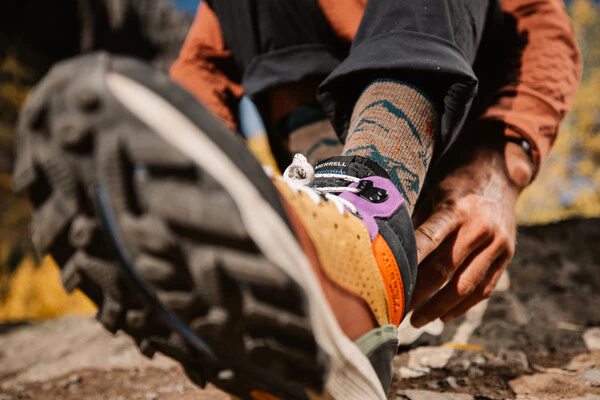
Why the Right Hiking Boots Matter
Before diving into specific features, it’s important to understand why choosing the right boots is so critical:
- Prevent Foot Injuries
Hiking often involves uneven terrain, rocks, and long hours on your feet. Ill-fitting boots can lead to blisters, tendon strain, or even stress fractures. The right boots protect your feet from these risks. - Enhance Comfort and Endurance
Comfortable boots reduce fatigue and let you hike longer distances. When your feet are well-supported, your body uses energy more efficiently. - Provide Stability and Support
Professional hiking boots offer ankle support, shock absorption, and a firm grip, which are essential when trekking on slopes, slippery rocks, or uneven trails. - Weather Protection
Quality boots shield your feet from rain, mud, snow, and cold, allowing you to enjoy hiking year-round without discomfort.
Investing in a proper pair of hiking boots is investing in your overall hiking experience.
Step 1: Understand Your Hiking Needs
Hiking boots aren’t one-size-fits-all. The right pair depends on your style, the terrain, and the length of your trips. Here’s a breakdown:
1.1 Day Hiking Boots
- Lightweight and flexible
- Ideal for short hikes on well-maintained trails
- Focus on comfort rather than heavy-duty support
1.2 Backpacking Boots
- Sturdier and heavier
- Designed to carry weight over long distances
- Provide extra ankle support and durability
1.3 Mountaineering Boots
- Built for extreme terrain and snow/ice conditions
- Very rigid for maximum support
- Often compatible with crampons for climbing
1.4 Trail-Specific Considerations
- Rocky terrain: reinforced soles and ankle support
- Muddy or wet conditions: waterproof materials and aggressive tread
- Hot climates: breathable materials to prevent sweating and discomfort
Knowing the type of hiking you’ll do most often helps narrow down your options.
Step 2: Measure Your Feet Accurately
Foot size is more than just length. Width, arch height, and even the shape of your toes affect fit. Improperly sized boots are the main cause of blisters and discomfort.
Tips for Measuring:
- Measure at the End of the Day – Feet swell after walking, so sizing is most accurate then.
- Measure Both Feet – Many people have one foot slightly larger; size for the bigger foot.
- Consider Socks – Hiking socks add extra bulk. Try them on when measuring.
- Leave Some Room in the Toe Box – About a thumb’s width between your toes and the front of the boot helps prevent blisters on descents.
Proper measurement sets the foundation for blister-free hiking.
Step 3: Prioritize Comfort and Fit
Even the most expensive boots fail if they don’t fit right. Here’s what to look for:
- Heel Fit – Your heel should stay snug without slipping, which prevents friction and blisters.
- Midfoot Support – The boot should wrap your foot comfortably while allowing natural movement.
- Toe Box – Enough room for toes to wiggle but not so loose that your foot slides.
- Break-In Period – Professional boots may need 10–20 miles of walking before they feel fully comfortable. Test them before long hikes.
Try boots on in-store or order from retailers with generous return policies to ensure the right fit.
Step 4: Choose the Right Material
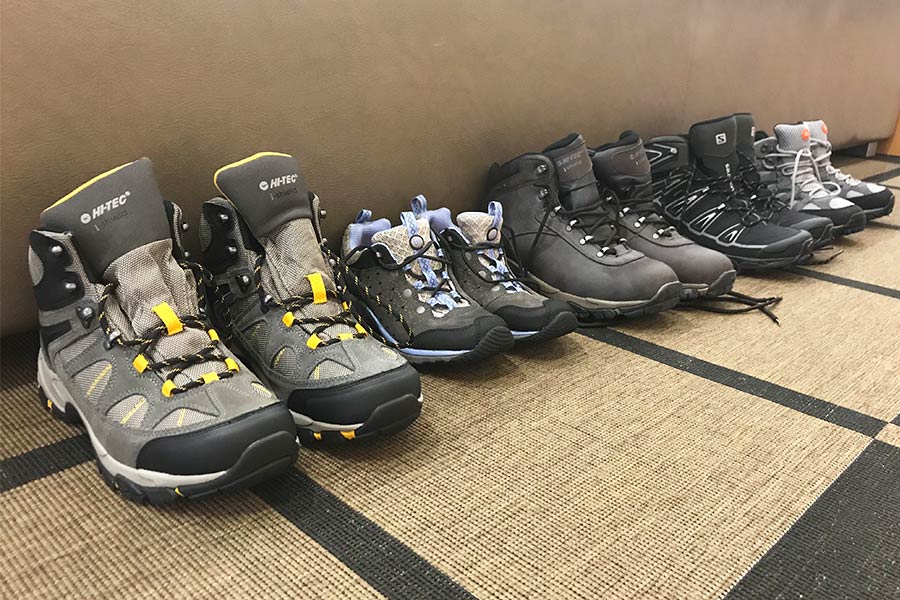
Material affects durability, weight, water resistance, and breathability. Here are the most common options:
Leather
- Full-grain leather: Durable, water-resistant, but heavier
- Split-grain leather: Lighter and more breathable, slightly less durable
Synthetic Materials
- Lightweight and breathable
- Often combined with waterproof membranes
- Break in faster than leather
Waterproof Linings (e.g., Gore-Tex)
- Keep feet dry in wet conditions
- May reduce breathability, causing sweaty feet in hot weather
Breathable Mesh
- Ideal for dry, hot climates
- Lightweight and fast-drying
- Less protective against mud or heavy rain
Choose materials that match your hiking environment and comfort preferences.
Step 5: Assess the Sole and Traction
A boot’s sole is crucial for stability and safety. Consider:
- Outsole
- Vibram or similar rubber provides grip on wet, rocky terrain
- Aggressive lugs help in mud and loose gravel
- Midsole
- EVA foam for lightweight cushioning
- Polyurethane (PU) for durability and support on long treks
- Shank
- A rigid plate between sole layers for arch support and protection
- Important for backpacking or rocky trails
The right sole reduces fatigue, prevents slipping, and protects your feet from sharp objects.
Step 6: Consider Weight and Flexibility
- Weight: Lighter boots are easier on long trails but may offer less support
- Flexibility: Some flexibility is needed for comfort; too stiff can cause hotspots
- Balance: Professional boots strike a balance between protection, support, and flexibility
Try walking in boots on different surfaces to feel the difference before buying.
Step 7: Check Lacing Systems
Lacing affects fit and support. Good hiking boots allow:
- Customizable tension for different parts of the foot
- Secure heel lock to prevent slipping
- Quick adjustments for comfort during long hikes
Advanced boots may include speed-lacing hooks or combination eyelets for precision fit.
Step 8: Test for Comfort and Blister Prevention
Even well-chosen boots can cause issues if not tested properly:
- Walk on uneven surfaces: Simulate trail conditions
- Wear proper hiking socks: Prevent moisture buildup
- Check for pressure points: Walk for at least 15–20 minutes indoors or on a treadmill
- Break them in gradually: Take short hikes before long treks
Comfort and blister prevention are non-negotiable; test before committing.
Step 9: Maintain Your Hiking Boots
Professional hiking boots are an investment. Proper care extends their life and performance:
- Clean after each hike: Remove dirt and debris from soles and uppers
- Dry naturally: Avoid direct heat to prevent material damage
- Condition leather: Keep leather supple and water-resistant
- Re-lace and replace insoles: Maintain proper fit over time
Well-maintained boots stay comfortable and protective season after season.
Step 10: Final Tips for Choosing the Perfect Hiking Boots
- Don’t compromise fit for style or brand
- Consult expert reviews and hiker feedback
- Bring your boots on shorter hikes before committing to long treks
- Remember that the right socks complement your boots
- Prioritize health, comfort, and performance over price
By following these steps, you’ll find boots that keep your feet happy, prevent blisters, and make every hiking adventure a joy.
Conclusion
Choosing comfortable, blister-free professional hiking boots isn’t just about fashion or brand reputation—it’s about protecting your feet, improving performance, and enhancing your hiking experience. Understanding your hiking needs, measuring your feet, prioritizing fit, choosing proper materials, and testing your boots carefully ensures a safe, enjoyable journey on the trail.
With the right boots, you can tackle rocky paths, steep climbs, and long-distance treks confidently. Your feet will thank you every step of the way. Remember: good boots aren’t just a purchase—they’re the foundation of every hiking adventure.
Need Help with Your Custom Project?
Have questions about materials, sizing, or looking for a quick quote? Drop us a message and our experts will respond within 24 hours.
Chat on WhatsApp
+1 (304) 356-6765
Send us an Email
hello@incustom.com
Picked for You