How Landscape Design Increases Real Estate Sales Premium: A Case Study Analysis Based on Outdoor Garden Projects

Aug 04 2026
Introduction: Why Outdoor Garden Design Has Become a Key Factor in Real Estate Value Growth
In today’s competitive real estate market, developers are no longer competing only through building quality, location advantages, or interior finishes. As buyers become more sophisticated, emotional experience, lifestyle quality, and environmental aesthetics have become increasingly important factors influencing purchasing decisions.
Among all property enhancement strategies, professional landscape design has emerged as one of the most effective ways to increase real estate value and create a sales premium.
A well-designed outdoor garden is no longer considered a simple decorative feature. It has become a strategic investment tool that can transform ordinary properties into desirable living environments.
Modern buyers are not only purchasing square footage. They are purchasing:
- A lifestyle experience
- A sense of community
- Connection with nature
- Outdoor entertainment possibilities
- Health and wellness benefits
- Long-term property appreciation potential
A carefully planned garden landscape can significantly influence first impressions, emotional attachment, and perceived property value.
For real estate developers, investing in outdoor landscape design is not simply an expense. It is a value-creation strategy that can improve market positioning, accelerate sales, and support higher pricing.
This article explores how landscape design enhances real estate sales premiums through outdoor garden projects, including design principles, buyer psychology, investment strategies, and practical case analysis.
The Relationship Between Landscape Design and Real Estate Value
Real estate value is influenced by many factors, including location, architecture, infrastructure, and market conditions. However, visual appeal and emotional perception often determine how buyers compare similar properties.
Two residential projects with similar building quality and location can experience very different market responses if their outdoor environments are significantly different.
A property surrounded by carefully designed gardens creates a stronger perception of:
- Luxury
- Quality
- Comfort
- Privacy
- Exclusivity
Meanwhile, poorly designed outdoor spaces may reduce buyer confidence, even when the building itself is excellent.
Landscape design contributes to real estate value in several important ways.
1. Creating a Powerful First Impression
The first few seconds of a property visit can strongly influence buyer perception.
The entrance landscape is often the first physical interaction between buyers and a development project.
A well-designed garden entrance can communicate:
- Professional planning
- Attention to detail
- Premium positioning
- High-quality living standards
Elements that strengthen first impressions include:
Elegant pathways
Natural stone paths, carefully selected paving materials, and balanced lighting create a welcoming arrival experience.
Green buffers
Trees, shrubs, and layered planting provide visual softness and create a sense of privacy.
Architectural landscaping
Combining plants with structures such as pergolas, water features, and outdoor seating areas creates memorable spaces.
A strong entrance experience can make buyers perceive the entire property as more valuable.
2. Increasing Emotional Connection Through Outdoor Living Spaces
Modern homeowners increasingly view outdoor areas as extensions of indoor living spaces.
A well-designed garden allows residents to imagine daily experiences such as:
- Morning coffee outdoors
- Family gatherings
- Weekend relaxation
- Social events
- Children's activities
This emotional visualization plays an important role in purchasing decisions.
For example, a simple backyard may appear as unused space.
However, a professionally designed garden with:
- Comfortable seating
- Outdoor lighting
- Green planting areas
- Functional zones
can become a valuable lifestyle feature.
Buyers are often willing to pay more for a property when they can clearly imagine themselves enjoying the space.
3. Differentiating Real Estate Projects in Competitive Markets
Many residential developments share similar architectural styles.
When buildings become visually similar, landscape design becomes a powerful differentiation tool.
A unique outdoor garden concept can create a recognizable identity.
Examples include:
- Resort-style residential gardens
- Urban botanical landscapes
- Wellness-focused green spaces
- Private courtyard gardens
- Eco-friendly community landscapes
A distinctive landscape creates stronger brand recognition and helps projects stand out from competitors.
The Psychology Behind Landscape-Driven Purchasing Decisions
Understanding buyer psychology is essential for maximizing the value of landscape investment.
People do not make property decisions based only on technical specifications. Emotional factors often influence final choices.
The Power of Visual Perception
Human perception responds strongly to natural environments.
Green spaces are commonly associated with:
- Relaxation
- Health
- Stability
- Comfort
- Premium living
When buyers see attractive gardens, they often develop a subconscious impression that the entire property is better maintained and higher quality.
This psychological effect increases perceived value.
The Health and Wellness Trend in Modern Housing
One of the strongest trends in real estate is the growing demand for healthier living environments.
Outdoor gardens support this trend by providing:
- Fresh air
- Natural scenery
- Spaces for exercise
- Stress reduction opportunities
Developers who incorporate wellness-focused landscape design can appeal to buyers seeking a better quality of life.
Examples include:
- Walking trails
- Meditation gardens
- Outdoor fitness areas
- Community vegetable gardens
- Green relaxation zones
These features transform outdoor landscapes from decorative elements into lifestyle assets.
Case Study: Transforming a Standard Residential Project into a Premium Community Through Garden Design
Project Background
A residential development located in a suburban area originally faced strong competition from similar housing projects nearby.
The buildings offered comparable:
- Floor plans
- Construction quality
- Interior specifications
However, sales performance remained average.
The developer identified that the project lacked a unique selling point.
The outdoor areas consisted mainly of basic lawns and simple planting arrangements.
To increase market appeal, the developer introduced a comprehensive landscape transformation strategy.
Initial Challenges
The original outdoor environment had several limitations:
Limited functionality
The garden provided visual greenery but lacked usable spaces.
Residents had few areas for:
- Relaxation
- Social interaction
- Outdoor activities
Weak emotional appeal
Potential buyers viewed the landscape as ordinary and forgettable.
Low differentiation
Nearby projects offered similar buildings, making price competition difficult.
Landscape Upgrade Strategy
The design team developed a multi-functional outdoor garden concept.
The goal was to create an environment that improved both aesthetics and daily living experience.
The renovation included several key elements.
1. Creating Multiple Outdoor Living Zones
Instead of designing one large decorative garden, the project was divided into different functional areas.
These included:
Community gathering spaces
Designed with:
- Outdoor seating
- Shade structures
- Landscape lighting
These areas encouraged social interaction among residents.
Private relaxation gardens
Small garden corners provided peaceful spaces for reading and relaxation.
Children's nature areas
Natural play environments were created using:
- Safe landscaping materials
- Soft planting areas
- Interactive features
This improved family appeal.
2. Improving Landscape Layers and Visual Depth
The original landscape appeared flat because it lacked structure.
The redesign introduced multiple layers:
- Tall trees
- Medium-height shrubs
- Ground plants
- Decorative elements
This created a richer visual experience throughout the year.
Seasonal planting strategies ensured the garden remained attractive in different seasons.
3. Adding Premium Landscape Features
To increase perceived value, the project incorporated several high-end landscape elements.
Examples included:
Water features
Small ponds and flowing water elements created a relaxing atmosphere.
Architectural structures
Pergolas and decorative frames added visual identity.
Professional outdoor lighting
Lighting extended garden usability into evening hours.
These details significantly improved the project's premium perception.
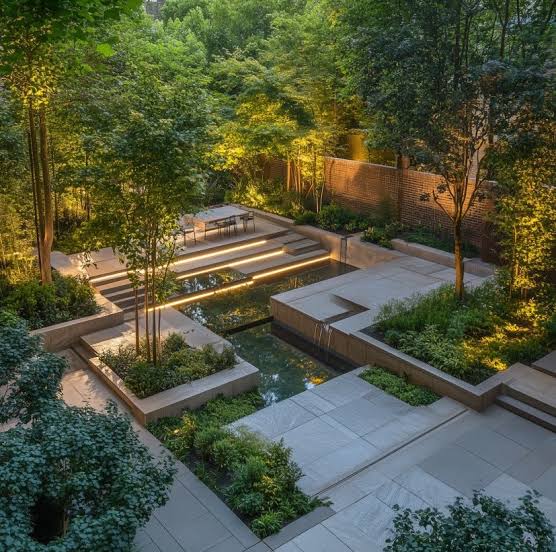
Case Study Results: How Outdoor Garden Improvements Increased Market Competitiveness
After the landscape transformation was completed, the residential project experienced noticeable improvements in buyer response and market performance.
Although the architectural structure remained unchanged, the upgraded outdoor environment created a completely different perception among potential buyers.
The project gained advantages in several key areas.
1. Stronger Buyer Attraction During Property Visits
Before the landscape upgrade, potential buyers usually focused only on:
- Apartment size
- Interior finishes
- Building materials
- Price comparison
After the garden redesign, the outdoor environment became one of the highlights of property tours.
Visitors spent more time exploring:
- Garden paths
- Relaxation areas
- Community spaces
- Green landscapes
The garden became an emotional starting point that helped buyers imagine their future lifestyle.
Instead of simply seeing a house, they experienced a complete living environment.
This emotional connection played an important role in improving purchase confidence.
2. Improved Perceived Property Value
One of the most important effects of professional landscape design is the improvement of perceived value.
Real estate buyers often cannot accurately evaluate construction costs, but they can immediately recognize visual quality.
A premium outdoor garden communicates:
- Better planning
- Higher maintenance standards
- More comfortable living conditions
- Greater exclusivity
Even when two properties have similar floor areas and construction specifications, the one with superior landscaping often feels more valuable.
This psychological value allows developers to position properties at a higher price level.
3. Increased Sales Conversion Efficiency
A well-designed landscape can shorten the decision-making process.
When buyers emotionally connect with a property, they are less likely to focus only on price.
Instead of asking:
“Why should I pay more for this property?”
They begin thinking:
“This is the type of environment where I want to live.”
This shift from price comparison to lifestyle evaluation is one of the strongest benefits of landscape investment.
Understanding Landscape Investment Return in Real Estate Development
For developers, the most important question is whether landscape improvements create measurable financial returns.
Professional landscape design can generate value through multiple channels.
1. Supporting Higher Selling Prices
A premium garden environment can justify higher property pricing.
Buyers are often willing to pay more for:
- Better views
- More attractive surroundings
- Private outdoor spaces
- High-quality community facilities
The additional value comes not only from the physical landscape but also from the lifestyle experience it represents.
2. Reducing Sales Cycle Time
Projects with attractive outdoor environments often create stronger market interest.
Benefits include:
- More showroom visits
- Higher customer engagement
- More positive word-of-mouth
- Faster purchase decisions
A shorter sales cycle helps developers reduce marketing pressure and improve capital efficiency.
3. Strengthening Brand Reputation
Successful landscape projects contribute to developer reputation.
When buyers associate a company with:
- Beautiful environments
- Thoughtful planning
- High living standards
future projects can benefit from stronger customer trust.
Landscape design therefore becomes part of long-term brand building.
Key Outdoor Garden Design Strategies for Increasing Real Estate Premium
Not every landscape investment produces the same results. The design approach must match buyer expectations and project positioning.
The following strategies are commonly used in premium real estate developments.
Strategy 1: Create a Strong Landscape Theme
A successful garden needs a clear identity.
Random planting and decorative elements often fail to create a memorable experience.
A strong theme helps establish emotional recognition.
Examples include:
Resort-style garden
Features:
- Tropical plants
- Water elements
- Relaxation zones
- Vacation-inspired atmosphere
Suitable for:
- Luxury residences
- High-end communities
Modern minimalist garden
Features:
- Clean lines
- Simple materials
- Architectural plants
- Contemporary lighting
Suitable for:
- Urban apartments
- Modern housing developments
Natural ecological garden
Features:
- Native plants
- Sustainable design
- Wildlife-friendly spaces
- Low-maintenance landscaping
Suitable for:
- Family communities
- Environmentally conscious buyers
Strategy 2: Design Gardens Around Human Behavior
Successful landscapes are not just visually attractive; they must support real daily activities.
Professional designers analyze:
- How residents move through spaces
- Where people gather
- How families use outdoor areas
- How different age groups interact
A valuable garden should answer practical questions:
Where do residents relax?
Where do children play?
Where can neighbors communicate?
Where can people enjoy privacy?
Human-centered design creates stronger long-term value.
Strategy 3: Use High-Quality Materials to Enhance Premium Perception
Material selection strongly influences how buyers perceive quality.
Important landscape materials include:
Outdoor flooring
Options such as:
- Natural stone
- High-quality porcelain tiles
- Durable composite decking
can create a premium appearance.
Garden structures
Pergolas, fences, and outdoor architectural elements should consider:
- Weather resistance
- Structural durability
- Visual harmony
Outdoor furniture
Comfortable and durable furniture helps buyers imagine real usage scenarios.
Cheap-looking materials can reduce the perceived value of an otherwise excellent landscape.
Strategy 4: Use Lighting to Extend Landscape Value
Outdoor lighting is one of the most cost-effective ways to improve landscape impact.
A garden that looks attractive during the day but disappears at night loses significant value.
Professional lighting design can highlight:
- Trees
- Pathways
- Water features
- Architectural structures
Benefits include:
- Increased safety
- Extended outdoor usage
- Enhanced nighttime atmosphere
Evening property tours are especially influenced by effective landscape lighting.
Strategy 5: Incorporate Sustainable Landscape Concepts
Modern buyers increasingly value environmentally responsible communities.
Sustainable outdoor gardens can include:
- Rainwater management systems
- Native plant selections
- Energy-efficient lighting
- Reduced-maintenance landscapes
- Organic gardening areas
These features improve environmental performance while creating additional marketing advantages.
Common Mistakes That Reduce Landscape Investment Value
Although landscape design can increase property premiums, poor planning can produce disappointing results.
Mistake 1: Focusing Only on Appearance
A beautiful garden that lacks functionality may fail to create lasting value.
Developers should avoid creating landscapes that are only designed for photography.
A successful garden must support real lifestyles.
Mistake 2: Choosing Low-Cost Materials Without Considering Durability
Cheap materials may reduce initial expenses but create long-term problems.
Common issues include:
- Weather damage
- Frequent repairs
- Poor visual aging
High-quality materials often provide better value over the entire project lifecycle.
Mistake 3: Ignoring Maintenance Requirements
A landscape must remain attractive years after completion.
Poor maintenance planning can lead to:
- Overgrown plants
- Damaged structures
- Declining appearance
Professional projects should consider:
- Plant growth patterns
- Cleaning requirements
- Replacement costs
- Seasonal maintenance
Mistake 4: Designing Without Understanding Target Buyers
Different buyer groups have different expectations.
For example:
Young professionals may prefer:
- Modern outdoor spaces
- Social areas
- Fitness facilities
Families may value:
- Safe play areas
- Green spaces
- Community interaction zones
Luxury buyers may expect:
- Privacy
- Exclusive garden features
- Premium materials
Landscape design should match the target market.
Future Trends: How Outdoor Gardens Will Continue Shaping Real Estate Value
The role of landscape design in real estate will continue expanding as buyers place greater importance on quality of life.
Several trends are expected to influence future projects.
1. Wellness-Oriented Landscapes
Future residential gardens will increasingly focus on physical and mental health.
Features may include:
- Walking paths
- Meditation areas
- Outdoor fitness spaces
- Natural relaxation zones
These environments support healthier lifestyles.
2. Smart Landscape Technology
Technology will become more integrated into outdoor environments.
Examples include:
- Automated irrigation systems
- Smart lighting controls
- Environmental monitoring
- Energy-efficient garden management
Smart landscapes improve convenience and sustainability.
3. Flexible Outdoor Spaces
Future gardens will need to adapt to changing lifestyles.
Multi-purpose outdoor areas may support:
- Remote working
- Social events
- Exercise
- Family activities
Flexibility will become a major selling point.
4. Climate-Resilient Landscape Design
Changing weather patterns require more durable outdoor solutions.
Future projects will emphasize:
- Drought-resistant plants
- Weather-resistant materials
- Efficient water management
- Sustainable construction methods
Long-lasting landscapes will provide stronger investment value.
Conclusion: Landscape Design Is a Strategic Investment in Real Estate Value Growth
Outdoor garden design has evolved from a decorative feature into a powerful tool for increasing real estate competitiveness and sales premiums.
A professionally planned landscape improves more than visual appearance. It creates emotional connections, enhances lifestyle experiences, strengthens brand identity, and increases perceived property value.
Through thoughtful garden planning, high-quality materials, functional outdoor spaces, and sustainable design strategies, developers can transform ordinary properties into highly desirable communities.
The case study demonstrates that landscape investment is not simply about adding greenery. It is about creating an environment where buyers can imagine a better future.
In a competitive real estate market, the projects that successfully combine architecture, landscape, and lifestyle experience will have stronger market appeal and greater long-term value.
If you are interested in professional outdoor garden design solutions or customized landscape projects for real estate development, please feel free to leave a message and contact us for a quotation.
Need Help with Your Custom Project?
Have questions about materials, sizing, or looking for a quick quote? Drop us a message and our experts will respond within 24 hours.
Chat on WhatsApp
+1 (304) 356-6765
Send us an Email
hello@incustom.com
Picked for You