
Outdoor enthusiasts often focus heavily on activity type—hiking, camping, climbing, backpacking—but overlook one of the most important variables affecting gear performance: the season. Temperature shifts, precipitation patterns, wind intensity, daylight duration, and terrain conditions all change dramatically throughout the year. These seasonal differences can turn the same piece of equipment from highly effective to completely inadequate.
Choosing outdoor gear without considering seasonal variation is one of the most common reasons people experience discomfort, inefficiency, and even safety risks in the field. A sleeping bag that works perfectly in summer may become dangerously insufficient in winter. A lightweight tent designed for warm weather may struggle under heavy rain or wind. Even footwear, backpacks, and clothing layers behave differently depending on environmental conditions.
Season-based gear planning is not about buying more equipment—it is about selecting the right configuration at the right time. This guide breaks down how to adjust your outdoor gear selection strategy across spring, summer, fall, and winter so you can stay comfortable, safe, and efficient year-round.
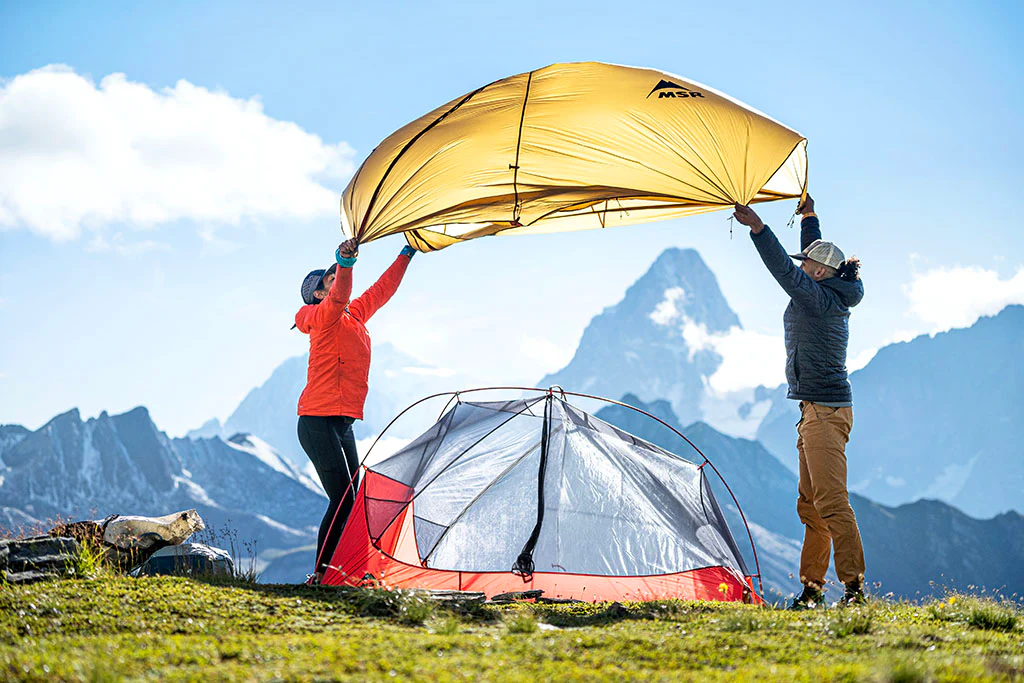
The Core Principle: Outdoor Gear Must Match Environmental Stress
Before diving into seasonal differences, it is important to understand a universal truth:
Outdoor gear performance is always relative to environmental stress.
Environmental stress includes:
Temperature extremes (heat or cold)
Moisture levels (rain, snow, humidity)
Wind exposure
Terrain difficulty (mud, ice, dry trails)
Sun intensity and UV exposure
Daylight availability
Each season changes the intensity and combination of these stress factors. Therefore, your gear selection must adapt accordingly.
A useful mindset shift is this:
Instead of asking “What is the best gear overall?”, ask “What gear performs best under these seasonal conditions?”
Spring Gear Strategy: Preparing for Unpredictability
Spring is one of the most unpredictable seasons for outdoor activities. It often brings fluctuating temperatures, sudden rainstorms, melting snow, and rapidly changing trail conditions.
Key Environmental Challenges in Spring
Temperature swings between warm daytime and cold nights
Frequent rain and wet terrain
Muddy and slippery trails
Residual snow at higher elevations
Increased humidity
Clothing Strategy for Spring
Layering becomes essential in spring conditions.
Base Layer
Moisture-wicking materials
Lightweight synthetic or merino wool fabrics
Mid Layer
Lightweight fleece or breathable insulation
Easily removable for temperature changes
Outer Layer
Waterproof and wind-resistant shell jacket
Sealed seams recommended for rain protection
Spring clothing should prioritize adaptability over specialization.
Footwear Selection in Spring
Spring terrain is often wet and unstable.
Recommended features:
Waterproof hiking boots or trail shoes
Aggressive outsole for mud traction
Quick-drying materials
Ankle support for uneven terrain
Shelter and Camping Gear
Spring camping requires protection against moisture.
Key considerations:
Tents with strong rainfly coverage
Elevated ventilation to reduce condensation
Waterproof groundsheet or footprint
Sleeping systems rated for cool nights
Spring Gear Philosophy
Spring is about flexibility. Your gear must handle both warm sunshine and sudden cold rain within the same day.
Summer Gear Strategy: Managing Heat and Exposure
Summer is often perceived as the easiest season for outdoor activities, but it introduces its own challenges, especially heat stress and sun exposure.
Key Environmental Challenges in Summer
High temperatures
Strong UV radiation
Dehydration risk
Sudden thunderstorms in some regions
Insect activity
Clothing Strategy for Summer
The goal is heat management and sun protection.
Fabric Choices
Lightweight synthetic fabrics
Breathable mesh designs
UV-protective clothing
Clothing Structure
Loose-fitting garments for airflow
Long sleeves for sun protection (counterintuitively effective in extreme sun)
Hydration Systems
Hydration becomes a critical safety factor.
Recommended gear:
Hydration packs (2–3 liter capacity)
Lightweight water bottles with filtration capability
Electrolyte management systems
Footwear in Summer
Summer footwear should focus on ventilation.
Lightweight trail runners
Breathable mesh hiking shoes
Quick-drying sandals for water-based environments
Shelter and Camping Gear
Summer camping prioritizes ventilation over insulation.
Mesh-heavy tents with strong airflow
Lightweight sleeping bags or quilts
Compact tarps for shade
Bug protection systems
Summer Gear Philosophy
Summer gear is about managing exposure—sun, heat, and dehydration—not insulation.
Fall Gear Strategy: Transition and Stability
Fall is a transitional season where conditions shift toward colder temperatures and increased precipitation.
Key Environmental Challenges in Fall
Rapid temperature drops
Increased rainfall
Wet leaves creating slippery terrain
Shorter daylight hours
Early frost in some regions
Clothing Strategy for Fall
Fall requires stronger insulation layers.
Layering System Upgrade
Heavier mid-layers (fleece or synthetic insulation)
Thermal base layers for colder mornings
Softshell jackets for wind resistance
Outer Layer Consideration
Durable waterproof shell becomes more important
Wind protection becomes a priority
Footwear in Fall
Traction becomes more important due to wet leaves and mud.
Waterproof boots preferred
Enhanced grip outsole
Better insulation for colder mornings
Camping Gear in Fall
Fall camping shifts toward warmth retention.
Sleeping bags with lower temperature ratings
Insulated sleeping pads
More robust tent structures for wind resistance
Fall Gear Philosophy
Fall is about preparation. Conditions are less predictable, and gear must be ready for early winter-like environments.
Winter Gear Strategy: Survival and Thermal Protection
Winter is the most demanding season for outdoor activities. Gear must prioritize survival-level protection against cold, wind, and snow.
Key Environmental Challenges in Winter
Sub-zero temperatures
Snow accumulation
Ice-covered terrain
High wind chill factors
Reduced daylight
Clothing Strategy for Winter
Winter clothing must maximize insulation and heat retention.
Base Layer
Heavy thermal materials
Moisture control is critical to prevent freezing
Mid Layer
Down or synthetic insulation
High warmth-to-weight ratio materials
Outer Layer
Fully waterproof and windproof shell
Reinforced construction for snow exposure
Footwear in Winter
Footwear becomes a safety-critical component.
Insulated waterproof boots
Aggressive tread for ice and snow
Compatibility with traction devices (crampons or spikes)
Camping Gear in Winter
Winter camping requires specialized systems.
Four-season tents designed for snow load
High R-value sleeping pads
Extreme cold-rated sleeping bags
Reliable stove systems for snow melting
Winter Gear Philosophy
Winter gear is not about comfort alone—it is about maintaining body temperature and preventing exposure-related risks.
Multi-Season Gear Planning: Building a Flexible System
Instead of buying completely separate gear for each season, experienced outdoor users often build modular systems.
Layering-Based Approach
The most effective strategy is layering:
Base layers for moisture control
Mid layers for insulation
Outer layers for weather protection
This allows adaptation across seasons without replacing entire gear sets.
Modular Equipment Strategy
Examples include:
Sleeping bags with liners for adjustable temperature ratings
Jackets with removable insulation layers
Tents with interchangeable ventilation configurations
Seasonal Gear Rotation System
Many outdoor enthusiasts rotate gear seasonally:
Summer lightweight kit
Shoulder season (spring/fall) balanced kit
Winter survival kit
This improves efficiency and reduces unnecessary gear overload.
Common Mistakes in Seasonal Gear Selection
Mistake 1: Using One Setup Year-Round
No single configuration performs optimally in all conditions.
Mistake 2: Underestimating Transitional Seasons
Spring and fall often create more unpredictable conditions than summer or winter.
Mistake 3: Over-Focusing on Weight in Cold Seasons
Lightweight gear can sacrifice insulation and safety in winter environments.
Mistake 4: Ignoring Humidity and Wind
Temperature alone does not define comfort or safety.
How to Build a Smarter Year-Round Gear Strategy
A strong seasonal strategy includes:
Understanding your local climate patterns
Tracking historical weather variations
Planning gear around worst-case scenarios
Prioritizing adaptability and layering systems
Testing gear in real conditions before critical trips
Final Thoughts: The Season Defines the System
Outdoor gear is not static—it is a dynamic system that must adapt to environmental change. Each season brings its own challenges, and successful outdoor planning requires recognizing those shifts and adjusting accordingly.
Spring demands flexibility. Summer requires heat management. Fall calls for transition readiness. Winter demands protection and resilience.
By aligning your gear selection strategy with seasonal conditions, you not only improve comfort and performance—you significantly enhance safety and overall outdoor experience.
The most experienced outdoor enthusiasts are not those with the most gear, but those who understand when and how to use the right configuration for the right season. That awareness is what turns outdoor preparation from guesswork into strategy.
Need Help with Your Custom Project?
Have questions about materials, sizing, or looking for a quick quote? Drop us a message and our experts will respond within 24 hours.
Chat on WhatsApp
+1 (304) 356-6765
Send us an Email
hello@incustom.com
Picked for You