How to Choose the Perfect Outdoor Furniture Cover: A Complete Buying Checklist

Jun 18 2026
Outdoor furniture can completely transform a patio, deck, or backyard into a comfortable living space. But exposure to sun, rain, snow, wind, dust, and even bird droppings means your investment constantly fights the elements. A high-quality outdoor furniture cover is not just an accessory—it’s essential protection that can dramatically extend the life of your furniture.
The problem is that not all covers are created equal. Some crack after one winter, others trap moisture and cause mold, and many simply don’t fit well enough to do their job. Choosing the right one requires more than grabbing the first waterproof option you see online.
This guide breaks down everything you need to know to choose the perfect outdoor furniture cover, along with a complete buying checklist so you can make a confident, long-term decision.
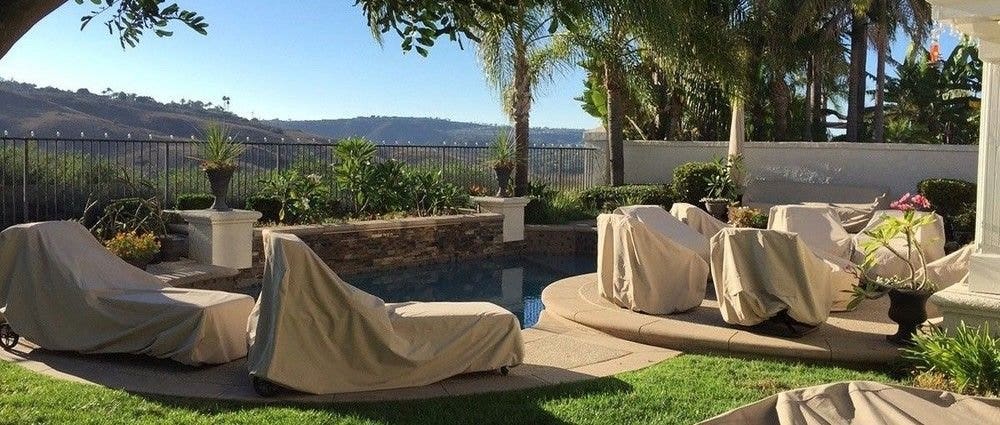
1. Why Outdoor Furniture Covers Matter More Than You Think
Outdoor furniture is exposed to constant environmental stress:
UV radiation fades fabrics and weakens plastic
Rain and snow lead to rust, swelling, and mold
Wind carries dust and debris that scratches surfaces
Temperature changes cause cracking and material fatigue
Even high-end furniture deteriorates quickly without protection.
A good cover helps you:
Extend furniture lifespan by years
Reduce cleaning and maintenance time
Prevent costly repairs or replacements
Keep furniture ready to use year-round
Think of it as insurance for your outdoor space.
2. The Most Important Factor: Material Quality
Not all cover materials perform the same. The material determines durability, breathability, waterproofing, and UV resistance.
2.1 Polyester (Most Common Option)
Polyester is widely used because it is affordable and lightweight.
Pros:
Budget-friendly
Lightweight and easy to handle
Decent water resistance (when coated)
Cons:
Can degrade under strong UV exposure
May tear under heavy wind if thin
Look for: PVC-coated or PU-coated polyester for better durability.
2.2 Oxford Fabric (Premium Mid-Range Choice)
Oxford fabric is a tightly woven polyester blend.
Pros:
Strong tear resistance
Better structure and thickness
Good balance between durability and cost
Cons:
Slightly heavier
Quality varies widely by manufacturer
Look for: 600D or 900D Oxford fabric for heavy-duty use.
2.3 Vinyl (Heavy Waterproof Option)
Vinyl covers are highly water-resistant.
Pros:
Excellent waterproofing
Easy to wipe clean
Strong barrier against dirt
Cons:
Poor breathability (risk of condensation)
Can crack in extreme cold
Heavier and less flexible
Best for short-term or rainy climates.
2.4 Canvas (Natural Heavy-Duty Option)
Canvas is a thick woven fabric often treated for weather resistance.
Pros:
Very durable
Strong UV resistance
Good airflow compared to vinyl
Cons:
Expensive
Requires maintenance
Can absorb moisture if untreated
3. Waterproof vs Water-Resistant: A Critical Difference
Many buyers assume “waterproof” means full protection—but that’s not always true.
Water-Resistant Covers
Repel light rain
May leak under heavy or prolonged exposure
Waterproof Covers
Block water completely
Often include sealed seams and coatings
However, true waterproof covers must also manage condensation. Otherwise, trapped moisture can damage furniture from the inside.
Look for:
Waterproof rating (PU coating, PVC layers)
Heat-sealed seams
Double-stitched reinforcement
4. Breathability: The Most Overlooked Feature
A fully sealed cover without airflow can trap humidity. That leads to:
Mold growth
Rust on metal frames
Mildew odors
Wood warping
Breathable covers allow moisture vapor to escape while still blocking rain.
Look for:
Ventilation panels
Air vents near the top or sides
Breathable fabric membranes
This feature is especially important in humid or rainy climates.
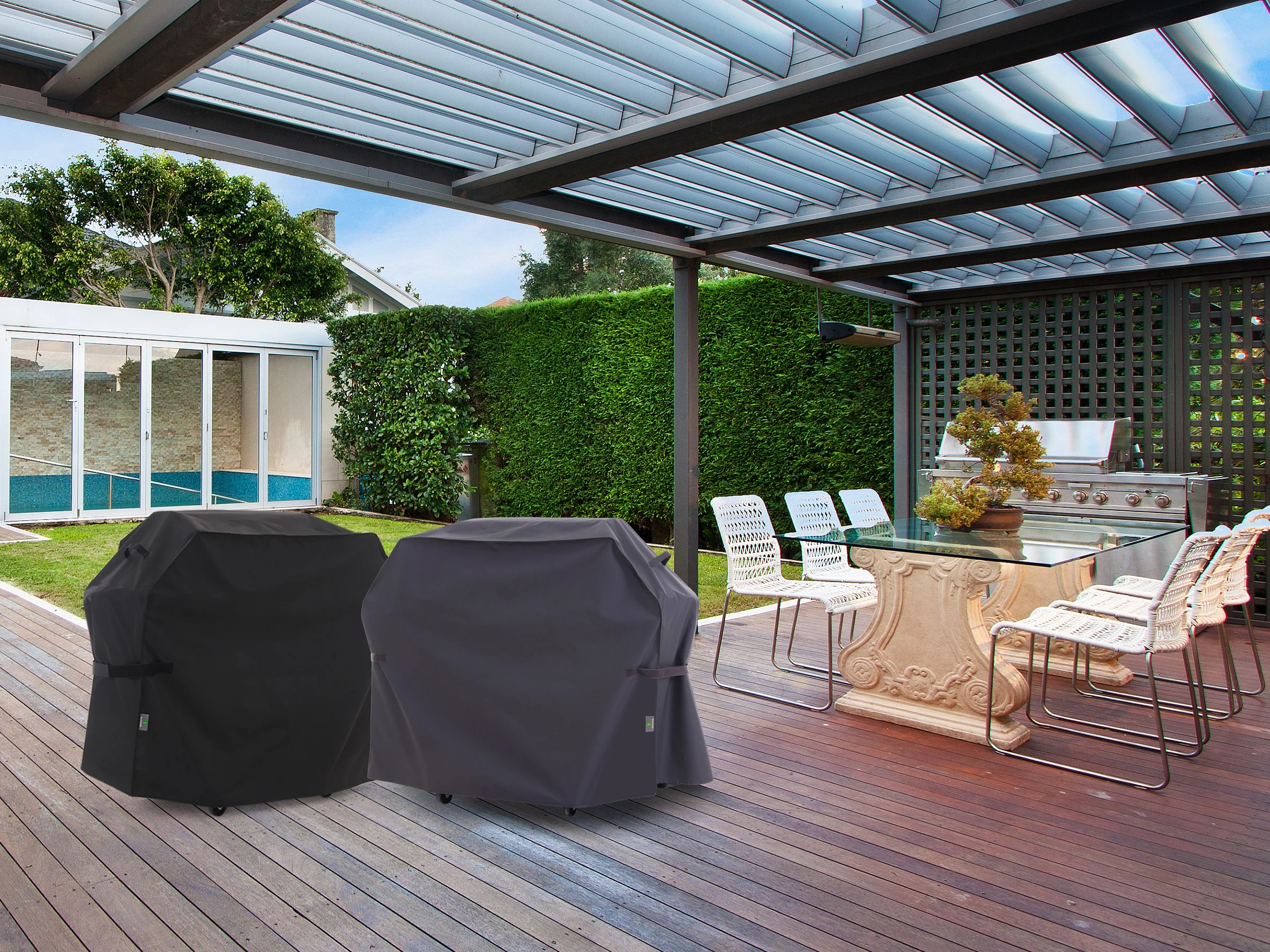
5. UV Protection: Essential for Sunny Climates
Sun damage is one of the most underestimated threats to outdoor furniture.
A good cover should include:
UV-resistant coating
Fade-resistant fabric
Protection against fabric breakdown
Without UV protection, covers themselves may deteriorate quickly, leaving furniture exposed.
6. Size and Fit: Where Most People Go Wrong
Even the best material fails if the cover doesn’t fit properly.
6.1 Measure Accurately
Measure:
Length
Width
Height
Always add 1–2 inches of allowance for airflow and ease of use.
6.2 Choose Between Universal and Custom Fit
Universal Covers
Fit multiple furniture types
More affordable
May be loose or baggy
Custom Fit Covers
Designed for exact furniture dimensions
Better protection
More expensive
6.3 Avoid These Common Fit Mistakes
Choosing too small (causes tearing)
Choosing too large (allows wind lift)
Ignoring irregular shapes (L-shaped sofas, curved tables)
7. Wind Resistance Features
Wind is one of the biggest reasons cheap covers fail.
Look for:
Adjustable drawstrings
Buckle straps or click fasteners
Elastic hems
Weighted corners
Without these, covers can easily blow away or tear.
8. Seams and Stitching Quality
Seams are often the weakest point of any cover.
High-quality covers include:
Double stitching
Reinforced corners
Heat-sealed seams (for waterproof models)
Poor stitching leads to early failure even if the material is strong.
9. Ease of Use and Storage
A good cover should be practical, not just protective.
Consider:
Lightweight design for easy installation
Handles for quick removal
Foldable structure for storage
Storage bag included
If a cover is difficult to use, people tend to avoid using it—defeating its purpose.
10. Types of Outdoor Furniture Covers
Different furniture requires different cover designs.
10.1 Table Covers
Designed for:
Dining tables
Coffee tables
Look for central water runoff design.
10.2 Chair Covers
Often individual or stackable designs.
Important features:
Elastic hems
Tight fit
10.3 Sofa Covers
For outdoor couches or sectionals.
Look for:
L-shape options
Modular compatibility
10.4 Set Covers
Designed to cover full patio sets.
Pros:
Convenient
Full protection
Cons:
Harder to fit perfectly
Bulkier
11. Climate Considerations
Your environment should heavily influence your choice.
Rainy or Humid Areas
Breathable + waterproof combo
Mold-resistant materials
Hot Sunny Areas
Strong UV protection
Heat-resistant coatings
Cold Snowy Areas
Thick vinyl or Oxford fabric
Snow load resistance
Windy Regions
Strong fastening systems
Heavy-duty fabric (600D+)
12. Durability Indicators to Look For
A high-quality cover usually includes:
300D–900D fabric thickness rating
UV coating specification
Waterproof rating (PU/PVC layers)
Reinforced stitching
Warranty (1–3 years or more)
Avoid products that don’t clearly list specs.
13. Common Mistakes Buyers Make
Mistake 1: Choosing Based Only on Price
Cheap covers often cost more in replacements.
Mistake 2: Ignoring Ventilation
No airflow = mold risk.
Mistake 3: Wrong Sizing
Even small mismatches reduce protection significantly.
Mistake 4: No Wind Security Features
Wind damage is extremely common and preventable.
Mistake 5: Assuming All “Waterproof” Claims Are Equal
Always check construction details.
14. Complete Outdoor Furniture Cover Buying Checklist
Before you buy, verify:
Material
Durable fabric (Oxford, polyester, vinyl, or canvas)
UV-resistant coating
Protection
Waterproof or highly water-resistant
Breathable design or vents
Mold-resistant features
Fit
Correct measurements
Adjustable or custom fit option
Construction
Double stitching
Reinforced seams
Heat-sealed waterproofing (if applicable)
Security
Wind straps or buckles
Elastic hems or drawstrings
Usability
Easy to install/remove
Lightweight design
Storage bag included
Climate Suitability
Matches your local weather conditions
15. Final Thoughts: Choosing Long-Term Protection, Not Just a Cover
A great outdoor furniture cover is not just about keeping rain off your table or dust off your chairs. It’s about preserving the value, comfort, and appearance of your outdoor living space over time.
The best choice is always a balance between durability, breathability, fit, and climate suitability. Instead of focusing on the cheapest option or the most advertised product, focus on building a checklist-based decision.
When chosen correctly, a high-quality cover can extend the life of your outdoor furniture by years—sometimes even doubling it—while keeping your outdoor space ready to enjoy at any time.
In the end, the perfect outdoor furniture cover is the one that quietly does its job season after season, without you ever having to think about it.
Need Help with Your Custom Project?
Have questions about materials, sizing, or looking for a quick quote? Drop us a message and our experts will respond within 24 hours.
Chat on WhatsApp
+1 (304) 356-6765
Send us an Email
hello@incustom.com
Picked for You