How to Choose the Right Tent: Your Complete Guide to Comfortable Outdoor Living

Jun 03 2026
For many outdoor enthusiasts, a tent is more than just a piece of camping gear—it’s a temporary home. Whether you're planning a weekend getaway, a family camping trip, a backcountry hiking adventure, or a multi-day outdoor expedition, the quality and suitability of your tent can determine whether your experience is enjoyable or miserable.
A poorly chosen tent may leave you dealing with cramped sleeping conditions, poor ventilation, water leaks, insect invasions, or difficult setup procedures. On the other hand, the right tent can provide comfort, protection, convenience, and peace of mind regardless of weather conditions.
With hundreds of tent models available on the market, choosing one can feel overwhelming. Dome tents, cabin tents, tunnel tents, backpacking tents, ultralight shelters, and four-season tents all serve different purposes. Understanding your specific needs is the key to making a smart purchase.
In this comprehensive guide, you'll learn how to evaluate tent size, season ratings, materials, weather resistance, weight, ventilation, setup methods, and other critical factors so you can confidently choose the perfect tent for your outdoor adventures.
Understanding Different Types of Tents
Before comparing features, it's important to understand the most common tent categories.
Dome Tents
Dome tents are among the most popular camping shelters.
Advantages
Easy to set up
Good wind resistance
Lightweight design
Suitable for most camping situations
Disadvantages
Limited headroom
Less interior space compared to cabin tents
Dome tents are ideal for casual campers and weekend trips.
Cabin Tents
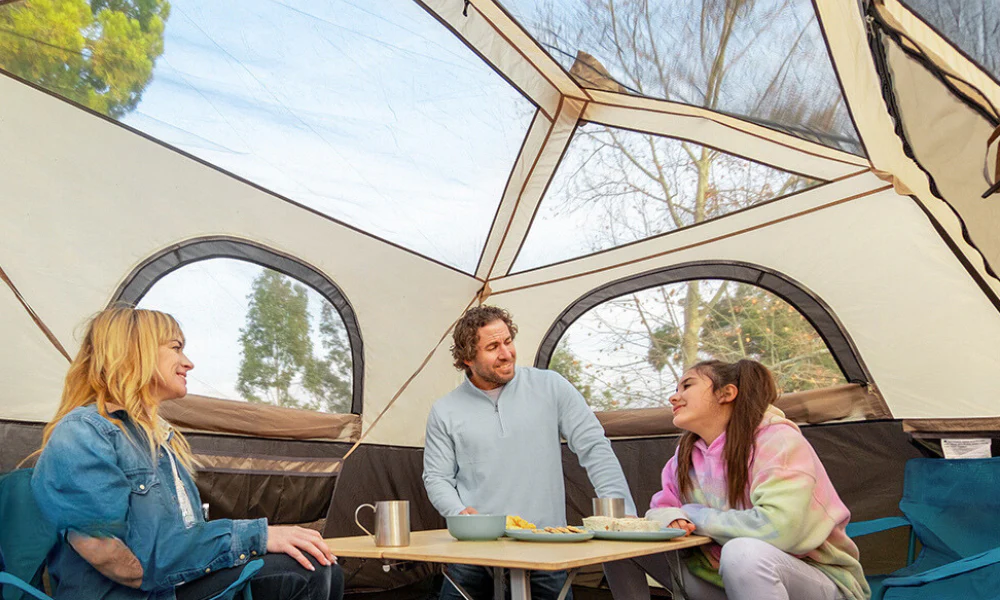
Cabin tents emphasize comfort and spacious interiors.
Advantages
Excellent standing room
Large interior volume
Suitable for families
Room dividers available
Disadvantages
Heavier weight
Larger packed size
Less effective in strong winds
These tents are often preferred for car camping and family vacations.
Tunnel Tents
Tunnel tents use parallel poles to create a tunnel-shaped structure.
Advantages
Efficient use of space
Large sleeping areas
Good weather protection
Disadvantages
Requires proper staking
Less freestanding capability
Tunnel tents are popular among experienced campers.
Backpacking Tents
Designed specifically for hikers and trekkers.
Advantages
Lightweight
Compact packing size
Easy transportation
Disadvantages
Smaller living space
Limited comfort for extended stays
Perfect for people who prioritize mobility.
Four-Season Tents
Built to withstand severe weather conditions.
Advantages
Strong structure
Excellent snow resistance
Enhanced wind protection
Disadvantages
Higher cost
Heavier weight
Reduced ventilation in warm weather
Ideal for mountaineering and winter camping.
Determining the Right Tent Size
One of the most common mistakes is choosing a tent that's too small.
Understanding Capacity Ratings
Manufacturers often advertise tents as:
2-person
4-person
6-person
8-person
10-person
However, these ratings typically assume minimal gear and close sleeping arrangements.
Practical Recommendation
For greater comfort:
Two campers should consider a 3-person tent.
Four campers should consider a 5- or 6-person tent.
Families should size up whenever possible.
Extra room significantly improves comfort during bad weather.
Consider Gear Storage
Sleeping space isn't the only factor.
You'll also need room for:
Backpacks
Clothing
Footwear
Camping accessories
Vestibules can provide valuable storage without sacrificing interior space.
Understanding Tent Season Ratings
Not every tent is designed for every environment.
One-Season Tents
Typically intended for summer use only.
Best for:
Warm temperatures
Fair weather
Occasional camping
Three-Season Tents
The most versatile category.
Suitable for:
Spring
Summer
Fall
Most recreational campers should start here.
Four-Season Tents
Engineered for:
Snow
High winds
Freezing temperatures
They offer superior protection but are usually unnecessary for casual campers.
Weather Resistance: Staying Dry and Comfortable
Weather protection should be one of your highest priorities.
Waterproof Ratings
Look for tents with quality waterproof coatings.
Important components include:
Rainfly
The rainfly serves as the tent's primary defense against rain.
A full-coverage rainfly offers superior protection compared to partial coverage designs.
Bathtub Floor
A bathtub-style floor extends upward along the tent walls.
This design helps prevent water intrusion during heavy rain.
Sealed Seams
Factory-sealed seams reduce leakage points.
Always check whether seam sealing is included.
Tent Materials Explained
Tent performance largely depends on material quality.
Polyester
A popular choice for camping tents.
Advantages include:
Affordable pricing
UV resistance
Low water absorption
Nylon
Common in backpacking tents.
Advantages include:
Lightweight
Strong construction
Compact storage
However, nylon can stretch when wet.
Canvas
Traditional canvas tents remain popular among long-term campers.
Advantages:
Excellent durability
Superior insulation
Long lifespan
Disadvantages:
Heavy weight
Larger packed size
Tent Pole Materials
Poles significantly impact durability and stability.
Fiberglass Poles
Advantages:
Affordable
Widely available
Disadvantages:
Heavier
More prone to breaking
Aluminum Poles
Advantages:
Lightweight
Strong
Reliable
Most premium tents use aluminum poles.
Ventilation: An Overlooked Essential
Many campers focus solely on waterproofing while ignoring airflow.
Poor ventilation causes:
Condensation
Humidity
Discomfort
Features to Look For
Mesh Panels
Mesh allows fresh air circulation while keeping insects out.
Roof Vents
Roof vents help warm, moist air escape.
Dual Doors
Multiple entry points improve airflow throughout the tent.
Ease of Setup
After a long drive or hike, nobody wants to spend an hour assembling a tent.
Freestanding Tents
Freestanding designs require minimal staking.
Benefits:
Faster setup
Easier repositioning
Greater convenience
Instant Tents
Instant tents feature pre-attached poles.
Advantages:
Setup in minutes
Beginner-friendly
Ideal for family camping
The tradeoff is increased weight and bulk.
Weight and Packability
Tent weight matters differently depending on your camping style.
Car Camping
Weight is less important.
Focus on:
Comfort
Space
Features
Backpacking
Every ounce matters.
Prioritize:
Lightweight materials
Compact packed size
Efficient design
Ultralight backpackers often choose tents weighing less than 4 pounds.
Importance of Interior Comfort
Comfort can dramatically influence your camping experience.
Peak Height
A taller tent allows easier movement.
Family campers often appreciate standing-height designs.
Interior Pockets
Storage pockets help organize:
Phones
Flashlights
Keys
Personal items
Gear Lofts
Overhead storage improves organization and reduces clutter.
Choosing a Tent Based on Your Camping Style
Different adventures require different shelters.
Weekend Campers
Recommended Features:
Three-season design
Easy setup
Moderate size
Good ventilation
Family Campers
Recommended Features:
Cabin-style layout
Multiple rooms
High ceiling
Large vestibule
Backpackers
Recommended Features:
Lightweight construction
Compact packed size
Weather resistance
Winter Campers
Recommended Features:
Four-season construction
Strong poles
Snow protection
Reinforced fabric
Common Tent Buying Mistakes
Avoid these common pitfalls.
Focusing Only on Price
A cheap tent may lead to:
Leaks
Pole failures
Poor durability
Value matters more than initial cost.
Ignoring Weather Conditions
Consider where you'll actually camp.
A summer tent may perform poorly in mountain environments.
Buying Too Small
Many campers regret insufficient space.
When in doubt, choose a slightly larger tent.
Neglecting Ventilation
Condensation can make a tent feel damp even without rain.
Proper airflow is essential.
Tent Accessories Worth Considering
The right accessories can enhance your camping experience.
Footprints
Protect tent floors from:
Rocks
Moisture
Abrasion
Extra Stakes
Weather conditions can vary.
Additional stakes improve stability.
Guy Lines
Guy lines enhance wind resistance.
Repair Kits
Emergency repairs can save an entire camping trip.
Carry:
Pole splints
Patch kits
Spare cordage
Caring for Your Tent
A quality tent can last for many years with proper maintenance.
Clean Before Storage
Remove:
Dirt
Mud
Food residue
Dry Thoroughly
Never store a damp tent.
Moisture can lead to:
Mold
Mildew
Fabric deterioration
Store Properly
Choose a cool, dry location away from direct sunlight.
Avoid long-term compression storage.
Future Trends in Tent Design
The camping industry continues to evolve.
Emerging innovations include:
Sustainable materials
Lightweight composites
Enhanced ventilation systems
Smart lighting integration
Solar-powered accessories
These advancements are making outdoor accommodations more comfortable than ever.
Conclusion
Choosing the right tent doesn't have to be complicated. By understanding tent types, size requirements, season ratings, weather resistance, materials, ventilation, and setup methods, you can confidently select a shelter that matches your camping style and outdoor goals.
Whether you're planning a family vacation at a campground, a solo backpacking journey through the mountains, or a multi-day wilderness expedition, investing in the right tent will significantly improve your comfort, safety, and overall outdoor experience.
A tent is more than a shelter—it's your home away from home. Taking the time to choose wisely ensures that every camping trip becomes an adventure worth remembering.
Need Help with Your Custom Project?
Have questions about materials, sizing, or looking for a quick quote? Drop us a message and our experts will respond within 24 hours.
Chat on WhatsApp
+1 (304) 356-6765
Send us an Email
hello@incustom.com
Picked for You