Hurricane Season Preparedness: Why Homeowners Are Stockpiling Heavy-Duty Tarps

Apr 23 2026
Each year, as hurricane season approaches, homeowners across coastal and storm-prone regions begin preparing for the worst. From reinforcing windows to stocking emergency supplies, preparation has become a critical part of protecting homes and families. In recent years, one item has quietly risen to the top of many preparedness lists: heavy-duty waterproof tarps.
At first glance, tarps may seem like a simple, utilitarian product. But in the context of severe weather, they become an essential tool for damage prevention, temporary repairs, and recovery. Their versatility, affordability, and effectiveness have made them a go-to solution for homeowners facing unpredictable storm conditions.
This in-depth guide explores why heavy-duty tarps are in such high demand during hurricane season, how they’re used in real-world scenarios, and what you should look for when choosing the right one for your home.
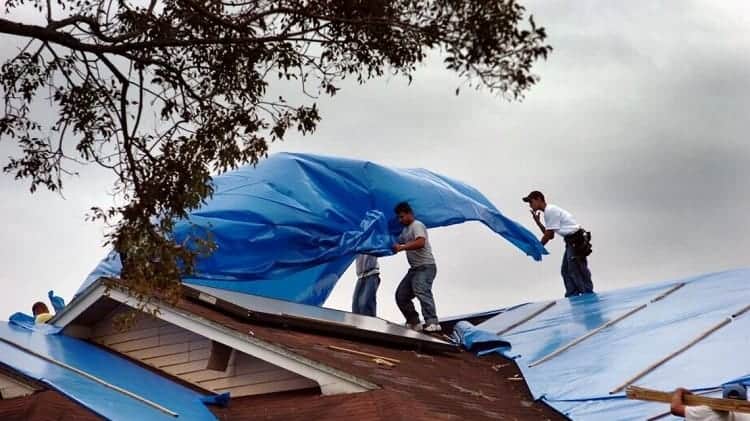
Understanding the Risks of Hurricane Season
Hurricanes bring a combination of destructive forces that can severely impact residential properties:
High winds capable of tearing off roofing materials
Heavy rainfall leading to leaks and flooding
Flying debris that can puncture walls and windows
Storm surges that inundate low-lying areas
Even well-built homes can suffer damage under these conditions. The key to minimizing loss often lies in preparation—and in having the right tools ready before a storm hits.
Why Tarps Have Become a Must-Have Item
Heavy-duty tarps have gained popularity not because they’re new, but because their value becomes unmistakable during emergencies.
1. Immediate Protection Against Water Damage
One of the most common issues during hurricanes is roof damage. Missing shingles or structural breaches can allow water to enter the home quickly.
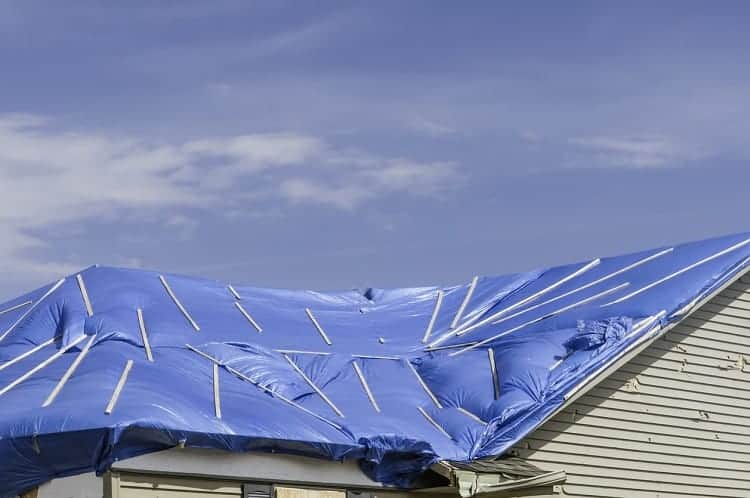
A tarp can be deployed as a temporary roof cover, preventing rain from causing further interior damage. This quick action can protect:
Ceilings and walls
Electrical systems
Furniture and personal belongings
2. Versatility in Emergency Situations
Few products offer the same level of flexibility as a tarp. During and after a hurricane, they can be used for:
Covering broken windows
Shielding damaged siding
Protecting outdoor equipment
Creating temporary shelters
This adaptability makes tarps an indispensable part of any emergency kit.
3. Cost-Effective Damage Control
Compared to permanent repairs, tarps are relatively inexpensive. They provide a low-cost way to mitigate damage while waiting for professional repairs, which can take days or even weeks after a major storm.
4. Availability and Ease of Use
Tarps are widely available and require minimal tools to deploy. With basic preparation, most homeowners can install a tarp quickly when needed.
Real-World Scenarios: How Tarps Save Homes
Roof Damage After High Winds
After a storm passes, it’s common to find sections of roofing missing. A tarp can be secured over the დაზ damaged area to prevent additional water intrusion.
Broken Windows from Flying Debris
A shattered window leaves your home exposed to rain and wind. Covering it with a tarp provides immediate protection until repairs can be made.
Flood Prevention for Outdoor Areas
Tarps can be used to divert water away from vulnerable areas, helping reduce the risk of flooding.
What Makes a Tarp “Heavy-Duty”?
Not all tarps are created equal. For hurricane preparedness, standard lightweight tarps are often insufficient.
Key Features to Look For
1. Material Strength
Heavy-duty tarps are typically made from reinforced polyethylene or similar materials. These provide:
High tensile strength
Resistance to tearing
Long-lasting durability
2. Waterproofing
A true waterproof tarp prevents water penetration even under prolonged exposure to heavy rain.
3. UV Resistance
Sun exposure can degrade materials over time. UV-resistant coatings help extend the lifespan of the tarp.
4. Reinforced Edges and Grommets
Strong edges and metal grommets allow for secure fastening, which is critical in high winds.
5. Thickness and Weight
Measured in mils or GSM, thicker tarps generally offer better protection but may be heavier and less flexible.
Choosing the Right Tarp for Your Needs
Selecting the right tarp depends on your specific situation.
Size Matters
Choose a tarp large enough to cover the intended area with extra material for securing it properly.
Consider Wind Conditions
In high-wind مناطق, heavier tarps with reinforced نقاط attachment are essential.
Portability vs. Strength
While thicker tarps provide better protection, they can be harder to handle. Balance strength with ease of use.
How to Properly Use a Tarp During a Hurricane
Having a tarp is only part of the equation. Knowing how to use it effectively is just as important.
Pre-Storm Preparation
Inspect your tarp for damage
Gather necessary tools (ropes, nails, or bungee cords)
Identify vulnerable areas of your home
Installation Tips
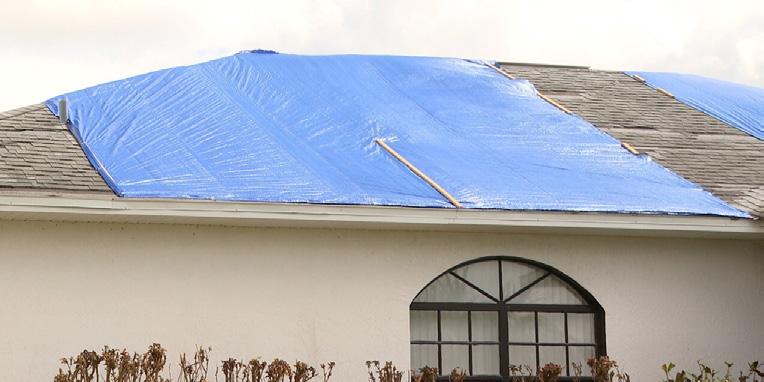
Secure the tarp tightly to prevent flapping
Anchor it to stable structures
Ensure proper overlap to direct water away
Safety First
Never attempt to install a tarp during active storm conditions. Wait until it is safe to do so.
Common Mistakes to Avoid
Even experienced homeowners can make errors when using tarps.
Using the Wrong Size
A tarp that’s too small won’t provide adequate coverage.
Poor Securing Methods
Loose tarps can be torn away by wind, rendering them useless.
Ignoring Wear and Tear
Old or damaged tarps may fail when you need them most.
Why Demand Surges Before Hurricanes
As storms approach, demand for heavy-duty tarps often spikes dramatically.
Supply Chain Pressure
Retailers may run out of stock quickly, especially in high-risk areas.
Last-Minute Buying
Many homeowners wait until a storm is imminent, leading to shortages.
Lessons from Past Storms
After experiencing damage, homeowners are more likely to prepare in advance for future seasons.
Long-Term Benefits of Stockpiling Tarps
Having tarps on hand isn’t just about immediate storm response.
Year-Round Utility
Tarps can be used for:
Home improvement projects
Outdoor storage
Landscaping حماية
Peace of Mind
Knowing you’re prepared reduces stress during hurricane season.
Integrating Tarps into a Broader Preparedness Plan
Tarps are most effective when combined with other preparedness measures.
Complementary Supplies
Emergency kits
Backup power sources
First aid supplies
Communication tools
Home Reinforcement
Storm shutters
Roof inspections
Drainage improvements
Environmental Considerations
While tarps are highly useful, it’s important to consider their environmental impact.
Reusability
High-quality tarps can be reused multiple times, reducing waste.
Proper Disposal
Damaged tarps should be disposed of responsibly to minimize environmental harm.
The Future of Storm Preparedness Materials
Innovation continues to improve the performance of protective materials.
Advanced Coatings
New coatings enhance waterproofing and durability.
Lightweight High-Strength Fabrics
Emerging materials offer improved strength without added weight.
Smart Materials
Future tarps may include features like self-repairing surfaces or integrated sensors.
Final Thoughts
Heavy-duty waterproof tarps have become an essential tool for homeowners preparing for hurricane season. Their ability to provide immediate, flexible, and cost-effective protection makes them invaluable in the face of unpredictable weather.
By understanding their benefits, choosing the right type, and using them correctly, you can significantly reduce the impact of storm damage on your home. Preparation isn’t just about reacting to emergencies—it’s about taking proactive steps to safeguard what matters most.
As hurricane seasons grow more intense and unpredictable, having reliable tools like heavy-duty tarps on hand is no longer optional—it’s a smart, practical decision that every homeowner should consider.
Need Help with Your Custom Project?
Have questions about materials, sizing, or looking for a quick quote? Drop us a message and our experts will respond within 24 hours.
Chat on WhatsApp
+1 (304) 356-6765
Send us an Email
hello@incustom.com
Picked for You