Kitchen and Bathroom Curtains: How to Choose Waterproof, Mold-Resistant, and Grease-Resistant Specialty Fabrics

Mar 24 2026
Curtains are often associated with living rooms and bedrooms, where aesthetics and light control take center stage. Yet some of the most challenging environments for window treatments are the kitchen and bathroom—spaces filled with humidity, temperature fluctuations, steam, grease particles, and constant cleaning demands.
Choosing the wrong curtain fabric in these areas can lead to mold growth, lingering odors, oil stains, and rapid material deterioration. On the other hand, selecting the right specialty fabric transforms curtains into functional design elements that enhance hygiene, durability, and comfort.
This comprehensive guide explores how to choose waterproof, mold-resistant, and grease-resistant curtain fabrics specifically designed for kitchens and bathrooms, helping homeowners balance performance, style, and long-term practicality.
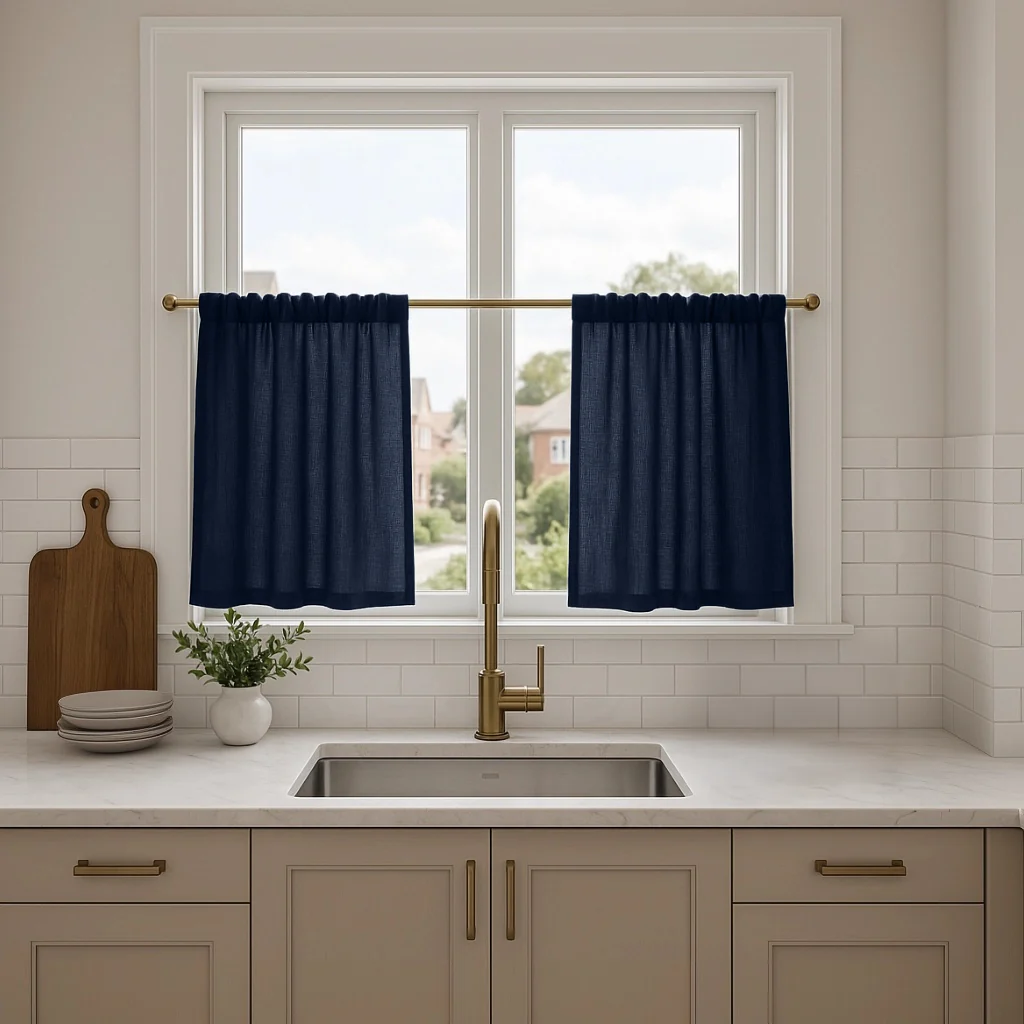
Why Kitchens and Bathrooms Require Specialized Curtain Fabrics
Unlike dry living spaces, kitchens and bathrooms expose materials to unique environmental stressors.
High Humidity Levels
Bathrooms generate steam daily through showers and baths. Moisture accumulates on surfaces, encouraging mold and mildew growth.
Oil and Airborne Particles
Cooking releases microscopic grease droplets that travel through the air and settle on nearby fabrics. Over time, ordinary textiles absorb oils, leading to discoloration and odors.
Frequent Cleaning Needs
Curtains in these rooms require regular wiping or washing, meaning fabrics must withstand repeated maintenance without damage.
Temperature Fluctuations
Hot water, cooking heat, and ventilation cycles cause expansion and contraction, accelerating wear in unsuitable materials.
Standard decorative fabrics simply aren’t designed for these conditions.
The Three Essential Performance Requirements
When choosing curtains for kitchens and bathrooms, three performance qualities matter most:
- Water resistance
- Mold and mildew prevention
- Grease and stain resistance
Understanding how fabrics achieve these properties helps buyers make informed decisions.
Waterproof vs Water-Resistant: Understanding the Difference
Many products claim to be waterproof, but not all offer the same level of protection.
Water-Resistant Fabrics
- Repel light moisture
- Slow water absorption
- Suitable for ventilated kitchens
These fabrics typically feature surface coatings that cause water droplets to bead.
Waterproof Fabrics
- Prevent water penetration entirely
- Ideal for bathrooms near showers or sinks
- Often laminated or tightly coated
In high-moisture environments, waterproof construction significantly extends curtain lifespan.
How Mold and Mildew Develop on Curtains
Mold thrives when three conditions exist:
- Moisture
- Organic material
- Limited airflow
Traditional cotton curtains absorb moisture and provide organic fibers that mold can feed on. Bathrooms especially create ideal growth environments if fabrics remain damp.
Specialized curtain materials prevent mold through:
- Synthetic fiber structures
- Antimicrobial treatments
- Quick-drying surfaces
- Reduced moisture retention
The goal is not just resistance but preventing moisture from lingering.
Why Grease Resistance Matters in Kitchens
Cooking oils vaporize during frying, sautéing, and grilling. These airborne particles settle invisibly onto surfaces—including curtains.
Over time, untreated fabrics may:
- Turn yellow
- Trap odors
- Become sticky
- Attract dust
Grease-resistant fabrics minimize absorption, allowing easy cleaning with simple wiping instead of deep washing.
Best Specialty Fabrics for Kitchen Curtains
1. Polyester Performance Fabrics
Polyester remains one of the most practical kitchen curtain materials.
Advantages:
- Naturally moisture-resistant
- Durable under frequent washing
- Resistant to shrinking
- Affordable and widely available
Modern performance polyester often includes stain-resistant coatings that repel oil particles.
Best for:
- Windows near cooking areas
- Busy family kitchens
- Rental properties
2. PVC-Coated Fabrics
PVC-coated textiles provide strong protection against moisture and grease.
Key features:
- Waterproof surface
- Easy wipe-clean maintenance
- High durability
- Excellent stain resistance
These fabrics work especially well near sinks or stovetops where splashes occur.
Design tip: Choose matte finishes to avoid a plastic-like appearance.
3. Acrylic-Coated Cotton Blends
For homeowners wanting a softer aesthetic, coated cotton blends offer a balance between natural texture and performance.
Benefits include:
- Improved water repellency
- Reduced oil absorption
- Decorative flexibility
While not fully waterproof, they perform well in moderately humid kitchens.
Best Curtain Fabrics for Bathrooms
1. PEVA or EVA Materials
Commonly used in shower curtains, these materials are:
- Waterproof
- Mold-resistant
- Lightweight
- Easy to clean
They work well for small bathroom windows exposed directly to moisture.
2. Treated Polyester Sheers
Bathrooms often benefit from light diffusion and privacy.
Treated polyester sheers:
- Dry quickly
- Resist mildew
- Allow airflow
- Maintain brightness
They’re ideal for maintaining a spa-like atmosphere while preventing moisture buildup.
3. Vinyl-Laminated Fabrics
Vinyl lamination creates a protective barrier against water penetration.
Best suited for:
- Windows close to bathtubs
- Poorly ventilated bathrooms
- High-humidity climates
These fabrics prioritize function without sacrificing longevity.
Fabric Technologies That Improve Performance
Modern curtain fabrics rely on advanced textile engineering.
Hydrophobic Coatings
These treatments cause water to form droplets that roll off instead of soaking in.
Antimicrobial Treatments
Silver-ion or similar technologies inhibit microbial growth responsible for odors and mold.
Oil-Repellent Finishes
Fluoropolymer-based coatings reduce grease adhesion, making cleaning easier.
Tight Weave Construction
Dense fiber structures reduce absorption and increase durability.
Understanding these technologies helps buyers look beyond marketing claims.
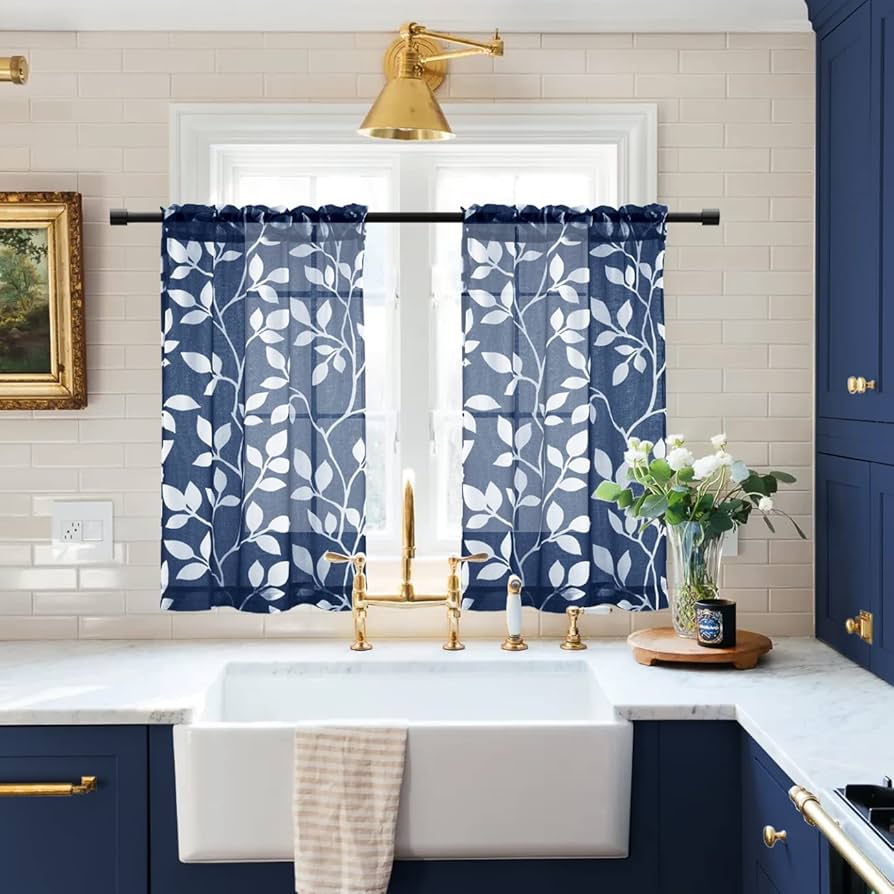
Choosing the Right Curtain Style for Each Space
Fabric performance matters, but style influences functionality too.
Kitchen Curtain Styles
Cafe Curtains
- Cover lower window half
- Allow natural light
- Reduce grease exposure
Roman Shades
- Clean appearance
- Suitable with coated fabrics
- Easy operation
Roller Shades
- Minimal surface area
- Excellent for high-use kitchens
Bathroom Curtain Styles
Waterproof Roller Shades
- Compact and hygienic
- Quick drying
Sheer Panels with Liners
- Combine privacy and airflow
Top-Down Bottom-Up Shades
- Maintain privacy while letting light in
Proper design reduces fabric exposure to moisture and contaminants.
Color and Pattern Considerations
Performance fabrics now come in diverse styles, allowing design flexibility.
Kitchens
Recommended choices:
- Neutral tones hiding grease buildup
- Small patterns masking stains
- Textured finishes reducing visible wear
Avoid very light untreated fabrics near cooking zones.
Bathrooms
Ideal options include:
- Soft whites and light grays
- Nature-inspired tones
- Subtle textures enhancing relaxation
Light-reflective colors also help brighten small spaces.
Maintenance Tips for Long-Lasting Curtains
Even specialty fabrics benefit from proper care.
Weekly Care
- Shake or vacuum lightly to remove dust.
- Wipe grease-prone areas with a damp cloth.
Monthly Cleaning
- Wash according to manufacturer instructions.
- Avoid harsh bleach unless approved.
Drying
- Air dry whenever possible.
- Ensure curtains are fully dry before rehanging.
Moisture left trapped in folds can defeat mold-resistant treatments.
Ventilation: The Hidden Factor in Curtain Longevity
Fabric choice alone cannot compensate for poor ventilation.
Improve airflow by:
- Using exhaust fans regularly
- Opening windows after showers
- Running kitchen range hoods during cooking
Lower humidity dramatically extends curtain life regardless of material.
Safety Considerations in Kitchens
Curtains near cooking areas should also meet safety guidelines.
Look for:
- Heat-resistant materials
- Flame-retardant treatments
- Shorter curtain lengths away from burners
Safety and durability often go hand in hand.
Balancing Functionality and Interior Design
Modern homeowners no longer need to choose between practicality and beauty.
Today’s specialty fabrics offer:
- Linen-like textures with synthetic performance
- Matte finishes replacing shiny coatings
- Designer patterns with protective technology
This evolution allows kitchens and bathrooms to feel cohesive with the rest of the home.
Common Mistakes to Avoid
Choosing Decorative Fabric First
Performance should come before aesthetics in moisture-heavy rooms.
Ignoring Window Location
Curtains near stoves or showers require higher protection levels.
Overlooking Cleaning Requirements
Some fabrics require professional care, making them impractical for kitchens.
Assuming All Polyester Is Equal
Performance-treated polyester differs significantly from basic fabric.
Sustainable Options in Specialty Curtain Fabrics
Eco-conscious buyers can look for:
- Recycled polyester materials
- PVC-free waterproof coatings
- Low-VOC textile treatments
- Durable designs reducing replacement frequency
Longevity itself contributes to sustainability by reducing waste.
Matching Curtains With Modern Home Trends
Current design trends influencing kitchen and bathroom curtains include:
- Minimalist window treatments
- Neutral color palettes
- Functional décor
- Hygienic materials
- Easy-maintenance interiors
Specialty fabrics align naturally with these evolving preferences.
How to Evaluate Curtain Quality Before Buying
When shopping, consider:
- Fabric thickness and density
- Coating uniformity
- Stitching quality
- Care label clarity
- Manufacturer transparency about treatments
Higher-quality construction often predicts longer performance life.
The Future of Functional Curtain Fabrics
Textile innovation continues advancing rapidly. Emerging developments include:
- Self-cleaning nano-coatings
- Enhanced antimicrobial fibers
- Breathable waterproof membranes
- Smart fabrics responding to humidity
These innovations promise even more durable solutions for high-moisture environments.
Final Thoughts: Smart Fabric Choices Create Healthier Spaces
Kitchens and bathrooms place unique demands on every surface, and curtains are no exception. Selecting waterproof, mold-resistant, and grease-resistant specialty fabrics ensures window treatments remain clean, functional, and attractive despite daily exposure to humidity and cooking residue.
By understanding environmental challenges, choosing performance-oriented materials, and maintaining proper care routines, homeowners can enjoy curtains that support both design goals and practical living needs.
In the end, the right curtain fabric does more than decorate a window—it contributes to hygiene, comfort, and long-term home maintenance. With thoughtful selection, kitchen and bathroom curtains can remain fresh, durable, and visually appealing for years, proving that functional design is one of the most valuable investments a home can make.
Need Help with Your Custom Project?
Have questions about materials, sizing, or looking for a quick quote? Drop us a message and our experts will respond within 24 hours.
Chat on WhatsApp
+1 (304) 356-6765
Send us an Email
hello@incustom.com
Picked for You