Measurement Guide: How to Find the Perfect-Fitting “Coat” for Your Patio Furniture

Jul 20 2026
Your patio is more than just an outdoor space. It is an extension of your home—a place where you relax after a long day, enjoy meals with family and friends, and create memorable moments throughout the year. Whether you have a cozy balcony setup, a spacious backyard dining area, or a luxurious outdoor lounge, your patio furniture plays an important role in defining the atmosphere of your outdoor living space.
However, outdoor furniture faces many challenges that indoor furniture does not. Sunlight, rain, wind, dust, humidity, falling leaves, pollen, and seasonal temperature changes can gradually damage even the highest-quality materials. Without proper protection, cushions can fade, metal frames can develop rust, wood surfaces can crack, and furniture can lose its original beauty.
This is where a well-fitted patio furniture cover becomes essential.
A furniture cover is like a protective “coat” for your outdoor pieces. Just like clothing needs the right size to provide comfort and protection, a furniture cover must fit properly to perform its job effectively. A cover that is too large may collect water, trap dirt, and become vulnerable to strong winds. A cover that is too small may stretch, tear, or leave important areas exposed.
Finding the perfect size is not simply about choosing a cover that looks close enough. Accurate measurement is the key to protecting your investment and extending the lifespan of your outdoor furniture.
In this complete measurement guide, we will explain how to measure different types of patio furniture, how to avoid common sizing mistakes, and how to choose a cover that provides the ideal balance of protection, durability, and appearance.
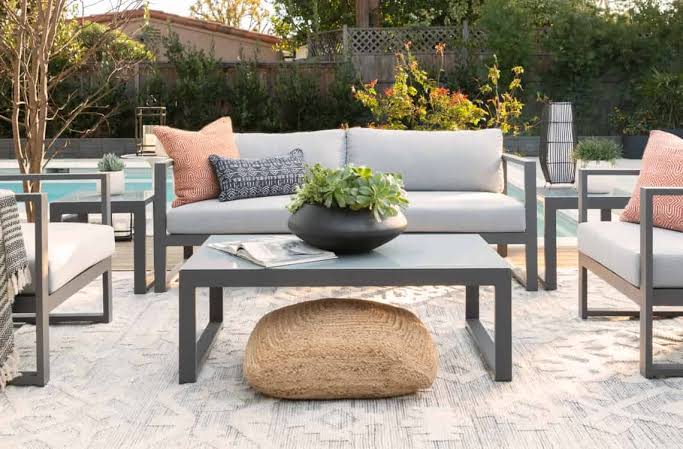
Why Accurate Measurements Matter Before Buying a Patio Furniture Cover
Many homeowners make the mistake of purchasing outdoor furniture covers based only on the product name or general appearance. They may search for a “large table cover” or “sofa cover” and assume that any similar size will work.
However, patio furniture comes in countless shapes and designs. A standard outdoor sofa may have wide armrests, deep cushions, or an unusual curved shape. A dining table may include an umbrella hole, extension panels, or unique leg structures. These details can significantly affect the required cover size.
Accurate measurements help ensure:
Better Protection
A properly sized cover fully protects your furniture from environmental elements. It prevents exposed areas where moisture, dust, or sunlight can cause damage.
Improved Durability
A cover that fits correctly experiences less stress from stretching, pulling, and wind pressure. This helps extend the life of the cover itself.
Cleaner Appearance
A well-fitted cover creates a neat and organized outdoor space. Loose, oversized covers can look messy, while tight covers may appear uncomfortable and strained.
Easier Installation
The right size makes covering and removing furniture faster and more convenient, especially when seasonal weather changes require frequent use.
A few minutes spent measuring your furniture can save time, money, and frustration later.
Understanding the Three Essential Measurements
Before measuring your patio furniture, it is important to understand the three basic dimensions used for most covers:
- Length
- Width
- Height
These measurements determine whether the cover will properly wrap around your furniture.
1. Length: Measuring From One End to the Other
Length is usually the longest horizontal measurement of your furniture.
For example:
- On a rectangular dining table, measure from one tabletop edge to the opposite edge.
- On a sofa, measure from the outside of one armrest to the outside of the other armrest.
- On a bench, measure across the longest side.
When measuring length, always include the widest points of the furniture rather than only the main surface area.
For example, if your outdoor sofa has curved arms that extend outward, measure from the furthest point of one side to the furthest point of the other side.
2. Width: Measuring the Depth of Your Furniture
Width refers to the distance from the front edge to the back edge.
This measurement is especially important for:
- Outdoor sofas
- Lounge chairs
- Sectional seating
- Deep dining chairs
Many people underestimate furniture depth because they only consider the visible seating area. However, cushions, armrests, and back supports all affect the total width.
For lounge furniture, measure the deepest point to ensure the cover does not pull tightly around corners.
3. Height: Measuring From the Ground Up
Height is often the most overlooked measurement, but it is extremely important.
Measure from the ground or floor surface to the highest point of the furniture.
Examples:
- For a dining table, measure from the ground to the top surface.
- For a chair, measure from the ground to the top of the backrest.
- For an umbrella table, consider the height of the umbrella pole or accessories if they remain attached.
A cover that is too short may expose the top or sides of your furniture, allowing moisture and sunlight to enter.
Step-by-Step Guide: How to Measure Different Types of Patio Furniture
Different furniture designs require different measurement approaches. Understanding the structure of each item will help you select the correct cover size.
How to Measure an Outdoor Dining Table
Outdoor dining tables are among the easiest pieces to measure, but several details should not be ignored.
Step 1: Measure the Table Length
Use a measuring tape to measure the longest side of the tabletop.
For rectangular tables:
- Measure from one end of the tabletop to the other.
For oval tables:
- Measure the longest distance across the table.
For round tables:
- Measure the diameter from one side of the tabletop to the opposite side.
Step 2: Measure the Table Width
Measure the shorter side of a rectangular table or the diameter of a round table.
Remember to include any extensions or attached components.
Step 3: Measure Table Height
Measure from the ground to the highest point of the tabletop.
If your table has decorative edges, thicker tops, or unusual designs, include these details.
Step 4: Consider Chair Placement
If you want to cover the entire dining set together, do not measure only the table.
Include:
- Chairs pushed under the table
- Chair backs
- Armrests
- Extra space needed around the set
A dining set cover must accommodate the complete arrangement.
How to Measure Outdoor Chairs and Lounge Chairs
Outdoor chairs come in many styles, including dining chairs, rocking chairs, recliners, and lounge chairs.
The key measurements include:
Overall Height
Measure from the floor to the highest point of the chair back.
Width
Measure the widest point, usually across the arms or sides.
Depth
Measure from the front edge of the seat to the back of the chair.
For reclining chairs, measure the chair in its normal storage position. If the chair adjusts into different positions, choose the position where it will usually remain when covered.
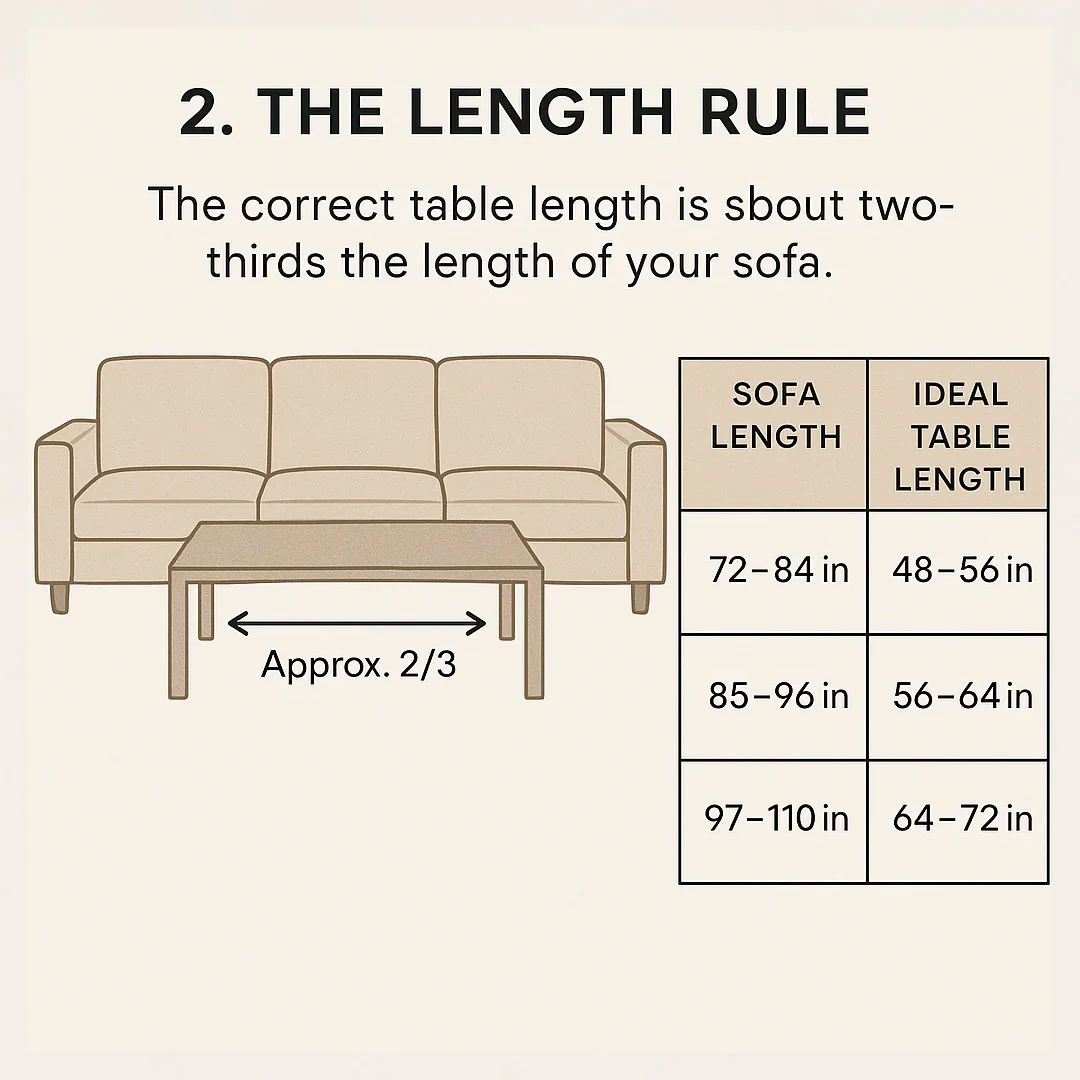
'
How to Measure Outdoor Sofas and Sectional Furniture
Outdoor sofas and sectional seating areas are often the most challenging pieces of patio furniture to measure because of their larger size and unique shapes. Unlike simple tables or chairs, sofas may include multiple sections, corner pieces, wide armrests, and thick cushions that affect the overall dimensions.
Choosing the wrong cover size for an outdoor sofa can lead to several problems. A cover that is too small may stretch over the cushions and put pressure on seams and corners. A cover that is too large may create extra fabric that collects rainwater and debris.
To find the right fit, follow these measurement steps.
Step 1: Measure the Total Length
For a standard outdoor sofa, measure from the outer edge of one armrest to the outer edge of the opposite armrest.
Do not measure only the seating area. The arms are part of the overall size and need to be protected.
For sectional sofas, measure each configuration carefully.
Common layouts include:
- L-shaped sectionals
- U-shaped sectionals
- Modular sofas
- Corner seating arrangements
If your sectional furniture stays assembled all year, measure the entire structure as one unit.
For example, an L-shaped sectional requires measurements for:
- The longest side
- The shorter side
- The overall depth
- The highest point
A cover designed for a regular sofa may not work properly for a large sectional arrangement.
Step 2: Measure the Depth
Outdoor sofas often have deeper seats than indoor sofas. Thick cushions, extended armrests, and reclining sections can increase the required cover depth.
Measure from the front edge of the sofa to the furthest point at the back.
Make sure to include:
- Seat cushions
- Back cushions
- Armrests
- Decorative side panels
Many homeowners only measure the cushions and forget that the frame underneath also requires protection.
Step 3: Measure the Height
Measure from the ground to the highest point of the sofa.
Usually, the highest point is:
- The top of the backrest
- A decorative frame section
- A headrest
Do not compress cushions while measuring. The cover should fit over the furniture in its normal condition.
How to Measure Patio Conversation Sets
Conversation sets usually include multiple pieces, such as:
- Loveseats
- Lounge chairs
- Coffee tables
- Side tables
You have two options when selecting covers:
Option One: Individual Covers
Individual covers provide the best protection because each item receives a customized fit.
Advantages include:
- Better wind resistance
- Easier handling
- More precise protection
- Less unnecessary fabric
This option is ideal for homeowners who frequently rearrange their outdoor space.
Option Two: One Large Cover
A single cover can protect an entire furniture arrangement.
This option works well when:
- Furniture stays in the same position
- Storage space is limited
- Quick coverage is important
However, measuring becomes more complicated.
You need to consider:
- The total width of all pieces together
- The combined length
- Height differences between furniture pieces
- Spaces between items
A large cover should not be excessively oversized. Extra material can create pockets where water and leaves accumulate.
Measuring Outdoor Fire Pit Tables and Heating Furniture
Fire pit tables have become popular additions to outdoor living spaces. However, they require careful measurement because of their unique shapes and additional components.
When measuring a fire pit table, consider:
Table Shape
Measure according to the shape:
- Square fire pit table: length × width
- Rectangular fire pit table: longest side × shortest side
- Round fire pit table: diameter
Height
Measure from the ground to the highest point of the table surface.
If your fire pit includes:
- Glass panels
- Decorative stones
- Raised edges
- Protective covers
include those measurements.
Additional Accessories
Consider whether you want the cover to protect:
- Gas controls
- Attached propane storage
- Side shelves
- Decorative elements
A properly sized cover should protect the complete unit.
Measuring Patio Umbrellas and Umbrella Tables
Patio umbrellas require a different approach because their height and shape are different from other furniture pieces.
For a closed umbrella:
Measure:
- Total height from bottom to top
- Diameter of the folded umbrella
- Base size if attached
For an umbrella table:
Measure:
- Table diameter or length
- Table width
- Table height
- Umbrella pole position
If the umbrella remains open during storage, a specialized umbrella cover is usually required.
Should a Patio Furniture Cover Be Exactly the Same Size as Your Furniture?
One common question homeowners ask is whether a cover should match furniture dimensions exactly.
The answer is usually no.
A furniture cover should provide a comfortable fit, not a tight fit.
A small amount of extra space is beneficial because it allows:
- Easier installation
- Better air circulation
- Protection against fabric stress
- Room for cushions and accessories
However, too much extra space creates problems.
An oversized cover may:
- Blow away in strong winds
- Collect rainwater
- Trap moisture
- Become difficult to handle
The ideal fit is similar to a well-designed outdoor jacket: enough room for comfort, but not so loose that it loses protection.
Common Patio Furniture Cover Measurement Mistakes
Even careful homeowners can make mistakes when measuring outdoor furniture. Understanding these common problems can help you avoid unnecessary purchases.
Mistake 1: Measuring Only the Visible Surface
Many people measure only the tabletop or seating area.
For example, they measure:
- The tabletop but ignore the legs
- The cushions but ignore the frame
- The seat but ignore the armrests
The result is a cover that does not fully protect the furniture.
Always measure the complete outer dimensions.
Mistake 2: Forgetting Accessories
Outdoor furniture often includes accessories that change the required cover size.
Examples:
- Throw pillows
- Side tables
- Umbrella stands
- Decorative items
- Removable cushions
If these items stay with the furniture during storage, include them in your measurements.
Mistake 3: Ignoring Furniture Shape
Not all furniture is rectangular.
Many modern patio designs feature:
- Curved sofas
- Rounded tables
- Irregular sectionals
- Sculptural chairs
For unusual shapes, measure the widest and highest points.
The goal is not to measure the shape perfectly but to identify the maximum space the cover must protect.
Mistake 4: Choosing Based Only on Product Names
A “large sofa cover” may not fit every large sofa.
Different manufacturers use different sizing standards.
Always compare your measurements with the actual cover dimensions rather than relying only on descriptions.
Adding Extra Space: How Much Room Should You Leave?
Finding the right balance between protection and flexibility is important.
Many experts recommend allowing a small amount of additional room around the furniture.
A practical approach is:
- Add a few inches to width and length
- Avoid adding excessive height
- Consider the thickness of cushions
The exact amount depends on:
- Furniture design
- Cover material
- Weather conditions
- Storage location
For furniture placed in areas with strong winds, a closer fit is usually better.
For furniture stored in sheltered areas, slightly more room may be acceptable.
Why Shape Matters When Choosing a Patio Furniture Cover
Modern outdoor furniture designs are becoming more creative. While unique shapes create beautiful outdoor spaces, they also require more thoughtful cover selection.
Consider these examples:
Curved Sofas
Curved designs require flexible materials that can follow the furniture shape without excessive stretching.
Deep Lounge Chairs
Extra depth requires covers with enough fabric to fully reach the back and sides.
Modular Furniture
Modular pieces require careful decisions about whether to cover separately or as one complete set.
The best cover is not simply the largest one available—it is the one designed for your furniture’s actual structure.
Choosing the Right Patio Furniture Cover Material After Measuring
Accurate measurements are the foundation of choosing a patio furniture cover, but size alone does not determine whether a cover will provide long-term protection. The material of the cover plays an equally important role.
A perfectly sized cover made from poor-quality material may still fail to protect your furniture from harsh outdoor conditions. On the other hand, a durable material combined with the right measurements can provide years of reliable protection.
When selecting a patio furniture cover, consider the balance between:
- Water resistance
- Breathability
- UV protection
- Strength
- Weight
- Ease of maintenance
Different outdoor environments require different levels of protection.
Waterproof Protection: Keeping Rain Away From Your Furniture
Rain is one of the biggest threats to outdoor furniture. Constant exposure to moisture can cause:
- Mold growth on cushions
- Rust on metal frames
- Cracking of wooden surfaces
- Fabric deterioration
A high-quality patio furniture cover should provide strong water resistance while preventing moisture buildup inside.
However, waterproofing does not mean creating a completely sealed environment.
A completely airtight cover can trap humidity underneath, creating condensation that may damage furniture over time.
The best outdoor covers combine:
- Water-resistant outer layers
- Sealed or reinforced seams
- Breathable design features
This allows the cover to block rain while helping internal moisture escape.
Breathable Materials: Preventing Condensation and Mold
Many homeowners focus only on waterproof performance, but breathability is equally important.
Outdoor furniture experiences temperature changes throughout the day. Warm air trapped under a cover can create condensation, especially during humid weather.
A breathable furniture cover helps maintain airflow and reduces the risk of:
- Mildew
- Musty odors
- Fabric damage
- Moisture stains
Common breathable cover features include:
- Air vents
- Mesh panels
- Lightweight fabric construction
For humid climates or areas with frequent temperature changes, breathable materials are especially valuable.
UV Protection: Defending Against Sun Damage
Sunlight can gradually damage outdoor furniture even when rain is not a concern.
Long-term UV exposure may cause:
- Color fading
- Material weakening
- Cracked surfaces
- Brittle fabrics
A quality patio furniture cover should include UV-resistant properties.
This is particularly important for:
- Brightly colored cushions
- Plastic furniture
- Painted metal frames
- Natural wood furniture
A cover with strong UV protection acts as a shield, reducing direct sunlight exposure and helping furniture maintain its original appearance.
Heavy-Duty Fabrics for Extreme Weather Conditions
Not every outdoor space experiences the same weather conditions.
A balcony in a mild climate requires different protection compared with a backyard exposed to:
- Heavy rain
- Snow
- Strong winds
- Intense sunlight
For challenging environments, consider heavy-duty materials designed for maximum durability.
Features may include:
Reinforced Stitching
Strong stitching prevents seams from separating under pressure.
Thick Fabric Layers
Multiple layers improve resistance against tearing and abrasion.
Strong Fastening Systems
Secure attachment helps keep covers in place during storms.
A durable cover is especially valuable for furniture that remains outdoors year-round.
The Importance of Wind Protection Features
Even the best cover can fail if strong winds constantly pull and move it.
A properly measured cover should also have reliable fastening features.
Common options include:
Adjustable Straps
Straps allow you to tighten the cover around furniture.
Benefits:
- Better stability
- Custom adjustment
- Reduced movement
Buckle Systems
Buckles provide stronger attachment compared with simple elastic edges.
They are useful for:
- Large sofas
- Dining sets
- Heavy furniture covers
Drawstrings
Drawstrings create a closer fit around furniture edges.
They are often effective for smaller furniture pieces.
Why a Good Fit Helps Protect Against Wind Damage
Measurement accuracy directly affects wind resistance.
A cover that is too loose creates a large surface area where wind can catch underneath. This can cause:
- Flapping fabric
- Noise
- Stress on seams
- Complete cover removal during storms
A properly fitted cover reduces movement and provides better protection.
This is why measuring your furniture carefully before purchase is just as important as choosing durable fabric.
Seasonal Care: Maintaining Your Patio Furniture Cover
Even a high-quality cover needs proper care to perform well.
Regular maintenance can extend the life of both the cover and the furniture underneath.
Clean the Cover Regularly
Outdoor covers collect:
- Dust
- Leaves
- Pollen
- Bird droppings
- Dirt
Cleaning helps maintain the fabric’s protective performance.
Most covers can be cleaned with:
- Mild soap
- Warm water
- Soft brushes or cloths
Avoid harsh chemicals that may damage waterproof coatings.
Allow the Cover to Dry
If the cover becomes wet after rain or cleaning, allow it to dry completely before long-term storage.
Storing a damp cover may lead to:
- Mold
- Odors
- Fabric deterioration
Proper drying is a simple step that prevents many problems.
Check for Damage
Inspect your cover regularly for:
- Small tears
- Loose stitching
- Damaged straps
- Weak areas
Repairing small issues early can prevent larger problems later.
How the Right Cover Extends the Life of Patio Furniture
Outdoor furniture represents a significant investment. A quality cover helps protect that investment by reducing exposure to damaging conditions.
For different materials, protection provides different benefits.
Protecting Wooden Furniture
Wood is naturally beautiful but sensitive to environmental changes.
A furniture cover helps reduce:
- Moisture absorption
- Sun fading
- Surface cracking
This is especially important for premium wood furniture.
Protecting Metal Furniture
Metal furniture may experience:
- Rust
- Corrosion
- Paint damage
A protective cover helps reduce exposure to water and humidity.
Protecting Outdoor Cushions
Cushions are often the most vulnerable part of patio furniture.
Without protection, cushions may suffer from:
- Fading
- Mold growth
- Fabric weakening
A well-fitted cover keeps cushions cleaner and extends their usable life.
Smart Buying Checklist: Finding the Perfect Patio Furniture Cover
Before purchasing a cover, review this checklist:
Measurement Checklist
✔ Measure length
✔ Measure width
✔ Measure height
✔ Include armrests and accessories
✔ Consider furniture shape
✔ Check cushion thickness
Material Checklist
✔ Water-resistant fabric
✔ UV protection
✔ Breathable construction
✔ Strong stitching
✔ Durable fastening system
Usage Checklist
✔ Consider local weather conditions
✔ Decide whether furniture stays assembled
✔ Choose individual or full-set coverage
✔ Think about storage habits
A few minutes of preparation can prevent the frustration of buying the wrong size.
The Perfect Cover Is a Combination of Size, Material, and Design
Finding the right patio furniture cover is similar to finding the perfect outdoor jacket. The best choice is not simply the biggest option or the cheapest option.
It needs to fit the furniture correctly, match the environment, and provide reliable protection.
A successful cover combines:
- Accurate measurements
- Quality materials
- Functional design
- Long-lasting performance
When these elements work together, your patio furniture can remain beautiful and comfortable for many seasons.
Final Thoughts: Protect Your Outdoor Space With the Right Fit
Your patio furniture creates a space where you relax, entertain, and enjoy outdoor living. Protecting it properly allows you to continue enjoying that space while reducing maintenance costs and extending furniture life.
Choosing the right furniture cover begins with accurate measurement. Understanding the length, width, height, and unique shape of each piece ensures that your cover provides complete protection without unnecessary bulk.
From compact balconies to large backyard entertainment areas, every outdoor setup can benefit from a carefully selected cover. The right “coat” does more than block rain and sunlight—it preserves the beauty, comfort, and value of your furniture.
Before purchasing your next patio furniture cover, take the time to measure carefully, consider your environment, and choose materials that match your needs. A thoughtful choice today can keep your outdoor furniture looking its best for years to come.
A well-fitted cover is not just an accessory. It is an investment in the future of your outdoor lifestyle.
Have questions about patio furniture cover sizes, custom measurements, or protective cover solutions? Feel free to leave a comment or contact us for a quote. We welcome your inquiries and look forward to helping you find the perfect outdoor furniture protection solution.
Need Help with Your Custom Project?
Have questions about materials, sizing, or looking for a quick quote? Drop us a message and our experts will respond within 24 hours.
Chat on WhatsApp
+1 (304) 356-6765
Send us an Email
hello@incustom.com
Picked for You