Minimalist Outdoor Style: How to Choose Outdoor Furniture Covers That Look Good and Don’t Ruin Your Space

Jun 24 2026
Outdoor living has become an extension of modern home design. Patios, balconies, gardens, and rooftop terraces are no longer treated as purely functional areas—they are carefully curated environments where comfort meets aesthetics. Within this shift, one small but surprisingly impactful detail often gets overlooked: outdoor furniture covers.
For many homeowners, covers are purely practical. They protect against rain, dust, UV rays, bird droppings, and seasonal wear. But in a world increasingly driven by clean lines, neutral palettes, and intentional simplicity, bulky or unattractive covers can ruin the entire visual flow of an outdoor space.
This is where the concept of minimalist outdoor style changes everything.
Instead of treating covers as an afterthought, they become part of the design language—quiet, subtle, and visually integrated. In this guide, we’ll break down how to choose outdoor furniture covers that are both protective and aesthetically refined, without disrupting the calm, cohesive feel of your outdoor environment.
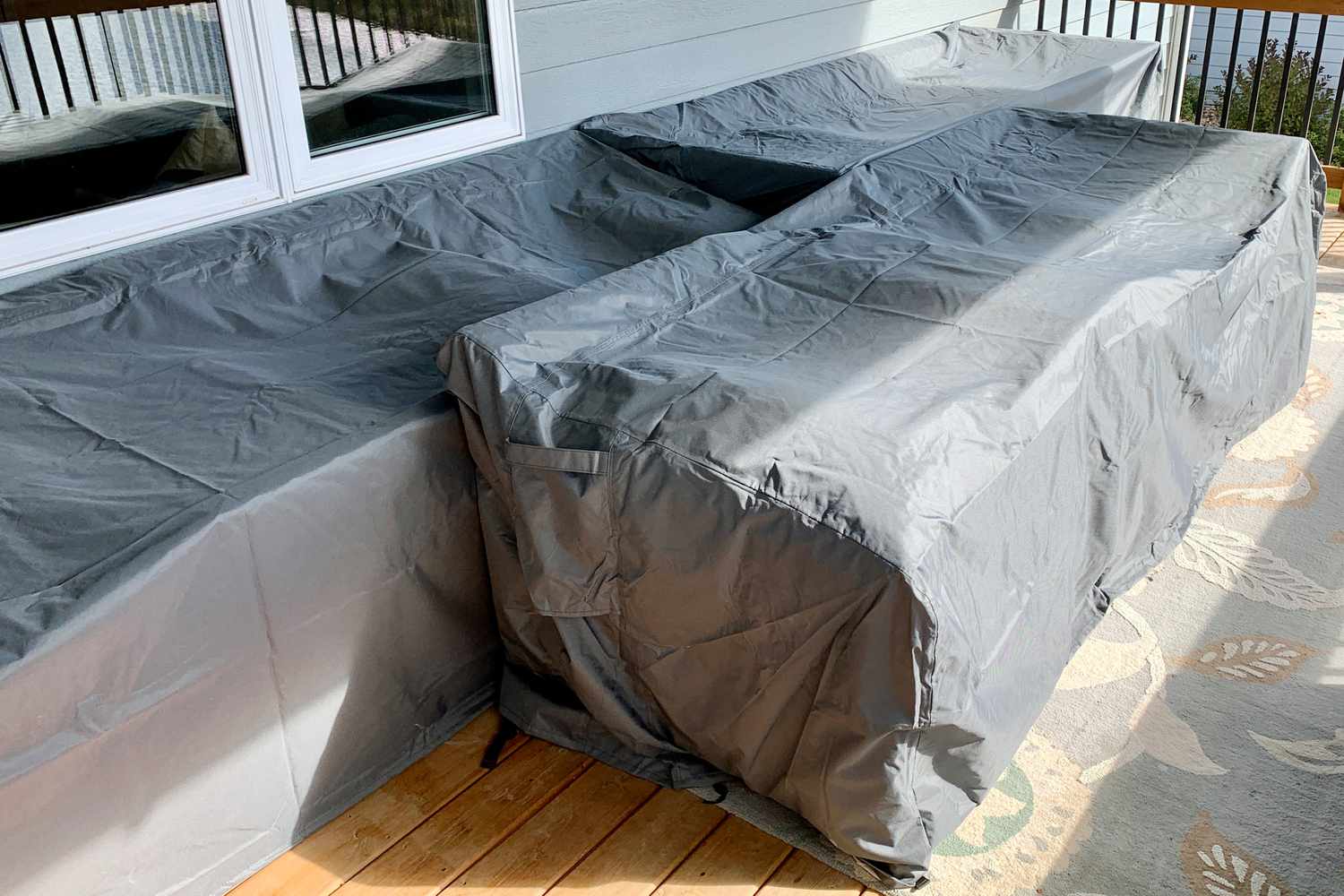
1. Understanding Minimalist Outdoor Design
Minimalism in outdoor spaces is not about having less for the sake of emptiness. It’s about intentionality.
A minimalist outdoor space typically emphasizes:
Neutral or muted color palettes
Clean geometric forms
Visual consistency across materials
Reduced visual clutter
Functional items that double as design elements
In this context, even protective items like covers must “disappear” into the environment rather than dominate it.
A poorly chosen cover—bright blue tarp material, shiny plastic textures, oversized silhouettes—can instantly break the harmony of an otherwise carefully designed patio.
Minimalist outdoor living demands a different standard: utility must be invisible or visually harmonious.
2. Why Outdoor Furniture Covers Matter More Than You Think
At first glance, covers seem purely practical. But they influence three key aspects of your outdoor space:
Visual continuity
Large covered furniture sets can dominate sightlines. If the covers are visually heavy, they create clutter even when everything underneath is perfectly arranged.
Perceived maintenance level
Well-chosen covers signal order and care. Cheap-looking covers can make even high-end furniture appear neglected.
Longevity of design investment
Outdoor furniture is expensive. Covers protect that investment, but if they look bad, they reduce the perceived value of the entire setup.
In minimalist design, protection and presentation must coexist.
3. The Core Principles of Minimalist Outdoor Furniture Covers
Before diving into materials and shapes, it’s important to understand the guiding principles.
Principle 1: Visual Silence
A good cover should not demand attention.
This means avoiding:
Loud colors
Reflective surfaces
Overly technical or industrial appearances
Instead, aim for materials that blend into natural surroundings.
Principle 2: Soft Geometry
Sharp, rigid shapes can look awkward in relaxed outdoor environments.
Minimalist covers should:
Follow furniture contours
Avoid excessive puffiness or distortion
Maintain smooth, simple silhouettes
The goal is a “quiet outline,” not a bulky envelope.
Principle 3: Material Honesty
Minimalist design values materials that look and feel authentic.
Avoid covers that mimic cheap plastic shine. Instead, look for:
Matte finishes
Fabric-like textures
Subtle weaves or micro-textures
Principle 4: Environmental Integration
Your cover should match its surroundings, not compete with them.
A cover in a garden should feel different from one on a concrete terrace. Context matters.
4. Choosing the Right Color Palette
Color is the fastest way a cover can either blend in or stand out.
Best minimalist outdoor colors:
Charcoal gray
Stone gray
Taupe
Sand beige
Muted olive
Warm black (not pure jet black)
These tones work because they mimic natural elements like stone, soil, wood, and shadow.
Colors to avoid:
Bright blue
Glossy black plastic
Neon or saturated tones
Pure white (too high-maintenance visually)
The goal is not invisibility in all lighting conditions, but visual neutrality across seasons and weather changes.
5. Material Selection: The Difference Between Cheap and Elevated
The material of your furniture cover is just as important as its color.
1. Oxford fabric (high-density polyester)
One of the most common options. When done well, it can balance durability and appearance.
Look for:
300D–600D density range
PU or PVC inner coating
Matte outer finish
Avoid overly shiny versions—they look industrial and cheap.
2. Solution-dyed polyester
A more premium option.
Advantages:
Better UV resistance
More consistent color longevity
Softer visual texture
This is often preferred in higher-end outdoor design setups.
3. Canvas-style blends
Canvas gives a more natural aesthetic, especially in garden environments.
Pros:
Soft visual texture
Blends well with wood and plants
Cons:
Heavier
May require stronger waterproof treatment
4. Vinyl (use cautiously)
Vinyl is highly waterproof but often visually harsh.
If used:
Choose matte vinyl only
Avoid thick glossy finishes
6. Shape and Fit: Why Custom Fit Always Wins
One of the biggest mistakes homeowners make is using oversized, universal covers.
Problems include:
Excess fabric pooling
Wind catching loose edges
Bulky, “tent-like” appearance
Minimalist outdoor design requires precision.
Ideal fit characteristics:
Slightly tailored silhouette
Minimal excess fabric
Structured drape rather than collapse
Reinforced corners that maintain shape
A well-fitted cover should look intentional, even when covering furniture completely.
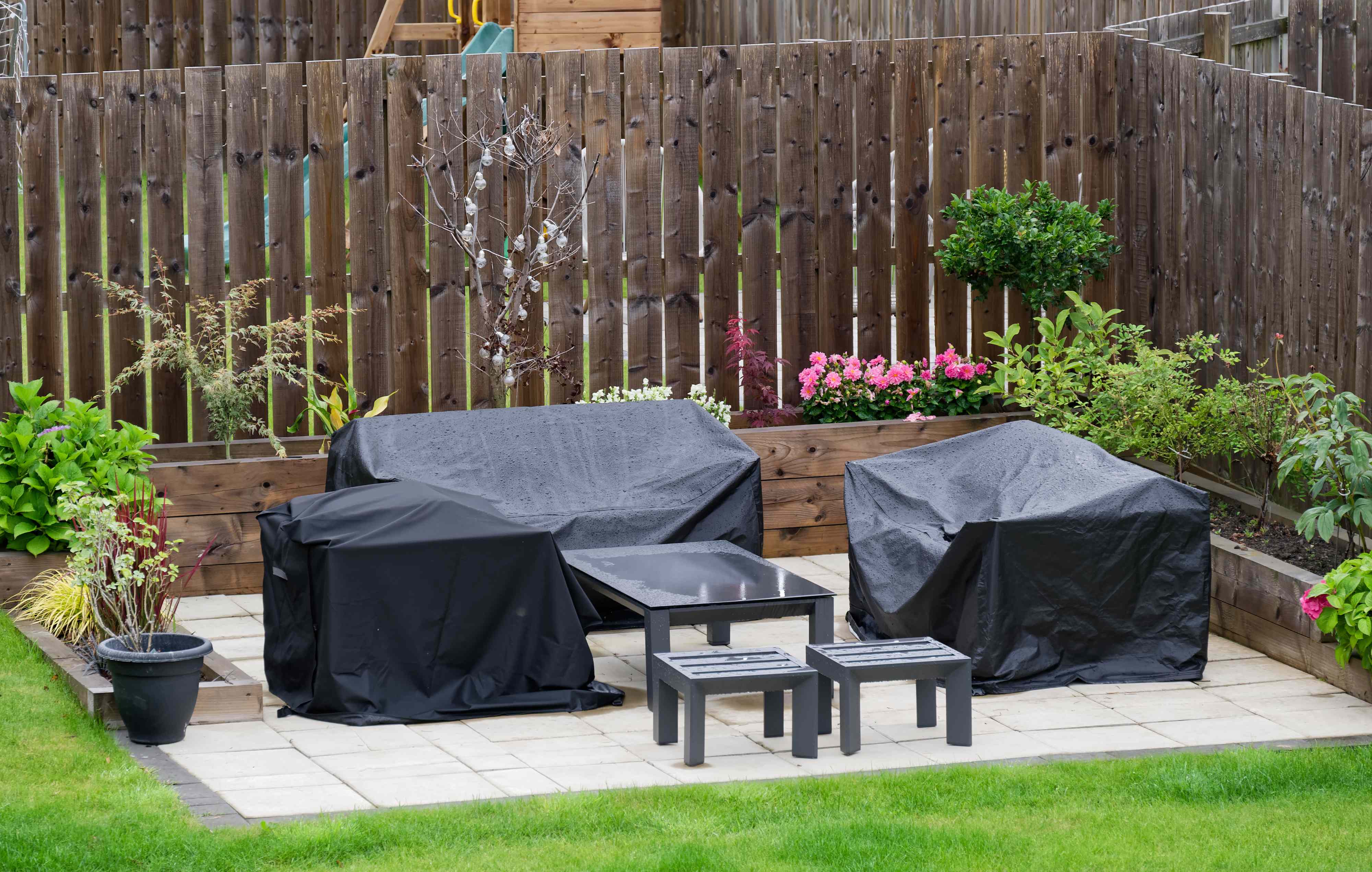
7. Visual Weight: The Hidden Design Factor
Visual weight refers to how “heavy” or “light” an object appears in a space.
Even when two covers are the same size, one can feel more intrusive.
Factors that increase visual weight:
Dark, saturated colors
Thick seams or piping
Overly wrinkled fabric
Glossy reflections
Factors that reduce visual weight:
Matte finishes
Soft edges
Neutral tones
Smooth tension across surfaces
In minimalist spaces, lower visual weight is almost always better.
8. Seasonal Considerations for Outdoor Covers
Outdoor covers are not static objects—they interact with weather, light, and seasonal context.
Spring & Summer
Dust and UV protection are key
Lighter tones may work better visually
Breathability becomes important
Fall
Leaf accumulation resistance matters
Slightly darker tones blend with environment
Winter
Heavy-duty waterproofing becomes critical
Snow load resistance is important
Structural shape retention matters most
A good minimalist cover performs consistently across all seasons without visually dominating any one of them.
9. Integration With Landscape Design
Outdoor furniture covers should not be treated separately from landscape design.
Ask:
Does the cover match patio stone color?
Does it complement surrounding wood tones?
Does it contrast too sharply with plants or fencing?
For example:
In a green-heavy garden → muted olive or gray blends best
On concrete rooftop → charcoal or taupe integrates better
Near wooden decks → warm gray or sand tones work well
The goal is visual harmony, not uniformity.
10. Storage vs. Always-On Covers
Some homeowners prefer to remove covers completely when not in use. Others keep them on year-round.
Always-on covers:
Best for:
Harsh climates
High UV exposure areas
Frequent rain or snow
Design requirement:
Must be aesthetically neutral at all times
Removable covers:
Best for:
Mild climates
Highly design-focused outdoor spaces
Design requirement:
Easier handling and storage
Less visual compromise
Minimalist spaces often prefer a hybrid approach: covers used strategically rather than constantly visible.
11. Hardware and Details That Matter More Than You Think
Even small details affect overall appearance.
Good design details:
Hidden zippers
Magnetic or concealed closures
Adjustable drawstrings with clean finish
Minimal branding
Avoid:
Large logos
Bright plastic buckles
Exposed Velcro
Excess stitching contrast
In minimalist design, hardware should disappear into the whole.
12. Common Mistakes That Ruin Outdoor Aesthetics
Even with good intentions, many setups fail visually because of avoidable mistakes.
Mistake 1: Over-sizing everything
Bigger is not better. Oversized covers look sloppy.
Mistake 2: Mixing different cover styles
A mismatched set of covers creates visual noise.
Mistake 3: Ignoring wind behavior
Loose covers that flap in wind destroy the calm aesthetic.
Mistake 4: Choosing purely functional designs
Utility without design consideration leads to visual imbalance.
13. How to Build a Cohesive Minimalist Outdoor Setup
To create a visually pleasing outdoor environment, covers should be treated as part of a system:
Furniture material
Flooring or decking
Plant selection
Lighting
Cover design
When all elements share a similar tone language, covers naturally blend in instead of standing out.
Think of it like architecture: every component contributes to the final visual experience.
14. Future Trends in Outdoor Furniture Covers
The market is shifting toward more design-conscious protection solutions.
Emerging trends include:
Neutral-toned premium fabrics designed for aesthetics, not just durability
Modular cover systems for flexible furniture arrangements
Eco-friendly recycled materials with matte finishes
Integrated storage solutions that hide covers when not in use
The direction is clear: covers are becoming design objects, not just protective tools.
15. Final Thoughts: Protection Should Never Compromise Beauty
Outdoor furniture covers used to be purely functional—something you hide when guests arrive. But in modern outdoor living, that mindset is outdated.
Today, even protective elements must respect the design language of the space.
A well-chosen cover should:
Protect without dominating
Blend without disappearing into ugliness
Support the overall aesthetic instead of interrupting it
Minimalist outdoor style is not about eliminating function. It’s about elevating function until it becomes invisible.
When done right, your outdoor space stays beautiful—even when everything is covered.
Need Help with Your Custom Project?
Have questions about materials, sizing, or looking for a quick quote? Drop us a message and our experts will respond within 24 hours.
Chat on WhatsApp
+1 (304) 356-6765
Send us an Email
hello@incustom.com
Picked for You