Mold and Moisture Prevention: How to Clean and Maintain Your Outdoor Protective Covers Regularly

Jul 08 2026
Outdoor protective covers are essential for keeping your furniture, equipment, vehicles, and outdoor belongings safe from changing weather conditions. Whether you use covers for patio furniture, grills, outdoor appliances, bicycles, or other valuable items, these protective layers help reduce damage caused by rain, sunlight, dust, and debris.
However, many people assume that simply covering an item is enough to keep it protected. In reality, outdoor covers also require regular cleaning and proper maintenance. Without routine care, moisture, dirt, and organic materials can accumulate on the surface, creating the perfect environment for mold, mildew, and unpleasant odors.
A well-maintained outdoor cover not only looks better but also performs more effectively. Regular cleaning helps preserve waterproof performance, extend product life, and ensure your outdoor belongings remain protected throughout every season.
This guide explains how to properly clean, maintain, and protect your outdoor covers from mold and moisture damage, helping you create a safer and cleaner outdoor environment.
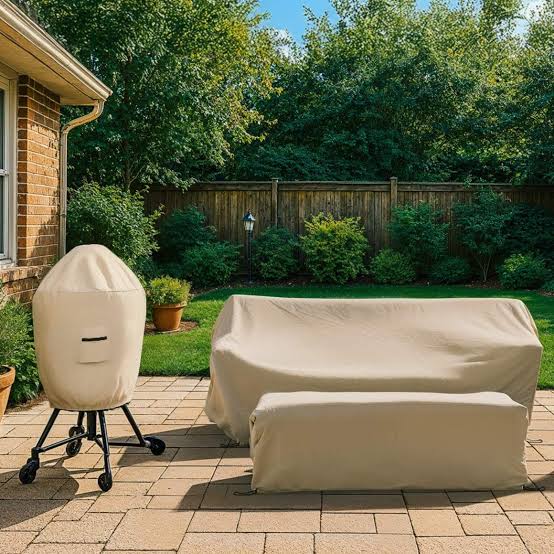
Why Outdoor Protective Covers Need Regular Maintenance
Outdoor covers are designed to withstand harsh conditions, but they are not maintenance-free.
Over time, covers are exposed to:
Rain and humidity
Dust and dirt
Tree leaves
Bird droppings
Pollen
Sunlight
Temperature changes
Wind-blown debris
These environmental factors gradually affect the fabric and protective coating.
Without proper care, problems may develop, including:
Mold growth
Mildew stains
Reduced water resistance
Fabric deterioration
Fading colors
Unpleasant smells
Weak seams and stitching
Regular maintenance prevents small issues from becoming expensive replacements.
Think of outdoor covers as protective equipment that also needs protection.
Understanding Mold and Mildew Growth on Outdoor Covers
Mold and mildew are common problems for outdoor fabrics because they thrive in environments with:
Moisture
Warm temperatures
Limited airflow
Organic materials
A cover that remains wet for long periods creates ideal conditions for fungal growth.
Common causes include:
Trapped Moisture
After rainfall, moisture may remain between the cover and the protected item.
If air cannot circulate, the damp environment may encourage mold development.
Dirt Accumulation
Dust, pollen, and organic debris provide nutrients that support mold growth.
Poor Storage Conditions
Folding a wet cover and storing it immediately can trap moisture inside the fabric.
Lack of Cleaning
Even high-quality covers need occasional washing to remove contaminants.
Understanding these causes helps you prevent problems before they appear.
Step One: Inspect Your Outdoor Cover Regularly
Before cleaning, develop the habit of checking your cover regularly.
A quick inspection can identify early warning signs.
Look for:
Dark spots
Green or black stains
Musty odors
Water absorption
Loose stitching
Cracks or peeling coatings
Accumulated dirt
The best time to inspect covers is:
After heavy rain
Before seasonal storage
At the beginning of outdoor seasons
After long periods of non-use
Early detection makes cleaning easier and helps prevent permanent damage.
Step Two: Remove Loose Dirt and Debris
Before applying any cleaning solution, remove surface debris.
Useful tools include:
Soft brushes
Microfiber cloths
Gentle cleaning brushes
Garden hoses
Avoid using harsh brushes because they may damage protective coatings or fabric fibers.
Start by:
Shaking off loose dust and leaves
Brushing away surface debris
Removing dirt from corners and seams
Checking areas where moisture collects
This simple step improves the effectiveness of deeper cleaning.
Step Three: Use the Right Cleaning Method
Different outdoor covers may require different cleaning approaches depending on the material.
Always check the manufacturer's care instructions first.
Common outdoor cover materials include:
Polyester
Oxford fabric
Vinyl
Canvas
Specialized waterproof fabrics
Although cleaning methods vary, most outdoor covers benefit from gentle care.
Basic Cleaning Process for Outdoor Covers
A general cleaning routine includes:
Prepare a Cleaning Area
Choose an open outdoor space.
Avoid cleaning on dirty surfaces that may transfer more debris.
Rinse the Cover
Use clean water to remove loose dirt.
Apply Mild Soap Solution
Mix mild detergent with water.
Avoid:
Strong bleach
Harsh chemicals
Abrasive cleaners
These may damage waterproof coatings.
Gently Scrub Problem Areas
Focus on:
Seams
Corners
Folded areas
Stained sections
Rinse Thoroughly
Remove all soap residue.
Remaining detergent may attract more dirt.
Allow Complete Drying
Never store a damp cover.
How to Remove Mold and Mildew Safely
When mold or mildew appears, quick action is important.
A careful cleaning process can help restore the cover.
Step One: Move the Cover Outdoors
Avoid cleaning moldy fabric in enclosed indoor spaces.
Outdoor cleaning reduces the chance of spreading spores inside your home.
Step Two: Brush Away Surface Growth
Use a soft brush to remove loose mold particles.
Do not aggressively scrub because this may push contamination deeper into the fabric.
Step Three: Apply a Suitable Cleaning Solution
A mild cleaning solution designed for outdoor fabrics is usually the safest option.
Always test a small hidden area first.
Step Four: Rinse Completely
Remove all cleaning residue.
Step Five: Dry Thoroughly
Sunlight and fresh air can help reduce remaining moisture.
However, avoid excessive direct sunlight exposure if the material is sensitive to UV damage.
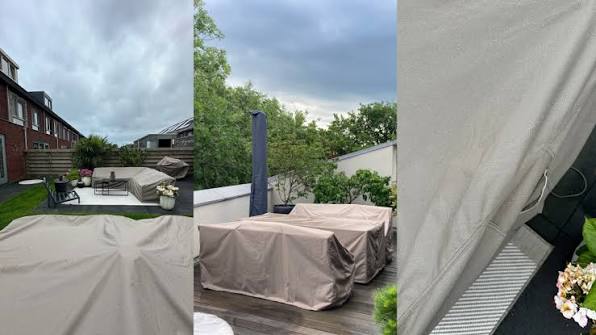
Preventing Moisture Buildup Under Outdoor Covers
Cleaning is important, but prevention is even better.
Several simple habits can reduce moisture problems.
Improve Air Circulation
Poor ventilation is one of the biggest causes of mold.
Whenever possible:
Leave space between the cover and the covered item
Avoid sealing wet items immediately
Allow airflow underneath the cover
For patio furniture covers, using support systems or cover frames can help prevent water pooling.
Avoid Covering Wet Items
Before placing a cover:
Make sure the item underneath is:
Dry
Clean
Free from leaves and debris
Covering wet furniture traps moisture and increases mold risk.
Choose Breathable Outdoor Covers
Waterproof protection does not always mean completely sealed.
High-quality outdoor covers often balance:
Water resistance
Air circulation
Moisture control
Breathable materials help reduce condensation buildup.
Maintain Waterproof Performance
Outdoor covers depend on protective coatings to resist moisture.
Over time, these coatings may weaken due to:
Sun exposure
Cleaning
Weather conditions
Normal wear
To maintain performance:
Clean gently
Avoid harsh chemicals
Follow manufacturer recommendations
Consider fabric protectors when appropriate
A well-maintained waterproof layer helps prevent moisture penetration.
Protect Covers From UV Damage
Moisture is not the only outdoor threat.
Sunlight can also weaken outdoor fabrics.
Long-term UV exposure may cause:
Fading
Fiber weakening
Cracking
Reduced flexibility
To extend cover life:
Use UV-resistant covers
Avoid unnecessary exposure when possible
Store covers during long periods of non-use
Keep fabric clean
A clean surface generally handles environmental stress better.
Proper Storage During Off-Seasons
Seasonal storage is an important part of outdoor cover maintenance.
Before storing:
Clean the cover completely
Remove all moisture
Check for damage
Fold carefully
Store in a dry location
Avoid storing covers:
In damp basements
Against wet walls
Inside unventilated containers
A dry storage environment prevents mold from developing during periods of inactivity.
Repair Small Problems Before They Become Bigger
Regular inspections allow you to identify minor damage early.
Common issues include:
Small tears
Loose stitching
Damaged zippers
Weak attachment points
Repairing small problems can extend the life of your cover.
A small tear may allow water inside, leading to larger moisture problems later.
Cleaning Frequency: How Often Should You Maintain Outdoor Covers?
The ideal cleaning schedule depends on:
Local weather conditions
Outdoor exposure
Material type
Usage frequency
General recommendations:
Light Use Areas
Clean every few months or when visible dirt appears.
High Humidity Areas
Inspect and clean more frequently.
Heavy Outdoor Exposure
Monthly inspections may be beneficial.
Before Storage
Always clean and dry before long-term storage.
Regular small maintenance is usually easier than dealing with serious mold damage.
Common Mistakes That Damage Outdoor Covers
Many cover problems are caused by incorrect maintenance.
Avoid these mistakes:
Using Harsh Chemicals
Strong cleaners may damage protective layers.
Storing Covers While Wet
This encourages mold growth.
Scrubbing Too Aggressively
Rough cleaning may weaken fabric.
Ignoring Small Stains
Small mold spots can spread.
Leaving Debris on the Cover
Organic materials increase moisture retention.
Assuming Waterproof Means Maintenance-Free
Even waterproof covers require care.
Choosing an Outdoor Cover That Is Easier to Maintain
When purchasing a new outdoor cover, consider features that support long-term care.
Useful features include:
Water-Resistant Materials
Helps protect against rain and humidity.
UV Protection
Reduces damage from sunlight.
Breathable Design
Allows moisture to escape.
Reinforced Seams
Improves durability.
Easy-Clean Fabric
Makes regular maintenance simpler.
A well-designed cover saves time and reduces replacement costs.
Creating a Simple Outdoor Cover Maintenance Routine
A practical routine does not need to be complicated.
Monthly:
Remove surface dirt
Check for moisture buildup
Inspect seams
Seasonally:
Deep clean the cover
Check waterproof performance
Repair minor damage
Before storage:
Wash
Dry completely
Store properly
Small habits create long-term protection.
Why Proper Cover Care Saves Money
Replacing outdoor covers frequently can become expensive.
Regular maintenance helps:
Extend fabric lifespan
Maintain appearance
Preserve protective features
Reduce replacement frequency
A few minutes of care can protect your investment for years.
Final Thoughts
Outdoor protective covers play an important role in keeping furniture, equipment, and outdoor belongings safe from weather damage. However, a cover can only perform well when it receives proper care.
Preventing mold and moisture problems requires a combination of regular cleaning, proper drying, good ventilation, and careful storage. By inspecting covers regularly, removing dirt promptly, maintaining waterproof performance, and choosing suitable materials, you can significantly extend the life of your outdoor protection products.
A clean and well-maintained outdoor cover not only protects your belongings but also creates a healthier and more comfortable outdoor environment.
With the right maintenance habits, your outdoor covers can continue providing reliable protection season after season.
If you have any questions about outdoor protective covers or need help choosing the right cover solution for your needs, please feel free to leave us a message for a personalized quote.
Need Help with Your Custom Project?
Have questions about materials, sizing, or looking for a quick quote? Drop us a message and our experts will respond within 24 hours.
Chat on WhatsApp
+1 (304) 356-6765
Send us an Email
hello@incustom.com
Picked for You