No Drills, No Damage The Magic of No-Drill Curtain Hooks Every Renter Should Know

Feb 10 2026
If you’ve ever rented an apartment, you know the struggle.
You move in.
You look at the bare windows.
You imagine soft light, privacy, and a space that finally feels like yours.
Then reality hits.
“No drilling.”
“No permanent changes.”
“No holes in the walls.”
Suddenly, something as basic as hanging curtains feels impossible.
For years, renters have been told there are only two choices:
Live without curtains
Risk losing your security deposit
But that’s no longer true.
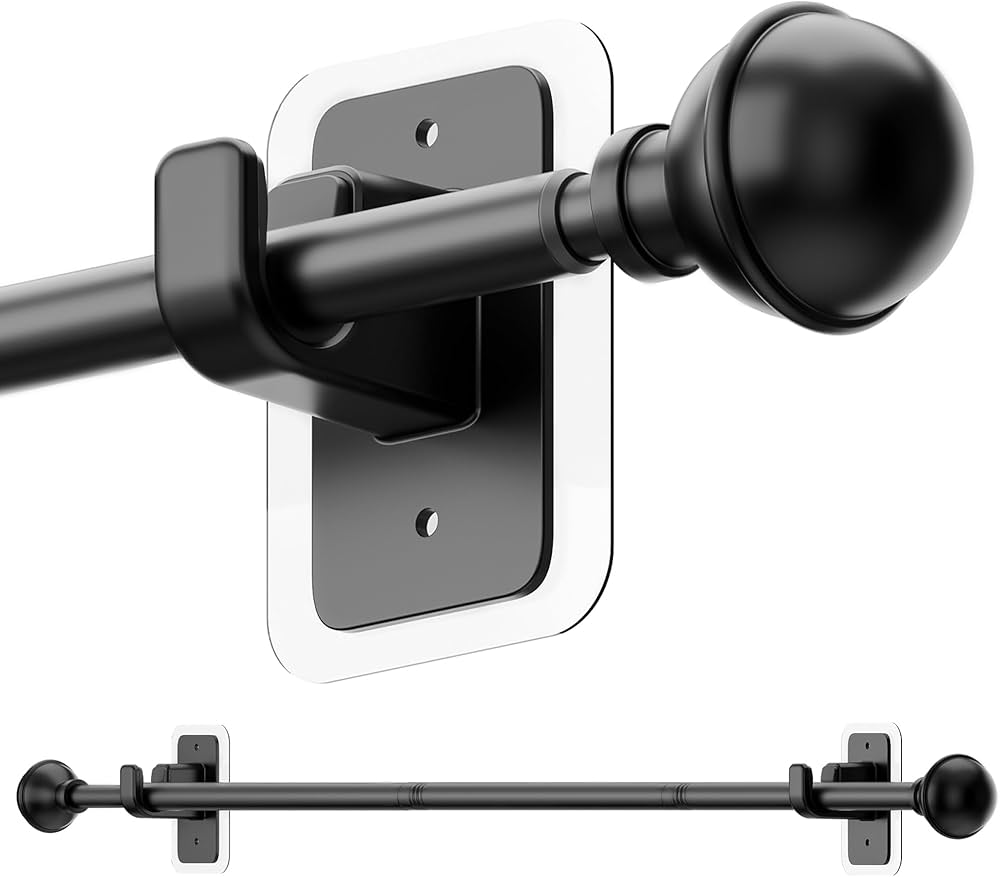
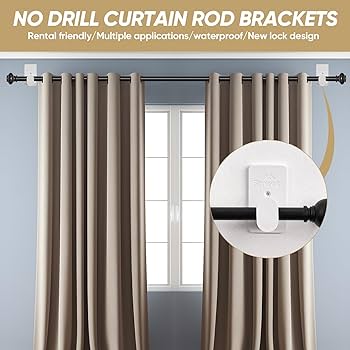
Thanks to a new generation of no-drill curtain hanging technology, renters can now enjoy real curtains—securely, beautifully, and without damaging a single surface.
Let’s talk about how it actually works.
Why Curtains Matter Even More in Rental Homes
In owned homes, curtains are décor.
In rental homes, they’re survival tools.
Curtains provide:
Privacy in unfamiliar spaces
Light control in poorly planned layouts
Insulation against heat, cold, and noise
A sense of comfort and ownership
Without curtains, rental spaces often feel temporary—even when you’re planning to stay for years.
That’s why renters care so deeply about window solutions.
The Old Myth: “You Must Drill to Hang Curtains”
For a long time, this myth went unquestioned.
Traditional curtain rods rely on:
Screws
Wall anchors
Permanent brackets
They assume:
Solid walls
Permission to drill
Long-term ownership
Renters usually have none of these.
So many people resorted to:
Tension rods that slip
Cheap adhesive hooks that fall
Improvised setups that look… improvised
The result? Frustration, damaged walls, and curtains that never quite feel right.
Enter No-Drill Curtain Hook Technology
No-drill curtain hooks aren’t a compromise.
They’re a redesign of the entire idea of hanging curtains.
Instead of asking:
“How do we attach this permanently?”
They ask:
“How do we hold weight securely without damage?”
That shift opens the door to smarter engineering.
How No-Drill Curtain Hooks Actually Work
Not all no-drill solutions are the same.
The most effective systems rely on mechanical grip and surface compatibility, not just sticky glue.
Here are the main technologies behind modern no-drill curtain hooks.
1. Pressure-Based Clamping Systems
These hooks use adjustable tension to grip window frames or wall edges.
They:
Apply outward pressure
Distribute force evenly
Avoid point stress
Unlike tension rods that rely on friction alone, these systems are engineered for stability.
They’re especially effective on:
Window frames
Alcoves
Solid trim
2. Advanced Adhesive Engineering (Not Regular Glue)
Cheap adhesive hooks fail because they use basic glue.
Modern no-drill hooks use:
Industrial-grade pressure-sensitive adhesives
Gel-based bonding layers
Materials designed to handle shear force (sideways weight)
These adhesives:
Bond without penetrating surfaces
Hold surprisingly high loads
Remove cleanly with proper technique
The difference is chemistry, not luck.
3. Structural Load Distribution Design
The smartest hooks don’t rely on a single stress point.
They:
Spread curtain weight across a wider area
Reduce peel force
Increase long-term stability
This is why well-designed no-drill hooks can hold real curtains, not just sheer panels.
What Surfaces Do No-Drill Hooks Work On?
Surface compatibility matters.
No-drill curtain hooks perform best on:
Smooth painted walls
Tile
Glass
Metal frames
Sealed wood
They struggle on:
Rough concrete
Unfinished brick
Peeling paint
Textured wallpaper
Understanding your surface is more important than the hook itself.
Can They Really Hold Heavy Curtains?
This is the most common question—and the most misunderstood.
The answer is: yes, with the right setup.
Factors that affect load capacity:
Number of hooks used
Distance between hooks
Curtain weight
Rod type
A common mistake is treating no-drill hooks like traditional brackets.
Instead of two heavy-duty points, you often use:
More hooks
Even spacing
Lightweight but strong rods
The result is balance—not brute force.
Why Renters Love No-Drill Curtain Systems
No-drill systems solve multiple renter pain points at once.
They:
Protect security deposits
Allow easy removal during moves
Work across different apartments
Reduce installation anxiety
For renters, flexibility isn’t a luxury—it’s a requirement.
Installation: Easier Than You Think
One of the biggest advantages of no-drill hooks is how approachable they are.
No:
Power tools
Wall anchors
Measuring stress
Most installations follow three simple steps:
Clean the surface thoroughly
Position and apply the hook
Wait for proper bonding time
That’s it.
The hardest part is patience—giving adhesives time to set.
Common Mistakes That Make No-Drill Hooks Fail
When people say “no-drill hooks don’t work,” it’s usually user error.
The most common mistakes include:
Skipping surface cleaning
Hanging weight immediately
Using too few hooks
Ignoring manufacturer guidelines
No-drill systems are engineered—but they still need correct use.
Design Matters: Not All Hooks Look Cheap
Early no-drill solutions had a reputation for looking temporary.
That’s changed.
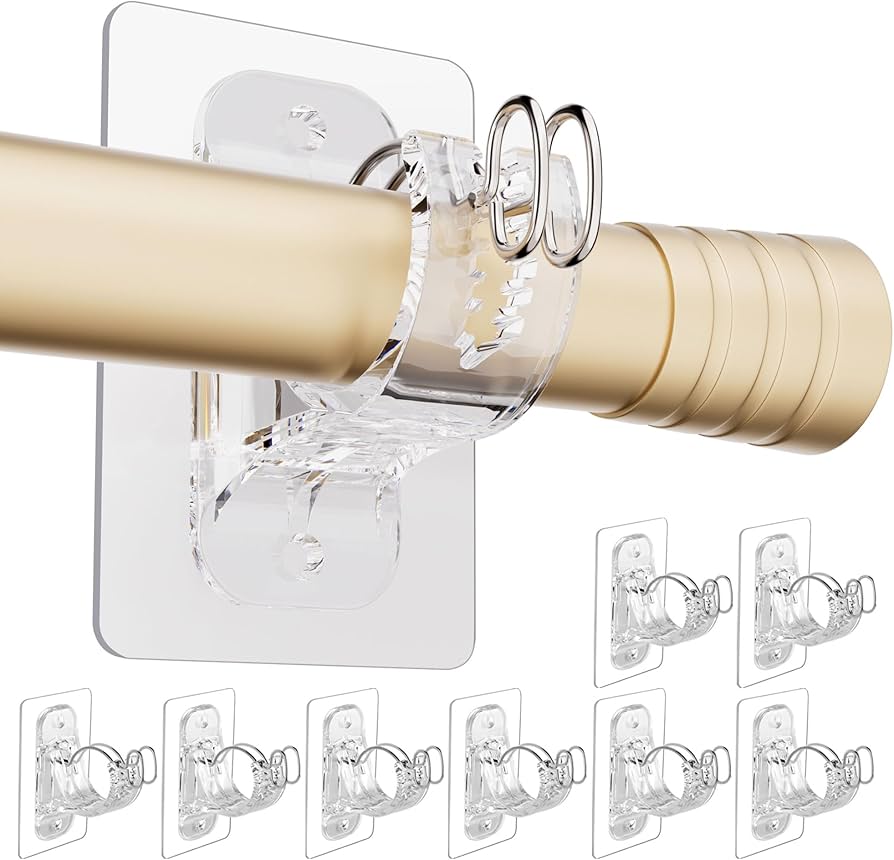
Modern designs offer:
Minimalist finishes
Neutral color palettes
Low-profile silhouettes
Hidden mounting systems
In many cases, guests won’t even realize your curtains are mounted without drilling.
That’s the real magic.
No-Drill Curtains and Rental Aesthetics
Renters often hesitate to invest in décor.
But no-drill curtain systems are reusable.
That means:
One purchase, multiple homes
Consistent style across moves
Less waste
Your curtains become part of your lifestyle—not the landlord’s property.
Comparing No-Drill Hooks vs. Tension Rods
Tension rods are popular—but limited.
Tension rods:
Work best inside narrow frames
Struggle with wide windows
Slip over time
No-drill hooks:
Support wider spans
Work on varied layouts
Offer better stability
For long-term use, hooks usually win.
Privacy Without Permission
One overlooked benefit of no-drill curtain systems is privacy autonomy.
You don’t need:
Approval
Maintenance requests
Awkward conversations
You decide when and how your space feels private.
That independence matters more than people admit.
No-Drill Solutions Beyond Curtains
Once renters discover no-drill technology, they start using it everywhere.
The same principles apply to:
Shelving
Mirrors
Wall organizers
Lighting
Curtains are often just the beginning.
Sustainability and No-Damage Design
Drilling creates waste:
Broken walls
Patch materials
Repainting
No-drill solutions reduce:
Construction debris
Repair chemicals
Unnecessary renovation
It’s a small change—but multiplied across millions of rentals, it adds up.
When No-Drill Might Not Be the Right Choice
Honesty matters.
No-drill hooks may not be ideal if:
You’re hanging extremely heavy blackout curtains
Walls are crumbling or unsealed
The window area experiences constant moisture
In those cases, alternative solutions or professional advice may be better.
The Psychology of Making a Rental Feel Like Home
Curtains do something powerful.
They:
Soften hard lines
Control how light enters
Create emotional warmth
When renters can hang curtains freely, spaces stop feeling borrowed.
They start feeling personal.
And that changes how people live in them.
Moving Day: The Hidden Advantage
When it’s time to move:
No holes to fill
No paint to match
No awkward explanations
You simply remove the hooks, pack them, and go.
Your next home benefits instantly.
The Future of Renter-Friendly Design
No-drill curtain technology reflects a larger shift.
Homes are no longer static.
People move more.
Spaces must adapt faster.
Design that respects:
Flexibility
Reversibility
User control
Isn’t a trend—it’s the future.
Final Thoughts: Freedom Without Damage
For years, renters were told to accept less.
Less comfort.
Less privacy.
Less control.
No-drill curtain hook technology quietly changes that narrative.
You don’t need permission to feel at home.
You don’t need tools to create beauty.
You don’t need holes to hang curtains.
Sometimes, the smartest solutions don’t make noise.
They just work—cleanly, quietly, and without leaving a trace.
And for renters, that’s not just convenient.
It’s freedom.
Need Help with Your Custom Project?
Have questions about materials, sizing, or looking for a quick quote? Drop us a message and our experts will respond within 24 hours.
Chat on WhatsApp
+1 (304) 356-6765
Send us an Email
hello@incustom.com
Picked for You