No Fading, No Rust: 5 Essential Tips to Protect Outdoor Furniture for Long-Lasting Beauty

Jun 23 2026
Outdoor furniture is more than just functional seating or dining space—it is an extension of your home’s lifestyle. Whether it’s a backyard patio, a poolside lounge area, or a garden retreat, outdoor furniture defines how you experience your outdoor environment.
But there is one constant enemy every outdoor setup faces: time and exposure.
Sunlight fades colors. Rain causes rust. Humidity encourages mold. Temperature swings weaken materials. Without proper care, even high-quality furniture can quickly lose its appearance and structural integrity.
The good news is that with the right maintenance strategy, you can dramatically extend the life of your outdoor furniture and keep it looking fresh for years. This guide breaks down five essential, practical, and highly effective techniques to prevent fading and rust while preserving both beauty and durability.
Why Outdoor Furniture Deteriorates Over Time
Before diving into solutions, it’s important to understand the root causes of damage.
Outdoor furniture is constantly exposed to:
Ultraviolet (UV) radiation
Moisture and humidity
Oxygen (which causes oxidation)
Temperature fluctuations
Dirt, pollen, and pollutants
Different materials respond differently:
Metal rusts due to oxidation
Wood fades, cracks, or warps
Plastic becomes brittle and discolored
Fabric loses color and develops mildew
Even premium materials from brands like Herman Miller or Brown Jordan can degrade over time without proper maintenance.
Tip #1: Choose Weather-Resistant Materials from the Start
The best protection begins before you even buy furniture.
Best materials for outdoor durability:
Aluminum
Lightweight
Naturally rust-resistant
Easy to maintain
Ideal for humid climates
Stainless Steel
Strong and durable
Resistant to corrosion (especially marine-grade)
Suitable for modern outdoor designs
Teak Wood
Naturally oily and water-resistant
Ages into a silver-gray patina
Extremely durable with proper care
High-Quality Resin or HDPE
UV-resistant
Fade-resistant
Low maintenance
Choosing the right material significantly reduces long-term maintenance needs.
However, even durable materials require protection from prolonged exposure.
Tip #2: Apply Protective Coatings Regularly
One of the most effective ways to prevent fading and rust is to create a protective barrier between the furniture and the environment.
For metal furniture:
Use:
Anti-rust primers
Clear protective sealants
Powder-coated finishes
Powder coating is especially effective because it creates a thick, durable layer that resists moisture and scratches.
For wooden furniture:
Use:
Teak oil
Wood sealants
UV-protective varnishes
These coatings help prevent:
Drying and cracking
UV-induced fading
Water absorption
For plastic and resin furniture:
Use:
UV-protective sprays
Plastic conditioners
These help maintain color vibrancy and prevent brittleness.
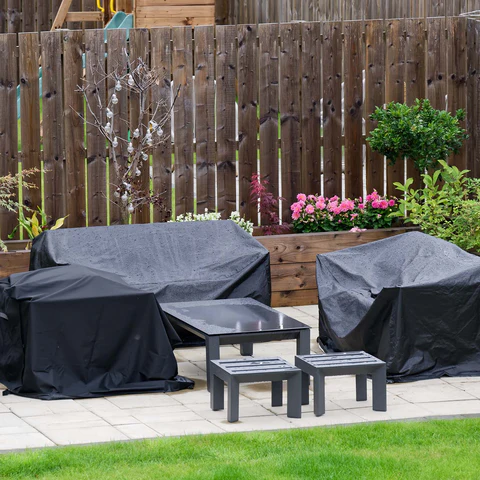
Tip #3: Use Furniture Covers the Right Way
Protective covers are one of the simplest and most effective defenses against outdoor damage.
However, not all covers are equal, and improper use can sometimes cause more harm than good.
Benefits of furniture covers:
Blocks UV exposure
Prevents rain and snow damage
Reduces dust and dirt buildup
Minimizes temperature-related wear
Best practices:
Choose breathable materials to prevent condensation
Ensure proper fit (not too tight, not too loose)
Secure covers against wind
Avoid placing covers on wet furniture
Manufacturers like Classic Accessories specialize in durable outdoor furniture covers designed for year-round protection.
Common mistake to avoid:
Never trap moisture under a cover. This can accelerate mold growth and even cause metal corrosion.
Tip #4: Clean Furniture Regularly and Correctly
Cleaning is one of the most overlooked but critical aspects of outdoor furniture care.
Dirt, salt, pollen, and pollutants can accelerate material degradation over time.
Cleaning metal furniture:
Use mild soap and warm water
Wipe dry immediately
Avoid abrasive scrubbing pads
Inspect for early signs of rust
Cleaning wooden furniture:
Use soft brushes and gentle cleaners
Avoid high-pressure washing
Dry thoroughly after cleaning
Reapply oil or sealant after deep cleaning
Cleaning fabric cushions:
Use fabric-safe cleaners
Air dry completely
Store indoors during heavy rain seasons
Regular cleaning not only improves appearance but also prevents long-term structural damage.
Tip #5: Control Exposure to Sun and Moisture
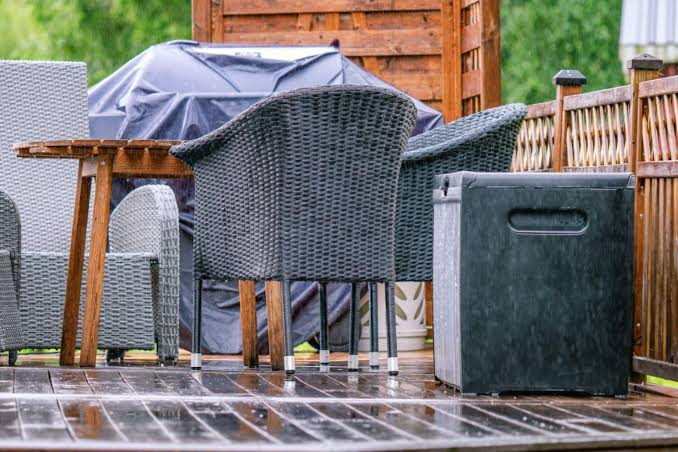
Even the best materials degrade when constantly exposed to harsh environmental conditions.
Reduce UV exposure:
Place furniture under shade structures
Use umbrellas or pergolas
Rotate furniture periodically to balance sun exposure
Reduce moisture exposure:
Elevate furniture slightly off the ground
Ensure proper drainage in outdoor areas
Avoid leaving furniture in standing water
For coastal environments, salt air is especially corrosive. Extra rinsing with fresh water is highly recommended.
Bonus Tip: Seasonal Maintenance Matters
Outdoor furniture requires different care depending on the season.
Spring:
Deep clean all furniture
Inspect for winter damage
Reapply protective coatings
Summer:
Focus on UV protection
Use covers during extreme heat
Clean sweat and sunscreen residue
Fall:
Remove fallen leaves and debris
Prepare furniture for colder months
Check for rust or cracks
Winter:
Store furniture indoors if possible
Use heavy-duty waterproof covers
Avoid snow accumulation
How Rust and Fading Actually Begin
Understanding the science behind deterioration helps you prevent it more effectively.
Rust formation:
Rust occurs when iron reacts with oxygen and moisture, forming iron oxide. This process accelerates in humid or salty environments.
Fading:
UV radiation breaks down chemical bonds in pigments and finishes, causing color loss over time.
Once these processes begin, they tend to accelerate unless stopped early.
The Role of High-Quality Manufacturing
Not all outdoor furniture is created equal. Construction quality plays a huge role in longevity.
Premium outdoor furniture often includes:
Powder-coated aluminum frames
UV-stabilized plastics
Marine-grade stainless steel
High-density synthetic wicker
Brands like Gloster and Dedon are known for producing high-end outdoor furniture designed for durability in extreme conditions.
However, even the best products benefit from proper maintenance.
Smart Storage Solutions for Long-Term Protection
If you live in an area with harsh winters or heavy rainfall, storage is essential.
Ideal storage options:
Garage or shed storage
Covered patios
Weatherproof storage boxes
Storage tips:
Always clean furniture before storing
Ensure everything is fully dry
Disassemble large pieces if possible
Use protective padding between stacked items
Proper storage can extend furniture lifespan by several years.
Common Mistakes That Damage Outdoor Furniture
Many homeowners unknowingly shorten the life of their furniture by:
Leaving cushions outside year-round
Using harsh chemical cleaners
Ignoring early signs of rust
Storing wet furniture
Skipping seasonal maintenance
Avoiding these mistakes alone can significantly improve durability.
When to Repair vs. Replace Outdoor Furniture
Even well-maintained furniture eventually shows wear.
Repair if:
Surface rust is minimal
Cushions are faded but intact
Wood has minor cracks or dryness
Replace if:
Structural integrity is compromised
Rust has spread deeply
Materials are breaking down extensively
Timely decisions can save money and maintain safety.
Conclusion: Long-Term Beauty Is All About Consistency
Protecting outdoor furniture from fading and rust is not about one-time fixes—it’s about consistent care and smart prevention.
By choosing the right materials, applying protective coatings, using covers properly, cleaning regularly, and controlling environmental exposure, you can significantly extend the life and beauty of your outdoor space.
Outdoor furniture is an investment in lifestyle and comfort. With the right maintenance habits, it can remain vibrant, strong, and inviting for many years—season after season, weather after weather.
In the end, durability is not just built in the factory—it is maintained at home.
Need Help with Your Custom Project?
Have questions about materials, sizing, or looking for a quick quote? Drop us a message and our experts will respond within 24 hours.
Chat on WhatsApp
+1 (304) 356-6765
Send us an Email
hello@incustom.com
Picked for You