Outdoor Garden Construction Pitfall Guide: How to Effectively Avoid Drainage and Structural Problems

Jul 28 2026
A well-designed outdoor garden can completely transform a property. A carefully planned landscape creates a relaxing outdoor retreat, improves curb appeal, increases property value, and provides a comfortable space for entertaining family and friends. However, many homeowners discover that the beauty of a garden depends on much more than choosing attractive plants, stylish furniture, or decorative features.
Behind every successful outdoor space is a strong foundation: proper drainage, stable structures, and thoughtful construction planning.
Unfortunately, many garden construction problems do not appear immediately. A newly installed patio may look perfect during the first few months, but later develop cracks and uneven surfaces. A retaining wall may appear strong at completion but begin leaning after heavy rainfall. A beautifully landscaped yard may slowly become a muddy area because water has nowhere to go.
These problems are not usually caused by bad luck. They are often the result of overlooked details during the planning and construction stages.
Whether you are building a backyard garden, installing a patio, creating a landscape design, or upgrading an outdoor living area, understanding common construction mistakes can help you avoid expensive repairs in the future.
This guide explains the most common drainage and structural problems in outdoor garden construction and provides practical solutions to help homeowners, contractors, and property developers create durable outdoor spaces.
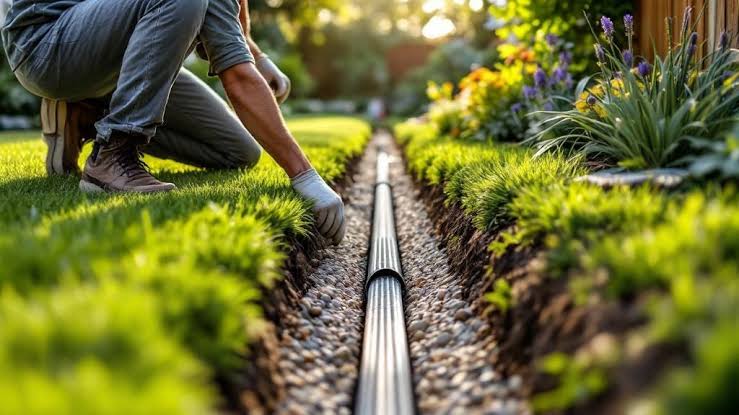
1. The Hidden Importance of Drainage in Outdoor Garden Construction
Many homeowners focus on the visible parts of a garden project:
- Beautiful plants
- Decorative stones
- Outdoor lighting
- Comfortable seating areas
- Attractive pathways
However, one of the most important systems is often hidden underground: drainage.
Water is one of the biggest threats to outdoor structures. Rainwater, irrigation water, and groundwater can gradually damage soil stability, weaken foundations, and destroy landscaping features if they are not properly managed.
A garden without a reliable drainage plan can experience:
- Standing water after rain
- Soil erosion
- Plant root damage
- Mold and algae growth
- Cracked patios
- Foundation movement
- Retaining wall failure
- Flooding near the home
Good garden construction is not about removing all water from the landscape. Plants need moisture, and soil needs hydration. The goal is to control water movement and guide it to the right locations.
A professional drainage system should answer three important questions:
- Where does water come from?
- Where does water naturally flow?
- Where should excess water be redirected?
Ignoring these questions is one of the most common mistakes in outdoor construction.
2. Common Drainage Mistakes That Cause Expensive Repairs
Mistake #1: Building Without Understanding Natural Water Flow
Every property has a natural drainage pattern. Even a flat-looking yard has subtle slopes that determine where rainwater travels.
One common mistake is installing patios, walkways, or garden structures without studying the existing landscape.
For example, a homeowner may build a beautiful stone patio directly beside the house without considering slope direction. During heavy rain, water may collect against the foundation, creating moisture problems inside the home.
Before construction begins, evaluate:
- Existing slopes
- Low areas where water collects
- Soil absorption ability
- Nearby structures
- Roof drainage locations
A properly designed garden should work with the land rather than fight against it.
Mistake #2: Ignoring Soil Conditions
Soil plays a major role in outdoor construction stability.
Different soil types behave differently when exposed to water.
Clay Soil
Clay soil holds water for long periods. It expands when wet and contracts when dry. This movement can create pressure on patios, retaining walls, and foundations.
Sandy Soil
Sandy soil drains quickly but may lack stability if not properly compacted.
Mixed Soil
Many residential properties contain mixed soil conditions, making professional evaluation important before major construction.
A common construction mistake is placing heavy structures on untreated soil.
Without proper preparation, the ground may:
- Sink unevenly
- Shift over time
- Create cracks
- Damage surfaces above
Before installing structures such as patios, decks, outdoor kitchens, or retaining walls, contractors should evaluate soil conditions and prepare the base properly.
3. How to Design an Effective Garden Drainage System
A successful drainage solution does not always require complicated technology. The key is choosing the right method based on the landscape.
French Drains
French drains are one of the most popular drainage solutions for residential gardens.
A typical French drain includes:
- A perforated pipe
- Gravel layer
- Filter fabric
- Proper slope direction
The system collects underground water and redirects it away from problem areas.
French drains are especially useful for:
- Waterlogged lawns
- Areas near foundations
- Sloped landscapes
- Garden beds with poor drainage
Surface Drainage Channels
Surface drains collect visible water from areas such as:
- Patios
- Driveways
- Walkways
- Outdoor kitchens
These systems help prevent standing water by quickly moving rainfall away.
They are particularly useful in regions with:
- Heavy storms
- Seasonal rainfall
- Poor natural drainage
Grading and Slope Management
Proper grading is one of the simplest and most effective drainage strategies.
The ground around outdoor structures should usually slope away from buildings and important structures.
Incorrect grading can cause:
- Basement moisture problems
- Foundation damage
- Landscape erosion
A professional landscape contractor will carefully shape the land before installing decorative elements.
The goal is not simply to make the garden look level. The goal is to create controlled water movement.
4. Avoiding Patio and Hardscape Structural Problems
Outdoor patios are among the most popular garden upgrades. They create functional spaces for dining, relaxation, and entertainment.
However, patio failures are extremely common when construction basics are ignored.
Problem: Poor Base Preparation
The base underneath a patio is just as important as the surface material.
A patio installed directly on loose soil may eventually:
- Sink
- Crack
- Separate
- Become uneven
A strong patio usually requires:
- Excavation of unstable soil
- Proper compacted gravel base
- Correct leveling
- Appropriate drainage layer
- Professional installation of surface materials
The visible stone or concrete is only the final layer of a much larger system.
Problem: Incorrect Material Selection
Different outdoor areas require different materials.
For example:
- Natural stone may provide a premium appearance but requires proper installation.
- Concrete offers durability but needs expansion planning.
- Brick creates a classic look but requires a stable base.
- Porcelain pavers provide modern aesthetics but need precise installation.
Choosing materials only based on appearance can create long-term problems.
Important factors include:
- Climate conditions
- Freeze-thaw cycles
- Rain exposure
- Foot traffic
- Maintenance expectations
A beautiful material that cannot handle local conditions may become a costly mistake.
5. Retaining Wall Construction: Avoiding Structural Failure
Retaining walls are both decorative and functional. They help manage slopes, prevent erosion, and create different levels within a garden.
However, retaining walls are also one of the most frequently misunderstood landscape structures.
A retaining wall is not simply a stack of blocks or stones. It is an engineered structure that must handle pressure from soil and water.
Common Retaining Wall Mistakes
Poor Drainage Behind the Wall
Water pressure is one of the biggest causes of retaining wall failure.
When water collects behind a wall, it creates additional force that pushes against the structure.
A properly built retaining wall should include:
- Drainage gravel
- Drainage pipe
- Proper backfill materials
- Water management planning
Without drainage, even a strong-looking wall can eventually move or collapse.
Insufficient Foundation Preparation
The first layer of a retaining wall determines the stability of the entire structure.
Common mistakes include:
- Installing directly on loose soil
- Skipping compacted base materials
- Ignoring ground movement
A stable foundation helps the wall withstand seasonal changes and weather conditions.
Building Beyond Structural Limits
Every retaining wall has limits.
The taller the wall, the greater the pressure behind it.
For higher walls, professional engineering advice may be necessary.
Attempting to build a large retaining wall without proper planning can create safety risks and expensive repairs.
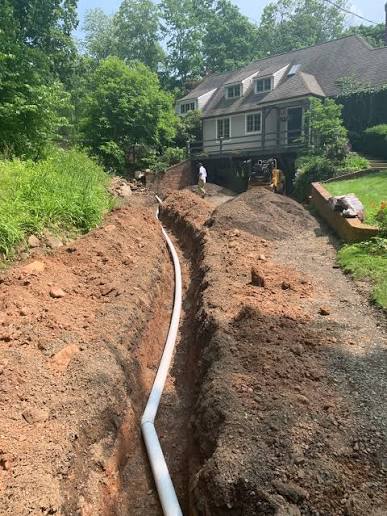
6. Protecting Outdoor Garden Structures From Water Damage
Water is not only a drainage issue. It is also a structural issue.
Many outdoor features are constantly exposed to changing weather conditions. Rain, humidity, temperature changes, and soil movement can gradually weaken construction materials if protective measures are ignored.
Whether you are installing an outdoor kitchen, pergola, garden wall, pathway, or entertainment area, long-term durability depends on how well the structure handles environmental pressure.
Outdoor Kitchens and Built-In Features
Outdoor kitchens have become increasingly popular in modern backyard designs. They provide additional living space and improve outdoor entertainment experiences.
However, outdoor kitchens require careful planning because they combine:
- Heavy construction materials
- Plumbing systems
- Electrical components
- Heat sources
- Weather exposure
One common mistake is installing outdoor kitchen structures without considering water drainage.
Rainwater should never be allowed to collect around:
- Cabinets
- Countertops
- Appliances
- Electrical connections
Standing water can cause:
- Corrosion
- Material deterioration
- Mold growth
- Electrical hazards
A successful outdoor kitchen design should include:
- Slight surface slopes
- Waterproof construction materials
- Proper drainage channels
- Weather-resistant finishes
The goal is to make the outdoor kitchen function like an extension of the home rather than a temporary outdoor installation.
7. Preventing Landscape Erosion Problems
Erosion is one of the most overlooked problems in outdoor garden construction.
Many homeowners notice erosion only after soil has already disappeared from garden beds, slopes, or around structures.
Common signs of erosion include:
- Exposed plant roots
- Small channels forming in soil
- Washed-away mulch
- Uneven garden areas
- Soil collecting near walkways
Erosion usually occurs because water moves too quickly across the landscape.
How to Control Garden Erosion
Use Proper Ground Cover
Plants are not only decorative. Their root systems help hold soil together.
Effective erosion-control plants often include:
- Ground-cover plants
- Shrubs with strong root systems
- Native plants adapted to local conditions
A healthy landscape naturally protects itself.
Install Retaining Features Where Necessary
Sloped properties may require additional support, such as:
- Retaining walls
- Terraced garden beds
- Stone barriers
- Drainage channels
These features slow water movement and protect soil stability.
Apply Mulch Correctly
Mulch helps reduce water impact during rainfall.
However, incorrect mulch installation can create problems.
Too much mulch around plant bases can trap moisture and encourage disease.
Proper application improves:
- Moisture control
- Soil protection
- Temperature regulation
8. The Importance of Expansion and Movement Planning
Many outdoor construction failures happen because builders forget that outdoor materials move.
Unlike indoor spaces, outdoor structures experience:
- Hot summers
- Cold winters
- Rain cycles
- Soil expansion
- Ground settlement
Materials naturally expand and contract.
If there is no room for movement, pressure builds and causes damage.
Concrete Cracking Problems
Concrete patios, walkways, and outdoor slabs commonly develop cracks when:
- The base is unstable
- Expansion joints are missing
- Reinforcement is insufficient
- Water damages the foundation
Small cracks may seem harmless, but they can allow water to enter and create larger problems over time.
Proper construction should include:
- Stable preparation layers
- Correct reinforcement methods
- Expansion planning
- Appropriate sealing
Paver Movement Problems
Pavers are popular because they offer flexibility and attractive designs.
However, improperly installed pavers can:
- Shift
- Sink
- Create uneven surfaces
The main causes are usually:
- Poor compaction
- Incorrect edge restraints
- Weak base materials
- Water infiltration
A properly installed paver system should have a strong foundation underneath, not just carefully arranged surface stones.
9. Choosing the Right Materials for Long-Term Garden Performance
Material selection is one of the most important decisions in outdoor construction.
A material may look beautiful in a showroom but perform poorly in real outdoor conditions.
Before choosing materials, consider:
Climate
Different regions experience different challenges.
For example:
- Hot climates require UV-resistant materials.
- Cold climates require freeze-resistant materials.
- Wet climates require moisture-resistant solutions.
Maintenance Requirements
Some materials require regular maintenance.
Ask:
- How often does it need sealing?
- Is cleaning difficult?
- Does it stain easily?
- Will repairs be simple?
A slightly higher initial investment may reduce future maintenance costs.
Safety Considerations
Outdoor surfaces should also be practical.
Important factors include:
- Slip resistance
- Surface texture
- Stability
- Heat absorption
A beautiful patio that becomes dangerously slippery after rain is not a successful design.
10. Common DIY Garden Construction Mistakes
DIY outdoor projects can be rewarding and cost-effective. Small projects such as planting, decorating, and minor improvements are often manageable for homeowners.
However, some construction tasks require professional knowledge.
Many expensive repairs begin with simple mistakes during DIY installation.
Mistake #1: Underestimating Ground Preparation
Many people focus on the visible finish but ignore what happens underneath.
A patio, walkway, or wall depends heavily on:
- Excavation depth
- Soil preparation
- Base materials
- Compaction quality
Skipping these steps may save time initially but often creates larger repair costs later.
Mistake #2: Ignoring Local Weather Conditions
A construction method that works in one region may fail in another.
For example:
A drainage solution designed for a dry climate may not handle heavy rainfall.
A patio design suitable for warm weather may crack in areas with freezing temperatures.
Always consider:
- Local rainfall patterns
- Temperature changes
- Soil conditions
- Seasonal weather challenges
Mistake #3: Focusing Only on Appearance
A garden should be beautiful, but beauty without functionality creates problems.
A successful outdoor space needs balance between:
- Design
- Drainage
- Safety
- Structural strength
- Maintenance needs
The best landscapes are not only attractive on the first day. They remain reliable for many years.
11. A Practical Outdoor Garden Construction Checklist
Before starting any major garden project, review the following checklist.
Before Construction
✔ Study existing drainage patterns
✔ Test soil conditions
✔ Identify water collection areas
✔ Plan slopes and grading
✔ Select suitable materials
✔ Check local construction requirements
During Construction
✔ Prepare foundations properly
✔ Compact base materials
✔ Install drainage systems correctly
✔ Use appropriate waterproofing methods
✔ Follow structural guidelines
✔ Inspect hidden areas before covering them
After Construction
✔ Monitor water movement after rainfall
✔ Check for early signs of settlement
✔ Maintain drainage channels
✔ Repair small issues quickly
✔ Schedule seasonal inspections
Early attention prevents minor problems from becoming major failures.
12. Why Professional Planning Matters for Complex Outdoor Projects
Some outdoor improvements appear simple but involve multiple construction systems working together.
For example, a backyard renovation may include:
- Landscape design
- Drainage engineering
- Masonry work
- Concrete installation
- Electrical planning
- Irrigation systems
When these systems are not coordinated, problems often appear.
Professional contractors understand how different elements interact.
A qualified outdoor construction team can help:
- Identify hidden risks
- Select suitable materials
- Create proper drainage plans
- Build stable structures
- Reduce future repair costs
The purpose of professional planning is not simply to increase project costs. It is to protect the investment and ensure the finished garden performs well for years.
13. Long-Term Maintenance: Protecting Your Outdoor Investment
Even a professionally built garden requires maintenance.
Proper maintenance extends the lifespan of outdoor structures and prevents unexpected damage.
Maintain Drainage Systems
Regularly inspect:
- Drain covers
- Gutters
- French drains
- Drainage channels
Remove:
- Leaves
- Dirt
- Plant debris
Blocked drainage systems can quickly create water problems.
Inspect Hardscape Areas
Check patios, pathways, and walls for:
- Cracks
- Uneven surfaces
- Loose materials
- Water stains
Small repairs are usually easier and less expensive than complete reconstruction.
Manage Plants Properly
Plants can affect structures.
Large roots may:
- Damage paving
- Block drainage systems
- Lift surfaces
Choose plants according to their mature size and growth patterns.
Good landscape planning considers both current appearance and future growth.
14. Final Thoughts: Build a Garden That Lasts
Outdoor garden construction is not only about creating a beautiful environment. It is about creating a space that can withstand weather, water, and time.
The biggest mistakes usually happen when homeowners focus only on what they can see and ignore the systems underneath.
Proper drainage, stable foundations, suitable materials, and thoughtful planning are the key elements of a successful outdoor project.
A garden should not only look impressive when it is newly completed. It should remain safe, functional, and attractive years later.
By understanding common construction pitfalls and addressing potential problems before they happen, homeowners can avoid unnecessary repair costs and enjoy a more reliable outdoor living space.
A well-built garden is an investment in comfort, property value, and quality of life.
Take the time to plan correctly, manage water effectively, and build with durability in mind. The result will be an outdoor space that continues to perform beautifully through every season.
Have questions about your outdoor garden construction project or need professional advice? Feel free to contact us for a customized solution and pricing. We welcome your inquiries and look forward to helping you create a durable and beautiful outdoor space.
Need Help with Your Custom Project?
Have questions about materials, sizing, or looking for a quick quote? Drop us a message and our experts will respond within 24 hours.
Chat on WhatsApp
+1 (304) 356-6765
Send us an Email
hello@incustom.com
Picked for You