
Venturing into the great outdoors for the first time can be both thrilling and overwhelming. The fresh air, open skies, and the promise of adventure are enticing—but for newcomers, the sheer variety of outdoor gear can be intimidating. From tents and backpacks to hiking boots and multi-tools, the choices are endless. Selecting the wrong piece of equipment can turn a dream camping trip into a frustrating experience.
Whether your goal is a weekend hike, a camping getaway, or a multi-day backpacking adventure, understanding how to choose the right gear is critical. Not only will it enhance your experience, but it can also ensure your safety, comfort, and overall enjoyment.
In this guide, we’ll break down the process of selecting your first outdoor equipment. We’ll discuss the key categories, what to consider when purchasing, and practical tips to help you start your outdoor journey on the right foot.
Understanding Your Outdoor Needs
Before purchasing any gear, it’s crucial to understand your intended activities. Outdoor adventures vary widely, and equipment that works for one activity may not be ideal for another.
Determine Your Adventure Type
Ask yourself:
- Are you planning day hikes, weekend camping, or multi-day backpacking trips?
- Will you be in forests, mountains, deserts, or near water?
- Are you traveling solo or with a group?
Your answers will influence the type of gear you need. For example, a lightweight daypack might suffice for a short hike, but multi-day trips require a larger backpack with more storage and comfort features.
Consider the Season and Weather
Weather conditions play a significant role in gear selection. Key considerations include:
- Temperature ranges
- Rainfall probability
- Snow or icy conditions
- Wind exposure
Properly matching your gear to the environment will enhance comfort and safety. A sleeping bag rated for summer use will not protect you in a cold mountain campsite.
Essential Categories of Outdoor Gear
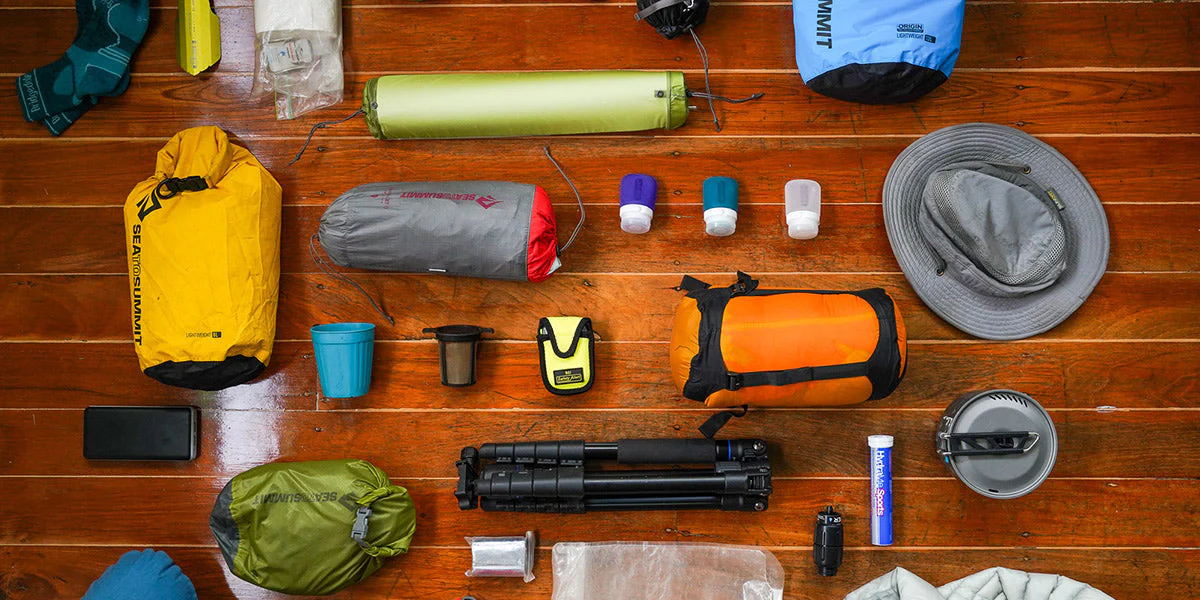
Newcomers often make the mistake of buying too much or too little gear. Focusing on essentials ensures a balanced approach.
1. Footwear
The right footwear is arguably the most important piece of outdoor equipment. Your feet carry you through the entire adventure, and discomfort or injuries can ruin the experience.
Hiking Boots vs. Trail Shoes
- Hiking boots: Offer ankle support and protection for rough terrain. Ideal for multi-day hikes and uneven trails.
- Trail running shoes: Lighter, more flexible, and suitable for shorter hikes on well-maintained trails.
Key Features to Consider
- Fit: Always try shoes with hiking socks. There should be enough room for toes without slipping at the heel.
- Traction: Aggressive tread patterns provide better grip on slippery or rocky surfaces.
- Waterproofing: Gore-Tex or similar membranes protect feet in wet conditions but may reduce breathability.
- Break-in period: Some boots require several hikes before full comfort is achieved.
2. Backpacks
Your backpack is your mobile storage and comfort hub. It carries water, food, clothing, and other essentials.
Selecting the Right Size
- Daypacks (15–30 liters): Perfect for day hikes and short trips.
- Overnight packs (30–50 liters): Suitable for one- to two-night trips.
- Multi-day packs (50+ liters): Designed for extended adventures with heavier loads.
Fit and Comfort
- Look for adjustable shoulder straps and hip belts.
- Ensure weight is distributed evenly across shoulders and hips.
- Try different brands to find the best fit for your torso length.
Features to Evaluate
- Compartments: Helps organize gear efficiently.
- Hydration compatibility: Allows you to carry a water reservoir for easy access.
- Accessibility: External pockets or top-loading designs enhance convenience.
3. Shelter
A reliable shelter keeps you safe from weather and provides a comfortable resting environment.
Tents
- 2-person tent: Ideal for solo travelers seeking extra space or pairs.
- 3–4 person tent: Provides more room for gear storage and comfort.
- Ultralight tents: Suitable for backpacking where weight is a concern.
Key Considerations
- Weight and packability: Especially important for backpacking.
- Durability: Ripstop nylon or polyester fabrics resist tears and abrasion.
- Weather rating: Ensure the tent is rated for expected conditions.
- Ease of setup: Practice pitching at home before heading outdoors.
Alternatives
- Hammocks: Lightweight and versatile for mild weather camping.
- Tarps: Minimalist option for experienced campers in favorable conditions.
4. Sleeping Systems
A good night’s sleep is essential for energy and safety.
Sleeping Bags
- Temperature rating: Choose a bag that matches or exceeds expected nighttime lows.
- Shape: Mummy bags offer warmth; rectangular bags provide space but less insulation.
- Insulation type: Synthetic dries faster and performs in wet conditions; down is lighter and compressible but loses efficiency when wet.
Sleeping Pads
- Provide cushioning and insulation from the cold ground.
- Options include inflatable pads, foam pads, and hybrid designs.
5. Clothing
Layering is critical for adapting to changing weather.
Base Layer
- Wicks moisture away from skin.
- Materials: Merino wool, synthetic fabrics.
Mid Layer
- Provides insulation.
- Fleece, down jackets, or synthetic jackets are common options.
Outer Layer
- Protects from wind, rain, and snow.
- Waterproof breathable jackets are essential for wet conditions.
Accessories
- Hats, gloves, and gaiters enhance comfort in extreme conditions.
6. Navigation Tools
Even short hikes can turn hazardous without proper navigation.
- Maps and compass: Traditional, reliable tools.
- GPS devices: Handy, but batteries may fail.
- Smartphone apps: Useful for reference but should not replace traditional tools.
7. Hydration and Nutrition
- Carry enough water for the duration of your trip. Hydration bladders or bottles are convenient.
- Pack lightweight, high-energy foods: Trail mix, energy bars, dried fruits, and jerky.
- Water purification: Tablets, filters, or UV purifiers are essential for remote trips.
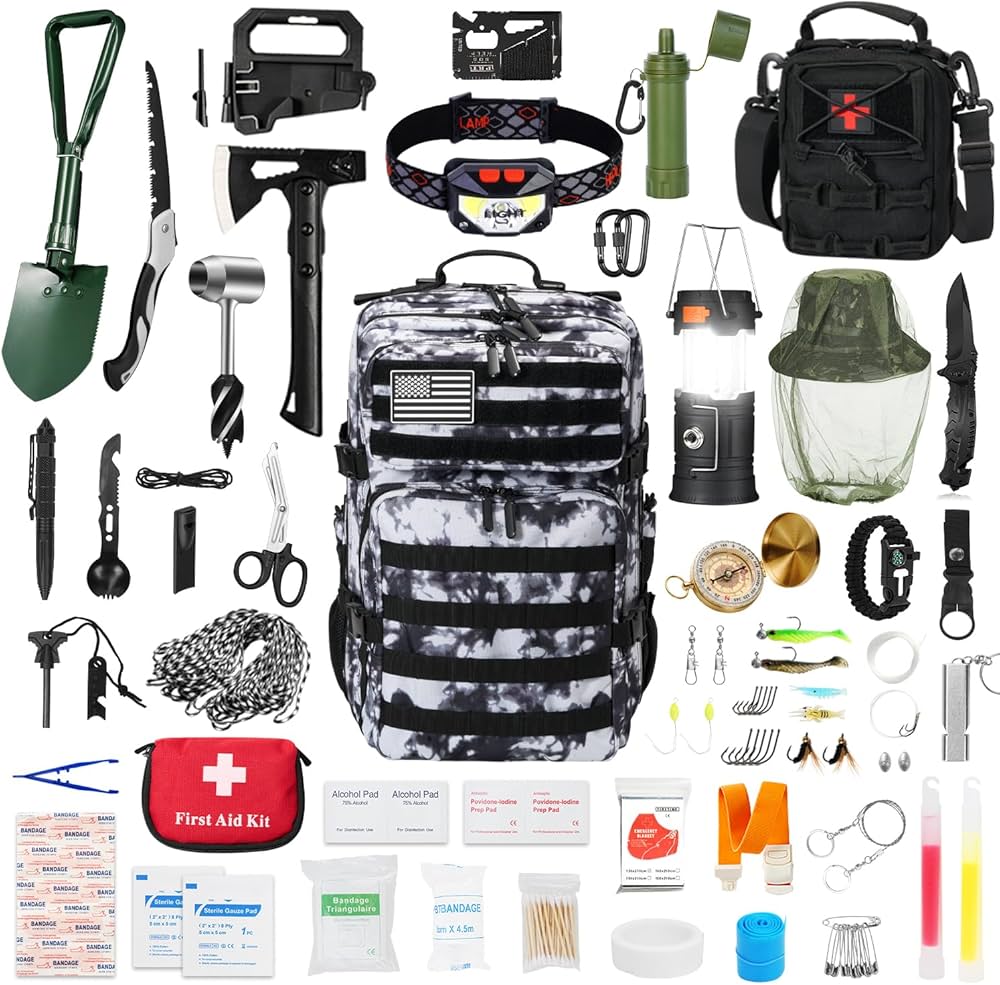
8. Safety and Emergency Gear
- First aid kit with basic supplies: Bandages, antiseptic, painkillers, and blister treatments.
- Multi-tool or knife: Useful for repairs and food preparation.
- Fire-starting equipment: Matches, lighters, or fire starters.
- Headlamp or flashlight: Essential for night navigation and emergencies.
9. Optional Gear for Comfort and Convenience
- Trekking poles: Reduce strain on knees and improve stability.
- Lightweight stove: Enables cooking warm meals.
- Camping chairs or seating pads: Enhance comfort around the campsite.
- Camera or binoculars: For documenting experiences and wildlife observation.
How to Prioritize Your First Gear Purchases
New outdoor enthusiasts often make the mistake of buying everything at once. Prioritizing essential items ensures both practicality and budget management.
- Safety first: Footwear, shelter, and navigation tools are critical.
- Comfort second: Sleeping systems, clothing, and backpacks follow.
- Convenience items: Optional accessories enhance experience but are not immediately essential.
Budgeting Tips for Beginners
Outdoor gear can be expensive, but smart shopping avoids overspending.
Buy Only What You Need
- Avoid purchasing high-end equipment before you’ve confirmed your activity preferences.
Invest in Key Items
- Quality boots, backpack, and sleeping bag make the most difference.
Consider Second-Hand or Outlet Gear
- Many retailers offer lightly used or discounted items.
Rent or Borrow
- For specialized gear, renting can be more cost-effective than buying.
Testing and Adjusting Your Gear
Before heading into the backcountry, test all gear in a controlled environment.
- Practice setting up your tent and sleeping system.
- Break in hiking boots with short walks.
- Adjust backpack straps and load distribution.
This practice prevents surprises during actual trips and builds confidence.
Common Mistakes Beginners Make
- Overpacking: Carrying too much gear increases fatigue.
- Ignoring weather conditions: Lack of proper clothing can compromise safety.
- Neglecting break-in periods: New boots and gear need time to adapt.
- Choosing low-quality essentials: Cheap equipment often fails in critical situations.
- Relying solely on technology: Smartphones may fail; traditional navigation is essential.
Learning from Experience
The best way to refine gear choices is through repeated trips and reflection.
- Take notes on what worked and what didn’t.
- Upgrade items gradually based on needs and experience.
- Join local outdoor communities or forums to share advice.
Conclusion
Choosing your first piece of outdoor equipment doesn’t have to be overwhelming. By understanding your needs, prioritizing essential items, and focusing on quality and functionality, beginners can build a reliable foundation for outdoor adventures.
From footwear and backpacks to tents, sleeping systems, and navigation tools, every piece plays a critical role in comfort, safety, and enjoyment. Testing gear, budgeting wisely, and learning from experience ensures your first outdoor adventures are memorable for all the right reasons.
Need Help with Your Custom Project?
Have questions about materials, sizing, or looking for a quick quote? Drop us a message and our experts will respond within 24 hours.
Chat on WhatsApp
+1 (304) 356-6765
Send us an Email
hello@incustom.com
Picked for You