Outdoor Gear for Beginners: How to Quickly Find the Right Product by Understanding Key Specifications

Jun 01 2026
Entering the world of outdoor activities can be exciting, but it can also feel overwhelming. Whether you're preparing for your first camping trip, planning a weekend hike, exploring fishing spots, or simply spending more time outdoors, you'll quickly discover that the market is flooded with products claiming to be the best.
Tents come with waterproof ratings, backpacks list liters and load capacities, insect repellents display active ingredient percentages, sleeping bags advertise temperature ratings, and portable power stations feature watt-hours and output numbers.
For experienced outdoor enthusiasts, these specifications are useful decision-making tools. For beginners, however, they often look like confusing technical jargon.
The good news is that you don't need years of experience to make smart purchasing decisions. Once you understand which product specifications truly matter, you can quickly eliminate unsuitable options and focus on products that fit your needs.
This guide explains how outdoor beginners can use product specifications to identify the right gear efficiently, avoid common buying mistakes, and build confidence when shopping for outdoor equipment.
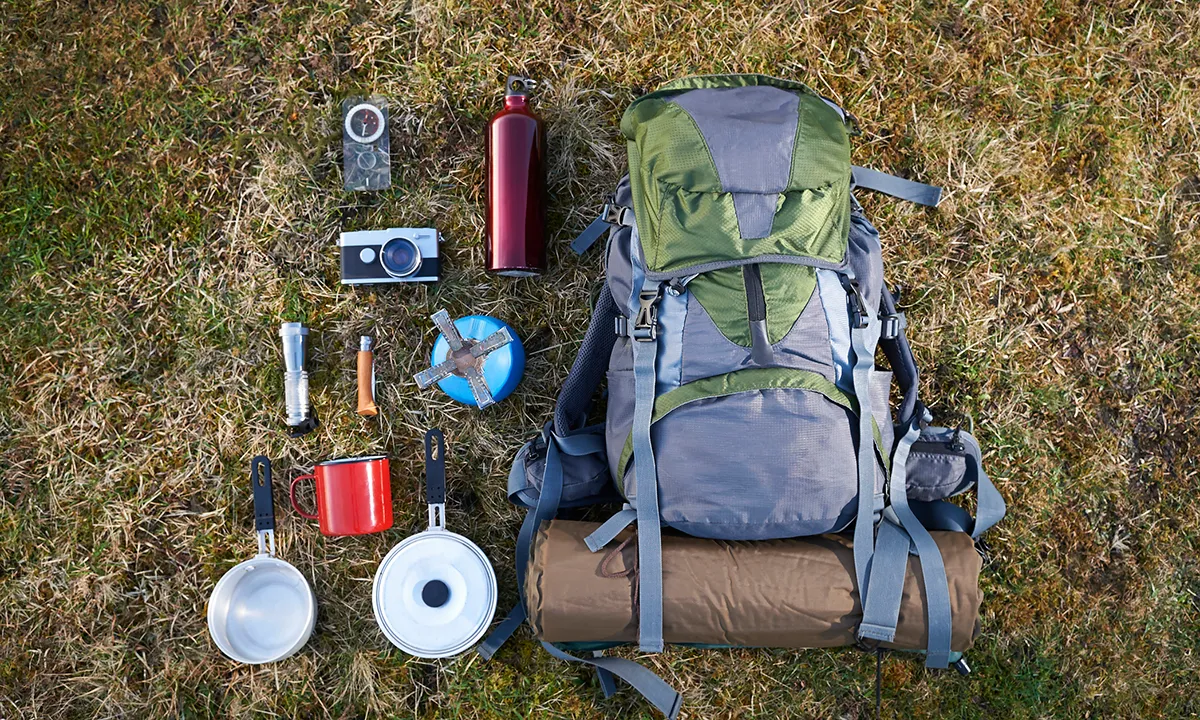
Why Product Specifications Matter More Than Marketing Claims
Many outdoor products are marketed using broad descriptions such as:
Professional-grade
Premium quality
Military-inspired
All-weather
Ultimate protection
Adventure-ready
While these phrases sound impressive, they often provide little practical information.
Specifications, on the other hand, offer measurable data.
For example:
Instead of saying a tent is waterproof, a specification tells you whether the waterproof rating is 1,500 mm, 3,000 mm, or 5,000 mm.
Instead of claiming a flashlight is bright, specifications reveal whether it produces 200 lumens or 2,000 lumens.
Learning to prioritize specifications helps consumers compare products objectively rather than relying on marketing language.
Step One: Define Your Outdoor Activity
Before comparing specifications, identify your primary activity.
Different outdoor activities require different priorities.
Examples include:
Casual Backyard Use
Focus on:
Convenience
Affordability
Ease of use
Ultra-high performance specifications may be unnecessary.
Day Hiking
Prioritize:
Lightweight equipment
Comfort
Portability
Camping
Focus on:
Weather protection
Sleeping comfort
Storage capacity
Backpacking
Weight becomes one of the most important specifications.
Fishing
Durability and water resistance often matter more than weight.
Understanding your activity immediately narrows the range of suitable products.
How to Read Outdoor Product Specifications Effectively
Many beginners make the mistake of comparing every specification equally.
Instead, focus on the three to five metrics that most directly affect performance.
Ask yourself:
What problem does this product solve?
Which specifications influence that solution?
Which numbers are marketing extras?
This approach simplifies decision-making significantly.
Understanding Weight Specifications
Weight is one of the first numbers outdoor shoppers notice.
However, its importance depends on the activity.
When Weight Matters Most
Weight is critical for:
Backpacking
Long-distance hiking
Trail running
Multi-day treks
Every pound carried for hours affects comfort and energy expenditure.
When Weight Matters Less
Weight is less important for:
Car camping
Backyard activities
RV travel
Cabin stays
In these situations, comfort often outweighs portability.
Beginner Tip
Never assume the lightest product is automatically the best choice.
Ultralight gear often sacrifices:
Durability
Storage space
Comfort
Cost-effectiveness
Choose weight based on how far you actually plan to carry the gear.
Tent Specifications Beginners Should Understand
Tents often contain numerous technical specifications.
Fortunately, only a few are truly essential.
Capacity
Capacity indicates how many people can sleep inside.
Examples:
1-person tent
2-person tent
4-person tent
6-person tent
A beginner-friendly rule:
Add one extra person to your actual occupancy needs.
For example:
Two people usually enjoy a three-person tent more comfortably than a standard two-person tent.
Waterproof Rating
Waterproof ratings are measured in millimeters.
General guidelines:
1,000–1,500 mm: Light rain
2,000–3,000 mm: Moderate rain
3,000 mm+: Heavy rain
Many new campers underestimate the importance of waterproof ratings.
Packed Size
Packed dimensions determine storage and transport convenience.
This specification is especially important for:
Backpackers
Motorcyclists
Travelers with limited storage space
Sleeping Bag Specifications Explained
Sleeping bag labels can be confusing.
Many buyers mistakenly focus on appearance rather than performance data.
Temperature Rating
Temperature rating is usually the most important specification.
Examples:
50°F (10°C)
32°F (0°C)
20°F (-6°C)
Choose a sleeping bag rated lower than the coldest temperature you expect.
This provides a useful comfort margin.
Fill Type
Common options include:
Synthetic Insulation
Advantages:
More affordable
Performs better when wet
Easy maintenance
Down Insulation
Advantages:
Lightweight
Highly compressible
Excellent warmth-to-weight ratio
Beginners often find synthetic sleeping bags easier to manage.
Backpack Specifications That Matter
Backpacks often include dozens of specifications.
Focus on these core metrics.
Capacity
Measured in liters.
Examples:
15L–25L: Day hikes
30L–50L: Weekend trips
50L–70L: Multi-day adventures
Capacity should match trip length.
Buying oversized packs often leads to unnecessary weight.
Load Capacity
Some manufacturers specify recommended carrying limits.
Exceeding these limits reduces comfort and performance.
Suspension System
A quality suspension system distributes weight effectively.
Beginners frequently underestimate its importance.
A comfortable pack carrying 30 pounds often feels lighter than an uncomfortable pack carrying 20 pounds.
Flashlight and Headlamp Specifications
Lighting products are heavily influenced by technical specifications.
Lumens
Lumens measure brightness.
General ranges:
100–300 lumens: Casual use
300–600 lumens: Hiking
600–1,000 lumens: Advanced outdoor use
Many beginners assume higher lumens are always better.
However, battery life often decreases as brightness increases.
Runtime
Runtime indicates how long the light operates before battery depletion.
A balanced combination of brightness and runtime is usually preferable.
Waterproof Rating
Outdoor lighting products often use IP ratings.
Examples:
IPX4: Splash resistant
IPX6: Strong water resistance
IPX7: Temporary immersion
Understanding these ratings helps avoid unpleasant surprises during bad weather.
Portable Power Station Specifications
Portable power stations have become increasingly popular.
Their specifications can seem intimidating.
Watt-Hours (Wh)
This number represents energy storage capacity.
Higher watt-hours generally mean longer operation.
Examples:
200Wh
500Wh
1000Wh
2000Wh
Output Power
Measured in watts.
This determines which devices can be powered.
Examples:
Smartphones
Laptops
Portable refrigerators
CPAP machines
Always verify device power requirements.
Outdoor Insect Repellent Specifications
Many beginners buy repellents based solely on branding.
Instead, examine active ingredient specifications.
DEET Percentage
Higher percentages generally provide longer protection.
Common concentrations:
10%
20%
30%
Picaridin Percentage
Picaridin products often range from:
10%
20%
Understanding these numbers helps estimate protection duration.
Outdoor Clothing Specifications
Outdoor apparel often includes technical performance data.
UPF Rating
UPF indicates ultraviolet protection.
Common ratings:
UPF 30
UPF 50
Higher ratings provide greater sun protection.
Breathability
Breathability affects comfort during activity.
Look for fabrics designed to release heat and moisture.
Waterproof Performance
Rain jackets often specify waterproof ratings.
Higher numbers generally indicate stronger water resistance.
Cooler Specifications
Choosing a cooler becomes easier when focusing on practical metrics.
Capacity
Measured in:
Quarts
Liters
Capacity should match group size and trip duration.
Ice Retention
Manufacturers often advertise:
2-day retention
5-day retention
10-day retention
Evaluate these claims relative to your actual needs.
Weekend campers rarely need extreme ice retention.
Outdoor Cooking Equipment Specifications
Portable stoves also rely heavily on technical specifications.
BTU Output
BTUs measure heating power.
Higher BTUs generally mean faster cooking.
Fuel Efficiency
Efficiency becomes important during longer trips.
A stove with lower fuel consumption often saves money and pack space.
Avoiding Specification Overload
One of the biggest mistakes beginners make is trying to compare every available specification.
This often leads to decision paralysis.
Instead, identify:
Primary use case
Top three performance requirements
Budget range
Then compare only the most relevant metrics.
This method dramatically simplifies shopping.
Common Outdoor Buying Mistakes
Buying for Extreme Scenarios
Many beginners purchase equipment designed for conditions they will never encounter.
Examples include:
Mountaineering tents for local parks
Arctic-rated sleeping bags for summer camping
Expedition backpacks for weekend hikes
Buy for your actual activities.
Prioritizing Features Over Function
Additional features often look attractive.
However, core performance specifications matter more.
A backpack with ten pockets is not necessarily better than one with excellent fit and load distribution.
Ignoring Comfort Metrics
Comfort-related specifications are often overlooked.
Examples include:
Shoulder padding
Back ventilation
Sleeping pad thickness
Chair weight capacity
Comfort significantly impacts outdoor enjoyment.
A Simple Three-Step Product Evaluation System
Whenever comparing outdoor gear, ask:
Step 1: Is It Suitable for My Activity?
Check:
Intended use
Environmental conditions
Duration of use
Step 2: Do the Core Specifications Match My Needs?
Focus on:
Capacity
Weight
Waterproof rating
Temperature rating
Battery life
Step 3: Is the Price Justified?
Determine whether performance improvements genuinely benefit your situation.
More expensive does not always mean more suitable.
Building Confidence as an Outdoor Beginner
The outdoor gear industry can appear complicated at first.
However, experienced outdoor enthusiasts rarely memorize every specification.
Instead, they understand which numbers matter most for each product category.
By focusing on practical specifications rather than marketing language, beginners can make smarter decisions with less confusion.
Over time, reading specifications becomes second nature, allowing you to evaluate products quickly and confidently.
Final Thoughts
For outdoor beginners, product specifications are not obstacles—they are powerful decision-making tools. Learning how to interpret a handful of key metrics can save money, prevent purchasing mistakes, and significantly improve outdoor experiences.
Whether you're shopping for tents, backpacks, sleeping bags, flashlights, insect repellents, portable power stations, or outdoor clothing, the same principle applies: focus on the specifications that directly affect performance for your intended activity.
Instead of being overwhelmed by endless options, use product data to narrow the field quickly. The more you understand what those numbers mean, the easier it becomes to identify products that truly fit your needs.
Outdoor adventures should be exciting, not confusing. With a basic understanding of product specifications, you'll be well equipped to choose gear confidently and spend less time researching—and more time enjoying the outdoors.
Need Help with Your Custom Project?
Have questions about materials, sizing, or looking for a quick quote? Drop us a message and our experts will respond within 24 hours.
Chat on WhatsApp
+1 (304) 356-6765
Send us an Email
hello@incustom.com
Picked for You