Outdoor Pools and Hot Tubs: Maintenance Secrets for Cleaning Covers and Protective Covers

Jun 22 2026
Outdoor pools and hot tubs are more than just backyard luxuries—they are long-term investments in comfort, relaxation, and lifestyle. Whether it’s a refreshing swim on a hot summer day or a soothing soak in a hot tub under the stars, these water features bring significant value to a home.
But there’s one part of pool and spa ownership that often gets overlooked until problems appear: the covers.
Pool covers and hot tub covers are the first line of defense against debris, UV damage, heat loss, algae growth, and water contamination. Yet they are also among the most neglected components in maintenance routines. Without proper care, covers can crack, fade, absorb odors, or lose insulation performance—leading to higher energy costs and more frequent cleaning of the water itself.
This guide breaks down everything you need to know about cleaning, maintaining, and protecting outdoor pool and hot tub covers so they last longer, perform better, and keep your water clean year-round.
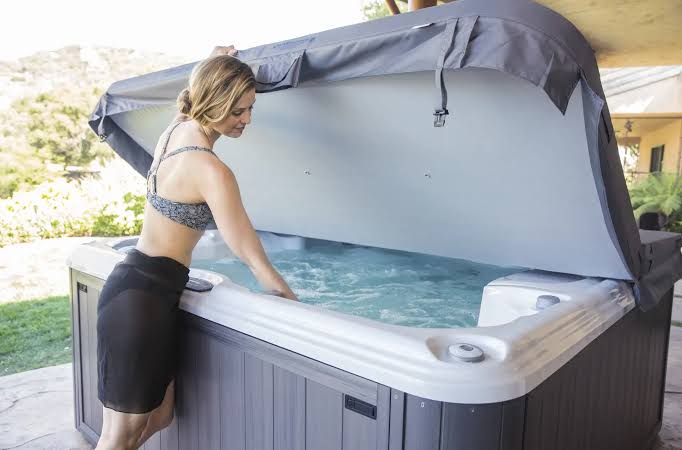
Why Pool and Hot Tub Covers Matter More Than You Think
Before diving into maintenance routines, it’s important to understand what’s at stake.
A quality cover does far more than just “cover” the water:
It reduces evaporation
It prevents debris accumulation
It helps maintain water temperature
It lowers chemical usage
It improves safety by limiting access
It protects against UV degradation
When maintained properly, covers can significantly extend the lifespan of both the pool system and spa equipment from brands like Hayward and Pentair, both widely used in residential and commercial pool systems.
However, when neglected, covers become breeding grounds for mold, mildew, and bacteria—ultimately defeating their purpose.
Types of Pool and Hot Tub Covers
Not all covers are created equal. Understanding the type you own is the first step toward proper care.
1. Solar Pool Covers
Solar covers are lightweight, bubble-style sheets designed to trap heat from sunlight and reduce evaporation. They are commonly used in warmer climates.
They require gentle handling because they are prone to tearing and UV degradation.
2. Winter Covers
Winter covers are heavier and designed to protect pools during off-season months. They often anchor tightly around the pool perimeter.
These covers are built for durability but still require regular cleaning to prevent mold buildup.
3. Safety Covers
Safety covers are reinforced and designed to support weight, often used in homes with children or pets. They are typically made from mesh or solid vinyl.
4. Hard Spa Covers
Hot tub covers are usually insulated foam cores wrapped in vinyl. These are designed to retain heat and prevent debris from entering the spa.
They are especially common in systems from brands like Hot Spring Spas and Jacuzzi.
Common Problems with Pool and Spa Covers
Understanding what goes wrong helps you prevent it.
1. Mold and Mildew Growth
Moist environments combined with organic debris create perfect conditions for mold. This is especially common in shaded or humid areas.
2. UV Damage
Sun exposure breaks down vinyl over time, causing fading, cracking, and brittleness.
3. Waterlogging
Heavy rain or snow accumulation can cause covers to sag, stretch, or tear.
4. Chemical Damage
Pool chemicals like chlorine and bromine can degrade cover materials if not rinsed off regularly.
5. Odor Buildup
Trapped moisture and bacteria can lead to unpleasant smells that transfer into the water when the cover is removed.
How Often Should You Clean Pool and Hot Tub Covers?
A good rule of thumb:
Light cleaning: once every 1–2 weeks
Deep cleaning: once every 1–2 months
Seasonal maintenance: at the start and end of swim season
If your pool is surrounded by trees, or you live in a windy or rainy region, increase cleaning frequency.
Step-by-Step Guide: Cleaning Pool Covers Properly
Cleaning your cover doesn’t require expensive tools, but it does require consistency and care.
Step 1: Remove Debris
Start by removing leaves, twigs, and dirt using a soft broom or leaf blower. Avoid sharp tools that can puncture the surface.
Step 2: Rinse Thoroughly
Use a garden hose to rinse both sides of the cover. This removes chlorine residue, dust, and organic buildup.
Avoid pressure washers unless the manufacturer explicitly allows them—they can damage seams and coatings.
Step 3: Apply Gentle Cleaner
Use a mild soap or a specialized vinyl cleaner. Harsh chemicals can break down protective coatings.
Scrub gently with a soft brush or sponge.
Step 4: Treat Mold and Mildew
If you notice black or green spots, use a diluted solution of water and white vinegar or a cover-safe mildew remover.
Let it sit for a few minutes before rinsing thoroughly.
Step 5: Dry Completely
This step is often skipped but extremely important. Always allow the cover to air dry completely before folding or retracting it.
Moisture trapped during storage is the number one cause of odor and degradation.
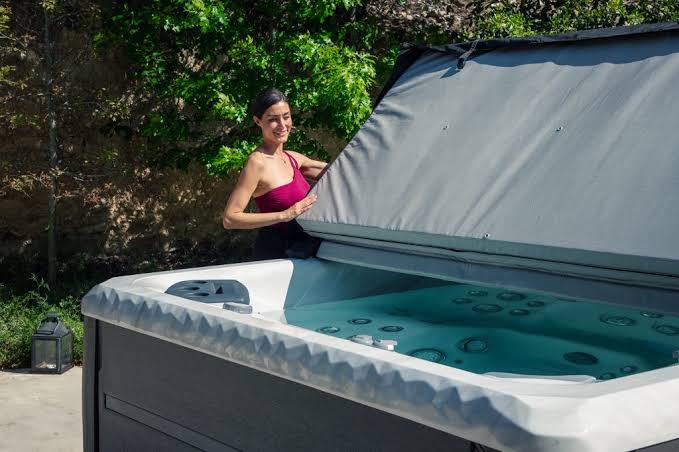
Step-by-Step Guide: Cleaning Hot Tub Covers
Hot tub covers require more frequent attention due to constant exposure to steam and chemicals.
Step 1: Remove and Inspect
Take the cover off and check for:
Cracks in vinyl
Soft spots in foam
Broken seams
Water absorption
Early detection prevents costly replacement.
Step 2: Wash the Surface
Use warm water and a non-abrasive sponge with mild dish soap.
Avoid bleach-based cleaners unless specifically recommended by the manufacturer.
Step 3: Clean the Underside
The underside often collects condensation and chemical residue. Clean it thoroughly to prevent odor transfer into the spa water.
Step 4: Condition the Vinyl
Apply a UV-protective conditioner designed for spa covers. This helps prevent cracking and fading caused by sunlight exposure.
Step 5: Reposition and Dry
Ensure the cover is completely dry before placing it back on the hot tub.
Protecting Covers from Sun Damage
UV rays are one of the biggest enemies of outdoor covers.
To reduce damage:
Use UV-protective sprays regularly
Store covers in shaded areas when not in use
Install wind or sun barriers around the pool or spa
Choose covers with built-in UV resistance
Manufacturers like Covermates offer protective solutions designed specifically for outdoor exposure.
Preventing Mold and Odor Build-Up
Mold prevention is far easier than removal.
Best practices include:
Keeping covers dry whenever possible
Improving backyard drainage
Avoiding chemical residue buildup
Using breathable covers when appropriate
Regular cleaning schedules
If odor appears, a vinegar rinse followed by full drying is often effective.
Winter Care Tips for Pool Covers
Cold weather introduces additional challenges such as snow load and ice formation.
To protect your cover:
Remove snow promptly using a soft broom
Avoid walking on frozen covers
Check tension cables and anchors regularly
Ensure proper water level beneath the cover for support
A well-maintained winter cover can last many seasons without replacement.
Hot Tub Cover Lifespan: How to Extend It
Most hot tub covers last between 3 and 7 years depending on care.
To extend lifespan:
Clean regularly
Use a cover lifter to reduce stress
Keep chemicals balanced in the spa water
Avoid placing heavy objects on the cover
Apply vinyl protectant monthly
Small habits significantly impact durability over time.
Energy Efficiency Benefits of Well-Maintained Covers
A clean, properly sealed cover improves insulation efficiency.
This means:
Less heat loss overnight
Reduced energy consumption
Lower heating costs
More consistent water temperature
For hot tubs, especially in colder climates, this can translate into noticeable monthly savings.
Choosing the Right Cleaning Products
Not all cleaners are safe for pool and spa covers.
Recommended:
Mild dish soap
Vinyl-safe cleaners
White vinegar solution
UV-protectant conditioners
Avoid:
Bleach (unless approved)
Ammonia-based cleaners
Abrasive scrubbing pads
Strong solvents
Using the wrong product can shorten cover lifespan dramatically.
Storage Tips When Covers Are Not in Use
Proper storage is often overlooked but extremely important.
Best practices:
Store in a dry, shaded area
Avoid folding while wet
Keep away from sharp objects
Use protective bags or containers
Ensure airflow to prevent mildew
Signs It’s Time to Replace Your Cover
Even with excellent maintenance, covers eventually wear out.
Replace your cover if you notice:
Persistent water absorption
Sagging or loss of shape
Cracked vinyl or foam exposure
Strong, lingering odors
Ineffective insulation
Waiting too long can lead to higher energy costs and reduced water quality.
Final Thoughts
Pool and hot tub covers are often underestimated, but they play a critical role in maintaining water quality, energy efficiency, and overall system longevity. With consistent cleaning, proper conditioning, and seasonal care, you can significantly extend their lifespan and improve the performance of your entire backyard setup.
Whether you’re maintaining a family swimming pool or a private spa, the key is simple: treat the cover as an essential system component, not an afterthought.
A well-maintained cover protects your investment, reduces maintenance workload, and ensures your outdoor water experience stays clean, efficient, and enjoyable all year round.
Need Help with Your Custom Project?
Have questions about materials, sizing, or looking for a quick quote? Drop us a message and our experts will respond within 24 hours.
Chat on WhatsApp
+1 (304) 356-6765
Send us an Email
hello@incustom.com
Picked for You