
Whether you're protecting a patio furniture set, a barbecue grill, a boat, an outdoor generator, or expensive garden equipment, one factor determines how long your cover will actually perform: the material.
Many consumers assume that all outdoor covers provide similar protection. However, the fabric used in a cover plays a major role in determining its durability, weather resistance, lifespan, maintenance requirements, and overall value.
Among the most popular materials used for outdoor protective covers are polyester and canvas. Both have earned strong reputations in the outdoor industry, yet they perform quite differently when exposed to sunlight, rain, wind, dust, snow, and daily wear.
If you're shopping for a new outdoor cover, understanding the strengths and weaknesses of each material can save you money and frustration in the long run.
So which material is truly more durable?
The answer depends on how and where the cover will be used.
In this comprehensive guide, we'll compare polyester and canvas across every major performance category, helping you determine which material is the better choice for your specific outdoor protection needs.
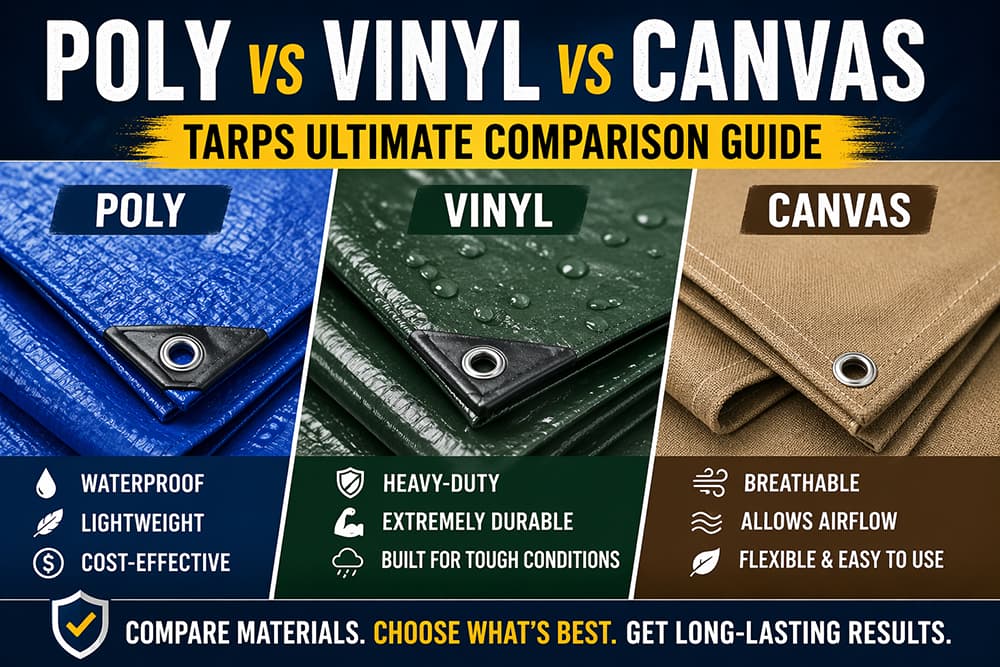
Why Material Matters in Outdoor Covers
An outdoor cover serves as the first line of defense against environmental damage.
Without proper protection, outdoor equipment can suffer from:
UV damage
Rust and corrosion
Water intrusion
Dust accumulation
Mold growth
Color fading
Mechanical wear
A cover that fails prematurely can expose expensive equipment to these hazards.
Therefore, selecting the right fabric is one of the most important purchasing decisions.
Understanding Polyester Outdoor Covers
Polyester is one of the most widely used synthetic fabrics in the outdoor products industry.
Manufactured from petroleum-based polymers, polyester fibers are engineered to provide strength, flexibility, and weather resistance.
Modern outdoor covers often use:
300D polyester
420D polyester
600D polyester
900D polyester
Solution-dyed polyester
The "D" refers to denier, a measurement of fiber thickness.
Generally speaking:
Higher denier fabrics are stronger.
Lower denier fabrics are lighter.
Polyester covers have become increasingly popular because they combine durability with affordability.
Understanding Canvas Outdoor Covers
Canvas is traditionally made from cotton, although modern versions may incorporate synthetic fibers.
Canvas is known for:
Thick construction
Rugged appearance
High tensile strength
Heavy-duty protection
Historically, canvas has been used for:
Tents
Boat sails
Military equipment
Truck covers
Outdoor shelters
Its long history has earned canvas a reputation for toughness and reliability.
However, modern outdoor environments create challenges that traditional canvas was not originally designed to handle.
Durability Comparison: Polyester vs. Canvas
When consumers ask which material is more durable, they're usually referring to overall lifespan.
True durability includes several factors:
Tear resistance
Abrasion resistance
Weather resistance
UV resistance
Structural integrity
Long-term performance
Let's compare each category.
Tear Resistance
Outdoor covers experience constant stress from:
Wind
Handling
Installation
Removal
Sharp corners
A fabric's ability to resist tearing is critical.
Polyester
High-quality polyester offers excellent tear strength.
Advanced weaving techniques create strong yet flexible fabrics.
Benefits include:
Resistance to stretching
High tensile strength
Improved dimensional stability
Many premium polyester covers include ripstop construction that prevents tears from spreading.
Canvas
Canvas is naturally thick and strong.
Its dense weave provides good tear resistance.
However, cotton fibers gradually weaken when repeatedly exposed to moisture and sunlight.
Over time, tears may develop more easily.
Winner: Polyester
Modern polyester generally maintains tear strength longer under outdoor exposure.
UV Resistance
Sunlight is one of the biggest enemies of outdoor covers.
Ultraviolet radiation breaks down fibers and causes material degradation.
Polyester
Polyester naturally performs well against UV exposure.
Many manufacturers add UV inhibitors or use solution-dyed fibers.
Benefits include:
Reduced fading
Slower degradation
Longer outdoor lifespan
Premium polyester covers can remain functional for years under intense sunlight.
Canvas
Traditional canvas is more vulnerable to UV damage.
Extended sun exposure may lead to:
Fading
Fiber weakening
Surface cracking
Reduced flexibility
While treated canvas performs better, it often requires additional maintenance.
Winner: Polyester
For long-term sun exposure, polyester is typically superior.
Water Resistance
Rain protection is often the primary reason consumers purchase outdoor covers.
Polyester
Polyester fibers naturally resist moisture absorption.
Most outdoor polyester covers feature:
PVC backing
Polyurethane coatings
Water-resistant treatments
Water generally beads and rolls off the surface.
The fabric dries quickly after rainfall.
Canvas
Traditional cotton canvas absorbs water.
Although treated canvas can become water resistant, prolonged exposure may eventually lead to moisture penetration.
Water retention can increase fabric weight and drying time.
Winner: Polyester
Polyester provides better water resistance with less maintenance.
Mold and Mildew Resistance
Moisture often creates ideal conditions for mold growth.
Polyester
Because polyester absorbs very little moisture, mold growth is less likely.
The material dries rapidly and discourages fungal development.
Canvas
Canvas retains moisture longer.
If stored wet or exposed to prolonged humidity, mold and mildew may develop.
Regular cleaning becomes more important.
Winner: Polyester
Polyester performs significantly better in humid environments.
Breathability
While water resistance is important, trapped moisture beneath a cover can create problems.
Good breathability helps reduce condensation.
Polyester
Polyester is less breathable than natural fibers.
Manufacturers often add ventilation panels to improve airflow.
Canvas
Canvas naturally allows more air circulation.
This can reduce condensation buildup.
Breathability is one of canvas's strongest advantages.
Winner: Canvas
Canvas offers superior natural airflow.
Abrasion Resistance
Outdoor covers frequently rub against equipment surfaces.
Abrasion resistance affects long-term durability.
Polyester
Modern polyester demonstrates excellent abrasion resistance.
The synthetic fibers withstand repeated friction without significant wear.
Canvas
Canvas also performs well against abrasion.
Its thick construction can tolerate rough handling.
The two materials perform similarly in this category.
Winner: Tie
Both materials offer strong abrasion resistance.
Weight and Handling
Cover weight influences ease of use.
Polyester
Polyester is lightweight.
Advantages include:
Easier installation
Easier storage
Better portability
Reduced strain
Users frequently appreciate lightweight covers for everyday applications.
Canvas
Canvas is substantially heavier.
Large covers can become difficult to manage, especially when wet.
Winner: Polyester
The lighter weight improves convenience.
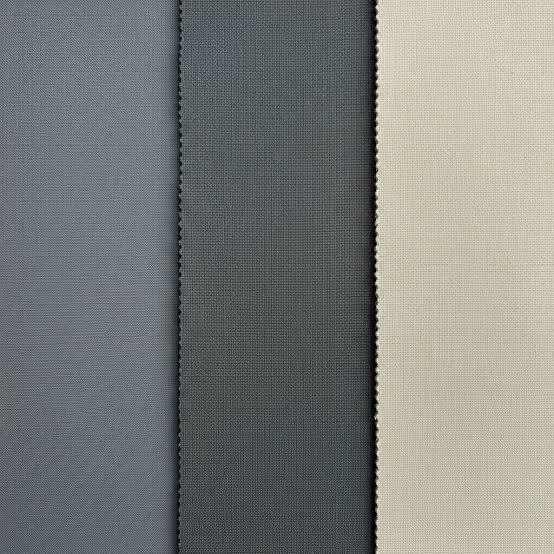
Wind Performance
Strong winds place significant stress on outdoor covers.
Polyester
Lighter fabrics may flap during windy conditions.
However, reinforced polyester designs with secure straps perform very well.
Canvas
Canvas weight helps it remain stable.
The heavier fabric naturally resists movement.
Winner: Canvas
Canvas has a slight advantage in extremely windy environments.
Cold Weather Performance
Outdoor covers must withstand winter conditions in many regions.
Polyester
Quality polyester remains flexible in cold temperatures.
Premium fabrics resist cracking and brittleness.
Canvas
Canvas generally performs well in cold climates but may stiffen when saturated with moisture.
Winner: Polyester
Synthetic materials typically handle freeze-thaw cycles more effectively.
Heat Resistance
Outdoor covers often experience intense summer temperatures.
Polyester
Polyester tolerates heat well but can degrade under prolonged extreme UV exposure if not properly treated.
Canvas
Canvas handles high temperatures effectively and remains stable in direct sunlight.
Winner: Tie
Both materials perform adequately in hot climates.
Maintenance Requirements
Maintenance influences the true cost of ownership.
Polyester
Polyester requires minimal upkeep.
Most maintenance involves:
Occasional cleaning
Dirt removal
Inspection for damage
The material dries quickly and stores easily.
Canvas
Canvas often requires:
Cleaning
Waterproofing treatments
Mildew prevention
Proper drying before storage
Maintenance demands are generally higher.
Winner: Polyester
Polyester is easier to maintain.
Lifespan Expectations
Actual lifespan varies based on:
Climate
Usage frequency
Exposure levels
Fabric quality
However, general expectations are:
Polyester
High-quality polyester cover:
3 to 10 years
Premium solution-dyed polyester:
5 to 12 years
Canvas
Traditional canvas cover:
2 to 8 years
Treated marine-grade canvas:
5 to 10 years
In most residential applications, polyester often outlasts untreated canvas.
Cost Comparison
Budget is an important consideration.
Polyester
Polyester covers are available across a wide price range.
Consumers can find:
Budget models
Mid-range products
Premium covers
This flexibility makes polyester appealing.
Canvas
Canvas covers generally cost more due to material weight and manufacturing requirements.
Long-term maintenance costs may also be higher.
Winner: Polyester
Polyester typically offers better value for money.
Best Applications for Polyester Covers
Polyester is ideal for:
Patio furniture covers
BBQ grill covers
Air conditioner covers
Outdoor television covers
Generator covers
Motorcycle covers
Garden equipment covers
These applications benefit from polyester's weather resistance and low maintenance requirements.
Best Applications for Canvas Covers
Canvas remains an excellent choice for:
Heavy-duty industrial equipment
Traditional boat covers
Construction equipment protection
Long-term storage applications
Rustic outdoor environments
Its rugged appearance and heavyweight construction remain attractive in certain settings.
Environmental Considerations
Consumers increasingly evaluate environmental impact when selecting outdoor products.
Canvas is often viewed as more natural because cotton is biodegradable.
However, cotton cultivation requires significant water and agricultural resources.
Polyester is synthetic but often lasts longer, reducing replacement frequency.
Additionally, recycled polyester materials are becoming increasingly common.
Environmental impact depends on the entire product lifecycle rather than material type alone.
Which Material Is Better for Different Climates?
Hot and Sunny Regions
Best Choice: Polyester
Superior UV resistance and color retention make polyester ideal.
Rainy Regions
Best Choice: Polyester
Water resistance and fast drying provide significant advantages.
Humid Coastal Areas
Best Choice: Polyester
Resistance to mold, mildew, and moisture absorption helps extend service life.
Windy Areas
Best Choice: Canvas
The heavier weight can improve stability.
Four-Season Climates
Best Choice: Polyester
Its balanced performance across multiple weather conditions makes it the most versatile option.
Final Verdict: Which Outdoor Cover Material Is More Durable?
Both polyester and canvas have earned their place in the outdoor protection industry. Canvas offers traditional ruggedness, excellent breathability, and impressive stability in windy conditions. For certain industrial and heavy-duty applications, it remains a reliable option.
However, when evaluating overall durability in modern outdoor environments, polyester emerges as the stronger performer. Its superior UV resistance, water resistance, mold resistance, lightweight handling, lower maintenance requirements, and longer average lifespan make it the preferred choice for most residential and commercial outdoor cover applications.
For homeowners seeking dependable protection for patio furniture, grills, generators, vehicles, and outdoor equipment, a high-quality polyester cover typically delivers the best balance of durability, performance, convenience, and value.
Ultimately, the most durable outdoor cover is not determined solely by the material itself, but by selecting a fabric that matches your climate, usage patterns, and protection requirements. In today's market, premium polyester covers have become the benchmark against which most outdoor protection solutions are measured.
Need Help with Your Custom Project?
Have questions about materials, sizing, or looking for a quick quote? Drop us a message and our experts will respond within 24 hours.
Chat on WhatsApp
+1 (304) 356-6765
Send us an Email
hello@incustom.com
Picked for You