Protect Your Patio: Why High-Quality Tarps Are One of the Smartest Investments You Can Make

May 12 2026
A patio is more than just an outdoor space. For many homeowners, it is an extension of the home itself—a place for relaxing mornings, family dinners, weekend gatherings, outdoor cooking, quiet evenings, and seasonal celebrations. Whether your patio includes luxury furniture, grills, outdoor kitchens, fire pits, potted plants, pergolas, or entertainment equipment, protecting these investments from the elements is essential.
Unfortunately, many people underestimate how quickly outdoor exposure can damage patio furniture and structures. Rain, UV radiation, moisture, dust, wind, snow, mold, and temperature changes slowly wear down surfaces over time. Even high-end outdoor furniture can deteriorate faster than expected without proper protection.
One of the simplest yet most effective solutions is the use of high-quality waterproof tarps.
While tarps are sometimes viewed as basic utility products, modern premium tarps have evolved into highly durable protective systems capable of extending the lifespan of outdoor furniture, equipment, and patio structures significantly.
From residential patios and backyard kitchens to commercial outdoor dining spaces and event venues, waterproof tarps have become an essential part of long-term outdoor protection strategies.
This guide explains why investing in high-quality tarps matters, how they protect your patio, what features to look for, the differences between cheap and premium materials, common mistakes homeowners make, and how the right tarp can save substantial money over time.
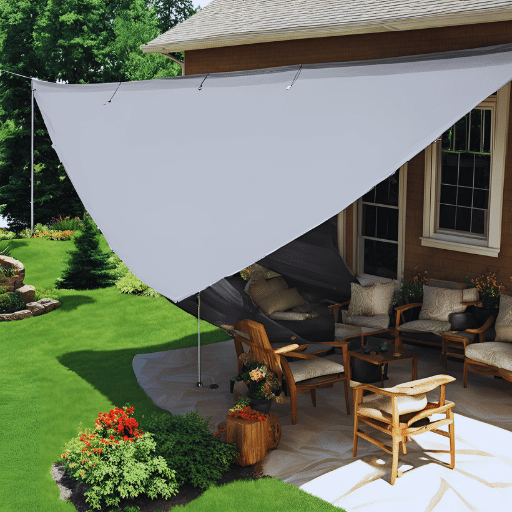
Why Patio Protection Matters More Than Most People Realize
Outdoor environments are harsh.
Even in mild climates, patio furniture and structures experience constant exposure to damaging conditions.
The biggest threats include:
Rain and moisture
UV sunlight
Wind
Dust and debris
Snow and ice
Mold and mildew
Bird droppings
Tree sap
Temperature fluctuations
Humidity
These factors slowly degrade:
Fabrics
Wood finishes
Metal coatings
Cushions
Electronics
Outdoor rugs
Decorative surfaces
Without protection, even expensive patio setups can fade, crack, rust, warp, or develop mold within a few seasons.
Replacing outdoor furniture repeatedly becomes expensive.
Preventive protection is almost always more cost-effective than repairs or replacement.
What Makes Waterproof Tarps So Effective?
Waterproof tarps create a physical barrier between outdoor elements and valuable patio items.
High-quality tarps help protect against:
Water penetration
UV exposure
Dirt accumulation
Wind-driven debris
Snow buildup
Excess moisture
Unlike temporary plastic sheets or low-grade covers, premium tarps are specifically designed for long-term durability.
Modern tarp materials can withstand years of environmental stress when used properly.
The Difference Between Cheap Tarps and High-Quality Tarps
Not all tarps are created equal.
Many homeowners purchase inexpensive tarps only to discover they tear, leak, fade, or deteriorate quickly.
Understanding the differences between low-quality and premium tarps is essential.
Material Thickness
Cheap tarps are often made from thin polyethylene that tears easily.
Premium tarps use heavier materials with reinforced layers.
Thicker materials generally provide:
Better durability
Improved puncture resistance
Longer lifespan
Greater weather protection
UV Resistance
Sunlight is one of the biggest causes of tarp failure.
Low-quality tarps become brittle after prolonged UV exposure.
High-end tarps often contain UV stabilizers that reduce sun damage.
This helps prevent:
Cracking
Fading
Material breakdown
Waterproof Performance
Some low-cost tarps are only water-resistant rather than fully waterproof.
Premium waterproof tarps use sealed coatings and stronger construction methods.
Reinforced Edges and Grommets
Weak grommets and poorly reinforced corners are common failure points.
High-quality tarps typically feature:
Reinforced hems
Rust-resistant grommets
Double-stitched edges
Heat-sealed seams
These features improve long-term reliability.
How Waterproof Tarps Protect Patio Furniture
Outdoor furniture represents a significant investment.
Even weather-resistant materials eventually deteriorate when exposed continuously.
Protecting Outdoor Cushions
Moisture trapped in cushions can lead to:
Mold
Mildew
Odors
Fabric discoloration
Foam deterioration
Waterproof tarps help keep cushions dry during rain and humid conditions.
Preventing Wood Damage
Wood furniture may suffer from:
Warping
Cracking
Rot
Fading
Protective tarps reduce direct exposure to moisture and UV rays.
Preventing Rust on Metal Furniture
Metal patio furniture can corrode over time.
Rainwater and humidity accelerate oxidation.
High-quality tarps help minimize prolonged moisture contact.
Extending Furniture Lifespan
Consistent protection can add years to the lifespan of outdoor furniture.
This reduces replacement costs significantly.
Protecting Outdoor Kitchens and Grills
Outdoor kitchens have become increasingly popular.
However, grills and appliances are vulnerable to environmental exposure.
Even stainless steel can develop:
Surface corrosion
Discoloration
Grease contamination
Water damage
Waterproof tarps help protect:
Grills
Smokers
Pizza ovens
Refrigerators
Cabinets
Countertops
Protecting outdoor cooking equipment also reduces maintenance requirements.
Tarps and Weather Protection
Different weather conditions create different risks.
Rain Protection
Rain is one of the most obvious threats.
Standing water can damage:
Furniture cushions
Electronics
Wood surfaces
Decorative items
Waterproof tarps prevent direct water penetration.
Snow and Ice Protection
Winter weather places enormous stress on outdoor furniture.
Snow accumulation adds weight and traps moisture.
Freeze-thaw cycles can crack surfaces and weaken materials.
Durable tarps help shield patio equipment during colder months.
Wind Protection
Wind carries:
Dirt
Dust
Leaves
Sand
Debris
Tarps reduce surface abrasion and contamination.
UV Sun Protection
Constant UV exposure fades colors and weakens materials.
UV-resistant tarps help reduce long-term sun damage.
Why Patio Covers Alone Are Not Enough
Some homeowners assume pergolas, awnings, or patio roofs provide complete protection.
While overhead structures help, they often leave furniture vulnerable to:
Wind-driven rain
Side moisture
Dust
Humidity
UV reflection
Waterproof tarps provide an additional protective layer.
This is especially important during storms and seasonal weather changes.
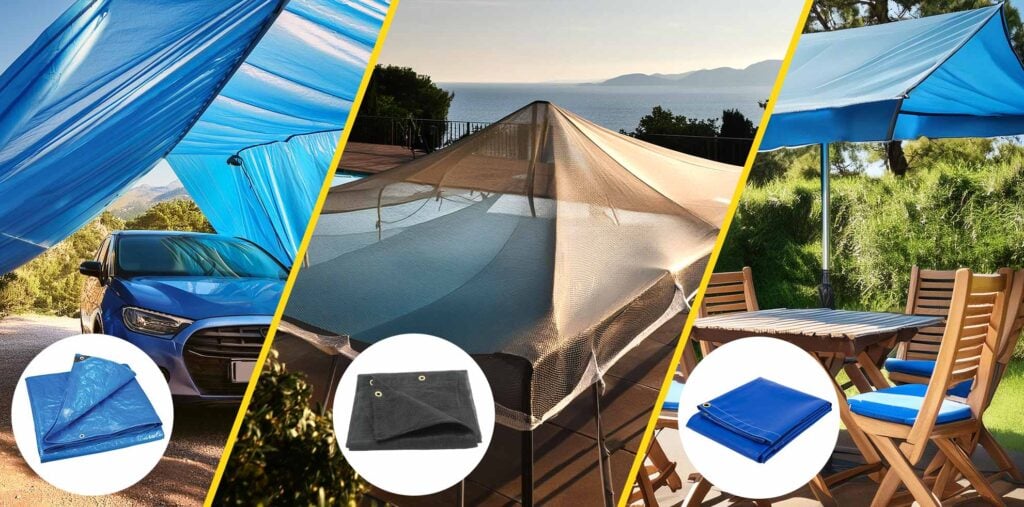
Commercial Patio Spaces Need Protection Too
Restaurants, cafes, hotels, and event venues often rely heavily on outdoor seating areas.
Commercial patios face even greater exposure due to constant use.
Protective tarps help businesses:
Extend furniture lifespan
Reduce replacement costs
Protect equipment
Improve seasonal storage
Maintain appearance standards
For hospitality businesses, maintaining clean and attractive outdoor spaces directly affects customer impressions.
Seasonal Patio Storage Solutions
Many homeowners store patio furniture during winter or severe weather periods.
Tarps play an important role in storage protection.
Garage and Shed Storage
Even indoor storage areas may expose furniture to:
Dust
Moisture
Pests
Condensation
Waterproof tarps provide additional protection.
Outdoor Seasonal Storage
In some cases, homeowners lack indoor storage space.
Heavy-duty tarps become essential for safely covering furniture outdoors.
Common Tarp Materials Explained
Choosing the right material affects performance significantly.
Polyethylene Tarps
Poly tarps are among the most common options.
Benefits include:
Waterproof protection
Lightweight construction
Affordability
UV resistance in premium models
Heavy-duty polyethylene tarps are widely used for patio protection.
Vinyl Tarps
Vinyl tarps offer exceptional durability.
They are often:
Waterproof
Abrasion-resistant
Mold-resistant
Suitable for extreme weather
Vinyl tarps are commonly used in commercial applications.
Canvas Tarps
Canvas tarps are breathable but may not be fully waterproof unless treated.
They are often preferred for applications where airflow matters.
Mesh Tarps
Mesh tarps allow airflow while reducing sun exposure and debris accumulation.
They are less suitable for full waterproof protection.
Key Features to Look for in a High-Quality Waterproof Tarp
Not every tarp is suitable for patio use.
Important features include:
Waterproof Construction
Ensure the tarp is truly waterproof rather than simply water-resistant.
UV Protection
UV-treated materials last longer outdoors.
Reinforced Corners
Corners experience the highest stress.
Reinforcement improves durability.
Rust-Resistant Grommets
Metal grommets help secure the tarp safely.
Rust-resistant hardware improves longevity.
Tear Resistance
Heavy-duty fabrics withstand wind and movement better.
Mold Resistance
Moist environments encourage mold growth.
Mold-resistant coatings are highly beneficial.
Proper Tarp Installation Matters
Even the best tarp performs poorly if installed incorrectly.
Avoid Water Pooling
Standing water creates stress points.
Use angles or support structures to encourage drainage.
Secure the Tarp Properly
Loose tarps flap in the wind and wear out faster.
Use:
Bungee cords
Rope
Tarp clips
Tie-down systems
Allow Some Ventilation
Completely sealing furniture may trap condensation.
Balanced airflow helps reduce mold growth.
How High-Quality Tarps Save Money Long-Term
Some buyers hesitate to spend more on premium tarps.
However, low-cost tarps often fail quickly.
Replacing cheap tarps repeatedly becomes more expensive over time.
Meanwhile, damaged patio furniture can cost:
Hundreds of dollars
Thousands of dollars
Extensive repair expenses
A durable tarp may protect investments for years.
This makes high-quality protection highly cost-effective.
Protecting Patio Electronics
Modern patios increasingly include electronics such as:
Outdoor TVs
Speakers
Lighting systems
Heaters
Smart devices
Moisture and dust can damage sensitive equipment.
Protective tarps help reduce environmental exposure.
However, electronics should still follow manufacturer storage recommendations.
Tarps for Pergolas and Gazebos
Tarps can also help protect larger patio structures.
Temporary tarp solutions may provide:
Shade
Rain protection
Wind barriers
Seasonal weather coverage
Heavy-duty waterproof tarps are often used to extend outdoor usability during changing weather.
Why UV Damage Is Often Overlooked
Many homeowners focus mainly on rain protection.
However, UV radiation causes major long-term damage.
Sun exposure can:
Fade fabrics
Dry out wood
Crack plastics
Weaken synthetic materials
Damage protective coatings
UV-resistant tarps reduce this deterioration significantly.
Mold and Mildew Prevention
Outdoor moisture creates ideal conditions for mold.
Mold problems can affect:
Cushions
Wood surfaces
Fabric covers
Rugs
Decorative materials
Proper tarp use helps reduce prolonged moisture exposure.
However, ventilation remains important.
Trapped humidity can still create condensation problems.
Tarps and Hurricane or Storm Preparation
In storm-prone regions, tarps become especially valuable.
Heavy-duty tarps may help protect:
Furniture
Windows
Outdoor kitchens
Equipment
Storage areas
While tarps cannot eliminate storm damage entirely, they can reduce exposure significantly.
Storm preparation plans should include secure tie-down methods.
Choosing the Right Tarp Size
Proper sizing matters.
A tarp that is too small leaves items exposed.
A tarp that is excessively large may:
Trap water
Catch wind
Become difficult to secure
Measure carefully before purchasing.
Consider:
Height
Width
Depth
Clearance needs
Why Breathability Matters in Some Situations
Completely waterproof protection is important, but airflow also matters.
Poor ventilation may cause:
Condensation
Mildew
Odors
Trapped moisture
Some premium tarp systems combine waterproofing with controlled ventilation.
This balance improves long-term protection.
Outdoor Furniture Is More Expensive Than Ever
Modern patio furniture often includes premium materials such as:
Teak wood
Powder-coated aluminum
Performance fabrics
Outdoor wicker
Stone tabletops
Replacing damaged furniture can become extremely costly.
Protective tarps help preserve these investments.
The Role of Tarps in Sustainable Living
Protecting outdoor furniture also supports sustainability.
Longer-lasting products reduce:
Waste
Manufacturing demand
Replacement frequency
Resource consumption
Extending product lifespan is environmentally beneficial.
High-quality tarps contribute to more sustainable outdoor living practices.
Common Mistakes Homeowners Make With Patio Protection
Buying the Cheapest Option
Low-cost tarps often fail quickly.
Ignoring UV Resistance
Sun damage destroys many tarp materials.
Improper Tie-Downs
Loose tarps wear out faster in wind.
Allowing Water Pooling
Standing water stresses seams and corners.
Forgetting Ventilation
Trapped moisture can create mold.
Delaying Protection Until Damage Appears
Preventive protection works best.
How Often Should Tarps Be Replaced?
Replacement frequency depends on:
Material quality
Weather exposure
UV intensity
Installation quality
Usage patterns
Cheap tarps may fail within months.
Premium heavy-duty tarps can last for years with proper care.
Regular inspections help identify:
Tears
Seam damage
UV cracking
Grommet wear
Early replacement prevents larger problems.
Cleaning and Maintaining Waterproof Tarps
Maintenance extends tarp lifespan.
Basic Cleaning
Remove:
Dirt
Leaves
Bird droppings
Mold buildup
Mild soap and water are usually sufficient.
Dry Before Storage
Wet tarps stored improperly may develop mildew.
Inspect Regularly
Check for:
Tears
Weak seams
Hardware corrosion
UV deterioration
Small repairs may prevent major failures.
Why Homeowners Are Investing More in Outdoor Living Spaces
Outdoor living has become increasingly important.
Many homeowners now treat patios as functional living areas.
Popular additions include:
Outdoor kitchens
Dining areas
Lounge spaces
Entertainment zones
Fire pits
Decorative landscaping
As outdoor investments grow, protection becomes more valuable.
High-quality waterproof tarps are now considered essential maintenance tools rather than optional accessories.
Commercial Applications Beyond Residential Patios
Waterproof tarps are also widely used in:
Restaurants
Construction sites
Event venues
Pool areas
RV storage
Marine environments
Agricultural operations
Their versatility makes them one of the most practical outdoor protection products available.
How Weather Extremes Are Increasing Demand for Better Protection
Extreme weather events are becoming more common in many regions.
Homeowners increasingly face:
Intense sunlight
Heavy rainfall
Strong winds
Hail
Snowstorms
Heat waves
Stronger environmental stress increases the need for reliable outdoor protection.
Premium tarps are designed to handle more demanding conditions.
What Makes a Tarp a Smart Long-Term Investment?
A good tarp does more than cover furniture.
It protects:
Comfort
Appearance
Property value
Outdoor usability
Equipment lifespan
Maintenance budgets
When viewed over several years, high-quality tarps often provide exceptional value.
The cost of replacing damaged furniture typically far exceeds the price of proper protection.
Final Thoughts: Why High-Quality Waterproof Tarps Are Worth It
Protecting your patio is not simply about keeping furniture dry during rainstorms.
It is about preserving the comfort, beauty, functionality, and value of your outdoor living space.
From UV radiation and moisture damage to mold growth and harsh seasonal weather, patios face constant environmental stress.
High-quality waterproof tarps provide one of the simplest and most effective solutions for reducing that damage.
Unlike cheap covers that tear quickly or fail under prolonged exposure, premium tarps are built for durability, weather resistance, and long-term protection.
Whether you are protecting a small backyard seating area, a luxury outdoor kitchen, or a commercial patio space, investing in reliable waterproof protection can save substantial money over time.
More importantly, it helps ensure your outdoor space remains clean, functional, and enjoyable throughout the year.
In the long run, a durable waterproof tarp is not just another accessory.
It is one of the smartest investments you can make for your patio and outdoor lifestyle.
Need Help with Your Custom Project?
Have questions about materials, sizing, or looking for a quick quote? Drop us a message and our experts will respond within 24 hours.
Chat on WhatsApp
+1 (304) 356-6765
Send us an Email
hello@incustom.com
Picked for You