Rainy Season Curtain Care: Practical Tips for Dehumidifying and Preventing Mold

Mar 18 2026
The rainy season, often called the “plum rain” period in East Asia, brings heavy rainfall, high humidity, and damp indoor environments. While it’s essential for replenishing water sources and cooling the climate, it creates a perfect breeding ground for household problems — including mold.
One of the most vulnerable home items during this time is window curtains. Curtains are exposed to humidity, limited airflow, and occasional condensation on windows, making them prone to mold growth. Once mold sets in, it can damage fabric, emit unpleasant odors, and even pose health risks, particularly for people with allergies or respiratory issues.
This comprehensive guide covers practical, hands-on strategies for keeping curtains clean and mold-free during the rainy season, from immediate mold removal to preventive measures, humidity control, and long-term curtain maintenance.
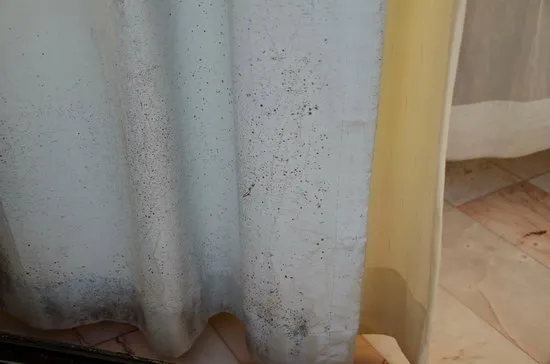
Why Curtains Are Susceptible to Mold
Curtains face unique conditions that make them vulnerable to mold growth:
High Humidity – During the rainy season, indoor humidity often exceeds 70%, creating a warm, moist environment ideal for mold spores to thrive.
Limited Sunlight – Many curtains block sunlight to reduce glare or maintain privacy. Unfortunately, sunlight is a natural deterrent to mold, so shaded areas are more susceptible.
Proximity to Windows – Condensation on windows frequently drips onto curtain fabrics, keeping them damp for hours or days.
Fabric Type – Natural fibers like cotton, linen, and silk absorb moisture more readily than synthetic materials, which increases the risk of mold.
Poor Air Circulation – Curtains that are left closed most of the time create stagnant air pockets, which exacerbate dampness.
Understanding why mold develops is crucial for designing effective prevention and treatment strategies.
Step 1: Immediate Action When You Notice Mold
Once you see visible mold or detect a musty odor, act quickly. Mold spreads rapidly in humid environments.
Remove Curtains Carefully
Wear gloves and a mask to avoid inhaling mold spores.
Avoid shaking the fabric, which can release spores into the air.
Take the curtains outdoors if possible to prevent spreading spores indoors.
Cleaning Small Mold Patches
For minor spots:
Vacuum First – Use a vacuum cleaner with a HEPA filter to remove loose spores.
Apply a Cleaning Solution – Mix a solution of water and mild detergent or vinegar (1 part vinegar to 2 parts water).
Spot Clean – Dab gently with a soft cloth or sponge, avoiding excessive rubbing that can damage fabric.
Rinse and Air Dry – Rinse with clean water and hang in direct sunlight or a well-ventilated area to dry completely.
Machine Washable Curtains
Check the care label for washing instructions.
Use warm water and detergent, optionally adding ½ cup of white vinegar to kill mold spores.
Dry thoroughly, preferably under sunlight or with a high airflow dryer.
Step 2: Deep Cleaning for Heavily Molded Curtains
If mold covers large areas, deep cleaning is necessary.
Ingredients for DIY Mold Removal
White vinegar or lemon juice (natural mold killers)
Baking soda (absorbs moisture and odors)
Oxygen bleach (color-safe alternative to chlorine bleach)
Cleaning Procedure
Soak in Vinegar Solution – Soak curtains in a vinegar-water solution for 30–60 minutes.
Gently Scrub – Use a soft brush to remove stubborn spots.
Wash Normally – Machine wash or hand wash with detergent.
Sun Dry Thoroughly – Sunlight not only dries the fabric but helps kill residual mold spores.
Step 3: Preventive Measures During Rainy Season
Once curtains are clean, prevention is the key to long-term success.
Control Indoor Humidity
Use dehumidifiers in rooms with high humidity.
Ensure windows are properly sealed to reduce condensation.
Use air conditioners with dehumidifying modes in particularly damp spaces.
Promote Air Circulation
Keep curtains partially open during the day to allow airflow.
Install ceiling fans or portable fans to circulate air near windows.
Avoid overcrowding windows with furniture that blocks air movement.
Choose Mold-Resistant Materials
Synthetic fabrics such as polyester, microfiber, or nylon are less prone to mold.
For natural fabrics, consider treatments like anti-mold sprays or fabric sealants.
Step 4: Daily Habits to Reduce Mold Risk
Consistent daily practices can significantly reduce mold formation.
Regularly Open Curtains – Sunlight is a natural fungicide and helps dry moisture.
Wipe Window Sills – Condensation on window frames can drip onto curtains; wipe frequently.
Use Moisture Absorbers – Silica gel packs or clay-based moisture absorbers in curtain folds absorb humidity.
Rotate Curtains – Occasionally remove or shift curtains to prevent prolonged exposure to damp areas.
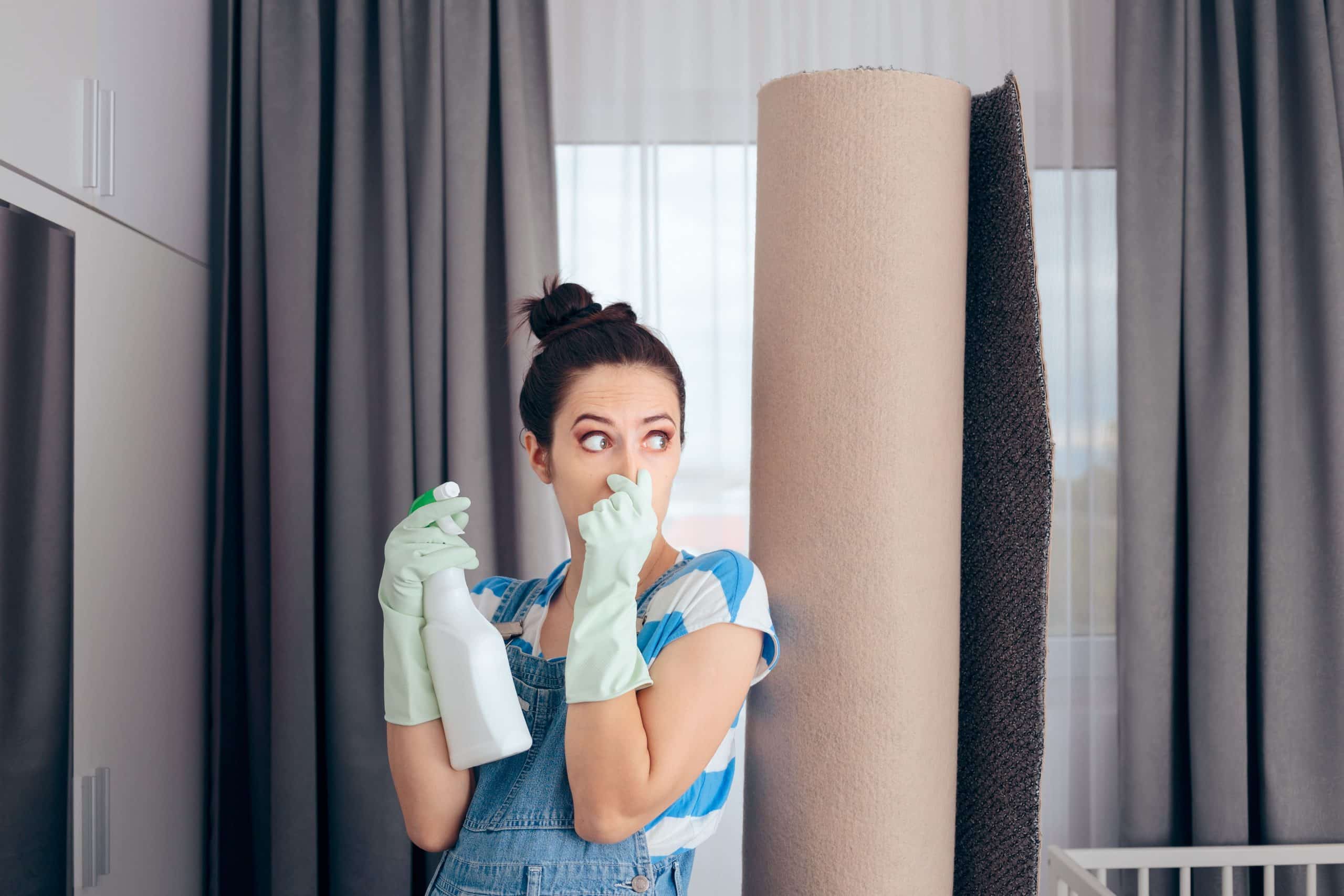
Step 5: Storage Solutions for Off-Season
Proper storage prevents mold during rainy or humid off-seasons.
Wash Before Storage – Ensure curtains are clean and completely dry.
Use Breathable Storage Bags – Avoid plastic bags that trap moisture; use cotton or fabric storage covers.
Store in a Dry, Ventilated Area – High shelves or closets away from damp walls are ideal.
Step 6: Handling Difficult Scenarios
Some situations require additional strategies:
Mold on Delicate Fabrics
Use vinegar or lemon juice sparingly.
Test cleaning solutions on a small, hidden area first.
Professional dry cleaning may be the safest option.
Persistent Musty Odors
Sprinkle baking soda on curtains overnight and shake or vacuum the next day.
Combine with vinegar spray for stubborn odors.
Ensure complete sun-drying after treatment.
Recurrent Mold in High-Humidity Rooms
Consider window insulation films to reduce condensation.
Install ventilation fans in bathrooms or kitchens to improve airflow.
Place dehumidifiers or moisture absorbers near windows.
Step 7: Long-Term Maintenance Strategy
Preventing mold is easier than dealing with it after it appears.
Regular Inspection – Check curtains weekly during the rainy season for early signs of mold.
Scheduled Washing – Wash curtains every 1–2 months in humid climates.
Anti-Mold Treatments – Consider periodic anti-mold sprays approved for fabrics.
Monitor Indoor Environment – Aim to keep indoor humidity below 60% during wet seasons.
Step 8: When to Replace Curtains
Even with diligent care, some curtains may become irreversibly damaged. Signs to replace include:
Persistent mold despite cleaning
Discoloration or fabric degradation
Stubborn odors that cannot be removed
Warping or structural weakness in pleats or folds
Replacing damaged curtains is preferable to risking continued exposure to mold spores, which can affect health.
Step 9: Additional Tips from Practical Experience
Experienced homeowners and cleaners recommend:
Multiple Layers of Protection – Combine dehumidifiers, fans, and sunlight rather than relying on a single solution.
Use Curtain Liners – Liners absorb moisture and protect outer fabrics.
Avoid Heavy Drapes in High-Humidity Areas – Light, airy fabrics dry faster and are less prone to mold.
Invest in Anti-Mold Window Treatments – Some window films prevent condensation, reducing curtain dampness.
Step 10: Health Considerations
Mold is not just a cosmetic issue; it can trigger:
Allergic reactions (sneezing, watery eyes)
Respiratory issues (especially in children or the elderly)
Musty odor sensitivity
Maintaining mold-free curtains protects both your home environment and personal health.
Conclusion: Turning Rainy Season Challenges into Opportunities
The rainy season brings unavoidable humidity, but mold growth on curtains can be effectively managed with proactive strategies.
Key Takeaways:
Immediate cleaning prevents mold from spreading.
Dehumidification and ventilation maintain optimal indoor moisture levels.
Strategic curtain placement and sunlight exposure reduce the risk of recurring mold.
Material choice, fabric care, and routine maintenance ensure longevity.
Health awareness emphasizes the importance of mold control beyond aesthetics.
By combining hands-on cleaning, preventive care, and environmental management, you can maintain fresh, mold-free curtains throughout the rainy season — protecting both your home and the well-being of everyone living there.
Proper curtain care is not just about preservation; it’s about creating a comfortable, healthy, and aesthetically pleasing living space even during the dampest months of the year.
Need Help with Your Custom Project?
Have questions about materials, sizing, or looking for a quick quote? Drop us a message and our experts will respond within 24 hours.
Chat on WhatsApp
+1 (304) 356-6765
Send us an Email
hello@incustom.com
Picked for You