
The great outdoors has a way of teaching us lessons about freedom, efficiency, and self-reliance. But ask any seasoned hiker, backpacker, or camper, and they’ll tell you that the weight of your gear can quickly become the defining factor between an enjoyable adventure and a miserable one. Every extra pound in your pack adds up, impacting your stamina, pace, and overall experience.
In recent years, the “lightweight” philosophy has transformed how outdoor enthusiasts approach their gear. Gone are the days of hauling heavy tents, multiple redundant gadgets, and bulky cooking setups. Instead, adventurers are learning to curate their equipment intentionally, focusing on versatility, efficiency, and quality over sheer quantity. Adopting a lightweight mindset is about more than trimming weight—it’s about redefining your relationship with your gear, optimizing your backpack, and ultimately enhancing your connection with nature.
This comprehensive guide explores how to rethink your outdoor gear collection from a lightweight perspective, practical tips for evaluating and upgrading your equipment, and strategies for assembling a kit that balances functionality, comfort, and efficiency.
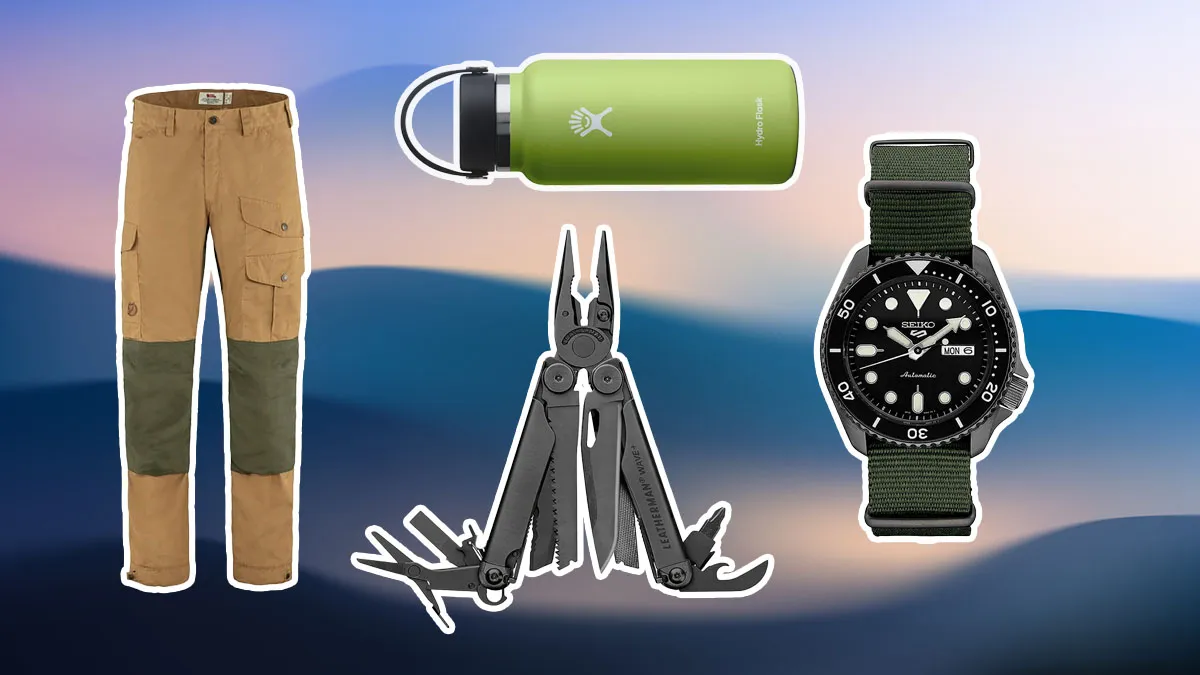
Why a Lightweight Mindset Matters
Before diving into gear selection, it’s crucial to understand why the lightweight approach has gained such momentum.
1. Physical Efficiency
Every ounce matters when you’re on the trail. Heavier packs increase fatigue, slow your pace, and elevate the risk of injury. By streamlining your gear, you conserve energy and move more comfortably, allowing you to cover longer distances with less strain.
2. Mental Clarity
A cluttered pack often leads to a cluttered mind. Constantly rummaging through unnecessary items can distract you from the experience. Lightweight gear simplifies decision-making and helps you focus on the adventure itself.
3. Versatility and Flexibility
When your pack is lighter, you have more flexibility to explore varied terrain, handle unexpected weather, or respond to unplanned challenges. Lightweight gear enables spontaneous detours and encourages adaptability.
4. Sustainability and Responsibility
High-quality, multifunctional gear reduces the need for frequent replacements. Choosing durable, lightweight items contributes to sustainability, as well as minimizing your environmental footprint on the trails.
Assessing Your Current Gear Collection
The first step in redefining your outdoor gear library is taking a hard look at what you already own. Many outdoor enthusiasts accumulate equipment over years of trips, recommendations, and impulse purchases. Without assessment, it’s easy to carry items you rarely use.
Step 1: Inventory Everything
Lay out every piece of equipment you plan to bring on a typical outing. Include:
Tents and shelters
Sleeping bags and pads
Backpacks
Cooking gear
Clothing layers and footwear
Navigation and safety tools
Personal items (water bottles, electronics, toiletries)
Step 2: Categorize by Frequency of Use
Create three categories:
Essential – Items you use on every trip.
Occasional – Useful in specific conditions but not daily.
Rare/Redundant – Items that see little to no use.
Focus first on the rare and redundant category; these items are prime candidates for replacement, downsizing, or removal.
Step 3: Identify Overlap
Some gear performs multiple functions. A versatile jacket, for example, may serve as rain protection, windproof insulation, and even an emergency shelter layer. Identify overlapping uses to reduce redundancy.
Lightweight Shelter: Choosing Tents and Sleeping Systems
Shelter represents some of the heaviest items in any backpack. Lightweight philosophy doesn’t mean compromising safety or comfort—it’s about smart choices.
1. Tents and Tarps
Single-wall tents are lighter than double-wall designs but may require extra ventilation to prevent condensation.
Tarps with trekking pole setups offer a minimalist solution for experienced campers, providing adequate protection at a fraction of the weight.
Consider modular designs: some ultralight shelters can double as ground cover or sunshade.
2. Sleeping Bags and Pads
Opt for down insulation over synthetic if weight is a priority, but ensure it’s responsibly sourced.
Compressible sleeping pads reduce bulk while maintaining comfort.
Evaluate seasonal needs; a three-season bag may suffice instead of carrying two separate bags.
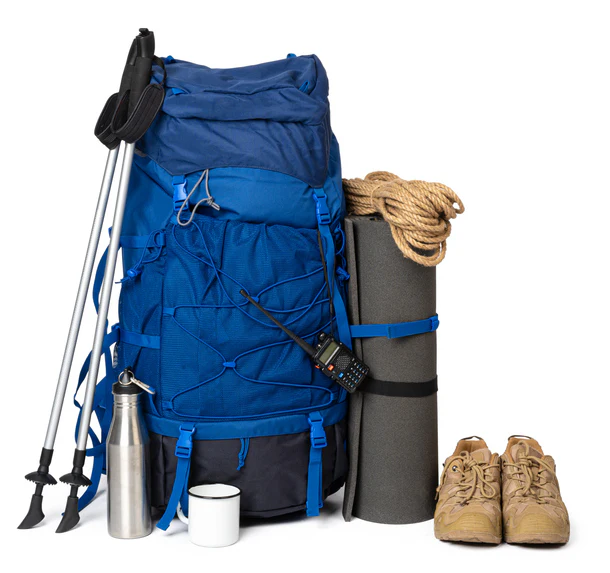
Ultralight Cooking Gear
Food and cooking equipment add both weight and bulk. Lightweight thinking emphasizes simplicity without sacrificing nutrition.
Titanium cookware is durable, lightweight, and conductive.
Collapsible or nested sets reduce wasted space.
Single-burner stoves with minimal fuel requirements often outperform larger setups in efficiency.
Consider freeze-dried meals or compact, multi-use food containers to cut down on packing complexity.
Backpacks: The Core of Your Lightweight System
Your backpack carries everything, so its weight and design are critical.
Key Features to Look For:
Frame type – Ultralight frameless packs reduce weight but require careful weight distribution.
Material – Ripstop nylon, Dyneema, or other lightweight fabrics resist wear without adding bulk.
Capacity – Choose a pack slightly larger than your average load; avoid oversizing, which encourages overpacking.
Adjustability – Shoulder and hip strap customization improves comfort even under lighter loads.
Packing Technique
Heaviest items close to your back to maintain stability.
Frequently used items in external pockets for easy access.
Compression sacks for clothing and sleeping gear reduce bulk and allow optimal distribution.
Clothing: Less Can Be More
Layering remains the cornerstone of lightweight outdoor clothing. Focus on multifunctional garments:
Base layers that wick moisture and dry quickly.
Mid-layers that provide insulation but can also serve as windbreaks.
Shell layers for rain protection with minimal bulk.
Convertible pants or jackets to adjust to changing temperatures and conditions.
Avoid carrying clothing “just in case.” Instead, plan layers around likely conditions and embrace versatile pieces.
Tools, Navigation, and Safety Equipment
Lightweight thinking extends beyond physical gear to tools and electronics.
Compact navigation: a GPS device or smartphone with offline maps can replace heavier map and compass combinations if backup systems are still considered.
Multifunctional knives or tools reduce redundancy.
Emergency kits should focus on essentials: whistle, fire starter, compact first aid supplies.
Headlamps over flashlights save weight and free your hands for other tasks.
Water Management: Efficient Hydration Systems
Water is heavy. Lightweight outdoor philosophy emphasizes minimalism with redundancy.
Collapsible water bottles or hydration bladders reduce bulk.
Ultralight filters or chemical treatments enable access to natural sources without carrying large reserves.
Plan refill points along your route to avoid excess water weight.
Evaluating Electronics and Gadgets
Technology can improve safety and convenience but can also add unnecessary weight.
Decide which devices truly enhance your trip: GPS, headlamp, or emergency communication device are often essential.
Leave behind items that are redundant or non-critical: multiple power banks, tablets, or unnecessary cameras.
Consider solar chargers or lightweight batteries rather than carrying excess power packs.
Adopting the Mindset: Intentional Minimalism
Lightweight gear is only part of the philosophy. The underlying principle is intentionality—bringing only what you truly need while understanding trade-offs.
Ask yourself: “Do I really need this item?”
Test new gear in day trips before committing to multi-day excursions.
Prioritize multi-use items over single-purpose objects.
Continuously refine your collection: as you gain experience, some items become unnecessary or redundant.
Case Study: Transitioning to a Lightweight Gear Kit
Consider a typical three-season backpacking setup:
Original pack weight: 35 pounds
Tent: 7 pounds
Sleeping system: 6 pounds
Cooking: 5 pounds
Clothing: 5 pounds
Miscellaneous gear: 7 pounds
Through lightweight upgrades:
Ultralight tent: 3 pounds
Down sleeping bag + pad: 4 pounds
Compact cooking setup: 2 pounds
Streamlined clothing: 3 pounds
Optimized miscellaneous gear: 3 pounds
Resulting pack weight: 15 pounds, cutting more than half the load while maintaining safety and comfort. This reduction dramatically increases mobility and reduces fatigue on long hikes.
The Psychological Benefits of a Streamlined Gear Collection
A lighter pack and a carefully curated gear library not only improve physical performance but also mental clarity.
Less time spent managing unnecessary items.
Fewer distractions, allowing focus on the trail or campsite.
Enhanced enjoyment and a sense of freedom.
Greater confidence in your ability to handle unexpected challenges.
Lightweight thinking encourages mindfulness, intentionality, and respect for your outdoor experience.
Maintenance and Longevity
Lightweight gear is often more expensive per unit of weight, making maintenance critical:
Regularly inspect tents, sleeping systems, and backpacks for wear and tear.
Need Help with Your Custom Project?
Have questions about materials, sizing, or looking for a quick quote? Drop us a message and our experts will respond within 24 hours.
Chat on WhatsApp
+1 (304) 356-6765
Send us an Email
hello@incustom.com
Picked for You