Renter-Friendly Window Solutions: A Complete Comparison of No-Drill Curtain Installation Options

Mar 24 2026
For renters, decorating a space often involves a careful balance between personalization and preservation. Landlords may prohibit drilling holes, security deposits depend on avoiding wall damage, and temporary living situations demand flexibility. Yet window treatments remain essential for privacy, light control, insulation, and aesthetics.
Traditional curtain installation usually requires screws, anchors, and permanent brackets—solutions that simply don’t work for many rental homes. Fortunately, modern no-drill curtain installation systems offer practical alternatives that allow renters to upgrade their living spaces without tools, structural damage, or complicated installation.
This comprehensive guide evaluates the most popular no-drill curtain mounting methods, comparing stability, ease of installation, durability, and real-world usability across different rental scenarios.
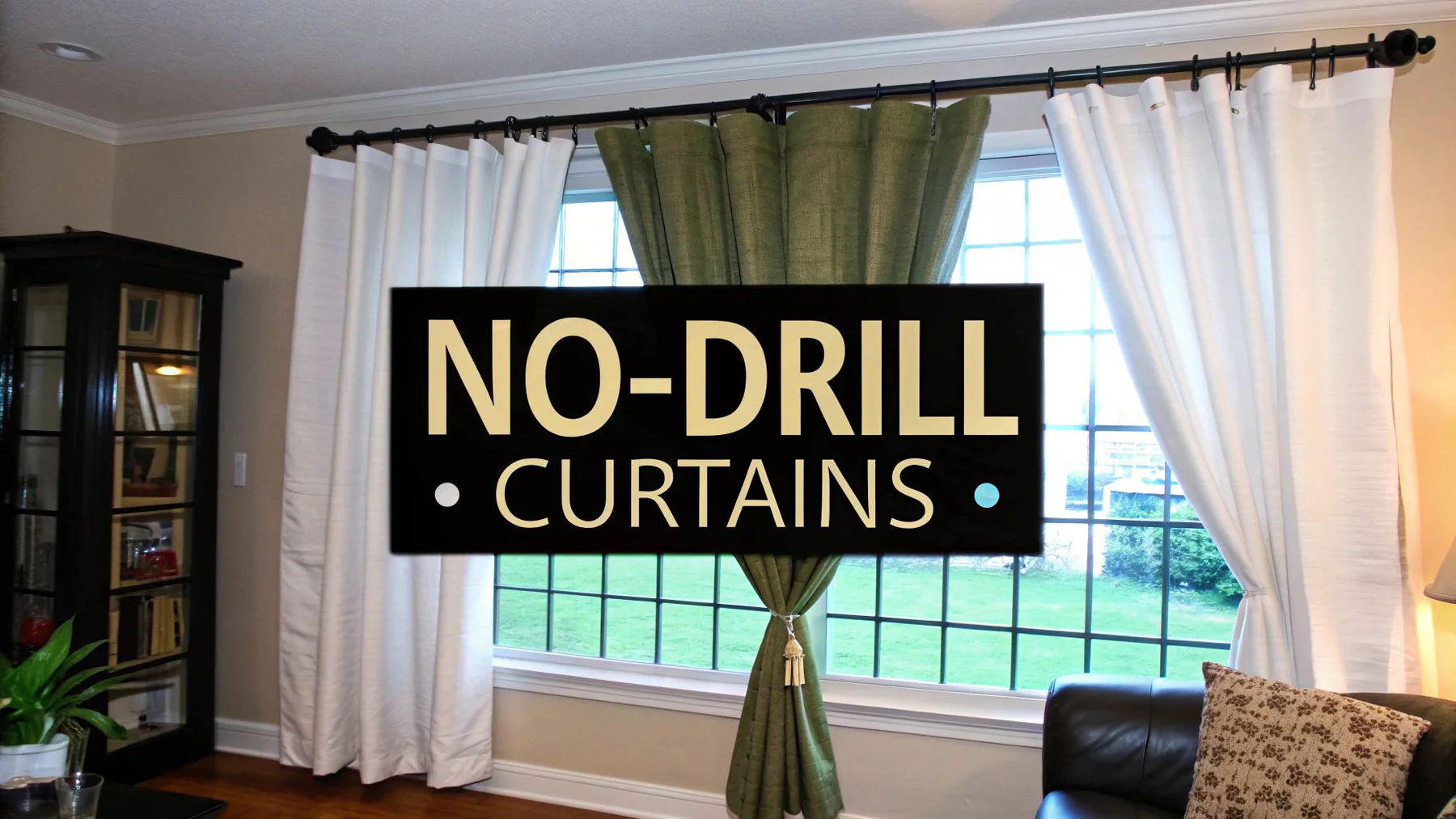
Why Renters Need No-Drill Curtain Solutions
Window coverings are more than decoration. They directly affect daily comfort.
Privacy Control
Apartments often face neighboring buildings or shared walkways, making curtains essential for maintaining personal space.
Light Management
Streetlights, early sunlight, and city glare can disrupt sleep and productivity without proper window coverage.
Temperature Regulation
Curtains help reduce heat gain in summer and retain warmth in winter, improving indoor comfort without altering HVAC systems.
Personal Style
Renters want their space to feel like home—even temporarily.
No-drill systems solve these needs while respecting lease agreements.
What Makes a Good No-Drill Curtain Installation?
Before comparing solutions, it helps to define evaluation criteria.
1. Installation Simplicity
Can one person install it without tools?
2. Wall Protection
Does it leave marks, residue, or paint damage?
3. Load Capacity
Can it hold light sheers, blackout curtains, or heavier fabrics?
4. Stability Over Time
Does it stay secure after months of use?
5. Reusability
Can it move easily to a new apartment?
These factors determine whether a system is renter-friendly in real life—not just in advertising.
Overview of Popular No-Drill Curtain Installation Types
The main categories include:
- Tension rods
- Adhesive mounting brackets
- Magnetic curtain rods
- Clamp-based window frame systems
- Command-style hook systems
- No-drill track rails
- Freestanding curtain frames
Each offers unique advantages depending on window structure and curtain weight.
Option 1: Tension Rods — The Classic Renter Solution
How They Work
Tension rods use internal springs or twisting mechanisms to create outward pressure between two surfaces, holding the rod in place without hardware.
Best Applications
- Window recesses
- Small to medium windows
- Lightweight to medium curtains
Advantages
- Extremely easy installation
- No wall contact outside window frame
- Affordable and widely available
- Fully removable
Limitations
- Requires recessed window frames
- May slip under heavy weight
- Limited width ranges
Performance Rating
| Category | Score |
|---|---|
| Ease of Installation | Excellent |
| Stability | Good |
| Heavy Curtain Support | Moderate |
| Wall Safety | Excellent |
Tension rods remain one of the most reliable entry-level options.
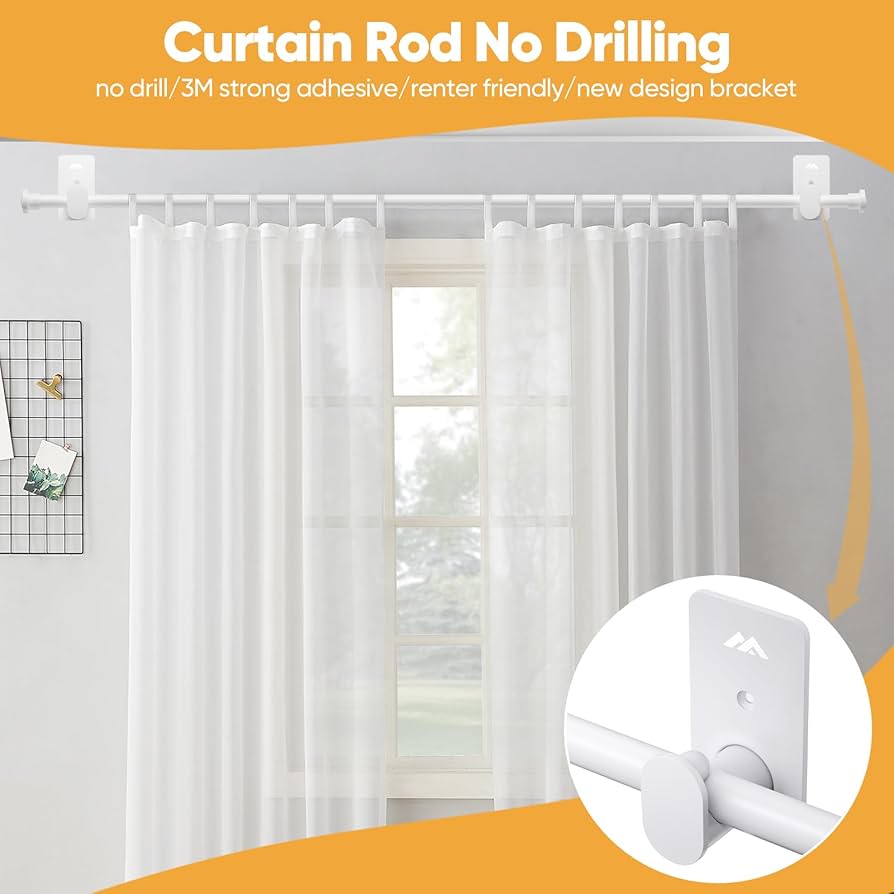
Option 2: Adhesive Mounting Brackets
How They Work
Strong adhesive pads attach brackets directly to walls or window frames, allowing a traditional curtain rod to snap into place.
Ideal For
- Modern apartments with smooth painted walls
- Renters wanting traditional curtain aesthetics
Advantages
- Clean, minimalist appearance
- Compatible with standard curtain rods
- No tools required
Challenges
- Adhesive quality varies
- Removal may affect delicate paint
- Requires proper surface preparation
Installation Tips
- Clean surfaces thoroughly before application.
- Allow adhesive curing time before hanging curtains.
- Avoid textured walls.
Performance Rating
| Category | Score |
|---|---|
| Ease of Installation | Very Good |
| Stability | Good |
| Reusability | Moderate |
| Wall Safety | Variable |
Adhesive brackets provide strong performance when installed correctly.
Option 3: Magnetic Curtain Rod Systems
How They Work
Magnets attach rods directly to metal window frames or steel surfaces.
Best Use Cases
- Metal doors
- Steel window frames
- Industrial-style apartments
Benefits
- Instant installation
- No residue or marks
- Adjustable positioning
Drawbacks
- Limited compatibility
- Weight capacity depends on magnet strength
Performance Rating
| Category | Score |
|---|---|
| Ease of Installation | Excellent |
| Stability | Moderate |
| Compatibility | Limited |
| Wall Safety | Excellent |
Ideal but niche solution depending on building materials.
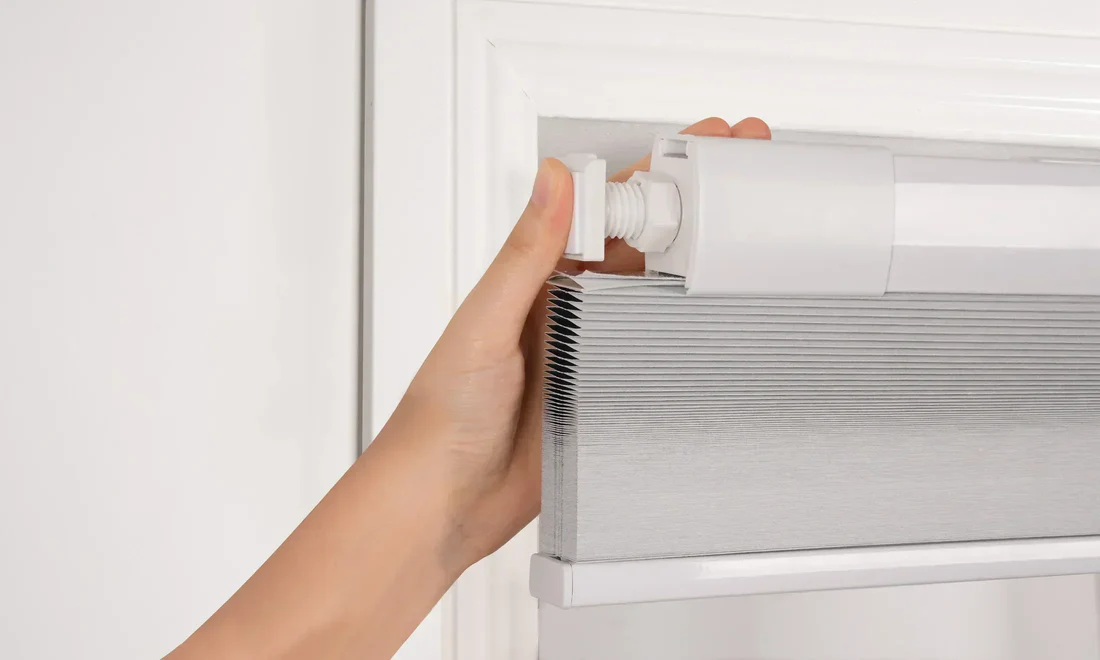
Option 4: Clamp-Based Window Frame Mounts
How They Work
Mechanical clamps grip window frames securely without drilling.
Advantages
- Strong weight support
- No adhesives required
- Adjustable positioning
Ideal For
- Heavier curtains
- Frequent opening and closing
- Long-term rentals
Limitations
- Requires compatible frame thickness
- Visible hardware may affect aesthetics
Performance Rating
| Category | Score |
|---|---|
| Strength | Excellent |
| Installation Difficulty | Moderate |
| Reusability | Excellent |
| Wall Safety | Excellent |
Clamp mounts offer one of the most stable renter-friendly solutions.
Option 5: Adhesive Hook Systems
How They Work
Heavy-duty removable hooks support lightweight rods or curtain rings.
Advantages
- Extremely flexible placement
- Low cost
- Minimal hardware visibility
Weaknesses
- Limited weight capacity
- Adhesive degradation over time
Best suited for:
- Sheer curtains
- Decorative panels
- Temporary setups
Option 6: No-Drill Ceiling Track Rails
How They Work
Adhesive or compression-mounted tracks allow curtains to glide smoothly along rails.
Why They’re Popular
- Modern appearance
- Hotel-style curtain movement
- Even weight distribution
Ideal Environments
- Studio apartments
- Room dividers
- Large windows
Considerations
- Installation precision required
- Surface strength critical
These systems provide a premium look without permanent installation.
Option 7: Freestanding Curtain Frames
How They Work
Independent frames stand on the floor and hold curtains without touching walls.
Advantages
- Zero wall contact
- Fully portable
- Doubles as room divider
Downsides
- Takes floor space
- Less integrated appearance
Perfect for:
- Temporary living arrangements
- Shared rooms
- Flexible layouts
Comparing Stability Across Curtain Weights
| Curtain Type | Best No-Drill Solution |
|---|---|
| Sheer curtains | Adhesive hooks, tension rods |
| Linen curtains | Adhesive brackets, clamps |
| Blackout curtains | Clamp mounts, track rails |
| Thermal curtains | Clamp mounts, freestanding frames |
Matching curtain weight to mounting system prevents failure.
Installation Mistakes Renters Commonly Make
Ignoring Surface Preparation
Dust and oils weaken adhesive bonds dramatically.
Overloading Lightweight Systems
Every mounting solution has weight limits.
Skipping Alignment Checks
Uneven installation increases stress and instability.
Immediate Use After Installation
Adhesives often require curing time.
Patience improves long-term reliability.
Design Considerations for Rental Spaces
No-drill installations can still look polished and intentional.
Use Taller Mounting Positions
Installing curtains higher creates the illusion of larger windows.
Choose Neutral Hardware Colors
Black, matte white, or brushed metal blend with most interiors.
Extend Curtain Width
Wider rods make windows appear larger.
Good design enhances temporary spaces significantly.
Maintenance and Longevity Tips
To keep installations secure:
- Check mounts monthly.
- Avoid sudden pulling motions.
- Wash curtains regularly to reduce added weight from dust.
- Reapply adhesive systems when moving apartments.
Small maintenance habits extend usability.
Budget vs Premium No-Drill Systems
Budget Options
- Tension rods
- Adhesive hooks
Best for short-term rentals.
Mid-Range Options
- Adhesive brackets
- Clamp mounts
Balanced durability and cost.
Premium Options
- Ceiling tracks
- Freestanding systems
Best aesthetics and long-term flexibility.
Choosing Based on Rental Duration
| Rental Length | Recommended Solution |
|---|---|
| Under 1 year | Tension rods or hooks |
| 1–3 years | Adhesive brackets or clamps |
| Long-term rental | Track rails or freestanding frames |
Your expected stay influences the best investment.
Sustainability Benefits of No-Drill Systems
Reusable installations reduce:
- Wall repairs
- Material waste
- Replacement hardware purchases
Many systems can move between homes multiple times, extending product life cycles.
Future Trends in Renter-Friendly Window Treatments
Emerging innovations include:
- Tool-free modular curtain systems
- Smart adjustable tension mechanisms
- Damage-free mounting adhesives
- Integrated blackout and acoustic panels
Rental living continues driving innovation in flexible interior solutions.
Final Verdict: Which No-Drill Curtain Solution Wins?
There is no universal winner—only the best match for specific needs.
- Best overall simplicity: Tension rods
- Best traditional look: Adhesive brackets
- Best strength: Clamp mounts
- Best modern design: No-drill track rails
- Best portability: Freestanding frames
For most renters, combining solutions across different rooms creates the ideal balance between convenience, stability, and aesthetics.
Final Thoughts: Making Rental Spaces Feel Permanent Without Permanent Changes
Living in a rental doesn’t mean sacrificing comfort or style. Modern no-drill curtain installation systems empower renters to control light, privacy, and interior design without risking lease violations or repair costs.
By understanding installation methods, weight limits, and real-world performance differences, renters can confidently choose solutions that transform temporary spaces into personalized homes.
The best renter-friendly upgrades are those that leave no trace behind—except improved comfort and a space that truly feels like your own.
Need Help with Your Custom Project?
Have questions about materials, sizing, or looking for a quick quote? Drop us a message and our experts will respond within 24 hours.
Chat on WhatsApp
+1 (304) 356-6765
Send us an Email
hello@incustom.com
Picked for You