Rusty Curtain Hooks? Practical Prevention and Repair Tips to Save Your Custom Curtains

Mar 17 2026
Introduction: The Small Hardware Problem That Can Ruin Beautiful Curtains
Custom curtains are often chosen for their elegance, perfect fit, and ability to transform a room’s atmosphere. Homeowners invest carefully in fabric selection, pleat styles, lining options, and installation details — yet one tiny component is frequently overlooked until damage appears: the curtain hook.
When curtain hooks begin to rust, the problem spreads quickly. Brown stains appear on fabric, curtains stop gliding smoothly, and the overall appearance shifts from refined to neglected. Worse, rust damage can permanently stain expensive textiles if ignored.
The good news is that rusty hooks rarely mean your curtains are beyond saving. With the right prevention strategies and repair techniques, you can stop corrosion early and extend the life of both your hardware and fabric.
This comprehensive guide explains why curtain hooks rust, how to fix them safely, and how to prevent the issue from returning.
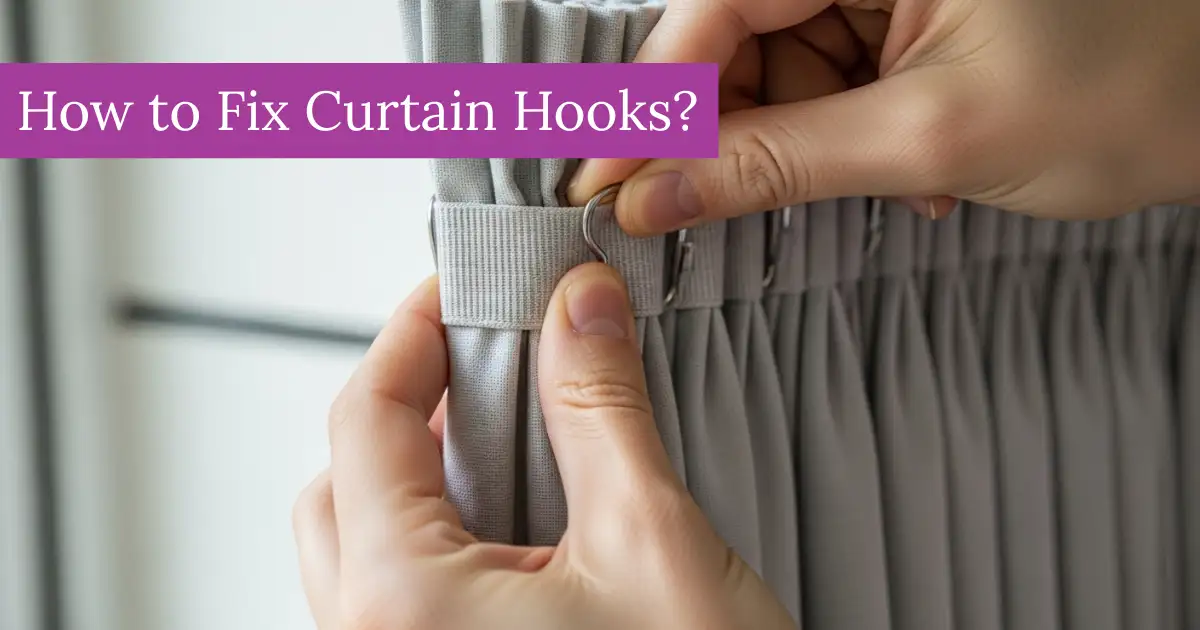
Why Curtain Hooks Rust in the First Place
Rust forms when metal reacts with oxygen and moisture over time. Curtain hardware may seem protected indoors, but several hidden environmental factors accelerate corrosion.
Moisture Is the Primary Trigger
Indoor humidity is often higher than people realize. Common sources include:
Cooking steam
Shower humidity
Air conditioning condensation
Poor ventilation
Seasonal humidity changes
Even small amounts of moisture trapped near curtain headers create ideal conditions for rust formation.
Condensation Around Windows
Windows frequently experience temperature differences between indoor and outdoor air.
This creates condensation that:
Collects on metal hooks
Transfers moisture into pleats
Remains unnoticed behind fabric folds
Over months, oxidation begins silently.
Low-Quality or Uncoated Metal Hardware
Not all curtain hooks are made equally.
Lower-cost hooks may lack:
Anti-rust coatings
Stainless steel composition
Protective plating
Once the coating wears away through friction, corrosion accelerates rapidly.
Cleaning Mistakes That Cause Rust
Ironically, well-intentioned cleaning habits often trigger corrosion.
Examples include:
Washing curtains with hooks still attached
Using water-based cleaners on hardware
Air-drying curtains slowly in humid rooms
Water trapped inside pleats can remain for days.
Early Warning Signs of Rust Damage
Catching rust early prevents permanent fabric stains.
Watch for these signs:
Orange or brown dust near hook areas
Curtains sticking during movement
Metallic odor near the header
Small discoloration spots on lining
Flaking metal particles
Early-stage rust is much easier to treat than advanced corrosion.
Why Rust Is Dangerous for Custom Curtains
Rust is not just cosmetic.
Fabric Staining
Rust particles bond chemically with textile fibers, especially natural fabrics like cotton or linen.
Once stains set, removal becomes extremely difficult.
Structural Damage
Weak hooks may:
Bend under weight
Break suddenly
Cause uneven curtain hanging
Damage pleats and stitching
Heavy custom curtains place constant stress on hardware.
Track and Rod Damage
Rust spreads through friction.
Corroded hooks scratch:
Curtain tracks
Rings
Rod finishes
This creates a chain reaction of wear throughout the system.
Step-by-Step: How to Fix Rusty Curtain Hooks Safely
Before starting, remove curtains carefully to avoid spreading rust onto fabric.
Step 1: Inspect the Severity
Separate hooks into categories:
Light surface rust
Moderate corrosion
Severe structural damage
Heavily weakened hooks should be replaced immediately.
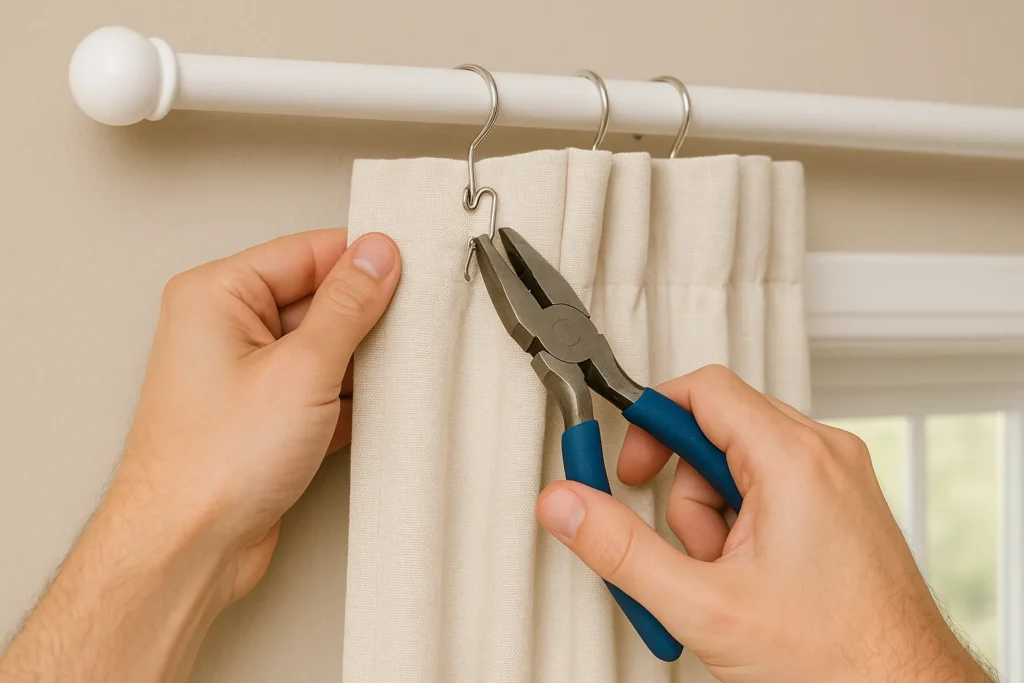
Step 2: Remove Surface Rust
For mild rust:
Mix baking soda with a small amount of water to form a paste.
Apply gently using a soft toothbrush.
Scrub lightly to avoid removing protective coatings.
Wipe clean with a damp cloth.
Dry completely.
Avoid soaking hooks in water.
Step 3: Use Vinegar for Moderate Rust
White vinegar helps dissolve oxidation.
Method:
Soak only the metal portion briefly (10–20 minutes).
Rinse quickly.
Dry immediately using a towel and hair dryer if necessary.
Never leave hooks wet.
Step 4: Apply Protective Coating
After cleaning:
Use clear anti-rust spray or metal protectant.
Allow full drying before reinstalling.
This creates a moisture barrier.
Step 5: Replace When Necessary
If hooks show:
Deep pitting
Cracking
Bending
Replacement is safer than repair.
Hardware is inexpensive compared to curtain replacement.
How to Remove Rust Stains From Curtain Fabric
Act quickly — fresh stains respond best.
Method 1: Lemon Juice and Salt
Place fabric flat.
Apply lemon juice to stain.
Sprinkle salt lightly.
Let sit in indirect sunlight.
Rinse gently.
Natural acids help lift oxidation marks.
Method 2: Commercial Rust Removers (Fabric-Safe)
Always test on hidden areas first.
Avoid chlorine bleach, which can worsen rust stains.
Method 3: Professional Cleaning
For delicate or lined custom curtains, professional treatment prevents fabric distortion.
Preventing Curtain Hook Rust: Long-Term Strategies
Prevention is far easier than repair.
Choose Better Materials
When replacing hooks, look for:
Stainless steel
Plastic-coated metal
Nickel-plated hardware
Aluminum alloy options
These resist moisture damage significantly better.
Control Indoor Humidity
Ideal indoor humidity ranges between 40%–50%.
Use:
Dehumidifiers
Bathroom exhaust fans
Kitchen ventilation
HVAC humidity control
Lower moisture slows oxidation dramatically.
Never Wash Curtains With Hooks Attached
Always remove hardware before washing or steaming.
This single habit prevents most rust issues.
Improve Air Circulation Around Windows
Keep airflow moving by:
Opening curtains periodically
Avoiding tightly packed pleats when damp
Using ceiling fans occasionally
Air movement prevents trapped moisture.
Perform Seasonal Hardware Checks
Twice per year:
Inspect hooks
Check rings and tracks
Clean dust buildup
Tighten supports
Small maintenance prevents large repairs.
Best Hook Types for Humid Environments
Certain designs perform better in moisture-prone homes.
Plastic-Coated Hooks
Provide excellent corrosion resistance and smooth movement.
Stainless Steel Hooks
Ideal for long-term durability and heavier curtains.
Hidden Pin Hooks With Protective Finish
Reduce exposure to air and moisture.
Common Mistakes That Accelerate Rust
Avoid these habits:
Hanging damp curtains
Spraying cleaners near hardware
Ignoring minor rust spots
Using abrasive scrubbers
Installing mismatched metals together
Mixed metals can create galvanic corrosion.
When It’s Time to Upgrade the Entire Hanging System
Sometimes rust signals a larger issue.
Consider upgrading if:
Tracks feel rough or noisy
Hooks rust repeatedly
Curtains hang unevenly
Hardware shows widespread wear
Modern glide systems reduce friction and moisture retention.
Maintenance Routine for Rust-Free Curtain Hardware
Monthly
Check movement smoothness
Look for discoloration
Every 3–6 Months
Wipe hooks with dry cloth
Inspect window condensation areas
Annually
Remove curtains briefly for inspection
Replace worn hardware proactively
Consistency keeps problems small.
Why Small Hardware Matters in Interior Design Longevity
Curtains are dynamic elements — they move daily, carry weight, and interact with environmental conditions constantly.
Hardware quality determines:
How smoothly curtains operate
How evenly they hang
How long fabric remains clean
Overall visual polish
Ignoring hardware maintenance undermines even the highest-quality custom curtains.
Cost Comparison: Prevention vs. Replacement
Replacing hooks costs very little compared to repairing stained custom curtains or ordering new panels.
Preventive maintenance protects:
Fabric investment
Installation costs
Interior aesthetics
Long-term functionality
Small attention today avoids expensive surprises later.
Conclusion: Rust Is Preventable With the Right Habits
Rusty curtain hooks may seem like a minor inconvenience, but they can quietly damage fabric, hardware, and overall curtain performance.
Fortunately, the solution is straightforward:
Address moisture early
Clean and protect hardware regularly
Replace low-quality hooks proactively
Maintain proper indoor humidity
With simple preventive care and timely repairs, custom curtains can remain smooth, elegant, and functional for many years.
Sometimes preserving beautiful interiors is not about major renovations — it is about caring for the smallest components that support them every single day.
Need Help with Your Custom Project?
Have questions about materials, sizing, or looking for a quick quote? Drop us a message and our experts will respond within 24 hours.
Chat on WhatsApp
+1 (304) 356-6765
Send us an Email
hello@incustom.com
Picked for You