Safety Standards for Landscape Engineering: A Garden Structural Design Guide for Extreme Weather Protection

Aug 06 2026
Introduction: Why Extreme Weather Resilience Has Become Essential in Modern Landscape Design
Outdoor gardens have always represented beauty, relaxation, and connection with nature. However, modern landscape engineering faces new challenges as extreme weather events become more frequent and unpredictable.
Heavy rainfall, strong winds, intense heat, freezing temperatures, and sudden climate changes can place significant pressure on outdoor structures and garden systems.
A beautifully designed garden is no longer enough.
Today’s high-quality landscape projects must also be:
- Safe
- Durable
- Weather-resistant
- Environmentally responsible
- Adaptable to changing conditions
For residential communities, luxury homes, commercial landscapes, and public outdoor spaces, structural safety has become one of the most important considerations in garden design.
A successful landscape project must answer critical questions:
- Can outdoor structures withstand strong winds?
- Can drainage systems handle extreme rainfall?
- Can retaining walls remain stable after storms?
- Can materials maintain performance under temperature changes?
- Can plants and structures coexist safely during severe weather?
The answer depends on professional planning, appropriate material selection, engineering calculations, and long-term maintenance.
Modern landscape engineering is not only about creating attractive outdoor environments. It is about designing living spaces that remain reliable when nature becomes unpredictable.
1. Understanding the Impact of Extreme Weather on Garden Structures
Before creating a resilient landscape design, engineers must understand how different weather conditions affect outdoor environments.
Extreme weather does not damage gardens in only one way.
Different conditions create different structural challenges.
1.1 Heavy Rainfall and Water Management Challenges
Excessive rainfall is one of the most common threats to landscape structures.
When rainwater cannot drain efficiently, it may create:
- Soil erosion
- Plant root damage
- Foundation problems
- Pavement movement
- Retaining wall pressure
- Water accumulation
Traditional garden designs often focus on appearance while overlooking water movement.
However, professional landscape engineering treats water management as a fundamental design element.
A reliable drainage system should consider:
- Rainfall intensity
- Soil characteristics
- Terrain slope
- Surface materials
- Water collection points
1.2 Strong Winds and Structural Stability Risks
Wind can create serious risks for outdoor structures.
Common vulnerable elements include:
- Pergolas
- Gazebos
- Fences
- Outdoor furniture
- Decorative installations
- Large trees
Strong wind does not only push structures horizontally. It can also create lifting forces that affect foundations and connection points.
For this reason, landscape structures must be designed with:
- Proper anchoring systems
- Strong connection details
- Appropriate material selection
- Wind-resistant layouts
A structure that looks stable under normal conditions may fail during extreme weather without proper engineering.
1.3 Extreme Heat and Material Performance
High temperatures can affect both plants and construction materials.
Heat-related problems may include:
- Material expansion
- Surface cracking
- Color fading
- Reduced structural strength
- Increased water evaporation
Outdoor materials must be selected according to environmental conditions.
Important considerations include:
- Heat resistance
- UV exposure resistance
- Thermal expansion behavior
- Long-term durability
1.4 Freezing Temperatures and Seasonal Damage
Cold climates create different challenges.
Freeze-thaw cycles can damage:
- Stone surfaces
- Concrete structures
- Irrigation systems
- Outdoor plumbing
- Paving materials
When water enters small cracks and freezes, expansion can gradually enlarge damage.
A durable landscape design must consider winter conditions from the beginning.
2. Core Principles of Safe Landscape Engineering Design
Creating a weather-resistant garden requires more than selecting strong materials.
Safety comes from integrating multiple design principles.
2.1 Site Analysis Before Construction
Every landscape project begins with understanding the site.
Professional evaluation should include:
Soil Conditions
Soil affects:
- Plant growth
- Drainage performance
- Foundation stability
- Retaining structure requirements
Different soil types respond differently to moisture and pressure.
Terrain and Slope Analysis
The natural shape of the land influences water movement and structural stability.
Important factors include:
- Elevation changes
- Surface runoff direction
- Potential erosion areas
Poor slope planning can create long-term safety problems.
Local Climate Conditions
Landscape engineers should consider:
- Average rainfall
- Wind patterns
- Temperature ranges
- Seasonal weather changes
A garden designed for one climate may fail in another.
2.2 Designing With Nature Instead of Against Nature
A resilient landscape does not fight natural conditions.
It works with them.
Examples include:
- Using plants to reduce erosion
- Creating natural water absorption areas
- Preserving existing trees when possible
- Designing drainage according to terrain
Nature-based solutions often improve both safety and beauty.
3. Drainage System Design: The Foundation of Weather-Resistant Gardens
Among all landscape safety systems, drainage is one of the most important.
Water is essential for gardens, but uncontrolled water creates serious risks.
A professional drainage design helps:
- Protect structures
- Maintain plant health
- Prevent soil erosion
- Reduce maintenance costs
3.1 Surface Drainage Planning
Surface drainage controls how rainwater moves across the garden.
Common solutions include:
- Sloped surfaces
- Drain channels
- Gravel layers
- Permeable paving
The goal is to guide water safely away from structures.
3.2 Permeable Landscape Materials
Traditional impermeable surfaces can increase water runoff.
Modern landscape engineering increasingly uses permeable materials.
Benefits include:
- Better water absorption
- Reduced flooding risk
- Improved soil moisture balance
- Lower pressure on drainage systems
Examples include:
- Permeable concrete
- Porous stone surfaces
- Gravel systems
- Specialized outdoor paving materials
3.3 Rainwater Collection and Reuse
Extreme rainfall events may create challenges, but collected water can also become a resource.
Rainwater management systems can include:
- Storage tanks
- Rain gardens
- Bioswales
- Natural filtration areas
These systems reduce pressure on drainage networks while supporting sustainable garden management.
4. Structural Safety Standards for Outdoor Garden Elements
Outdoor structures must be designed for both beauty and stability.
Every structural element requires careful consideration.
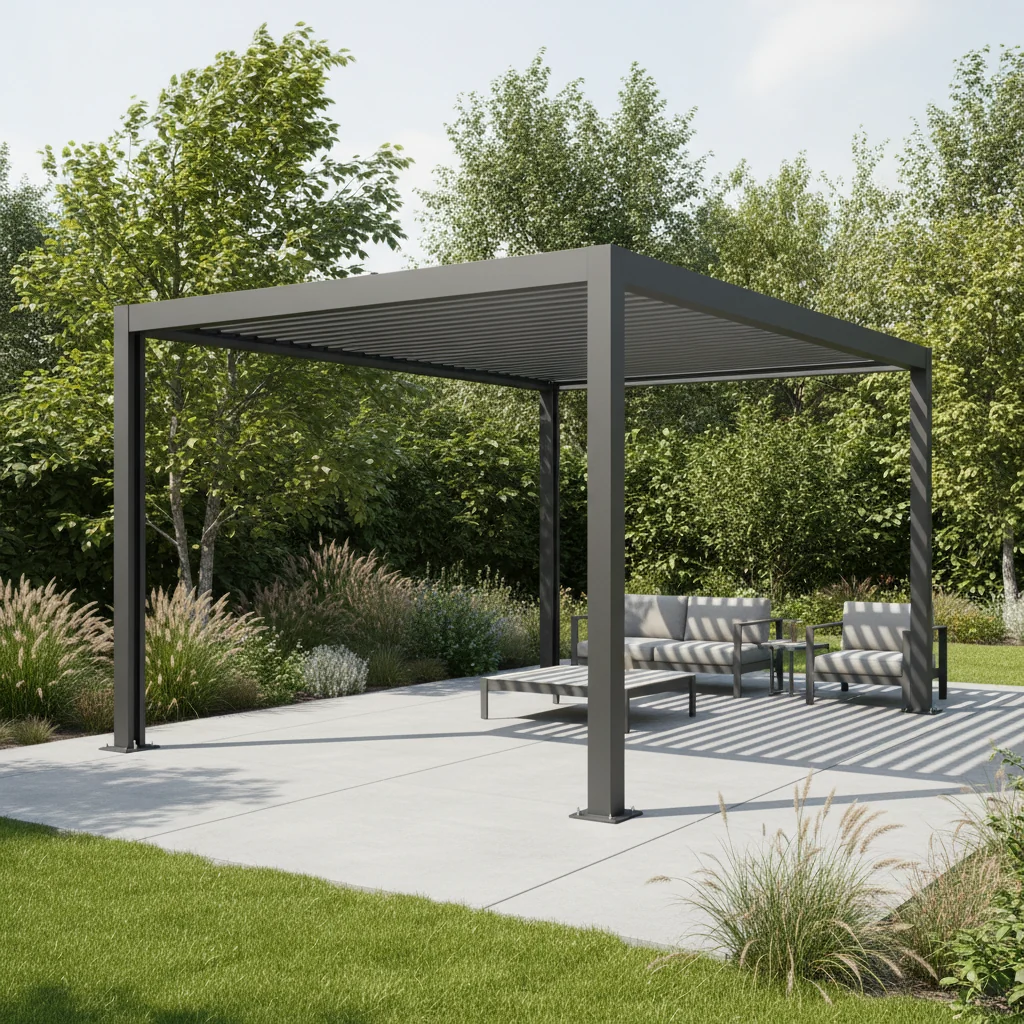
4.1 Pergolas and Gazebos
Pergolas and gazebos are popular features in premium residential gardens.
However, they must withstand:
- Wind loads
- Rain exposure
- Temperature changes
Important design considerations include:
- Strong foundations
- Durable connection points
- Weather-resistant materials
- Proper roof drainage
A decorative structure without engineering consideration may become a safety risk during storms.
4.2 Retaining Walls
Retaining walls are essential in landscapes with elevation changes.
Their purpose is to:
- Control soil movement
- Prevent erosion
- Create usable garden levels
However, retaining walls face significant pressure from:
- Soil weight
- Water accumulation
- Seasonal changes
A safe retaining wall design requires:
- Proper foundation depth
- Effective drainage behind the wall
- Suitable construction materials
- Structural calculations
Water pressure is one of the biggest causes of retaining wall failure.
4.3 Outdoor Pathways and Hardscape Safety
Walkways must remain safe under different weather conditions.
Important factors include:
- Slip resistance
- Surface drainage
- Material durability
- Freeze resistance
A beautiful pathway that becomes slippery during rain creates unnecessary safety risks.
5. Plant Selection and Arrangement for Extreme Weather Protection
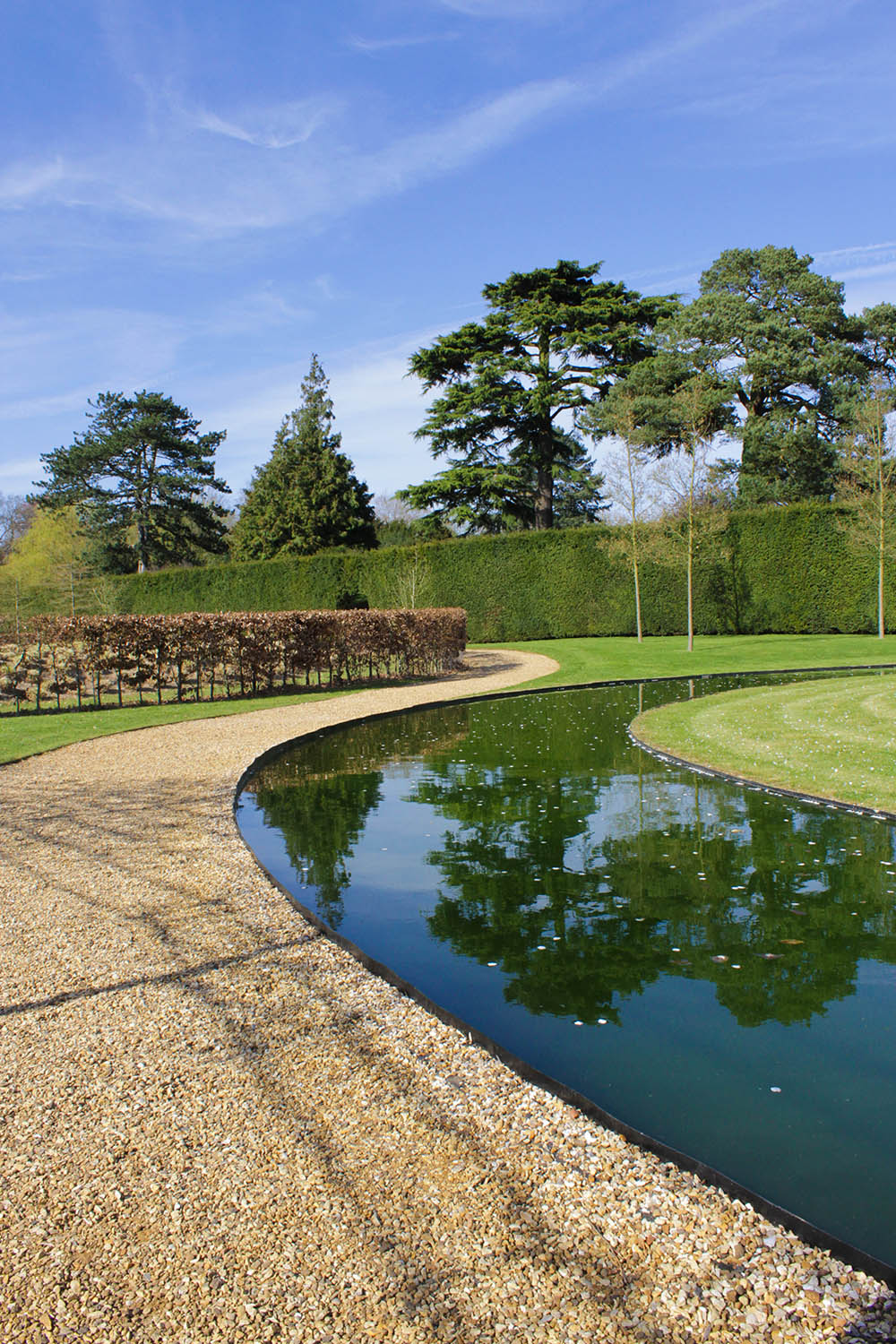
Plants are often considered the decorative elements of a garden, but in professional landscape engineering, vegetation also plays an important structural role.
A carefully planned plant system can help:
- Reduce soil erosion
- Control temperature
- Improve drainage
- Protect outdoor spaces from wind
- Support ecological balance
However, poorly selected plants can create safety problems during extreme weather.
A resilient garden requires a thoughtful approach to plant selection and placement.
5.1 Choosing Climate-Adapted Plants
One of the most important principles in weather-resistant landscape design is selecting plants that are suitable for local conditions.
Plants should be evaluated based on:
- Climate tolerance
- Root strength
- Water requirements
- Growth patterns
- Maintenance needs
Native and climate-adapted plants often perform better because they have naturally adjusted to local environmental conditions.
Benefits include:
- Better survival rates
- Lower water consumption
- Reduced maintenance requirements
- Improved ecosystem support
A garden filled with unsuitable plants may require excessive irrigation, chemical treatments, and replacement after severe weather.
5.2 Wind-Resistant Tree Planning
Large trees create beauty, shade, and environmental benefits, but they also require careful planning.
During storms, unstable trees may become dangerous.
Potential risks include:
- Falling branches
- Root failure
- Tree leaning
- Property damage
Professional tree placement considers:
- Root development space
- Distance from structures
- Soil conditions
- Wind exposure
- Mature tree size
A small tree planted too close to a building may become a future safety issue.
5.3 Layered Planting for Natural Protection
A strong landscape design often uses multiple vegetation layers.
A layered garden may include:
- Tall trees
- Medium-height shrubs
- Ground-cover plants
- Grasses and flowering plants
This structure provides several advantages:
- Reduces wind speed
- Protects soil
- Improves biodiversity
- Creates a more stable ecosystem
Instead of relying on a single plant type, professional designers create balanced plant communities.
5.4 Root Systems and Soil Stability
Plant roots play an important role in preventing erosion.
Strong root systems help:
- Hold soil together
- Improve water absorption
- Reduce runoff impact
In areas exposed to heavy rainfall or slopes, selecting plants with effective root structures is especially important.
A beautiful garden should also be a stable landscape system.
6. Wind-Resistant Garden Design Strategies
Strong winds are among the most damaging environmental forces affecting outdoor spaces.
A professional garden design must consider wind behavior from the planning stage.
6.1 Understanding Wind Direction
Wind patterns vary depending on:
- Geographic location
- Building arrangement
- Terrain
- Seasonal changes
Landscape engineers analyze:
- Prevailing wind direction
- Wind speed
- Exposure levels
This information helps determine where to place:
- Trees
- Screens
- Structures
- Outdoor living areas
6.2 Creating Natural Wind Barriers
Plants can function as natural wind protection systems.
Strategically placed vegetation can:
- Reduce wind speed
- Protect outdoor spaces
- Improve comfort
However, wind barriers should not completely block airflow.
Poorly designed barriers may create turbulence.
The goal is controlled wind reduction rather than complete obstruction.
6.3 Secure Installation of Outdoor Structures
Outdoor structures exposed to wind require proper engineering.
Important details include:
Foundation Design
A strong foundation helps prevent:
- Movement
- Tilting
- Structural failure
Connection Quality
Joints and fasteners must withstand repeated stress.
Weak connections often fail before the main structure.
Material Selection
Materials should be chosen according to:
- Expected wind conditions
- Environmental exposure
- Maintenance requirements
7. Weather-Resistant Material Selection for Landscape Engineering
Material selection determines how well a garden performs over time.
Premium landscape projects require materials that combine:
- Beauty
- Strength
- Durability
- Environmental resistance
7.1 Natural Stone Applications
Natural stone is widely used in landscape projects because of its:
- Strength
- Unique appearance
- Long lifespan
However, different stones have different weather resistance.
Important considerations include:
- Water absorption rate
- Freeze resistance
- Surface texture
- Maintenance requirements
Choosing the wrong stone for a climate can lead to cracking or surface deterioration.
7.2 Wood Material Considerations
Wood creates warmth and natural beauty in outdoor spaces.
Common applications include:
- Decking
- Pergolas
- Fences
- Garden structures
However, outdoor wood faces challenges such as:
- Moisture
- Insects
- UV exposure
- Temperature changes
Durable outdoor wood requires:
- Proper treatment
- Protective coatings
- Regular maintenance
Material choice should match environmental conditions.
7.3 Metal Structures and Corrosion Protection
Metal is commonly used for:
- Frames
- Railings
- Outdoor furniture
- Decorative structures
However, moisture exposure can cause corrosion.
Protection methods include:
- Anti-corrosion coatings
- Stainless materials
- Regular inspections
In coastal areas or humid climates, corrosion resistance becomes especially important.
7.4 Concrete and Composite Materials
Modern landscape projects often use advanced materials that offer improved durability.
Advantages may include:
- Better weather resistance
- Lower maintenance
- Longer service life
However, proper installation remains essential.
Even strong materials can fail if drainage, foundations, or construction methods are inadequate.
8. Outdoor Lighting Safety in Extreme Weather Conditions
Landscape lighting improves nighttime beauty and safety, but electrical systems require special attention.
Extreme weather can increase electrical risks.
8.1 Waterproof Protection Standards
Outdoor lighting equipment should be designed for environmental exposure.
Important considerations include:
- Water resistance
- Cable protection
- Connection safety
- Proper installation depth
Poorly protected electrical components may create:
- Equipment failure
- Short circuits
- Safety hazards
8.2 Protecting Lighting Systems From Storm Damage
Heavy rain and flooding can affect outdoor electrical systems.
Professional installation should consider:
- Elevated electrical components
- Proper drainage
- Protective enclosures
- Safe wiring methods
A beautiful lighting design must also be a safe lighting system.
9. Safety Considerations for Outdoor Living Spaces
Modern gardens often include functional areas such as:
- Outdoor kitchens
- Fire features
- Swimming pools
- Entertainment areas
These spaces require additional safety planning.
9.1 Outdoor Kitchen Safety
Outdoor kitchens must consider:
- Weather exposure
- Gas and electrical safety
- Ventilation
- Material durability
Countertops and cabinets should be selected for outdoor conditions.
9.2 Fire Feature Safety
Fire pits and outdoor fireplaces require careful design.
Important factors include:
- Safe distance from vegetation
- Heat-resistant materials
- Proper ventilation
- Fire prevention measures
A decorative fire feature should always prioritize safety.
9.3 Pool and Water Feature Safety
Water features create visual appeal but require responsible planning.
Safety considerations include:
- Slip-resistant surfaces
- Proper drainage
- Secure electrical systems
- Clear access routes
Extreme weather can affect water systems, so maintenance planning is essential.
10. Maintenance Planning: The Key to Long-Term Landscape Safety
Even the best-designed garden requires ongoing maintenance.
Weather-resistant design is not a one-time process.
It requires continuous attention.
Regular Inspection Schedule
Professional maintenance programs should include inspections of:
- Trees
- Drainage systems
- Structural elements
- Outdoor lighting
- Hardscape surfaces
Early detection prevents small issues from becoming major problems.
Seasonal Maintenance Tasks
Different seasons require different actions.
Before Storm Season
Check:
- Drainage channels
- Tree conditions
- Structural connections
- Outdoor equipment
After Extreme Weather
Inspect:
- Fallen branches
- Soil movement
- Water damage
- Structural changes
Before Winter
Prepare:
- Irrigation systems
- Outdoor plumbing
- Sensitive plants
- Materials exposed to freezing temperatures
11. Establishing Safety Standards for Modern Landscape Engineering
A professional landscape project requires more than creative design ideas. It needs a complete safety framework that considers engineering requirements, environmental conditions, and long-term performance.
Modern landscape safety standards focus on preventing problems before they happen.
A reliable safety system should include:
- Site evaluation
- Structural planning
- Material testing
- Construction quality control
- Regular maintenance procedures
Every stage of the project influences the final safety performance.
11.1 Safety Assessment Before Landscape Construction
Before construction begins, a detailed assessment helps identify potential risks.
Important evaluation areas include:
Land Conditions
Engineers should analyze:
- Soil stability
- Drainage characteristics
- Ground movement risks
- Existing vegetation conditions
Unstable ground conditions can affect:
- Foundations
- Retaining structures
- Pathways
- Outdoor installations
Weather Risk Assessment
Each location has different environmental challenges.
A professional assessment should consider:
- Wind exposure
- Rainfall patterns
- Temperature extremes
- Seasonal changes
A garden designed without climate consideration may experience repeated failures.
Existing Infrastructure Review
Landscape projects must also consider existing systems, including:
- Underground pipes
- Electrical lines
- Irrigation systems
- Building foundations
Proper planning prevents damage during construction and future maintenance.
11.2 Construction Quality Control
Even excellent designs can fail without proper construction.
Quality control ensures that design plans are correctly implemented.
Important construction checks include:
- Foundation depth
- Material installation
- Structural connections
- Drainage placement
- Surface leveling
Attention to construction details determines long-term reliability.
12. Designing Emergency-Ready Gardens for Extreme Weather Events
Modern landscape engineering increasingly focuses on emergency preparedness.
A resilient garden should continue functioning during and after severe weather events.
12.1 Flood-Resistant Garden Design
Flooding is one of the most common challenges caused by extreme rainfall.
Flood-resistant landscape strategies include:
- Rain gardens
- Elevated planting areas
- Permeable surfaces
- Efficient drainage channels
These solutions help control excess water while maintaining garden beauty.
12.2 Storm Damage Reduction Strategies
A storm-resistant garden reduces potential damage through careful planning.
Effective strategies include:
Secure Outdoor Structures
Structures should be designed to resist:
- Wind pressure
- Heavy rain
- Seasonal stress
Manage Tree Risk
Regular tree assessment helps identify:
- Weak branches
- Root problems
- Structural instability
Preventive pruning and professional care reduce storm-related risks.
Protect Valuable Landscape Features
Important features such as:
- Sculptures
- Water installations
- Decorative structures
should have appropriate protection plans.
12.3 Designing for Recovery After Extreme Weather
A truly resilient garden is not only designed to survive storms—it is designed to recover quickly.
Recovery-friendly designs include:
- Durable plants
- Replaceable components
- Accessible maintenance areas
- Flexible irrigation systems
The goal is minimizing downtime and restoration costs.
13. Sustainable Landscape Engineering and Weather Resilience
Environmental responsibility and structural safety are increasingly connected.
Sustainable landscape design often improves resistance to extreme weather.
13.1 Natural Water Management Systems
Instead of relying only on artificial drainage, modern gardens increasingly use natural systems.
Examples include:
- Rain gardens
- Wetland planting zones
- Bioswales
- Native vegetation areas
These systems help manage water while supporting ecological health.
13.2 Soil Improvement for Better Stability
Healthy soil improves landscape performance.
Good soil management helps:
- Increase water absorption
- Support stronger plant growth
- Reduce erosion
- Improve root development
Soil is not just a growing medium. It is an important part of landscape infrastructure.
13.3 Reducing Heat Through Landscape Design
Extreme heat can affect outdoor comfort and material durability.
Landscape strategies for heat reduction include:
- Increasing tree coverage
- Using shade structures
- Selecting heat-resistant materials
- Creating cooler outdoor zones
A well-designed garden can naturally improve the surrounding microclimate.
14. High-End Residential Garden Design: Combining Luxury With Safety
For premium residential properties, outdoor spaces are extensions of indoor living.
Homeowners expect gardens to provide:
- Beauty
- Comfort
- Privacy
- Entertainment
- Long-term reliability
However, luxury design must also consider safety.
14.1 Elegant Structures With Engineering Strength
Luxury garden features such as:
- Outdoor lounges
- Covered terraces
- Garden pavilions
- Decorative walls
should combine visual appeal with structural performance.
The best designs hide engineering solutions behind elegant appearances.
14.2 Smart Technology in Landscape Safety
Technology is becoming an important part of modern garden management.
Smart systems can monitor:
- Soil moisture
- Weather conditions
- Irrigation performance
- Lighting systems
- Temperature changes
These tools help homeowners respond faster to environmental changes.
14.3 Creating Comfortable Outdoor Spaces Throughout the Year
A successful garden should remain enjoyable across seasons.
Design strategies include:
- Weather-protected seating areas
- Seasonal planting plans
- Adjustable shading systems
- Durable outdoor materials
The goal is creating outdoor spaces that remain functional despite changing weather conditions.
15. Common Mistakes in Extreme Weather Landscape Design
Understanding common failures helps designers and homeowners avoid costly problems.
Mistake 1: Focusing Only on Appearance
A visually impressive garden may still have structural weaknesses.
Problems may include:
- Poor drainage
- Weak foundations
- Unsuitable materials
Beauty should always be supported by engineering.
Mistake 2: Ignoring Local Weather Patterns
A design suitable for one region may fail in another.
Ignoring:
- Rainfall levels
- Wind conditions
- Temperature changes
can lead to repeated repairs.
Mistake 3: Choosing Materials Based Only on Price
Low-cost materials may create higher long-term expenses.
Poor durability can result in:
- Frequent replacement
- Increased maintenance
- Safety risks
Quality materials often provide better value over time.
Mistake 4: Lack of Maintenance Planning
A garden is a living system.
Without maintenance:
- Drainage may become blocked
- Structures may weaken
- Plants may become unsafe
Long-term planning is essential.
16. The Future of Weather-Resistant Landscape Engineering
The future of landscape design will focus increasingly on resilience.
Future gardens will not only be beautiful spaces but also intelligent environmental systems.
Climate-Adaptive Landscapes
Future designs will increasingly use:
- Climate-resistant plants
- Adaptive materials
- Smart irrigation
- Environmental monitoring systems
These approaches help gardens respond to changing conditions.
Integrated Natural and Structural Solutions
The strongest landscapes combine:
- Engineering technology
- Ecological principles
- Human-centered design
Examples include:
- Green infrastructure
- Natural drainage systems
- Energy-efficient outdoor spaces
The future belongs to landscapes that cooperate with nature.
Resilient Garden Design as a Long-Term Investment
A professionally designed garden provides value beyond appearance.
Benefits include:
- Increased property value
- Lower maintenance costs
- Improved outdoor comfort
- Better environmental performance
A safe garden protects both people and investments.
Conclusion: Building Gardens That Remain Beautiful Through Every Season
Extreme weather has changed the way modern landscapes must be designed.
Today’s garden projects require more than attractive plants and beautiful structures.
They require:
- Strong engineering principles
- Weather-resistant materials
- Reliable drainage systems
- Safe structural design
- Long-term maintenance strategies
A truly successful landscape does not simply look impressive on a sunny day.
It continues to perform when facing heavy rain, strong winds, intense heat, and changing seasons.
The future of landscape engineering belongs to gardens that balance beauty, safety, and resilience.
By combining thoughtful planning with professional construction standards, designers can create outdoor spaces that remain comfortable, functional, and inspiring for many years.
A resilient garden is not just a decorative environment.
It is a carefully engineered living system that protects people, supports nature, and stands strong against the challenges of extreme weather.
Feel free to leave a comment to inquire about pricing and explore customized landscape design solutions for your dream outdoor garden.
Need Help with Your Custom Project?
Have questions about materials, sizing, or looking for a quick quote? Drop us a message and our experts will respond within 24 hours.
Chat on WhatsApp
+1 (304) 356-6765
Send us an Email
hello@incustom.com
Picked for You