Say Goodbye to Dust: 5 Everyday Curtain Cleaning Hacks to Keep Your Window Treatments Looking Brand New

Mar 16 2026
Curtains are one of the most important design elements in any home. They soften natural light, add texture to a room, and create a sense of warmth and privacy. But while curtains enhance the look of a space, they also tend to collect something far less attractive—dust.
Over time, curtains quietly accumulate airborne particles from daily life: dust, pollen, pet dander, cooking residue, and even tiny fibers from furniture and clothing. Because curtains hang close to windows where airflow is constant, they often act like filters, trapping these particles long before you notice them.
The problem is that many homeowners forget to clean their curtains regularly. Unlike floors or countertops, curtains don't always look dirty at first glance. Yet neglected fabric can quickly become dull, musty, and full of allergens.
The good news is that keeping curtains clean doesn’t require constant washing or professional cleaning. With the right habits, you can remove dust regularly and keep your curtains looking fresh for years.
In this guide, we’ll explore five practical daily dust-removal tricks that help curtains stay clean, bright, and beautiful—without damaging delicate fabrics or requiring hours of work.
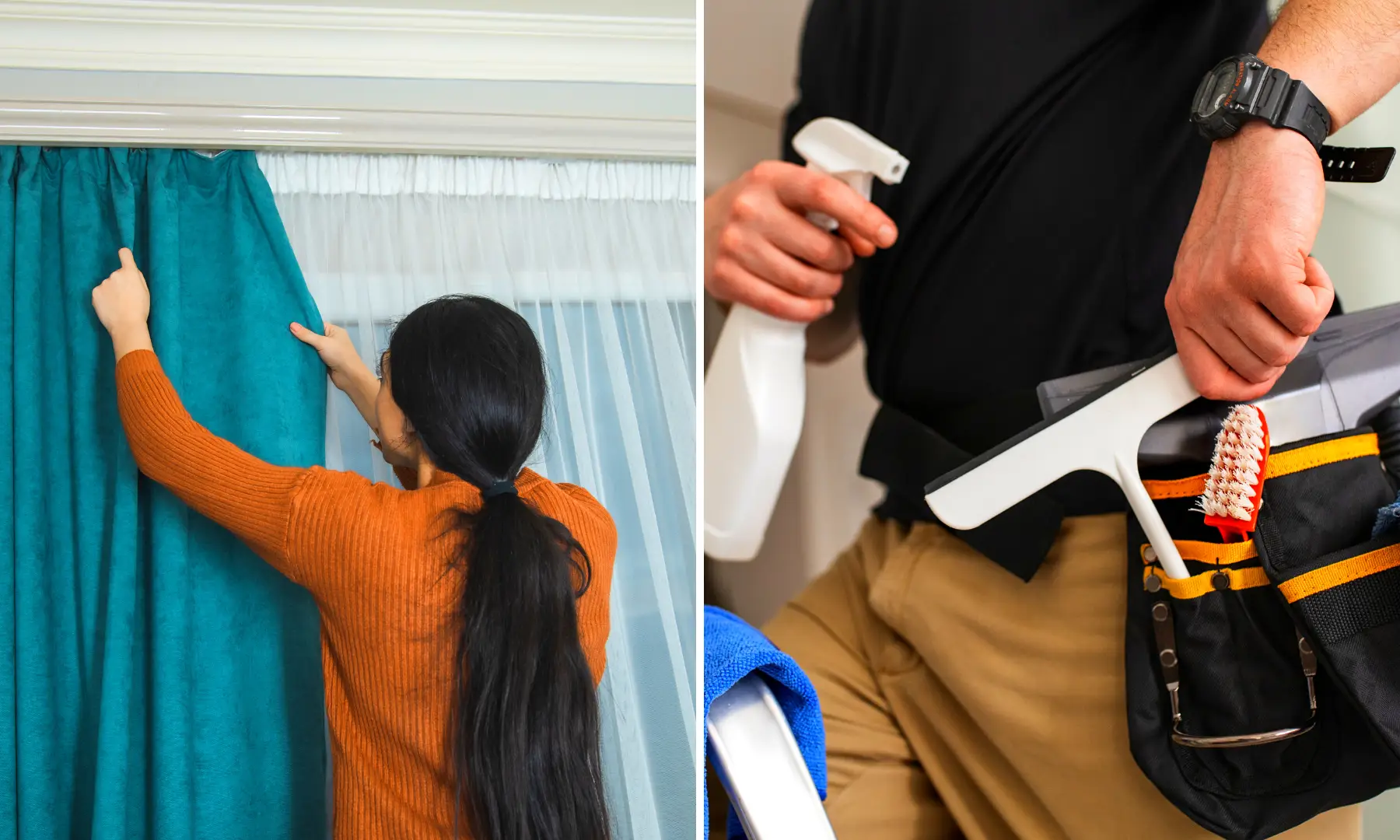
Why Curtains Collect Dust Faster Than You Think
Before diving into cleaning techniques, it helps to understand why curtains are such effective dust magnets.
1. Constant Airflow Near Windows
Every time a window opens, fresh air carries microscopic particles into the room. Curtains sit directly in this airflow, making them one of the first surfaces where dust settles.
Even when windows stay closed, air circulation from heating and cooling systems moves dust toward window areas.
2. Fabric Fibers Trap Particles
Curtains are usually made from woven fabrics that naturally capture small particles.
Materials like:
cotton
linen
velvet
polyester blends
all contain fibers that can trap dust and allergens deep within the weave.
3. Static Electricity
Synthetic fabrics often generate static electricity. This attracts dust particles floating in the air, causing them to cling to the curtain surface.
4. Sunlight Reveals Dust Over Time
Direct sunlight gradually highlights accumulated dust. Curtains that once looked vibrant can begin to appear dull, gray, or faded simply because particles are sitting on the surface.
5. Household Activities Add More Dust
Everyday life adds new particles into the air:
vacuuming
walking across carpets
cooking
opening doors
pet movement
All of these activities contribute to the dust that eventually settles on curtains.
Because of these factors, light but frequent cleaning is much more effective than occasional deep cleaning.
The Benefits of Keeping Curtains Dust-Free
Regular curtain maintenance improves more than just appearance.
Healthier Indoor Air
Curtains that collect dust can hold allergens such as pollen, mold spores, and pet dander. Removing dust helps improve indoor air quality.
Longer Curtain Lifespan
Dust particles can slowly wear down fabric fibers. Regular cleaning helps prevent premature fading and deterioration.
Brighter Natural Light
Dusty curtains block more light than clean ones. Removing surface dust allows natural sunlight to filter through more beautifully.
Better Home Aesthetics
Clean curtains instantly make a room feel fresher and more cared for. Even small improvements in fabric brightness can noticeably elevate a space.
Hack #1: Use a Vacuum with a Soft Brush Attachment
One of the easiest and most effective ways to remove curtain dust is by using a vacuum cleaner with a brush attachment.
Why This Method Works
Vacuuming gently pulls dust out of the fabric before it settles deep into the fibers.
The brush attachment helps loosen particles while protecting the fabric from damage.
How to Do It Properly
Close the curtains fully so they hang flat.
Use a low suction setting.
Attach a soft upholstery brush.
Start at the top of the curtain.
Move slowly downward in vertical strokes.
How Often to Vacuum Curtains
Ideally, vacuum curtains once every one to two weeks.
Homes with pets or open windows may benefit from weekly cleaning.
Pro Tip
Support the fabric gently with your free hand while vacuuming delicate curtains to prevent stretching.
Hack #2: Use a Lint Roller for Quick Surface Dust Removal
A lint roller is not just for clothing—it’s also a surprisingly useful curtain cleaning tool.
Why Lint Rollers Work Well
Lint rollers remove:
pet hair
loose dust
fabric fibers
pollen particles
The sticky surface lifts debris without pushing it deeper into the fabric.
Best Situations for Lint Rollers
Lint rollers are ideal for:
velvet curtains
blackout curtains
heavy fabrics
pet-friendly homes
Quick Cleaning Routine
Simply roll the lint roller across the curtain surface from top to bottom.
Focus on areas that tend to collect the most dust:
bottom hems
folds
edges near windows
When to Use This Method
A lint roller works best for quick touch-ups between deeper cleanings.
It’s perfect when guests are coming over and you want the room to look fresh in minutes.
Hack #3: Shake Curtains Outside Occasionally
Sometimes the simplest cleaning methods are the most effective.
Taking curtains outside and shaking them gently can remove a surprising amount of dust.
Why This Works
Outdoor shaking dislodges particles trapped in the fabric without spreading dust throughout the house.
Fresh air also helps remove stale odors that sometimes build up in curtains.
How to Shake Curtains Safely
Remove the curtain from the rod.
Take it outdoors to a balcony, patio, or backyard.
Hold the top edge firmly.
Shake the curtain gently several times.
Avoid aggressive shaking, especially with delicate fabrics.
How Often to Do This
Once every one to two months is usually enough for most households.
Bonus Benefit
Sunlight exposure can naturally help reduce musty smells and improve freshness.
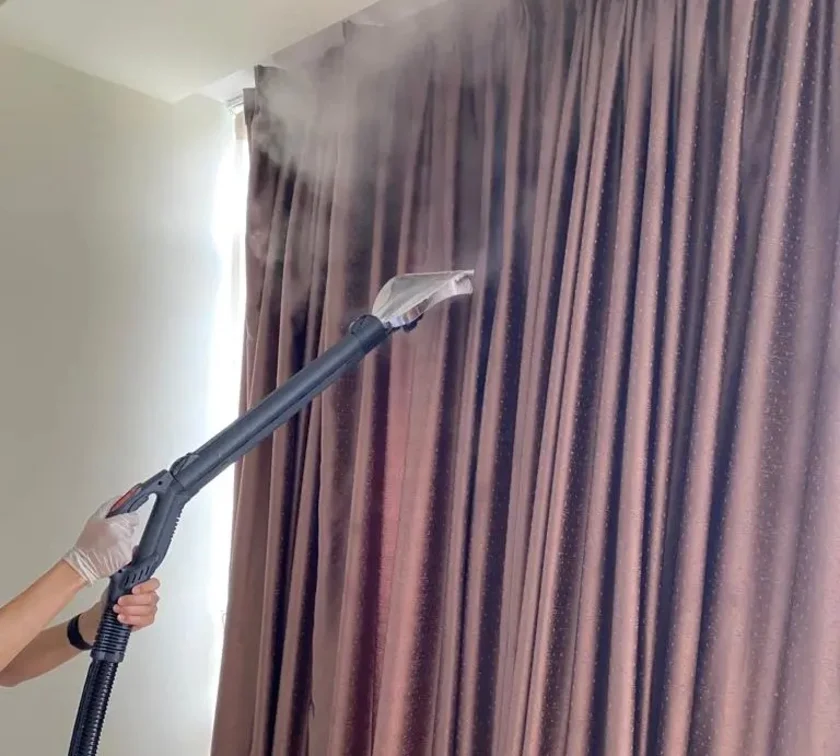
Hack #4: Use a Fabric Steamer to Release Dust and Refresh Fibers
Steam cleaning isn’t just for clothing. A handheld fabric steamer can also be used to maintain curtains.
Why Steam Helps
Steam performs two helpful functions:
It loosens dust trapped in fabric.
It refreshes fibers and removes wrinkles.
When dust is loosened, it can be easily removed with a light vacuum afterward.
How to Steam Curtains
Keep the curtain hanging on the rod.
Use a handheld steamer.
Start from the top and move downward slowly.
Maintain a small distance from the fabric.
When Steam Is Most Useful
Steam cleaning works particularly well for:
thick curtains
heavy drapes
textured fabrics
layered window treatments
Additional Benefit
Steam helps eliminate odors from cooking, pets, or smoke that may cling to curtains.
Hack #5: Control Dust Before It Reaches the Curtains
Prevention is one of the smartest cleaning strategies.
Reducing dust in the room automatically reduces how much ends up on your curtains.
Improve Air Filtration
Using a high-quality air purifier can significantly reduce airborne dust particles.
These devices remove:
pollen
pet dander
microscopic debris
Less airborne dust means cleaner curtains.
Regular Floor Cleaning
Vacuuming floors and carpets frequently prevents dust from circulating upward toward curtains.
Keep Windowsills Clean
Dust sitting on windowsills can easily blow onto curtains when windows open.
Wipe down sills weekly to prevent this.
Groom Pets Regularly
Pet hair and dander are major contributors to curtain dust buildup.
Regular brushing reduces airborne fur dramatically.
Choosing Curtains That Resist Dust
Some curtain materials naturally resist dust better than others.
If you're purchasing new window treatments, consider fabrics that are easier to maintain.
Polyester Blends
Polyester curtains often resist dust and wrinkles better than natural fabrics.
Tightly Woven Fabrics
Tight weaves leave fewer spaces for particles to settle inside.
Machine-Washable Curtains
Curtains that can be washed at home simplify long-term maintenance.
Anti-Static Fabrics
Some modern fabrics are designed to reduce static electricity, which helps prevent dust from clinging.
Signs Your Curtains Need Deep Cleaning
Even with regular dust removal, curtains occasionally require a more thorough wash.
Watch for these signs:
noticeable discoloration
persistent odors
heavy dust release when touched
visible stains
allergy symptoms increasing indoors
When these signs appear, it may be time for machine washing or professional cleaning depending on the fabric type.
Creating a Simple Curtain Cleaning Routine
Keeping curtains clean becomes much easier when it’s part of a routine.
Here is a simple schedule that works well for most homes:
Weekly
lint roller or light vacuum cleaning
Monthly
vacuum thoroughly
wipe windowsills
Every 1–2 Months
shake curtains outdoors
steam fabric if needed
Every 6–12 Months
wash or professionally clean curtains
Following this routine prevents heavy buildup and keeps curtains looking fresh year-round.
Final Thoughts: Small Habits Make a Big Difference
Curtains quietly influence the atmosphere of a room more than we often realize. When they’re clean, they reflect light beautifully, complement interior design, and make the entire space feel refreshed.
But when dust accumulates, curtains lose their brightness and may even contribute to indoor allergies.
Fortunately, keeping curtains dust-free doesn’t require complicated tools or constant laundering. Simple habits—vacuuming lightly, using a lint roller, shaking fabric outdoors, steaming occasionally, and controlling dust in the room—can dramatically extend the life and beauty of your window treatments.
By spending just a few minutes on curtain care each week, you can enjoy cleaner air, brighter rooms, and window coverings that continue to look as beautiful as the day they were installed.
And once you start paying attention to curtain maintenance, you may discover something surprising: a dust-free curtain can transform the feeling of an entire home.
Need Help with Your Custom Project?
Have questions about materials, sizing, or looking for a quick quote? Drop us a message and our experts will respond within 24 hours.
Chat on WhatsApp
+1 (304) 356-6765
Send us an Email
hello@incustom.com
Picked for You