Say Goodbye to Wrinkles: Which Curtain Fabrics Stay Crisp and Look New for Years?

Apr 22 2026
Curtains do more than block light or add privacy—they frame your space, shape how light moves through a room, and quietly signal your design standards. But nothing undermines that polished look faster than wrinkled, sagging, or misshapen drapery. If you’ve ever installed a beautiful set of curtains only to watch them crease, lose structure, or cling awkwardly after a wash, you know how frustrating it can be.
The good news is that wrinkle resistance and long-term crispness aren’t a mystery. They come down to choosing the right fabric, weave, finish, and construction—plus a few smart habits in how you hang, clean, and maintain your curtains.
This in-depth guide breaks down the curtain fabrics that hold their shape for years, what makes them perform so well, and how to keep them looking tailored and fresh without constant steaming or ironing.
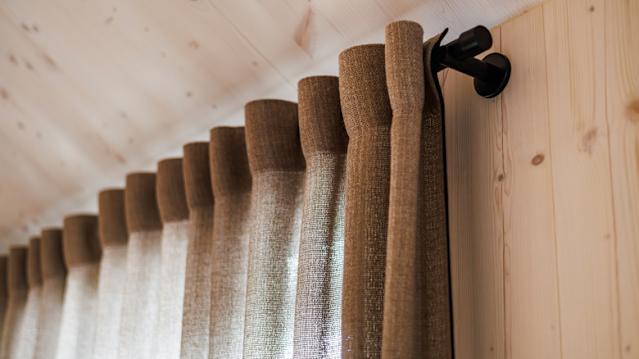
What “Wrinkle-Resistant” Really Means in Curtains
When we talk about curtains that stay crisp, we’re really talking about shape retention and recovery.
Shape retention: The ability of a fabric to hold its structure—straight hems, defined pleats, and smooth panels—over time.
Recovery: How well a fabric bounces back after being folded, compressed, or washed.
Wrinkles happen when fibers bend and fail to return to their original form. Some fibers are naturally resilient; others need help through weaving techniques or chemical finishes.
To find curtains that stay looking new, you want fabrics that:
Resist creasing under gravity and humidity
Recover quickly after washing or handling
Maintain a consistent drape without sagging
The Best Curtain Fabrics for a Crisp, Structured Look
1. Polyester: The Everyday Champion
If you want durability, affordability, and wrinkle resistance, polyester is hard to beat.
Why it works:
Synthetic fibers naturally resist creasing
Holds shape even after repeated washing
Doesn’t absorb moisture easily (reduces wrinkling from humidity)
Best for:
Living rooms
Bedrooms
High-traffic homes
Modern polyester curtains can mimic the look of linen, cotton, or even silk—without the maintenance headaches.
Pro tip: Look for “high-twist” or tightly woven polyester blends for maximum structure.
2. Polyester Blends: The Best of Both Worlds
Blending polyester with natural fibers combines comfort with performance.
Common blends:
Polyester + cotton
Polyester + linen
Benefits:
Improved wrinkle resistance compared to pure natural fabrics
Softer feel than 100% synthetic
Better drape and texture
These blends are ideal if you want a natural look but can’t commit to high-maintenance fabrics.
3. Linen Blends (Not Pure Linen)
Pure linen is beautiful—but notoriously prone to wrinkles.
A linen blend, however, changes the game.
Why blends perform better:
Polyester or viscose fibers reduce creasing
Maintains linen’s texture without constant ironing
Best for:
Modern, airy interiors
Coastal or minimalist styles
If you love the relaxed elegance of linen but want a cleaner, more structured appearance, blends are the way to go.
4. Heavy Cotton (Tightly Woven)
Not all cotton is equal.
Lightweight cotton wrinkles easily, but heavy, tightly woven cotton performs much better.
Look for:
Canvas cotton
Cotton twill
Cotton sateen with lining
Advantages:
Holds pleats well
More resistant to sagging
Structured appearance when lined
Pairing cotton curtains with a quality lining significantly improves wrinkle resistance.
5. Velvet: Naturally Structured and Forgiving
Velvet is often overlooked in discussions about wrinkle resistance, but it’s one of the most forgiving fabrics.
Why velvet works:
Thick pile hides minor creases
Heavy weight keeps panels straight
Excellent drape and structure
Best for:
Formal spaces
Bedrooms
Statement interiors
Velvet curtains rarely look “wrinkled” because their texture masks imperfections while maintaining a luxurious appearance.
6. Faux Silk (Polyester-Based)
Real silk wrinkles easily and requires delicate care. Faux silk offers a similar sheen with far better performance.
Benefits:
Wrinkle-resistant compared to real silk
More durable
Easier to clean
Ideal for:
Elegant living rooms
Dining areas
Spaces needing a polished finish
7. Blackout Fabrics with Backing
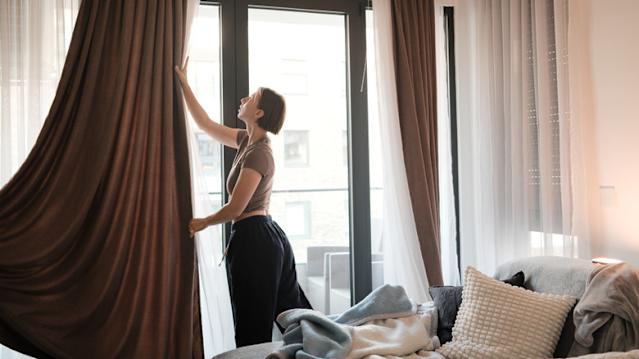
Blackout curtains often include multiple layers or foam backing.
Why they stay crisp:
Added thickness improves structure
Backing stabilizes the fabric
Less prone to folding creases
They’re not just functional—they’re also excellent for maintaining a clean, tailored look.
Fabrics to Be Careful With
Some materials are beautiful but high-maintenance when it comes to wrinkles.
Pure Linen
Wrinkles easily
Requires frequent steaming
Best for relaxed, casual aesthetics
Silk
Prone to creasing
Sensitive to moisture
Requires professional care
Lightweight Cotton Voile
Soft and airy, but lacks structure
Easily creases and shifts
If you choose these fabrics, be prepared for more upkeep.
The Role of Fabric Weight and Weave
Beyond material, weight and weave play a huge role in wrinkle resistance.
Heavier Fabrics
Hang straighter
Resist movement and creasing
Maintain pleats better
Tight Weaves
Less prone to fiber shifting
More resistant to wrinkles
Loose Weaves
More breathable but less structured
Prone to distortion over time
If your goal is a crisp, tailored look, prioritize medium to heavy weight with a tight weave.
Why Lining Makes a Big Difference
Curtain lining is often overlooked, but it’s one of the most effective ways to improve performance.
Benefits of Lining:
Adds weight and structure
Reduces wrinkling
Protects fabric from sun damage
Improves drape
Types of Lining:
Standard lining: Basic structure improvement
Blackout lining: Maximum thickness and stability
Thermal lining: Adds insulation and durability
Even a lightweight fabric can look structured and wrinkle-free with proper lining.
Construction Details That Keep Curtains Looking Sharp
Fabric choice is only part of the equation. Construction matters just as much.
1. Pleat Style
Pinch pleats: Hold shape well over time
Tailored pleats: Clean, structured look
Rod pocket: More casual, prone to wrinkling
2. Header Quality
A reinforced header prevents sagging and distortion.
3. Hem Weight
Weighted hems keep curtains hanging straight and reduce movement-induced creasing.
How to Hang Curtains for a Wrinkle-Free Look
Even the best fabric can look messy if hung incorrectly.
Key Tips:
Hang curtains immediately after drying
Use wide, evenly spaced hooks or rings
Avoid overcrowding the rod
Ensure proper length (just touching the floor or slightly pooling)
Let gravity do the work—many minor wrinkles will fall out naturally within a few days.
Cleaning Without Creating Wrinkles
Improper cleaning is one of the biggest causes of wrinkled curtains.
Best Practices:
Wash on a gentle cycle
Use cold or lukewarm water
Remove promptly after washing
Hang while slightly damp
Avoid:
Overloading the washing machine
High heat drying
Leaving curtains crumpled after washing
Air drying while hung is one of the most effective ways to prevent wrinkles.
Steam vs. Iron: What’s Better?
Steaming
Gentle on fabric
Removes wrinkles without flattening texture
Ideal for most curtain types
Ironing
Provides sharp creases
Better for cotton and structured fabrics
Requires more effort
For most modern curtains, a handheld steamer is the easiest and safest option.
Environmental Factors That Affect Curtain Shape
Even the best fabrics can struggle in certain conditions.
Humidity
Causes fibers to relax and wrinkle
Use dehumidifiers if needed
Sunlight
Weakens fibers over time
Can lead to sagging
Airflow
Constant movement can shift fabric and create creases
Choosing the right fabric for your environment is just as important as choosing the right style.
Long-Term Maintenance Tips
To keep curtains looking new for years:
Rotate panels occasionally to ensure even wear
Clean regularly to prevent buildup
Inspect hooks and rods for alignment issues
Store properly if switching seasonally
Small habits make a big difference over time.
Choosing the Right Fabric for Your Lifestyle
Ask yourself:
Do you want low maintenance or premium texture?
Is the room high humidity (kitchen, bathroom)?
Do you have pets or kids?
How often are you willing to clean or steam?
For most households, polyester or polyester blends offer the best balance of durability and appearance.
Final Thoughts
Wrinkle-free curtains aren’t just about aesthetics—they’re about consistency, ease, and long-term satisfaction. The right fabric doesn’t just look good on day one; it continues to perform year after year with minimal effort.
By choosing materials like polyester, blends, velvet, or lined cotton—and pairing them with proper construction and care—you can achieve a crisp, tailored look that lasts.
No constant ironing. No sagging panels. No frustration.
Just clean lines, smooth drape, and a space that always feels put together.
Need Help with Your Custom Project?
Have questions about materials, sizing, or looking for a quick quote? Drop us a message and our experts will respond within 24 hours.
Chat on WhatsApp
+1 (304) 356-6765
Send us an Email
hello@incustom.com
Picked for You