Seasonal Transition Guide: How to Properly Store Your Outdoor Equipment After Summer Ends

Jul 06 2026
As summer comes to a close, many outdoor enthusiasts begin packing away the gear that made camping trips, hiking adventures, backyard gatherings, fishing weekends, and outdoor sports so memorable. Tents are folded, grills are cleaned, patio furniture is covered, backpacks are emptied, and recreational equipment is tucked away until the next season.
However, the way you store your outdoor equipment during the off-season can have a significant impact on its lifespan and performance. Improper storage often leads to mold, rust, faded fabrics, cracked plastics, weakened waterproof coatings, pest damage, and unnecessary repairs. In many cases, equipment that was in perfect condition at the end of summer may be unusable by the time spring arrives—not because it was old, but because it wasn't stored correctly.
Fortunately, protecting your investment doesn't require an expensive storage facility or professional services. With the right preparation, proper organization, and a few smart storage habits, you can keep your outdoor equipment in excellent condition throughout the fall and winter months.
This comprehensive guide walks you through everything you need to know about storing outdoor equipment after summer, helping you extend the life of your gear while ensuring it's ready for your next adventure.
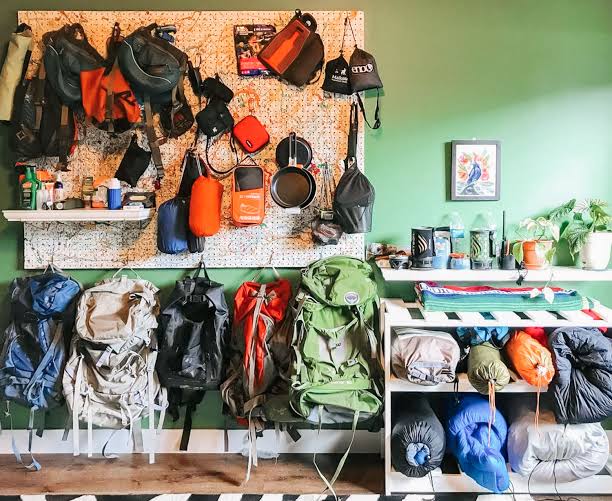
Why End-of-Summer Storage Matters
Outdoor equipment is designed to withstand harsh environments, but it is not designed to remain neglected for months at a time.
During the off-season, gear faces different threats than it does during active use.
Common risks include:
Moisture accumulation
Mold and mildew
Corrosion
Dust buildup
UV degradation from storage near windows
Temperature fluctuations
Pest infestation
Compression damage
Battery leakage
Fabric deterioration
Proper storage minimizes these risks and reduces replacement costs over time.
Step One: Inspect Every Piece of Equipment Before Storage
Before putting anything away, inspect each item carefully.
Look for:
Tears in fabric
Broken buckles
Bent poles
Cracked plastic parts
Rust on metal components
Loose stitching
Worn waterproof coatings
Missing accessories
Minor issues are much easier and less expensive to repair before long-term storage than after months of neglect.
Create a checklist for larger equipment collections to ensure nothing is overlooked.
Step Two: Clean Everything Thoroughly
One of the biggest storage mistakes is putting dirty equipment away.
Dirt, food residue, sunscreen, insect repellent, and mud can all damage materials over time.
Clean fabric items
This includes:
Tents
Sleeping bags
Backpacks
Camping chairs
Outdoor blankets
Use mild soap and lukewarm water whenever recommended by the manufacturer.
Avoid harsh detergents that may damage protective coatings.
Clean hard surfaces
Items such as:
Coolers
Water bottles
Lanterns
Cooking equipment
Storage containers
should be washed, dried completely, and inspected before storage.
Remove salt residue
If equipment was used near the ocean:
Salt accelerates corrosion.
Rinse:
Fishing gear
Camping cookware
Tent poles
Folding chairs
Metal tools
with fresh water before drying.
Step Three: Dry Everything Completely
Moisture is one of the most destructive factors during storage.
Even slightly damp equipment can develop:
Mold
Mildew
Odors
Corrosion
Fabric staining
Allow equipment to air dry in a shaded, well-ventilated area before packing it away.
Never rush this step.
Even waterproof gear should be completely dry internally.
Step Four: Restore Waterproof Protection Before Storage
Many outdoor products rely on durable water-repellent (DWR) finishes or waterproof coatings.
Inspect items such as:
Jackets
Rain gear
Tents
Backpacks
If water no longer beads on the surface, consider cleaning and reapplying an appropriate treatment before storage.
Doing this during the off-season saves preparation time next spring.
Step Five: Store Tents Properly
Tents represent one of the largest outdoor investments for many people.
Proper storage includes:
Never store tightly compressed
Long-term compression stresses fabric coatings and seams.
Instead:
Fold loosely
Store in a larger breathable bag whenever possible
Separate poles and fabric
Keeping poles separate reduces pressure on the tent material.
Inspect poles for:
Cracks
Bent sections
Loose shock cords
Keep stakes organized
Place stakes in separate bags to avoid puncturing tent fabric.
Step Six: Store Sleeping Bags Correctly
Sleeping bags lose insulation performance when compressed for extended periods.
Instead of storing them in compression sacks:
Use:
Large cotton storage bags
Mesh storage sacks
Hanging storage systems
This allows insulation fibers to maintain their loft.
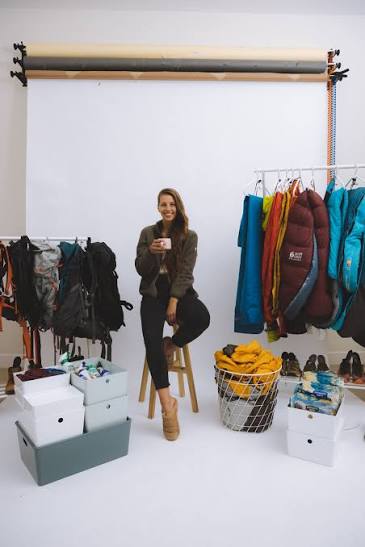
Step Seven: Protect Outdoor Furniture
Outdoor furniture requires attention even if labeled "weather resistant."
Clean thoroughly before storage.
Remove:
Dirt
Leaves
Bird droppings
Tree sap
If indoor storage isn't available:
Use breathable protective covers.
Avoid wrapping furniture tightly with non-breathable plastic, which may trap moisture.
Step Eight: Organize Small Accessories
Small accessories are often the easiest items to lose.
Examples include:
Tent stakes
Guy lines
Carabiners
Multi-tools
Flashlights
Water filters
Cooking utensils
Use labeled storage bins or compartment organizers.
Keeping accessories together saves considerable time when preparing for future trips.
Step Nine: Remove Batteries From Electronics
Battery leakage causes extensive damage during long-term storage.
Remove batteries from:
Headlamps
Lanterns
GPS units
Radios
Portable fans
Emergency lights
Recharge rechargeable batteries according to manufacturer recommendations before storing.
Step Ten: Control Moisture During Storage
Humidity control greatly improves equipment longevity.
Useful solutions include:
Silica gel packets
Moisture absorbers
Dehumidifiers in storage rooms
Good ventilation
Avoid storing equipment directly on concrete floors, which may transfer moisture over time.
Instead:
Use shelves or pallets to improve airflow.
Step Eleven: Prevent Pest Damage
Rodents and insects may damage stored gear.
Common targets include:
Sleeping bags
Tents
Backpacks
Foam pads
Rope
Prevent pests by:
Cleaning all food residue
Using sealed containers
Inspecting storage areas regularly
Avoid storing food or scented products alongside equipment.
Step Twelve: Protect Against Temperature Extremes
Large temperature fluctuations can damage:
Rubber seals
Plastic parts
Adhesives
Waterproof coatings
Ideal storage conditions include:
Cool temperatures
Dry environment
Stable humidity
Limited sunlight
Garages and sheds may require additional protection in regions with extreme seasonal weather.
Step Thirteen: Store Hiking Footwear Properly
Boots and hiking shoes require special care.
Before storage:
Remove dirt
Wash off mud
Dry thoroughly
Maintain their shape by:
Stuffing with clean paper
Using shoe trees if available
Store footwear in breathable bags rather than airtight plastic containers.
Step Fourteen: Maintain Outdoor Cooking Equipment
Camping stoves, grills, and cookware should be cleaned after the final summer trip.
Inspect for:
Fuel residue
Grease buildup
Rust
Loose connections
Empty fuel canisters only according to applicable safety guidelines and manufacturer recommendations.
Store equipment in dry locations away from excessive heat.
Step Fifteen: Protect Fishing Equipment
Fishing gear requires careful cleaning after summer use.
Rinse:
Rods
Reels
Lures
Tackle boxes
especially after saltwater exposure.
Lubricate moving parts if recommended.
Store rods vertically or horizontally with adequate support to prevent warping.
Step Sixteen: Label Everything
As equipment collections grow, organization becomes increasingly important.
Clearly label:
Camping supplies
Cooking equipment
Fishing gear
Hiking accessories
Seasonal clothing
Transparent bins or detailed labels reduce time spent searching next season.
Step Seventeen: Create an Equipment Inventory
An inventory helps track:
Missing items
Needed repairs
Replacement priorities
Maintenance schedules
Simple spreadsheets or mobile inventory apps make seasonal planning much easier.
Record:
Purchase dates
Warranty information
Maintenance history
This information becomes valuable over time.
Common Storage Mistakes to Avoid
Many storage problems result from avoidable habits.
Storing damp equipment
The fastest route to mold and mildew.
Compressing sleeping bags all winter
Reduces insulation performance.
Leaving batteries installed
Can permanently damage electronics.
Storing gear in direct sunlight
UV exposure continues even during storage.
Ignoring minor repairs
Small tears often become major repairs after months in storage.
Using airtight plastic bags for fabric gear
Without airflow, trapped moisture encourages mildew.
Preparing for Next Season Starts Now
Proper storage isn't only about protecting equipment—it also makes next season far more enjoyable.
Imagine opening your storage space in the spring and finding:
Clean tents
Fresh sleeping bags
Rust-free tools
Organized accessories
Fully functional equipment
Instead of spending days repairing or replacing damaged gear, you'll be ready to head outdoors with confidence.
Building a Long-Term Storage Routine
The best storage strategy becomes a habit.
A simple annual checklist may include:
Inspect
Clean
Dry
Repair
Organize
Label
Store
Monitor periodically
Repeating this process every year significantly extends the lifespan of most outdoor equipment.
Final Thoughts
The end of summer doesn't have to mark the beginning of wear and tear for your outdoor equipment. In fact, the weeks immediately after your last adventure are the perfect time to protect the gear you've invested in. Proper cleaning, complete drying, organized storage, moisture control, and routine maintenance all work together to preserve performance, appearance, and reliability through the off-season.
Whether you're storing camping gear, hiking equipment, patio furniture, fishing tackle, outdoor cooking supplies, or recreational accessories, a thoughtful storage routine can prevent many of the most common problems caused by moisture, pests, UV exposure, and long-term neglect. Small efforts today can save significant time, money, and frustration when it's time to enjoy the outdoors again.
By treating seasonal storage as part of your regular outdoor routine rather than an afterthought, you'll maximize the value of your equipment and ensure it's ready for countless adventures in the years ahead.
We welcome your inquiries—feel free to leave a message for a quote or more information!
Need Help with Your Custom Project?
Have questions about materials, sizing, or looking for a quick quote? Drop us a message and our experts will respond within 24 hours.
Chat on WhatsApp
+1 (304) 356-6765
Send us an Email
hello@incustom.com
Picked for You