Smart Curtain Motor Buying Guide: Beyond Quiet Operation — What Really Matters?

Feb 14 2026
Smart homes are no longer a futuristic concept — they’re becoming a standard part of modern living. From automated lighting to voice-controlled thermostats, technology is transforming everyday comfort. Among these innovations, smart curtain motors have quickly gained popularity for their convenience, energy efficiency, and ability to enhance home aesthetics.
For many buyers, the first priority when choosing a smart curtain motor is quiet operation. While low noise is important, it’s far from the only factor that determines performance, reliability, and long-term satisfaction.
A truly high-quality smart curtain system depends on motor strength, connectivity, power options, automation features, installation flexibility, safety, and smart home compatibility.
This comprehensive guide explores everything you should consider when purchasing a smart curtain motor — beyond just silence — so you can choose the best system for your space and lifestyle.
Why Smart Curtain Motors Are Becoming Essential in Modern Homes
Before diving into selection criteria, it helps to understand why smart curtain systems are growing in demand.
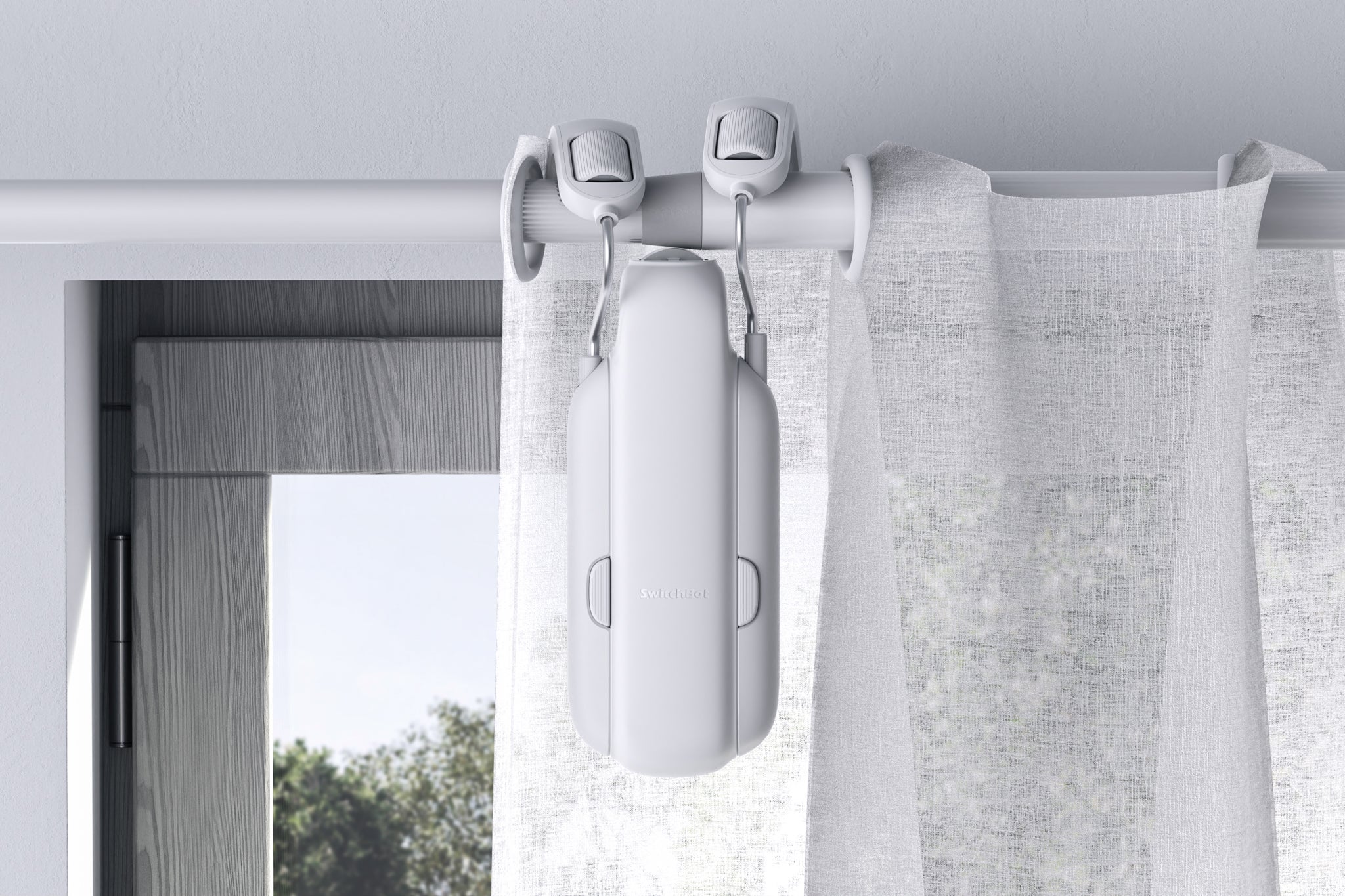
Smart curtain motors automate the opening and closing of window coverings using:
Mobile apps
Voice commands
Remote controls
Scheduled automation
Light and temperature sensors
They improve daily convenience while also enhancing energy efficiency and privacy.
Benefits of Smart Curtain Automation
Convenience and Comfort
Control curtains without leaving your seat or bed.
Energy Savings
Automatically manage sunlight to reduce heating and cooling costs.
Enhanced Privacy
Schedule curtains to close at night or when away.
Home Security
Simulated occupancy when traveling.
Improved Interior Design
Clean, cordless window solutions.
However, choosing the right motor requires understanding more than just how quiet it runs.
1. Motor Strength and Load Capacity (More Important Than You Think)
Motor power determines whether your curtains operate smoothly or struggle over time.
Why Load Capacity Matters
Curtain weight varies dramatically depending on material:
Sheer curtains → lightweight
Linen → moderate weight
Blackout curtains → heavy
Velvet drapes → very heavy
An underpowered motor leads to:
Slow movement
System strain
Shorter lifespan
Motor overheating
Jerky operation
How to Choose the Right Motor Strength
Check the manufacturer’s maximum weight rating and compare it with:
Curtain fabric weight
Curtain width
Track length
Opening frequency
For large windows or thick curtains, choose higher torque motors.
2. Smart Home Compatibility
A smart device should integrate seamlessly with your existing ecosystem.
Voice Assistant Support
Many modern motors work with:
Amazon Alexa
Google Home
Apple HomeKit
Voice control allows commands like:
“Open the living room curtains”
“Close bedroom curtains”
“Set morning routine”
Compatibility ensures smooth automation across devices.
Automation Ecosystem Integration
Look for motors that connect with:
Lighting systems
Temperature sensors
Security systems
Smart hubs
Full integration enables advanced automation scenarios.
3. Connectivity Options: Wi-Fi vs Zigbee vs Bluetooth
Connectivity determines responsiveness, reliability, and system flexibility.
Wi-Fi Motors
Advantages
Direct internet connection
No additional hub required
Easy setup
Limitations
Higher power consumption
Possible network congestion
Zigbee or Z-Wave Systems
Advantages
Stable mesh networking
Low power usage
Better for whole-home automation
Limitation
Requires compatible hub
Bluetooth Motors
Advantages
Simple installation
Low energy consumption
Limitation
Limited remote control range
Your choice depends on your smart home infrastructure.
4. Power Supply Options
Power source affects installation flexibility and maintenance.
Plug-In Electric Motors
Benefits
Continuous power
No battery maintenance
Ideal for frequent use
Limitation
Requires nearby outlet
Rechargeable Battery Motors
Benefits
Clean cordless installation
Flexible placement
Suitable for rentals
Considerations
Requires periodic charging
Solar-Powered Options
Some models support solar panels for sustainable operation.
Best for windows with strong sunlight exposure.
5. Automation and Scheduling Features
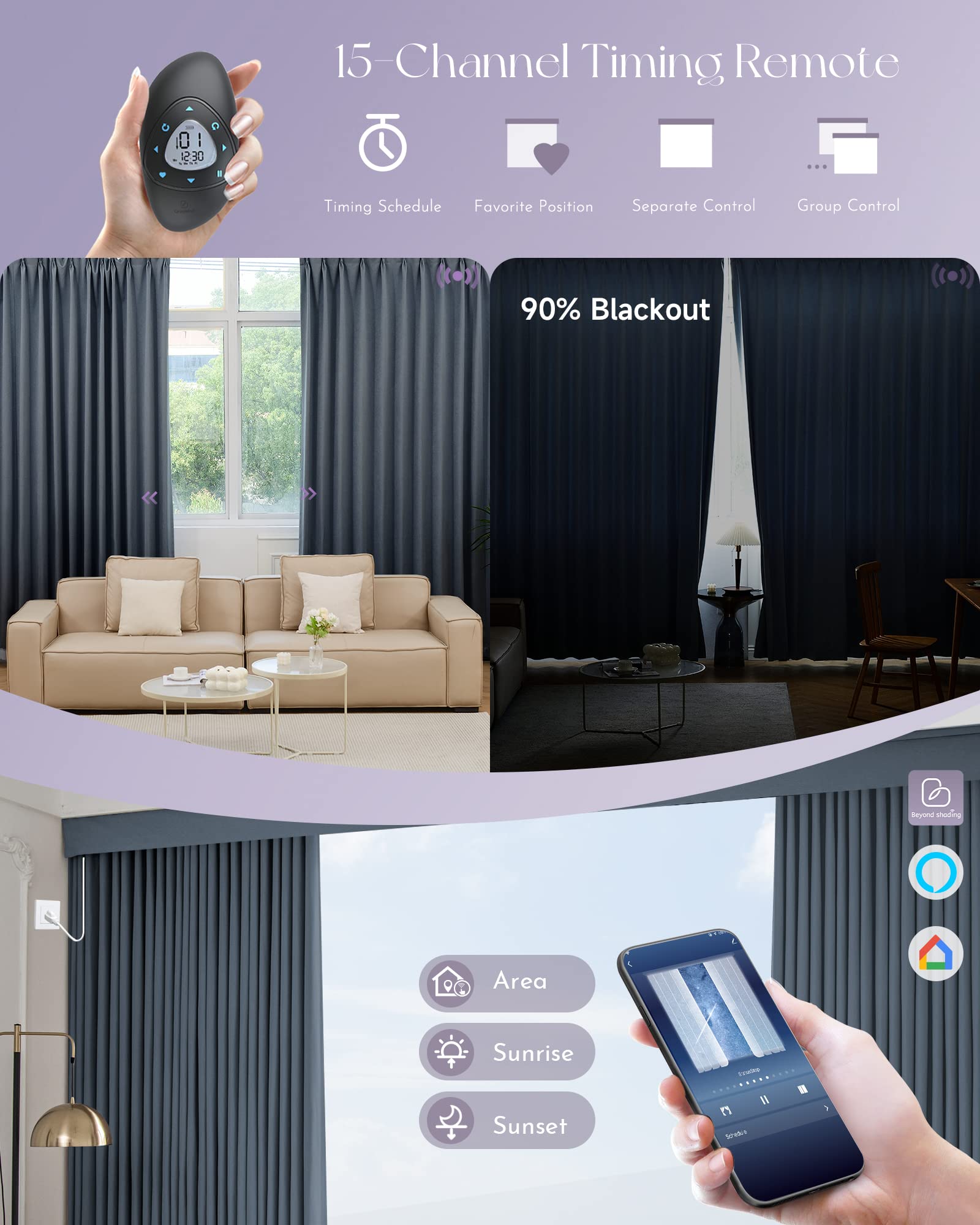
Automation transforms smart curtains from a convenience into an intelligent system.
Timer Scheduling
Set curtains to open or close at specific times daily.
Sunrise and Sunset Automation
Curtains adjust automatically based on natural lighting conditions.
Temperature-Based Control
Curtains respond to heat levels to improve energy efficiency.
Scene Integration
Combine curtains with lighting or entertainment settings.
Example: “Movie mode” closes curtains and dims lights.
6. Track Compatibility and Installation Flexibility
Not all motors work with every curtain track.
Curtain Types
Ensure compatibility with:
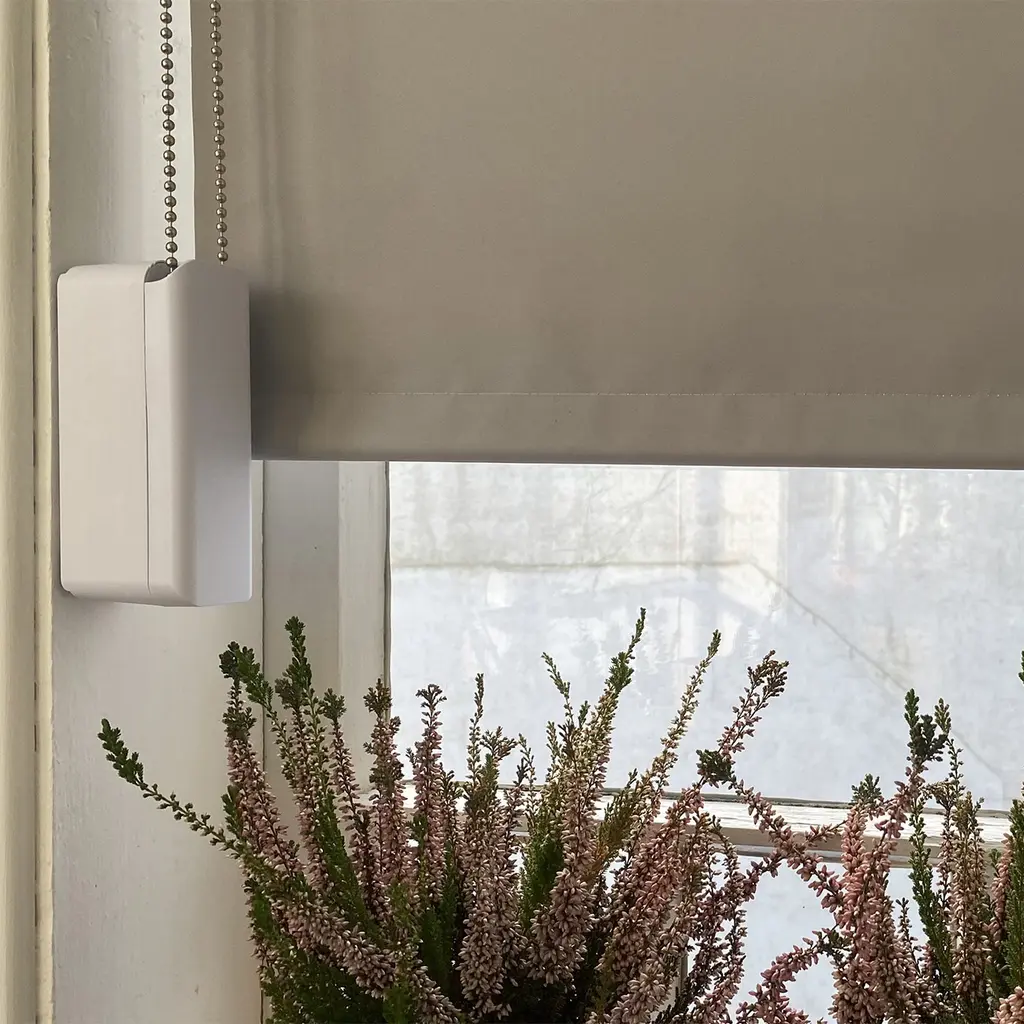
Rod-style curtains
Track systems
Roman shades
Roller blinds
Installation Methods
Some motors support:
Ceiling mounting
Wall mounting
Retrofit installation for existing curtains
Retrofit options are ideal if you want automation without replacing current curtains.
7. Noise Level — Still Important, But Not Everything
Quiet operation matters, especially in bedrooms and offices.
What Counts as “Quiet”?
20–30 dB → extremely quiet
30–40 dB → low noise
Above 45 dB → noticeable
Look for brushless motors or advanced damping technology.
Why Noise Alone Is Not Enough
A silent motor with weak power or unreliable connectivity will still cause frustration. Performance balance is key.
8. Speed and Movement Smoothness
Movement quality affects both durability and user experience.
Smooth Acceleration and Deceleration
High-quality motors:
Start gradually
Stop gently
Avoid sudden jerks
This protects fabric and extends system lifespan.
Adjustable Speed Settings
Some systems allow customized opening speed.
9. Safety Features
Safety is crucial, especially in homes with children or pets.
Obstacle Detection
Motor stops automatically if resistance is detected.
Manual Override
Allows operation during power outages.
Child Safety Design
Cordless operation reduces hazards.
10. Energy Efficiency and Power Consumption
Smart curtains should improve efficiency, not increase energy waste.
Low Standby Power
Look for motors with minimal idle energy usage.
Thermal Insulation Benefits
Automated curtains reduce heat transfer, lowering energy bills.
11. Durability and Build Quality
A curtain motor is a long-term investment.
High-Quality Materials
Durable systems use:
Aluminum tracks
Reinforced gears
Heat-resistant components
Lifespan Ratings
Check rated operating cycles (e.g., 10,000+ uses).
12. Brand Reliability and Ecosystem Support
Choosing a trusted manufacturer improves reliability and long-term support.
Global smart curtain motor brands include:
Somfy — known for premium automation solutions
Aqara — strong smart ecosystem integration
SwitchBot — affordable retrofit solutions
Established brands often provide better software updates and compatibility.
13. App Experience and Software Stability
Hardware is only half the experience — software matters just as much.
Look for Apps That Offer
Easy setup process
Reliable connectivity
Clear scheduling interface
Remote access
Firmware updates
Poor software can make even good hardware frustrating.
14. Multi-User Control and Permissions
Family members should easily access control.
Some systems allow:
Shared accounts
Guest permissions
Role-based access
This improves convenience for households.
15. Design and Aesthetic Integration
Smart curtain motors should blend with interior design.
Compact Design
Smaller motors are less visually intrusive.
Hidden Installation Options
Some systems conceal the motor inside tracks.
Color Matching
Neutral colors integrate better with decor.
16. Scalability for Future Expansion
Your smart home may grow over time.
Choose systems that support:
Additional devices
Future upgrades
Expanded automation
Common Mistakes When Buying Smart Curtain Motors
Choosing Based Only on Price
Cheap motors may fail quickly or lack features.
Ignoring Curtain Weight
Underpowered motors reduce lifespan.
Overlooking Compatibility
Always check smart home ecosystem support.
Neglecting Installation Requirements
Consider wiring, outlets, and mounting options.
Prioritizing Noise Alone
Balance all performance factors.
Smart Curtain Motor Buying Checklist
Use this quick reference when shopping:
✔ Motor load capacity
✔ Smart home compatibility
✔ Connectivity type
✔ Power supply option
✔ Automation features
✔ Track compatibility
✔ Noise level
✔ Safety features
✔ Software quality
✔ Brand reliability
✔ Installation flexibility
Future Trends in Smart Curtain Technology
Smart curtain systems continue evolving.
AI-Based Automation
Curtains may learn user habits and adjust automatically.
Energy Optimization Systems
Integration with smart climate control.
Voice and Gesture Control
More natural interaction methods.
Fully Integrated Smart Windows
Curtains working alongside smart glass technology.
Who Should Invest in Smart Curtain Motors?
Smart curtain motors are ideal for:
Smart home enthusiasts
Homeowners seeking energy efficiency
Families wanting safer window solutions
People with mobility limitations
Interior design-focused households
Renters needing retrofit automation
They provide both convenience and long-term value.
Final Thoughts: Choose Performance, Not Just Silence
Quiet operation is an important feature, but the best smart curtain motor delivers far more — reliable performance, strong load capacity, seamless connectivity, intelligent automation, and long-term durability.
By considering motor strength, power supply, smart home integration, installation flexibility, and safety features, you can choose a system that truly enhances comfort, efficiency, and daily living.
A well-chosen smart curtain motor transforms ordinary window coverings into an intelligent part of your home — improving convenience, saving energy, and elevating interior design for years to come.
Need Help with Your Custom Project?
Have questions about materials, sizing, or looking for a quick quote? Drop us a message and our experts will respond within 24 hours.
Chat on WhatsApp
+1 (304) 356-6765
Send us an Email
hello@incustom.com
Picked for You