Steam Cleaning or Dry Cleaning? Which Method Really Extends the Life of Your Curtains

Apr 21 2026
Curtains do more than frame your windows—they filter light, define a room’s mood, and quietly collect dust, allergens, and airborne residue day after day. Yet when it comes time to clean them, many homeowners face a familiar dilemma: should you steam clean them at home, or send them out for professional dry cleaning?
It’s not a trivial decision. The method you choose can directly affect how long your curtains last, how well they maintain their color and structure, and how much time and money you’ll invest over the years. Choose wisely, and your curtains can look fresh for a decade or more. Choose poorly, and you may accelerate fading, shrinkage, or fabric breakdown.
This guide breaks down both methods in detail—how they work, when to use each, and how to build a cleaning routine that truly extends the life of your curtains.
Why Curtain Care Matters More Than You Think
Unlike clothing, curtains are often overlooked until they visibly look dirty. But even when they appear clean, they’re constantly exposed to:
Dust and pollen
Cooking fumes and grease
Sunlight (UV radiation)
Indoor pollutants
Pet dander
Over time, these elements weaken fibers, dull colors, and create a buildup that’s harder to remove later.
Regular maintenance isn’t just about appearance—it’s about preserving the structural integrity of the fabric.
Understanding the Two Methods
Before deciding which method is better, let’s define what each one actually does.
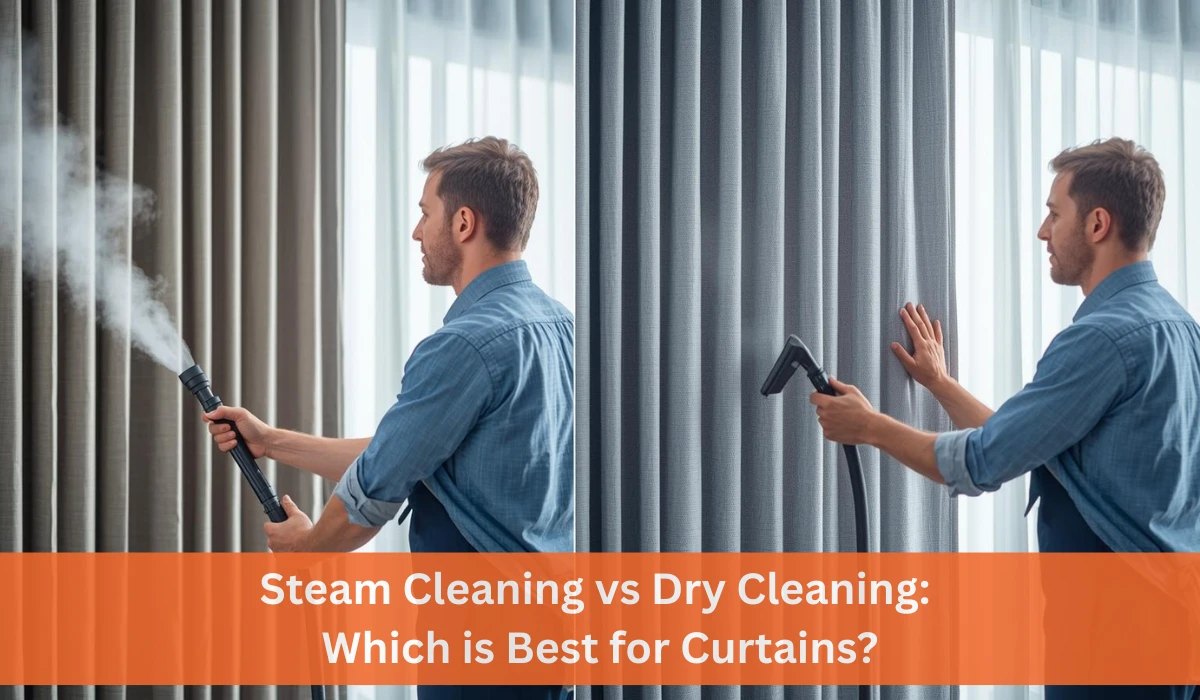
What Is Steam Cleaning?
Steam cleaning uses high-temperature vapor to:
Loosen dirt and debris
Kill bacteria and dust mites
Refresh fabric without soaking it
It’s typically done using a handheld or upright garment steamer, and it can often be performed while curtains are still hanging.
What Is Dry Cleaning?
Dry cleaning is a professional process that uses chemical solvents instead of water to clean fabrics.
It’s especially useful for:
Delicate materials
Structured or lined curtains
Fabrics that may shrink or distort in water
Curtains are removed, cleaned off-site, and returned ready to hang.
The Core Question: Which Method Extends Curtain Life?
The honest answer: it depends on the fabric, frequency, and how the method is used.
However, in most cases:
Steam cleaning is better for regular maintenance
Dry cleaning is better for deep, occasional restoration
The key to extending curtain lifespan isn’t choosing one over the other—it’s knowing when to use each.
How Steam Cleaning Protects Curtain Longevity
Steam cleaning is often underestimated, but it plays a crucial role in long-term fabric care.
1. Minimal Physical Stress
Unlike washing or heavy chemical processing, steam cleaning:
Doesn’t agitate fibers aggressively
Avoids wringing or spinning
Reduces mechanical wear
This is especially important for lightweight or loosely woven fabrics.
2. Prevents Dirt Buildup
Regular steaming removes surface dust before it embeds deeply into fibers.
Why this matters:
Embedded dirt acts like sandpaper
It gradually breaks down fibers from within
It dulls colors over time
By removing contaminants early, you slow down long-term damage.
3. Reduces Washing Frequency
Every full wash or dry cleaning cycle puts stress on fabric.
Steam cleaning allows you to:
Refresh curtains between deep cleans
Extend the interval between intensive treatments
Maintain a cleaner baseline
4. Helps Maintain Shape and Structure
Because curtains remain hanging during steaming:
Gravity helps maintain their natural drape
There’s less risk of distortion
Pleats and folds stay intact
The Limitations of Steam Cleaning
Despite its benefits, steam cleaning isn’t a complete solution.
It Doesn’t Remove Heavy Stains
Grease, smoke residue, or deep-set stains may not respond to steam alone.
It Requires Consistency
Occasional steaming won’t make a big difference. The benefits come from regular use.
Not Ideal for All Fabrics
Some materials, like certain silks or heavily structured curtains, may react poorly to heat or moisture.
How Dry Cleaning Supports Curtain Longevity
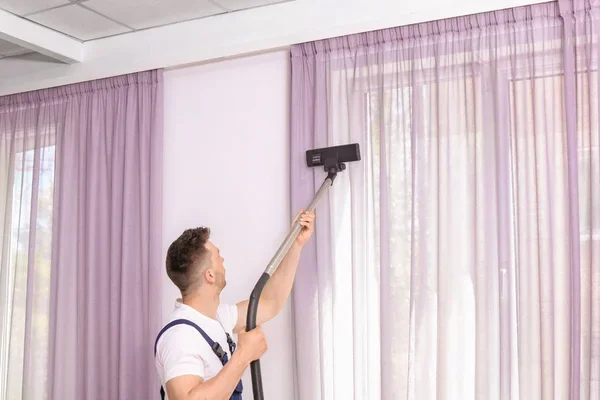
Dry cleaning plays a different but equally important role.
1. Deep Cleaning Power
Dry cleaning solvents can:
Dissolve oils and grease
Remove stubborn stains
Restore brightness
This is essential for curtains exposed to kitchens, smoking, or urban pollution.
2. Safe for Delicate Fabrics
Materials like:
Silk
Velvet
Wool blends
Lined or interlined curtains
…often require professional handling to avoid damage.
3. Professional Finishing
Dry cleaning typically includes:
Pressing
Reshaping
Inspection for damage
This helps maintain a polished appearance.
The Downsides of Frequent Dry Cleaning
While effective, dry cleaning isn’t something you should overuse.
Chemical Exposure
Repeated exposure to solvents can:
Weaken fibers over time
Cause gradual color fading
Affect fabric softness
Higher Cost
Dry cleaning large curtains can be expensive, especially if done frequently.
Handling Stress
Removing, transporting, and rehanging curtains introduces:
Physical strain on seams
Risk of tearing or stretching
Fabric Matters: Choosing the Right Method
Not all curtains are created equal. The best cleaning method depends heavily on the material.
Sheer Fabrics (Voile, Lace)
Best approach: Regular steam cleaning
Occasional gentle washing or professional cleaning
These fabrics are lightweight and benefit from low-impact maintenance.
Cotton and Polyester
Best approach: Combination method
Steam regularly, deep clean occasionally
These are durable and flexible but still benefit from reduced washing frequency.
Velvet and Heavy Drapes
Best approach: Professional dry cleaning
Minimal steaming (with caution)
These fabrics are dense and can be easily damaged by improper handling.
Silk Curtains
Best approach: Dry cleaning only
Silk is highly sensitive to moisture and heat.
Blackout Curtains
Best approach: Light steaming + occasional dry cleaning
The backing layer can be damaged by excessive moisture or heat.
The Ideal Cleaning Strategy: A Hybrid Approach
If your goal is to maximize curtain lifespan, the most effective strategy is to combine both methods.
Monthly Routine
Light steam cleaning
Dust removal (vacuum with soft brush attachment)
Every 6–12 Months
Professional dry cleaning (if needed)
Deep inspection for wear or damage
As Needed
Spot cleaning for stains
Immediate attention to spills or odors
Environmental Factors That Affect Curtain Lifespan
Cleaning method is only part of the equation.
Sunlight Exposure
UV rays can:
Fade colors
Weaken fibers
Use liners or rotate curtains if possible.
Indoor Air Quality
Smoke, cooking fumes, and dust accelerate buildup.
Improving ventilation can reduce cleaning frequency.
Humidity Levels
High humidity can lead to:
Mold growth
Fabric deterioration
Keep indoor humidity balanced.
Common Mistakes That Shorten Curtain Life
Over-Cleaning
Too much cleaning—especially aggressive methods—can wear out fabric faster than dirt itself.
Ignoring Care Labels
Manufacturers provide guidelines for a reason. Ignoring them can lead to irreversible damage.
Using Excessive Heat
High temperatures can:
Shrink fabric
Damage coatings
Alter texture
Delaying Cleaning Too Long
Waiting until curtains are visibly dirty makes cleaning more difficult and damaging.
Signs Your Curtains Need Attention
Noticeable dust buildup
Fading or discoloration
Lingering odors
Increased allergy symptoms
Loss of fabric softness
Addressing these early can prevent long-term damage.
Cost vs. Longevity: A Practical Perspective
Some homeowners avoid dry cleaning due to cost, while others skip maintenance altogether.
A balanced approach actually saves money over time:
Fewer replacements
Better appearance retention
Reduced need for intensive treatments
Think of curtain care as an investment, not an expense.
Final Verdict: Which Method Wins?
If forced to choose one:
Steam cleaning is better for preserving fabric on a day-to-day basis
Dry cleaning is essential for periodic deep care
But the real answer isn’t choosing one—it’s using both strategically.
Final Thoughts
Curtains are a long-term part of your home, and how you care for them determines how long they stay beautiful and functional.
By combining regular steam maintenance with occasional professional cleaning, you create a system that:
Minimizes wear
Preserves color and texture
Extends overall lifespan
Instead of asking “steam or dry clean,” the better question is: how can these methods work together?
Answer that correctly, and your curtains won’t just last longer—they’ll continue to elevate your space year after year.
Need Help with Your Custom Project?
Have questions about materials, sizing, or looking for a quick quote? Drop us a message and our experts will respond within 24 hours.
Chat on WhatsApp
+1 (304) 356-6765
Send us an Email
hello@incustom.com
Picked for You