
The outdoor industry has never been more popular than it is today. From hiking and camping to trail running, backpacking, climbing, and overlanding, more people than ever are stepping outside to reconnect with nature. Along with this surge in interest comes an equally powerful wave of marketing, influencer content, and product launches promising lighter gear, stronger materials, and “game-changing” innovations.
But behind the glossy ads and viral gear reviews lies a problem that many outdoor enthusiasts eventually run into: buying the wrong equipment simply because it was trending.
A tent that looks perfect on social media might fail in real rain. A “ultralight” backpack might sacrifice durability. A hyped sleeping bag might be optimized for marketing specs rather than real-world conditions. Over time, these decisions lead to frustration, wasted money, and in some cases, compromised safety in the field.
The truth is simple: outdoor gear is not fashion. It is functional equipment designed to support survival, comfort, and efficiency in unpredictable environments. Choosing the right gear requires a structured mindset, not emotional impulse.
This guide breaks down four core principles that help outdoor enthusiasts avoid blind trend-following and make smarter, more reliable purchasing decisions—whether you're a weekend camper or a long-distance backpacker.
Principle 1: Functionality Comes Before Features
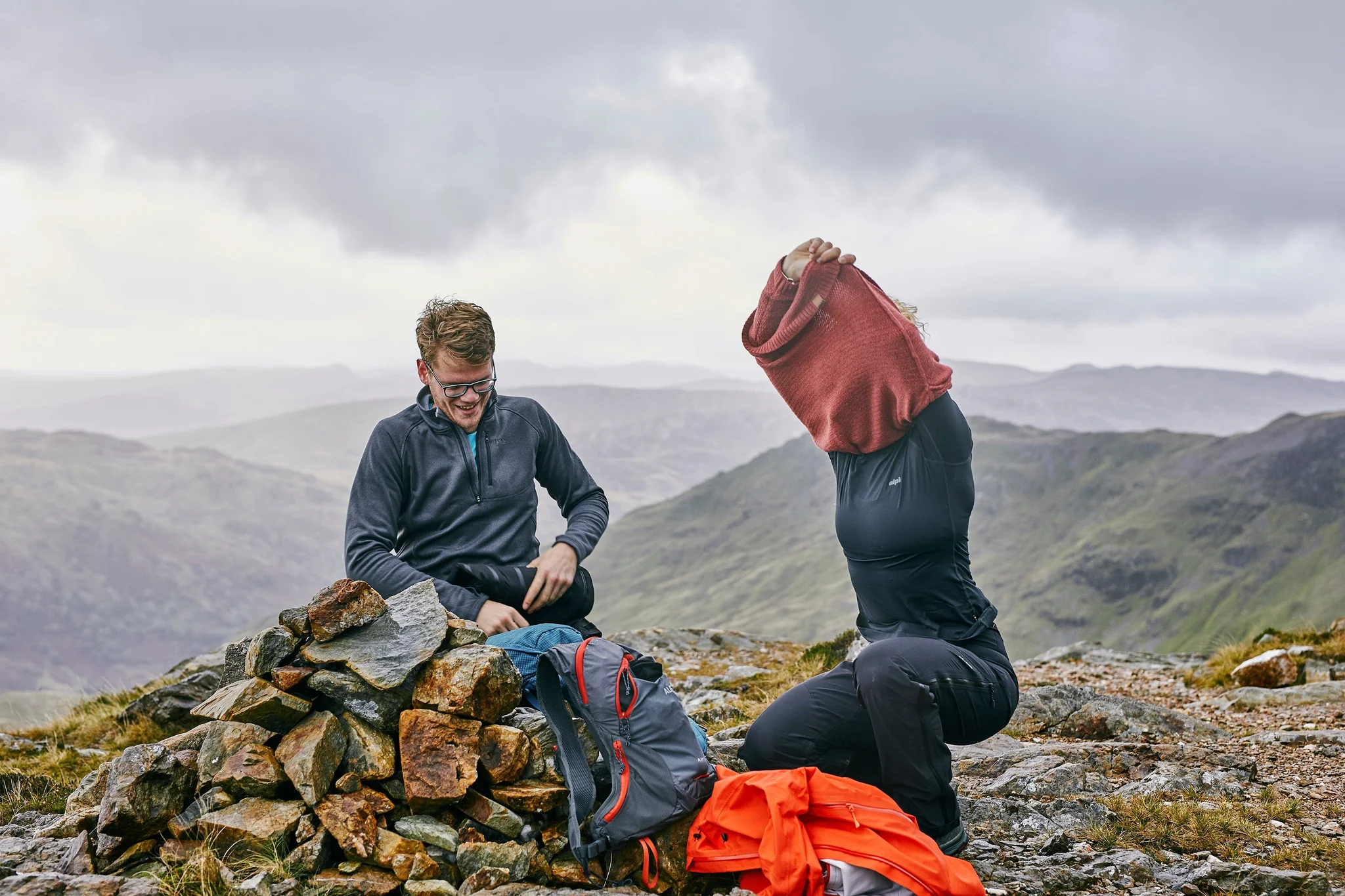
One of the most common mistakes in outdoor gear selection is prioritizing features over actual functionality. Modern equipment is filled with technical specifications, proprietary fabrics, modular systems, and accessory integrations. While these innovations can be valuable, they often distract buyers from the most important question:
Does this product actually perform its core job well in real outdoor conditions?
Understanding Real-World Performance vs Marketing Performance
Manufacturers often highlight features such as:
Ultra-lightweight materials
Waterproof ratings
Advanced ventilation systems
Modular attachment systems
Proprietary insulation technologies
While these specifications sound impressive, they do not always translate into better real-world performance.
For example:
A “waterproof” jacket may perform well in lab conditions but fail during sustained heavy rain due to seam leakage.
A lightweight tent may struggle in high winds due to reduced structural rigidity.
A high-tech backpack may feel uncomfortable after several hours due to poor load distribution.
The key is to focus on core function performance:
Shelter stability
Weather protection
Load comfort
Thermal regulation
Durability under stress
A Practical Evaluation Method
Before purchasing any outdoor gear, ask:
What is the primary function of this item?
Does it perform that function reliably in harsh conditions?
Are the added features enhancing or distracting from that function?
If a product cannot clearly answer these questions, it is often better to look elsewhere.
Principle 2: Match Gear to Real Usage Scenarios, Not Ideal Scenarios
Another major mistake outdoor buyers make is choosing gear based on idealized use cases rather than actual conditions they will encounter.
Marketing content often showcases:
Perfect weather
Scenic landscapes
Controlled environments
Lightweight packing setups
Experienced athletes performing optimally
Real outdoor conditions are very different.
The Reality of Outdoor Environments
In real use, you may encounter:
Sudden weather changes
High humidity or extreme dryness
Unexpected terrain difficulty
Fatigue and reduced decision-making ability
Equipment stress from repeated use
Limited access to repairs or replacements
Choosing gear based on “perfect conditions” often leads to underperformance when reality inevitably becomes more demanding.
Common Scenario Mismatches
Buying ultralight tents for occasional car camping where durability matters more than weight
Choosing minimalist shoes for rugged trails that require ankle support
Selecting compact sleeping bags without considering temperature drops at night
Using technical climbing gear for casual hiking where simplicity is better
Scenario-Based Thinking Framework
Instead of asking “Is this the best gear available?”, ask:
Where will I actually use this?
What is the worst condition I might face?
How often will I use it?
What level of comfort vs durability do I need?
Gear should be selected for realistic worst-case scenarios, not idealized promotional environments.
Principle 3: Durability and Repairability Matter More Than Specs
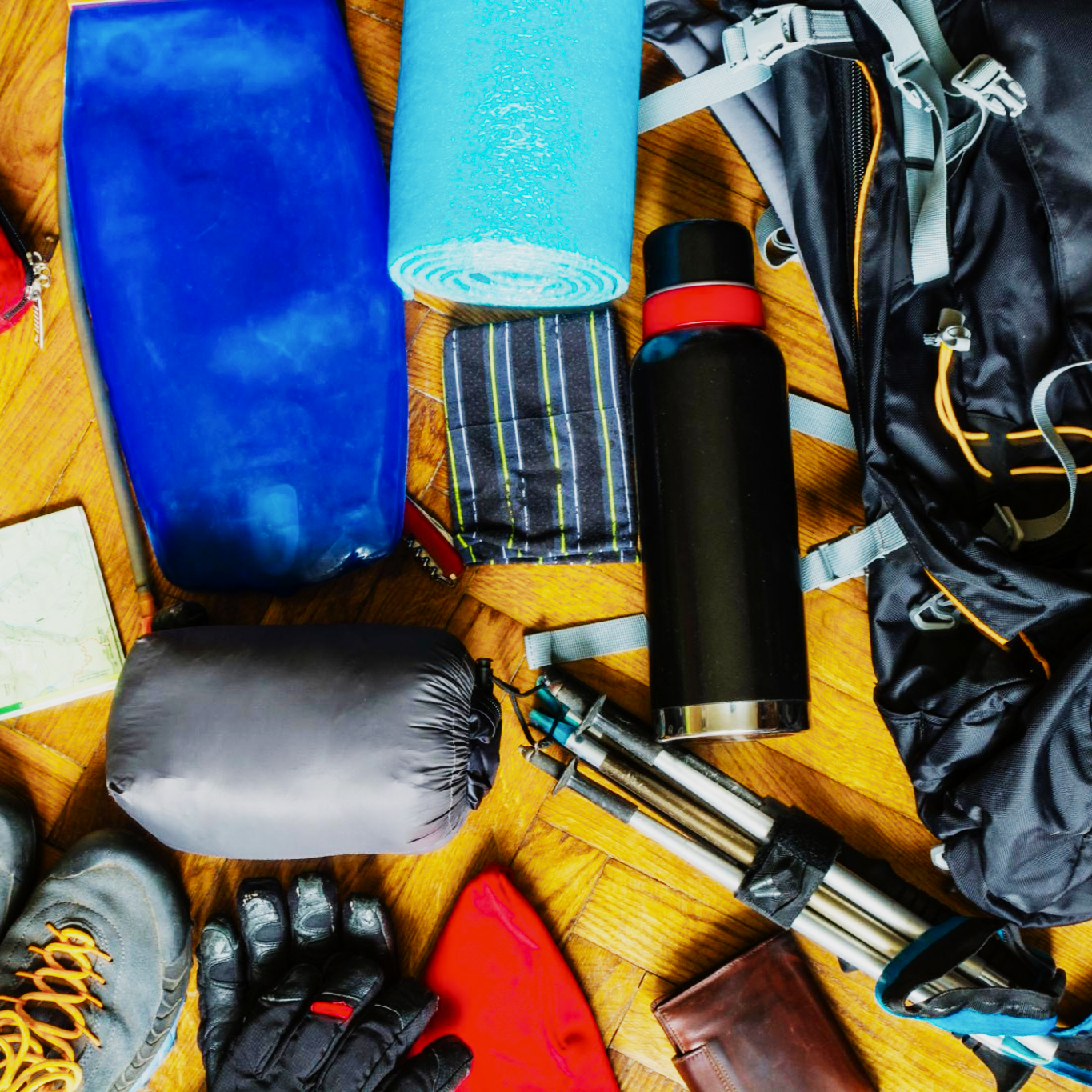
Outdoor gear is constantly exposed to stress: abrasion, moisture, UV exposure, temperature changes, and physical impact. While specifications like weight and material innovation often get the most attention, long-term durability is what ultimately determines whether gear is truly worth buying.
Why Durability Is Often Underestimated
Many modern outdoor products are designed with a focus on:
Weight reduction
Compact storage
Aesthetic appeal
Brand differentiation
However, reducing weight often means:
Thinner fabrics
Smaller structural margins
More delicate components
This does not necessarily make gear bad, but it does require users to understand trade-offs.
The Importance of Repairability
A highly underrated factor in outdoor gear selection is whether a product can be repaired in the field or after damage occurs.
Key questions include:
Can zippers be replaced?
Are poles modular or fixed?
Can fabric tears be patched easily?
Are replacement parts available?
Is the design simple enough for field repairs?
Gear that cannot be repaired often becomes disposable after minor damage, which increases long-term cost and environmental impact.
Material Longevity vs Marketing Claims
Instead of focusing only on labels like “ultralight,” “nano-tech,” or “advanced composite,” evaluate:
Stitching quality
Reinforcement at stress points
Real-world abrasion resistance
Frame or structural integrity
Hardware reliability (buckles, zippers, joints)
Durability is not always visible in product photos—but it becomes obvious after repeated use.
Principle 4: Simplicity Wins in Unpredictable Environments
In outdoor environments, complexity is often a disadvantage. The more complicated a system is, the more likely it is to fail or become difficult to manage under stress.
The Problem with Over-Engineered Gear
Modern outdoor products sometimes include:
Multiple adjustment systems
Electronic components
Integrated accessories
Specialized proprietary parts
Multi-layer modular systems
While these features may improve performance in controlled conditions, they also introduce:
More failure points
Higher learning curves
Greater maintenance requirements
Increased repair difficulty
Why Simplicity Is More Reliable
Simple gear tends to be:
Easier to use under stress
More resistant to failure
Faster to repair
More intuitive in emergencies
Examples of simplicity advantages:
A basic tarp setup is often more reliable than complex tent systems in high winds
A straightforward backpack frame can outperform over-engineered suspension systems in long hikes
Mechanical tools often outperform electronic alternatives in remote environments
Decision-Making Under Fatigue
Outdoor activities often involve physical and mental fatigue. In such conditions, simple systems reduce cognitive load and decision-making errors.
A good rule of thumb:
If you cannot operate it easily when tired, cold, or stressed, it may be too complex for real outdoor use.
Putting the Four Principles Together: A Real Decision Framework
When selecting outdoor gear, combining all four principles creates a powerful evaluation system:
Step 1: Function First
Does it reliably perform its core purpose?
Step 2: Real Scenario Fit
Does it match actual conditions, not ideal ones?
Step 3: Durability Check
Will it survive repeated real-world use?
Step 4: Simplicity Test
Can it be used and maintained without unnecessary complexity?
If a product fails even one of these categories, it may not be the right choice—no matter how popular or highly reviewed it is.
How Marketing Influences Outdoor Gear Decisions
Modern outdoor equipment marketing is highly sophisticated. It often leverages:
Influencer endorsements
Extreme environment imagery
Technical jargon
Limited edition branding
Performance comparisons without context
These tactics are not inherently misleading, but they can shift focus away from practical needs.
The most effective defense is awareness:
Understanding that marketing is designed to highlight strengths—not necessarily everyday performance.
Common Mistakes Outdoor Buyers Make
Mistake 1: Buying Based on Popularity
Just because a product is widely discussed does not mean it is suitable for your specific use case.
Mistake 2: Overvaluing Weight Reduction
Lightweight gear is valuable, but not at the expense of safety or durability.
Mistake 3: Ignoring Maintenance Requirements
Some gear requires frequent care that may not fit your lifestyle.
Mistake 4: Choosing Over-Technical Products
Complex systems can introduce unnecessary risk in outdoor environments.
Building a Smarter Outdoor Gear Mindset
Developing a rational approach to gear selection takes time, but it leads to better long-term outcomes.
A strong mindset includes:
Prioritizing real-world use over trends
Valuing reliability over novelty
Considering worst-case conditions
Understanding trade-offs clearly
Learning from field experience rather than advertisements
Over time, most experienced outdoor enthusiasts naturally shift away from trend-driven buying toward performance-driven selection.
Final Thoughts: The Gear That Disappears When It Works Best
The best outdoor gear is not always the lightest, the most advanced, or the most popular. It is the gear that quietly performs its job without drawing attention to itself.
A reliable tent stands firm in the storm. A dependable backpack carries weight without discomfort. A simple stove lights when needed. A durable jacket protects without fuss.
When gear works as intended, it becomes invisible—and that is the highest compliment it can receive.
By applying the four core principles—functionality, real scenario alignment, durability, and simplicity—you can move beyond hype-driven decisions and build an outdoor kit that truly supports your adventures, no matter where the trail leads.
Need Help with Your Custom Project?
Have questions about materials, sizing, or looking for a quick quote? Drop us a message and our experts will respond within 24 hours.
Chat on WhatsApp
+1 (304) 356-6765
Send us an Email
hello@incustom.com
Picked for You