Sunlight Is a Fabric Killer: How to Prevent Custom Curtains from Fading and Aging During Summer

Mar 19 2026
Introduction: The Hidden Damage Happening in Your Windows
Summer sunlight feels warm, welcoming, and energizing. It brightens interiors, enhances mood, and makes living spaces feel alive. Yet behind that beautiful glow lies one of the biggest threats to home textiles—especially custom curtains.
Many homeowners invest in custom window treatments expecting them to last for years, only to notice fading colors, brittle textures, or uneven discoloration after just one or two summers. What often goes unnoticed is that sunlight doesn’t simply “fade” fabric; it slowly breaks down fibers at a molecular level.
Unlike furniture scratches or accidental stains, sun damage happens gradually and silently. By the time fading becomes visible, structural deterioration has already begun.
Understanding how sunlight affects curtain fabrics—and how to protect against it—can dramatically extend the lifespan of custom curtains while preserving their appearance and performance.
This guide explores why sunlight damages fabrics, which materials are most vulnerable, and practical strategies to prevent summer fading and aging.
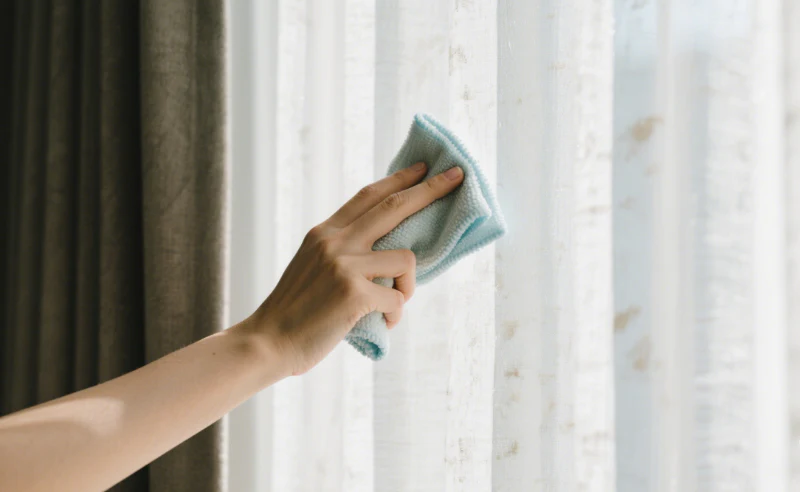
1. Why Sunlight Is So Damaging to Curtain Fabrics
Sunlight contains multiple types of radiation, but ultraviolet (UV) rays are the primary cause of fabric deterioration.
The Science Behind Fabric Fading
UV radiation triggers chemical reactions within textile dyes and fibers:
Dye molecules break apart, causing color loss.
Fibers weaken and become brittle.
Heat accelerates oxidation processes.
Repeated exposure reduces fabric elasticity.
Curtains are particularly vulnerable because they sit directly between sunlight and interior space, often absorbing intense exposure for hours each day.
South- and west-facing windows receive the strongest afternoon sun, making curtains in these areas especially prone to damage during summer months.
2. Signs Your Curtains Are Already Experiencing Sun Damage
Many homeowners notice problems only when fading becomes obvious, but earlier warning signs include:
Slight color dullness compared to shaded areas
Fabric feeling dry or stiff
Weakening seams near window edges
Uneven fading patterns
Increased dust shedding from fibers
If the side facing the window looks noticeably lighter than the room-facing side, UV degradation has already begun.
Early intervention can still slow further damage.
3. Why Custom Curtains Require Extra Protection
Custom curtains often use premium fabrics chosen for aesthetics rather than extreme durability. Materials such as linen blends, silk-inspired textiles, and designer cotton weaves may prioritize texture and drape over UV resistance.
Because custom curtains are tailored specifically for your windows, replacing them is significantly more expensive than swapping ready-made panels.
Protecting them is therefore both a design decision and a long-term financial investment.
4. Fabrics Most Vulnerable to Summer Sunlight
Not all materials respond to sunlight equally.
High-Risk Fabrics
Silk and faux silk
Beautiful but extremely sensitive to UV exposure. Fibers weaken quickly and colors fade unevenly.
Cotton
Breathable and popular but prone to fading without protective lining.
Linen
Natural fibers degrade faster under prolonged sunlight.
Rayon and viscose blends
Can become brittle after heat exposure.
More Resistant Fabrics
Polyester blends
Offer better color retention and durability.
Solution-dyed acrylic fabrics
Designed specifically for sun exposure.
UV-treated textiles
Engineered to resist photodegradation.
Choosing the right material at purchase stage greatly influences curtain longevity.
5. The Role of Curtain Lining: Your First Line of Defense
One of the most effective protections against fading is proper lining.
Curtain lining acts as a shield between sunlight and decorative fabric.
Types of Protective Linings
Standard lining
Provides moderate protection and improves drape.
Blackout lining
Blocks most sunlight and significantly reduces UV penetration.
Thermal lining
Adds insulation while limiting heat transfer.
UV-resistant lining
Specifically engineered to reflect harmful rays.
Adding or upgrading lining can extend curtain lifespan by several years.
6. Window Orientation Matters More Than You Think
Sun exposure varies dramatically depending on window direction.
South-facing windows: Maximum year-round exposure
West-facing windows: Intense afternoon heat and UV
East-facing windows: Strong morning sunlight
North-facing windows: Minimal direct sun
Rooms with heavy afternoon sun require stronger protection strategies, such as layered window treatments or UV films.
Understanding exposure patterns helps homeowners tailor solutions rather than applying generic fixes.
7. Layered Window Treatments: Smart Protection Without Sacrificing Style
Layering window coverings is one of the most effective modern solutions.
A layered setup may include:
Sheer curtains to diffuse light
Decorative custom curtains
Roller shades or blinds behind panels
Sheers soften sunlight before it reaches main fabric, dramatically reducing UV intensity while maintaining brightness.
This approach preserves aesthetics while enhancing durability.
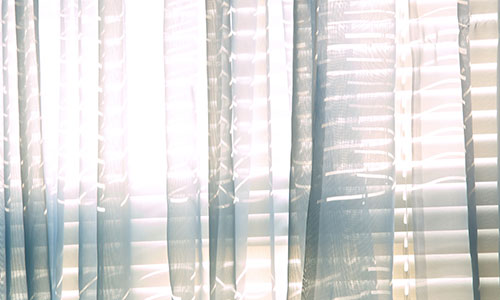
8. UV Window Films: Invisible Protection
UV-filtering window film is an increasingly popular solution for sun-heavy homes.
These transparent films:
Block up to 99% of UV rays
Reduce heat buildup
Protect furniture and flooring
Maintain natural light levels
Unlike blackout solutions, window films allow homeowners to enjoy sunlight without exposing fabrics to harmful radiation.
Installation is relatively affordable compared to replacing damaged curtains.
9. Smart Curtain Positioning Throughout the Day
Simple daily habits can reduce cumulative sun exposure.
Consider:
Closing curtains during peak afternoon hours
Partially drawing panels instead of leaving them fully open
Rotating panels periodically for even wear
Even small behavioral adjustments can slow fading significantly over time.
10. The Impact of Heat on Fabric Aging
Sunlight damage isn’t caused by UV alone. Heat accelerates chemical breakdown inside fibers.
High temperatures can:
Dry out natural fibers
Cause shrinkage
Weaken stitching threads
Increase dust absorption
Thermal linings and reflective window treatments help reduce temperature stress alongside UV exposure.
11. Cleaning Practices That Prevent Faster Fading
Improper cleaning can worsen sun damage.
Best practices include:
Gentle vacuuming using upholstery attachments
Avoiding harsh detergents
Limiting frequent washing
Using cold water when cleaning is necessary
Overwashing removes protective finishes and weakens fibers already stressed by sunlight.
12. Seasonal Curtain Care Routine
Creating a seasonal maintenance routine ensures long-term durability.
Summer Care Checklist
Inspect for early fading signs
Clean accumulated dust
Adjust curtain positioning
Check lining condition
Ensure hardware supports even hanging
Regular inspections prevent minor issues from becoming irreversible damage.
13. Technology Meets Home Design: Smart Curtains
Motorized curtain systems are becoming increasingly popular for sun protection.
Smart curtains can automatically:
Close during peak UV hours
Adjust based on sunlight sensors
Sync with smart home systems
Automation removes the need for manual adjustments, ensuring consistent protection even when homeowners are away.
14. Color Choice and Fade Resistance
Color selection plays a surprisingly large role in longevity.
Colors That Fade Faster
Dark blues
Deep reds
Rich purples
High-saturation tones
More Fade-Resistant Options
Neutral shades
Earth tones
Textured weaves with mixed fibers
Patterned fabrics also disguise gradual fading better than solid colors.
15. Humidity, Air Quality, and Combined Aging Effects
Sunlight often works alongside environmental factors.
High humidity and indoor pollutants accelerate fiber degradation. Dust particles trapped in fabric amplify UV damage by retaining heat.
Proper ventilation and regular cleaning reduce combined environmental stress on curtains.
16. When Restoration Is Possible—and When Replacement Is Needed
Not all sun damage is reversible.
Minor fading can sometimes be improved through professional cleaning or fabric conditioning treatments.
However, replacement becomes necessary when:
Fabric tears easily
Colors fade unevenly beyond repair
Linings disintegrate
Structural integrity weakens
Recognizing the difference prevents wasted restoration costs.
17. Long-Term Investment Thinking for Custom Curtains
Custom curtains should be viewed similarly to furniture or flooring—a long-term interior investment.
Protective measures such as lining upgrades, UV films, and smart positioning cost far less than replacement.
Proactive care extends lifespan from a few years to a decade or more.
18. Designing a Sun-Smart Home Interior
Modern interior design increasingly considers sunlight exposure during planning stages.
Designers now evaluate:
Window direction
Seasonal light patterns
Fabric durability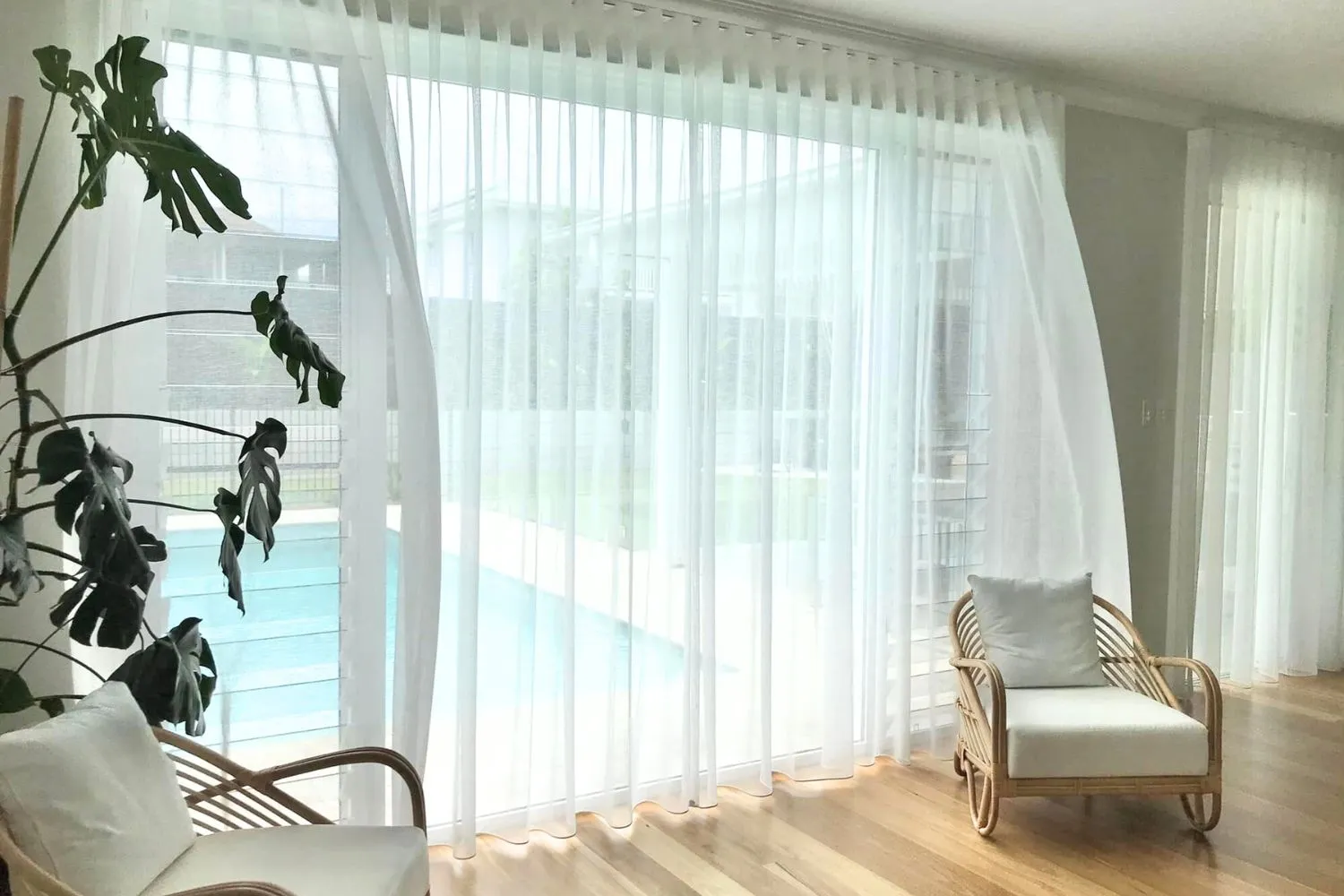
Layered protection strategies
A sun-smart design balances natural light with material preservation, ensuring interiors remain beautiful year after year.
Conclusion: Protecting Beauty Without Blocking the Sun
Sunlight is essential to comfortable living spaces, but without protection, it quietly becomes one of the most destructive forces affecting home textiles.
Custom curtains, positioned at the frontline between indoor comfort and outdoor exposure, face constant environmental stress—especially during summer months.
Fortunately, preventing fading and aging does not require sacrificing natural light or style. Through thoughtful fabric selection, protective linings, layered treatments, UV filtering solutions, and consistent care habits, homeowners can dramatically extend the life of their curtains.
The goal is not to eliminate sunlight, but to manage it intelligently.
With the right strategies, your custom curtains can continue enhancing your home’s beauty, comfort, and atmosphere long after many summers have passed.
Need Help with Your Custom Project?
Have questions about materials, sizing, or looking for a quick quote? Drop us a message and our experts will respond within 24 hours.
Chat on WhatsApp
+1 (304) 356-6765
Send us an Email
hello@incustom.com
Picked for You