The Art of Light Transmission: Blinds, Shangri-La Shades, and Dream Curtains for Different Spaces

Feb 14 2026
Light is more than illumination—it shapes atmosphere, influences mood, enhances spatial perception, and defines the character of a room. In modern interior design, window treatments are no longer just functional coverings; they are artistic tools that control how light enters and interacts with a space. Among the most versatile solutions are blinds, Shangri-La shades, and dream curtains, each offering unique approaches to managing brightness, privacy, and visual appeal.
This guide explores how these three window treatment styles transform residential and commercial environments through light control. From structured precision to soft diffusion and layered elegance, understanding their differences helps you create intentional lighting experiences tailored to each room.
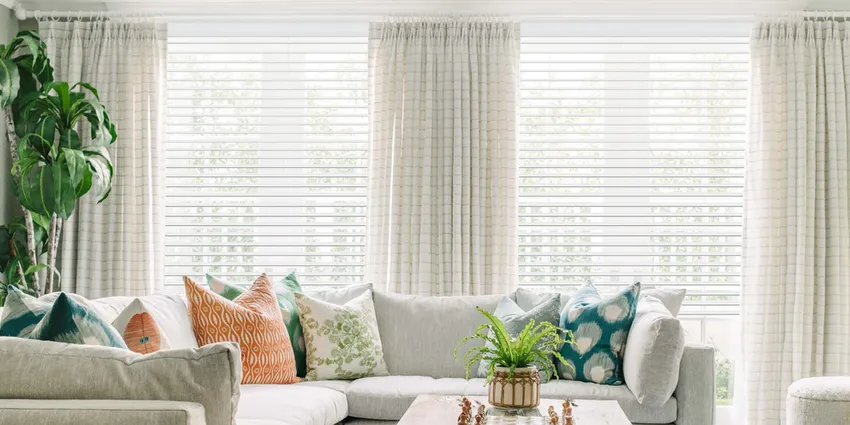
Understanding Light as a Design Element
Before exploring specific window treatments, it’s essential to understand why light control matters in interior design.
Natural light affects:
Visual comfort – Reduces glare and eye strain
Energy efficiency – Regulates heat and cooling needs
Mood and productivity – Enhances well-being and focus
Spatial perception – Makes rooms feel larger or more intimate
Material appearance – Highlights textures and colors
The right window treatment transforms harsh sunlight into balanced illumination while maintaining privacy and style. Blinds, Shangri-La shades, and dream curtains represent three distinct philosophies of light management.
Blinds: Precision and Structured Light Control
Blinds are one of the most classic and practical window solutions. Known for their adjustable slats, they allow precise control over light direction and intensity.
What Are Blinds?
Blinds consist of horizontal or vertical slats made from materials such as aluminum, wood, faux wood, or PVC. These slats tilt to regulate light entry, offering flexibility unmatched by many other window coverings.
Key Characteristics
Adjustable light angles
Strong privacy control
Clean architectural appearance
Durable materials
Wide range of finishes
Blinds provide structured light control—allowing users to redirect sunlight rather than simply block or diffuse it.
Light Effects Created by Blinds
Blinds create distinct lighting effects that suit modern and functional interiors.
Directional Light
Tilted slats allow sunlight to bounce upward toward ceilings, creating indirect illumination that softens brightness.
Defined Shadow Patterns
Blinds create linear shadow effects that enhance architectural geometry and modern aesthetics.
Gradual Light Adjustment
Users can fine-tune brightness without fully opening or closing the window covering.
This level of precision makes blinds ideal for environments requiring flexibility.
Best Spaces for Blinds
Home Offices
Blinds reduce screen glare while maintaining sufficient daylight for productivity. Their adjustability supports changing lighting conditions throughout the day.
Kitchens
Moisture-resistant materials and easy cleaning make blinds practical for cooking spaces. They allow strong daylight while protecting privacy.
Bathrooms
Faux wood or aluminum blinds provide privacy and resist humidity.
Commercial Spaces
Offices, clinics, and workspaces benefit from their professional appearance and controlled lighting.
Design Impact
Blinds contribute to:
Minimalist interiors
Industrial and contemporary aesthetics
Functional living environments
Structured visual order
They emphasize clarity, precision, and practicality.
Shangri-La Shades: Soft Light and Floating Elegance
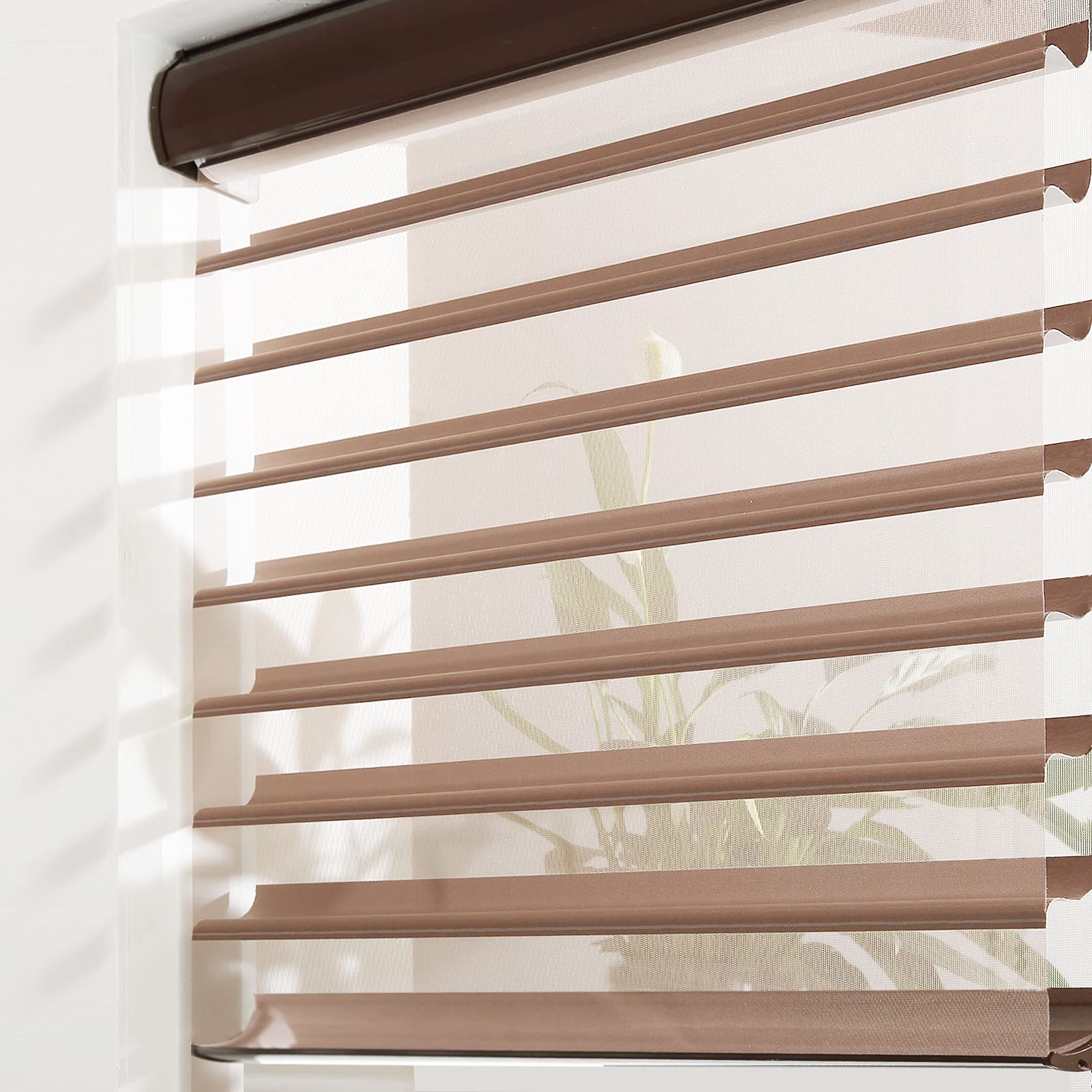
Shangri-La shades represent a refined balance between sheer curtains and blinds. They feature fabric vanes suspended between two layers of sheer material, creating a floating visual effect.
What Are Shangri-La Shades?
These shades combine layered textiles with adjustable fabric vanes. When open, they gently filter sunlight; when closed, they provide privacy while maintaining softness.
Key Characteristics
Layered fabric construction
Soft light diffusion
Elegant floating appearance
Smooth transition between openness and privacy
Contemporary luxury appeal
Shangri-La shades are known for transforming harsh sunlight into a soft, luminous glow.
Light Effects Created by Shangri-La Shades
Gentle Diffusion
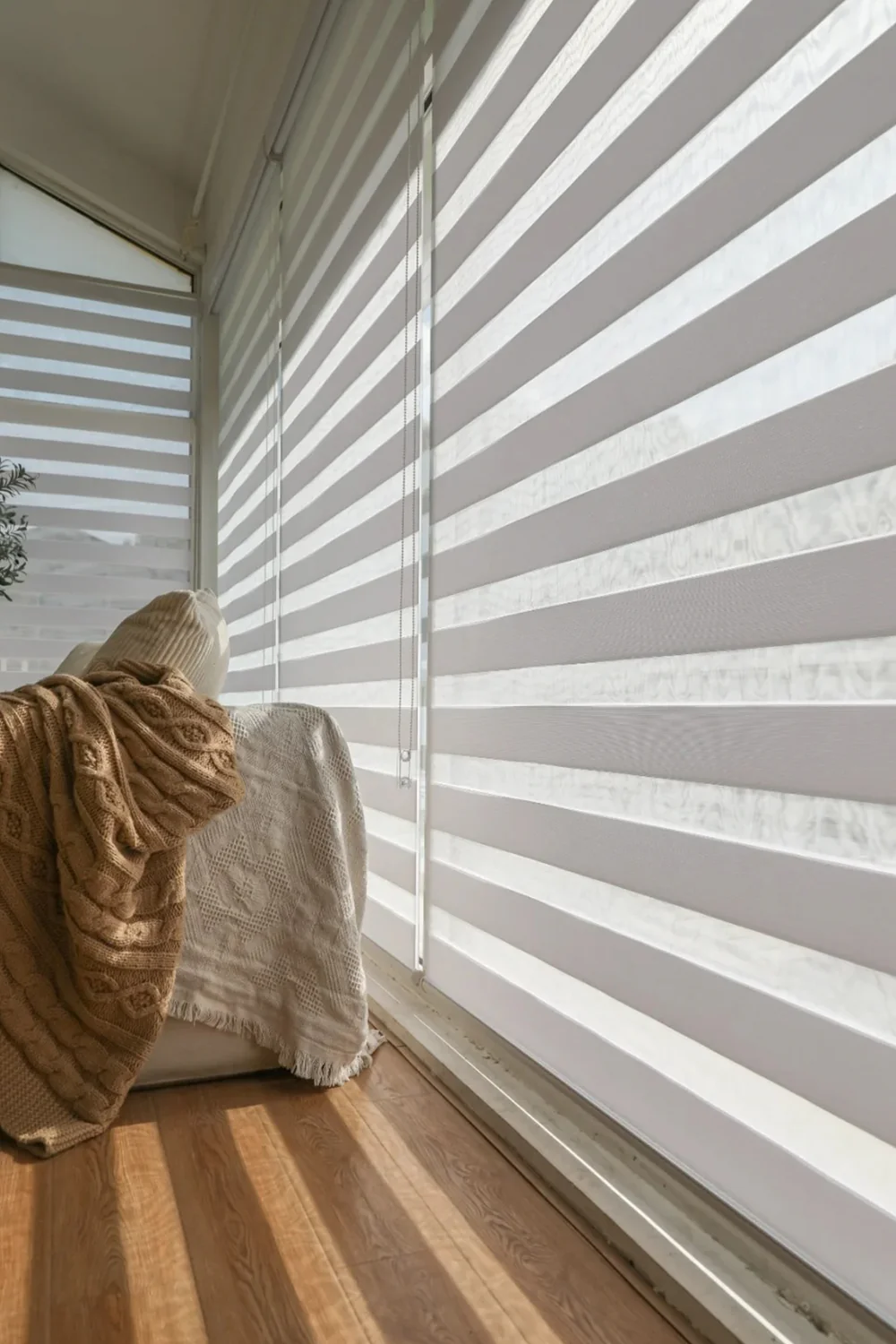
Light passes through sheer layers, producing a calm and evenly illuminated environment.
Reduced Glare
The layered design softens direct sunlight, protecting furniture and improving visual comfort.
Atmospheric Brightness
Rooms feel airy and tranquil, with balanced brightness throughout the space.
This lighting quality enhances comfort and relaxation.
Best Spaces for Shangri-La Shades
Living Rooms
They create welcoming spaces with natural light and refined elegance.
Bedrooms
Soft light supports restful environments while maintaining privacy.
Dining Areas
Filtered illumination enhances dining experiences and ambiance.
Boutique Spaces
Retail environments benefit from their upscale and inviting appearance.
Design Impact
Shangri-La shades contribute to:
Modern luxury interiors
Soft contemporary aesthetics
Calm and comfortable environments
Elegant visual layering
They balance functionality with artistic expression.
Dream Curtains: Layered Light and Romantic Atmosphere
Dream curtains focus on fluidity and layered fabric effects. They typically combine sheer and opaque materials to create dynamic light transitions.
What Are Dream Curtains?
Dream curtains feature layered textile panels that move smoothly along tracks. Their design emphasizes softness, depth, and graceful movement.
Key Characteristics
Flowing fabric layers
Strong decorative presence
Dynamic light filtering
High customization potential
Dramatic visual impact
They offer the most expressive approach to light control among the three options.
Light Effects Created by Dream Curtains
Layered Illumination
Multiple fabric layers create depth in light transmission.
Soft Shadow Transitions
Gradual shading produces a romantic and calming environment.
Transformative Atmosphere
Opening or closing layers dramatically changes the room’s mood.
This makes dream curtains ideal for spaces focused on emotional experience.
Best Spaces for Dream Curtains
Bedrooms
They create cozy, restful environments with soft light transitions.
Luxury Living Rooms
Layered fabrics enhance elegance and visual richness.
Hotels and Hospitality Settings
Dream curtains contribute to premium comfort and style.
Large Windows and Floor-to-Ceiling Installations
Their flowing design complements expansive spaces.
Design Impact
Dream curtains support:
Romantic interior styles
Luxurious environments
Artistic expression
Textural richness
They prioritize atmosphere and visual drama.
Comparing Light Transmission Styles
Understanding how each treatment manages light helps determine the best fit for different environments.
Precision vs Diffusion vs Atmosphere
Blinds — Directional and adjustable light control
Shangri-La shades — Soft, evenly diffused illumination
Dream curtains — Layered, expressive lighting effects
Each offers a distinct interaction between sunlight and space.
Privacy Levels
Privacy varies depending on structure and materials:
Blinds provide strong privacy when closed.
Shangri-La shades balance visibility and protection.
Dream curtains offer flexible privacy through layering.
Visual Impact
Blinds create structured and minimal aesthetics.
Shangri-La shades appear refined and modern.
Dream curtains emphasize softness and luxury.
Choosing Window Treatments by Room Function
Selecting the right solution depends on how each space is used.
Productivity-Focused Spaces
Home offices and work areas benefit from precise light adjustment. Blinds are typically the most effective choice due to their glare control and flexibility.
Relaxation Spaces
Bedrooms and reading areas require calm, gentle lighting. Shangri-La shades or dream curtains provide soft illumination that promotes comfort.
Social Spaces
Living rooms and entertainment areas benefit from layered lighting options that shift throughout the day. Shangri-La shades or dream curtains create welcoming atmospheres.
Practical Spaces
Kitchens and bathrooms require durability and easy maintenance, making blinds a practical solution.
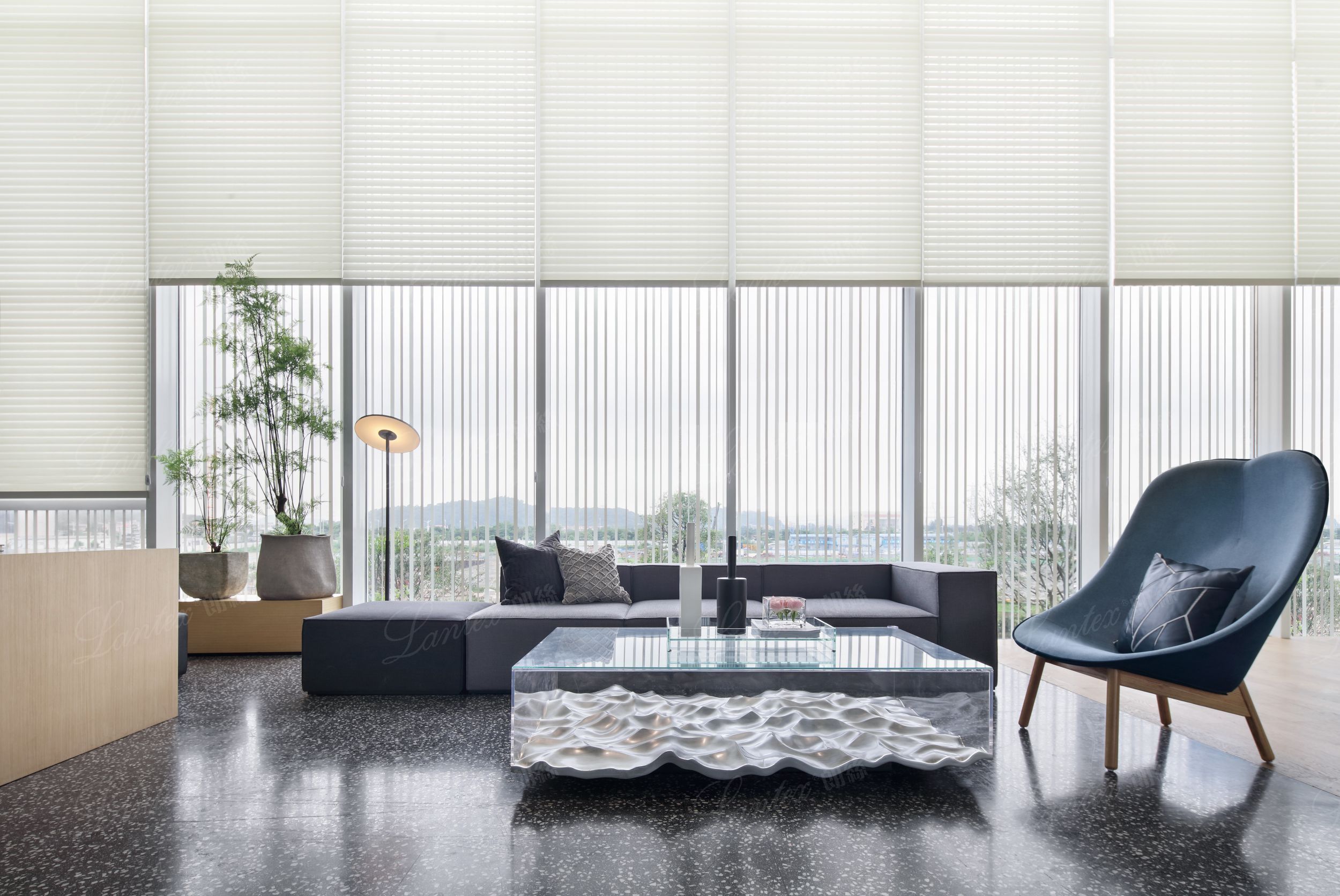
Materials and Texture Considerations
Material selection influences light behavior and overall design.
Blinds Materials
Aluminum — sleek and reflective
Wood — warm and natural
Faux wood — moisture resistant
PVC — durable and practical
Material texture affects how light reflects or absorbs.
Shangri-La Fabric Options
Sheer textiles for maximum brightness
Light-filtering fabrics for balanced privacy
Neutral tones for timeless elegance
Fabric density determines light softness.
Dream Curtain Fabrics
Sheer panels for diffusion
Thick drapes for blocking light
Layered textiles for dynamic effects
Texture plays a major role in visual richness.
Energy Efficiency and Comfort
Window treatments influence indoor temperature and energy use.
Heat Regulation
Blinds reflect sunlight to reduce heat gain.
Shangri-La shades diffuse heat while maintaining brightness.
Dream curtains provide insulation through layered fabric.
UV Protection
All three options help protect furniture, flooring, and artwork from fading by filtering ultraviolet exposure.
Smart Home Integration
Modern window treatments increasingly integrate with smart technology.
Motorized Operation
Remote control functionality
Scheduled opening and closing
Voice control compatibility
Automated systems enhance convenience and energy efficiency.
Adaptive Light Control
Smart systems adjust window coverings based on sunlight intensity, improving comfort throughout the day.
Color and Design Harmony
Color choices influence how light interacts with interiors.
Light Colors
Reflect more light
Make spaces feel larger
Create airy environments
Dark Colors
Absorb light
Add depth and drama
Enhance privacy
Neutral tones remain versatile across styles.
Customization and Personal Expression
Window treatments increasingly reflect personal style.
Custom Sizing
Tailored dimensions ensure precise fit and optimal performance.
Unique Finishes
From textured fabrics to natural wood grains, customization enhances design cohesion.
Layered Solutions
Combining blinds with curtains or shades creates multi-level light control.
Maintenance and Longevity
Practical considerations influence long-term satisfaction.
Cleaning Requirements
Blinds require regular dusting.
Shangri-La shades need gentle fabric care.
Dream curtains may require periodic washing.
Durability
Material quality and installation determine lifespan and performance.
Commercial Applications
Beyond residential use, these treatments play important roles in business environments.
Offices
Blinds support productivity through precise light management.
Hospitality
Dream curtains create luxurious guest experiences.
Retail
Shangri-La shades provide inviting and comfortable lighting.
Future Trends in Light-Filtering Design
Interior design continues to evolve toward greater personalization and sustainability.
Sustainable Materials
Eco-friendly textiles and recyclable materials are becoming standard.
Hybrid Designs
Combining different technologies creates more versatile light control.
Minimalist Aesthetics
Clean lines and subtle textures remain popular in modern spaces.
Creating a Cohesive Lighting Strategy
Effective window design considers the entire home rather than individual rooms.
Consistent Design Language
Using complementary treatments maintains visual harmony across spaces.
Functional Priorities
Each room’s purpose should guide the level of light control and privacy.
Balanced Atmosphere
Combining structured and soft lighting creates dynamic interiors.
Conclusion: Transforming Spaces Through Light
Blinds, Shangri-La shades, and dream curtains each represent distinct approaches to shaping natural light. Blinds provide precision and functionality, Shangri-La shades offer soft elegance, and dream curtains deliver layered atmosphere and visual richness.
Choosing the right solution depends on spatial function, design preferences, and desired lighting experience. By understanding how each option interacts with sunlight, homeowners and designers can transform everyday spaces into environments defined by comfort, beauty, and intentional illumination.
Light is one of the most powerful elements in interior design. With thoughtful window treatments, it becomes an art form—shaping mood, enhancing aesthetics, and bringing living spaces to life.
Need Help with Your Custom Project?
Have questions about materials, sizing, or looking for a quick quote? Drop us a message and our experts will respond within 24 hours.
Chat on WhatsApp
+1 (304) 356-6765
Send us an Email
hello@incustom.com
Picked for You