The Key to Harmonizing Softscape and Hardscape: How to Create the Perfect Balance Between Plants and Architectural Structures

Jul 24 2026
Introduction: Creating Harmony Between Nature and Built Environments
A truly beautiful outdoor space is not created by plants alone or architectural elements alone. The most successful landscape designs come from the perfect combination of natural elements and constructed features, where vegetation and structures complement each other rather than compete for attention.
This balance between softscape and hardscape is the foundation of modern landscape design.
Softscape refers to living elements such as trees, flowers, shrubs, grass, and other vegetation. Hardscape includes non-living features such as patios, walkways, walls, decks, fences, outdoor kitchens, water features, and architectural structures.
When these two components are thoughtfully combined, they create outdoor environments that feel comfortable, functional, and visually connected with nature.
However, achieving harmony between plants and structures is not as simple as placing greenery around buildings. It requires careful consideration of scale, materials, colors, textures, maintenance needs, and the relationship between human spaces and natural landscapes.
A well-balanced landscape can transform a simple property into an inviting environment where architecture feels softer, plants appear more intentional, and every element works together as one complete design.
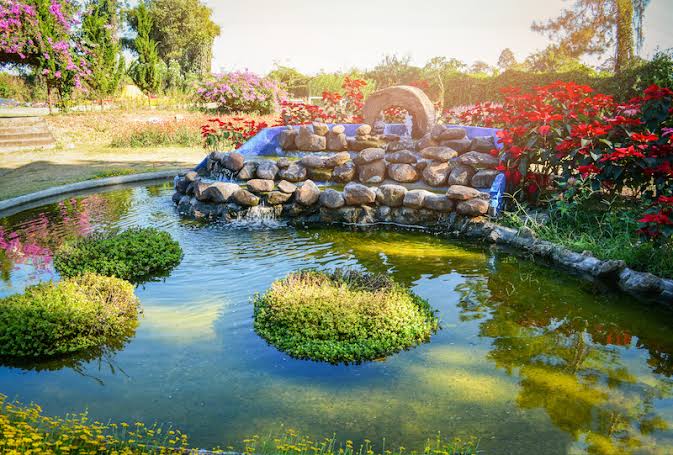
Understanding the Relationship Between Softscape and Hardscape
Before exploring design strategies, it is important to understand how softscape and hardscape interact.
Hardscape Creates Structure
Hardscape elements provide the foundation of an outdoor environment.
They define:
- Movement paths
- Functional areas
- Seating spaces
- Property boundaries
- Architectural connections
For example, a stone pathway guides visitors through a garden, while a patio creates a comfortable area for outdoor dining or relaxation.
Without hardscape, landscapes may lack organization and usability.
Softscape Brings Life and Emotion
Plants introduce movement, color, texture, and seasonal changes.
Softscape elements provide:
- Natural beauty
- Shade and comfort
- Privacy
- Environmental benefits
- A sense of relaxation
Trees can soften large buildings, shrubs can create transitions between spaces, and flowers can introduce personality into otherwise rigid environments.
Without softscape, outdoor areas may feel cold or incomplete.
The Goal Is Connection, Not Competition
The biggest mistake in landscape design is allowing one element to overpower the other.
A large concrete structure surrounded by a few small plants may feel harsh and disconnected. On the other hand, excessive vegetation around architectural features can hide important design details.
The goal is not to make plants and structures compete. The goal is to create a visual conversation between them.
The Importance of Scale and Proportion
One of the most important principles in combining softscape and hardscape is understanding scale.
Plants and structures must have a proportional relationship.
Matching Plant Size With Architectural Dimensions
Large buildings require stronger landscape elements.
For example:
- Tall trees can balance multi-story buildings
- Large shrubs can soften wide walls
- Layered planting can reduce the visual impact of massive structures
Small plants placed next to large architectural features may disappear visually and fail to create balance.
Similarly, oversized trees in a small courtyard may make the space feel crowded.
Successful landscape design considers the size of every element and how they relate to one another.
Creating Smooth Transitions Between Buildings and Gardens
The connection between architecture and nature should feel natural rather than sudden.
A common design challenge is the transition zone between a building and the surrounding landscape.
A hard edge where a wall meets empty pavement can feel disconnected. Adding carefully selected plants can soften this transition.
Layered Planting Design
A layered approach often creates the most natural appearance.
A typical planting structure includes:
Tall Layer
Includes:
- Trees
- Large ornamental plants
- Vertical greenery
These elements connect the landscape with the height of buildings.
Middle Layer
Includes:
- Shrubs
- Decorative grasses
- Medium-sized plants
This layer creates visual continuity between large trees and smaller ground plants.
Ground Layer
Includes:
- Flowers
- Ground covers
- Low-growing plants
These details complete the connection between vegetation and hard surfaces.
A layered landscape feels more balanced because it creates gradual visual movement.
Choosing Materials That Work With Plant Life
Materials play a major role in landscape harmony.
The colors and textures of hardscape elements should support the surrounding vegetation.
Natural Materials Create Organic Connections
Materials such as:
- Natural stone
- Wood
- Brick
- Gravel
- Earth-toned concrete
often work well with plants because they share visual characteristics with nature.
For example, warm stone pathways surrounded by green plants create a comfortable and timeless appearance.
Modern Materials Can Also Work Successfully
Contemporary landscapes often use:
- Steel
- Polished concrete
- Glass
- Minimalist paving systems
These materials can create beautiful contrasts when combined with carefully selected vegetation.
The key is balance.
A modern concrete courtyard can feel welcoming when softened with ornamental grasses, trees, or vertical gardens.
Using Color to Connect Architecture and Vegetation
Color coordination is another important factor in creating harmony.
Plants naturally provide changing colors throughout the year, while architectural materials usually remain consistent.
A thoughtful design considers how these colors interact.
Complementary Color Strategies
Examples include:
- Green plants with warm stone surfaces
- Silver foliage with modern gray architecture
- Colorful flowers against neutral walls
- Dark wood structures with bright greenery
The purpose is not to match every color but to create visual relationships.
Texture: The Secret Element of Landscape Harmony
Many landscape designs focus on color but overlook texture.
Texture creates depth and interest.
Hardscape surfaces often have strong textures:
- Rough stone
- Smooth concrete
- Wooden grain
- Metal finishes
Plants provide additional textures:
- Soft grasses
- Broad leaves
- Needle-like foliage
- Dense shrubs
Combining different textures prevents outdoor spaces from feeling flat.
For example, smooth stone paving surrounded by delicate grasses creates an attractive contrast between structure and movement.
Designing With Function in Mind
A beautiful landscape must also serve practical purposes.
The relationship between softscape and hardscape should support how people use the space.
Creating Comfortable Outdoor Living Areas
Modern homeowners increasingly view outdoor spaces as extensions of their homes.
Successful designs may include:
- Outdoor dining areas
- Garden lounges
- Fire pits
- Relaxation zones
- Entertainment spaces
Plants can enhance these areas by providing:
- Shade
- Privacy
- Natural decoration
- Wind protection
Hardscape creates usability, while softscape creates comfort.
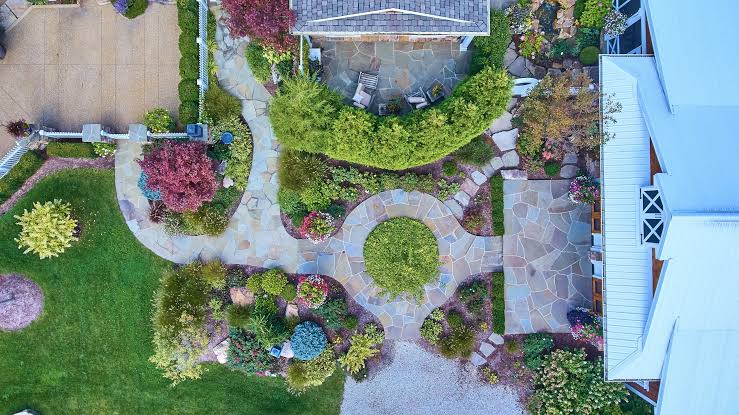
Selecting Plants That Complement Architectural Styles
Choosing the right plants is not only about climate suitability or personal preference. The appearance and character of vegetation should also match the architectural style of the surrounding structures.
Different architectural designs require different landscape approaches.
Modern Architecture and Minimalist Planting
Modern buildings often feature:
- Clean lines
- Simple geometric forms
- Neutral colors
- Large glass surfaces
- Minimal decoration
For these spaces, plants with strong shapes and simple textures usually work best.
Suitable choices include:
- Ornamental grasses
- Bamboo
- Sculptural trees
- Evergreen shrubs
- Architectural plants
The goal is to create a landscape that feels elegant and organized.
Too many colorful or irregular plant combinations may conflict with the simplicity of modern architecture.
A carefully arranged planting design can highlight the building’s character while adding warmth and natural beauty.
Traditional Architecture and Layered Gardens
Traditional homes and historic-style buildings often benefit from richer planting designs.
Common landscape features include:
- Flower beds
- Mature trees
- Decorative shrubs
- Climbing plants
- Seasonal flowers
These plants create a sense of history, comfort, and connection with nature.
For example, vines growing along walls can soften architectural edges and create a charming appearance.
The key is maintaining balance so that vegetation enhances the structure rather than hiding important architectural details.
Matching Plant Forms With Building Shapes
The shape of plants can influence how people perceive architectural spaces.
Vertical plants can emphasize height.
Examples:
- Tall trees near high walls
- Columnar evergreens beside entrances
- Vertical gardens on narrow spaces
Rounded plants can soften rigid structures.
Examples:
- Rounded shrubs near sharp corners
- Curved planting beds around patios
Flowing plants can create movement.
Examples:
- Ornamental grasses near walkways
- Cascading plants around retaining walls
By selecting plants based on form, designers can create stronger visual connections between nature and architecture.
Creating Balance Through Repetition and Rhythm
A harmonious landscape rarely depends on a single design element. Instead, it uses repetition and rhythm to create visual consistency.
Repetition can include:
- Similar plant varieties
- Matching materials
- Repeated colors
- Consistent shapes
For example, repeating the same type of tree along a pathway can create a sense of order and connection.
However, repetition should not become boring.
A successful design combines consistency with variation.
The landscape should feel organized while still appearing natural.
Using Greenery to Soften Architectural Edges
Buildings naturally contain many hard lines:
- Walls
- Corners
- Roof edges
- Pavement boundaries
Plants help soften these transitions.
Vertical Greenery
Green walls and climbing plants are effective ways to introduce nature into architectural spaces.
They can:
- Reduce visual harshness
- Improve building appearance
- Create privacy
- Add environmental benefits
A blank wall can become a living feature when covered with carefully selected plants.
Trees as Architectural Partners
Trees are often considered the most important connection between architecture and landscape.
A well-positioned tree can:
- Frame a building entrance
- Create shade near outdoor areas
- Reduce the visual scale of large structures
- Provide seasonal beauty
However, tree selection and placement require careful planning.
Important considerations include:
- Mature size
- Root growth
- Maintenance requirements
- Relationship with nearby structures
A beautiful tree in the wrong location may eventually create problems.
Designing Small Spaces With Softscape and Hardscape Balance
Even small outdoor areas can achieve harmony when every element is carefully considered.
Small spaces often require more thoughtful planning because every feature has a stronger visual impact.
Avoid Overcrowding
A common mistake in small gardens is adding too many plants and decorative elements.
This can make the space feel:
- Crowded
- Unorganized
- Difficult to maintain
Instead, focus on:
- A few key plants
- Functional hardscape
- Clear movement areas
Use Vertical Space
When ground space is limited, vertical solutions become valuable.
Examples include:
- Green walls
- Hanging plants
- Vertical gardens
- Climbing plants
These approaches add greenery without reducing usable space.
Sustainable Landscape Design: Building a Better Relationship With Nature
Modern landscape design increasingly focuses on sustainability.
A balanced softscape and hardscape approach should consider environmental impact.
Selecting Native Plants
Native plants often provide several advantages:
- Better adaptation to local climate
- Lower water requirements
- Reduced maintenance
- Support for local ecosystems
They can create beautiful landscapes while reducing resource consumption.
Managing Water Efficiently
Water management is an important part of landscape planning.
Effective strategies include:
- Rain gardens
- Permeable paving
- Drip irrigation
- Drought-resistant plants
Hardscape design can also influence water flow.
For example, permeable surfaces allow rainwater to enter the soil instead of creating runoff.
Common Mistakes When Combining Softscape and Hardscape
Even well-intentioned landscape projects can experience problems.
Understanding common mistakes can help create better results.
Mistake 1: Focusing Only on Appearance
A landscape should not only look attractive—it should function well.
Ignoring practical needs can create issues such as:
- Difficult maintenance
- Poor drainage
- Uncomfortable outdoor areas
A successful design considers both beauty and usability.
Mistake 2: Choosing Plants Without Considering Growth
A small plant at the garden center may become much larger over time.
Ignoring mature plant size can lead to:
- Overcrowding
- Structural damage
- Excessive maintenance
Always consider future growth.
Mistake 3: Using Too Many Materials
Combining too many hardscape materials can create visual confusion.
A cohesive design usually works better with:
- A limited material palette
- Repeated textures
- Coordinated colors
Consistency creates elegance.
Mistake 4: Ignoring Seasonal Changes
A landscape should look attractive throughout the year.
Consider:
- Spring flowers
- Summer greenery
- Autumn colors
- Winter structure
Plants change over time, and good designs embrace these changes.
The Future of Softscape and Hardscape Integration
As outdoor living becomes increasingly important, the relationship between architecture and landscape continues to evolve.
Future trends include:
Smart Landscape Systems
Technology is becoming part of modern landscape management.
Examples include:
- Automated irrigation systems
- Smart lighting
- Environmental monitoring
- Efficient maintenance tools
These technologies help maintain beautiful landscapes with less effort.
Biophilic Design
Biophilic design focuses on strengthening the human connection with nature.
It encourages the integration of:
- Plants
- Natural materials
- Water features
- Outdoor experiences
More buildings are being designed with nature as an essential component rather than a decorative addition.
Flexible Outdoor Spaces
Modern landscapes increasingly need to support multiple activities.
A single outdoor area may function as:
- A workspace
- A relaxation zone
- An entertainment area
- A family gathering place
Combining flexible hardscape layouts with adaptable planting designs creates spaces that remain useful over time.
Final Thoughts: Creating a Lasting Connection Between Nature and Architecture
The true beauty of landscape design comes from harmony.
Softscape and hardscape should not be viewed as separate elements. Instead, they are two parts of the same outdoor story.
Hardscape provides structure, organization, and functionality. Softscape introduces life, movement, and emotional connection.
When plants and architectural structures are carefully balanced, outdoor spaces become more than visually attractive—they become environments where people can relax, connect, and enjoy nature.
Achieving this balance requires thoughtful planning, suitable materials, appropriate plant selection, and an understanding of how every element interacts.
Whether designing a private garden, residential property, commercial landscape, or public space, the goal remains the same: create a seamless relationship between built environments and the natural world.
A successful landscape does not simply place plants around buildings. It creates a conversation between architecture and nature, allowing each element to enhance the beauty of the other.
Welcome to leave a message for consultation and quotation about professional landscape design, softscape and hardscape integration solutions.
Need Help with Your Custom Project?
Have questions about materials, sizing, or looking for a quick quote? Drop us a message and our experts will respond within 24 hours.
Chat on WhatsApp
+1 (304) 356-6765
Send us an Email
hello@incustom.com
Picked for You