The Role of Landscape Weighting in Green Building Assessment Systems: How Garden Engineering Helps Improve Project Ratings

Jul 21 2026
The concept of green buildings has evolved significantly over the past few decades. In the early stages of sustainable construction, most attention was placed on energy efficiency, building materials, and mechanical systems. However, modern green building strategies increasingly recognize that a building does not exist separately from its surrounding environment.
The relationship between architecture, landscape, ecology, and human experience has become a fundamental factor in evaluating sustainable development.
Today, landscape engineering is no longer viewed as simple decoration. A thoughtfully designed garden, green space, or ecological landscape system can directly influence a project’s performance in multiple green building assessment categories, including:
- Environmental sustainability
- Energy efficiency
- Water management
- Biodiversity protection
- User health and comfort
- Community value
As global cities face challenges such as climate change, urban heat islands, water shortages, and declining biodiversity, landscape design has become an essential component of sustainable construction.
Green building assessment systems around the world increasingly assign importance to outdoor environments and landscape strategies. Whether through green roofs, rain gardens, native planting systems, ecological restoration, or outdoor wellness spaces, garden engineering provides measurable benefits that support higher project performance.
In 2026 and beyond, successful sustainable developments will no longer focus only on what happens inside a building. They will also consider how landscapes contribute to the overall ecological and social performance of a project.
This article explores how landscape weighting functions within green building assessment systems and explains how professional garden engineering can help developers, architects, and property owners achieve stronger sustainability outcomes.
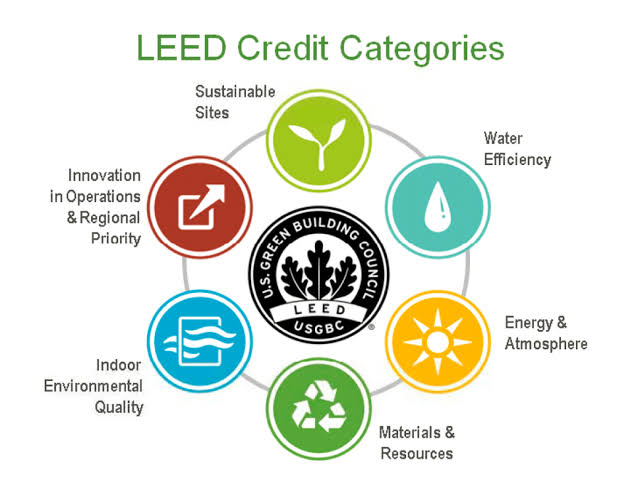
1. Understanding the Relationship Between Landscape and Green Building Ratings
Green building assessment systems are designed to evaluate the overall sustainability performance of construction projects.
Although different systems use different criteria, most consider several major areas:
- Energy efficiency
- Water conservation
- Material selection
- Indoor environmental quality
- Site sustainability
- Ecological impact
- Human health and well-being
Landscape engineering primarily influences site-related and environmental categories, but its impact often extends far beyond outdoor spaces.
A well-planned landscape can improve building performance by:
- Reducing heat absorption
- Managing stormwater
- Improving air quality
- Supporting biodiversity
- Creating healthier environments
- Reducing energy demand
Therefore, landscape design should be considered a strategic investment rather than an aesthetic expense.
2. Why Landscape Weighting Is Increasing in Green Building Evaluation
Historically, landscape elements received less attention compared with architectural systems.
However, several global trends have changed this perspective.
Urbanization Creates Greater Demand for Ecological Spaces
Cities around the world continue to expand, replacing natural landscapes with buildings, roads, and infrastructure.
This urban growth creates problems such as:
- Higher temperatures
- Reduced green coverage
- Increased flooding risks
- Loss of natural habitats
Green building systems increasingly recognize that restoring ecological functions within urban developments is essential.
Landscapes can help cities become more resilient by creating:
- Green corridors
- Urban forests
- Rainwater management areas
- Public gardens
As a result, landscape-related criteria are becoming more influential in sustainability evaluations.
Climate Change Requires Better Outdoor Environmental Strategies
Climate change has increased the frequency of:
- Extreme heat events
- Heavy rainfall
- Drought conditions
Traditional landscaping methods are often unable to address these challenges.
Modern garden engineering focuses on climate-responsive solutions, including:
- Drought-resistant planting
- Permeable surfaces
- Stormwater retention systems
- Shade optimization
- Ecological planting design
These strategies directly support climate adaptation goals.
Human Health Has Become a Core Sustainability Goal
Modern green building evaluation increasingly considers human well-being.
A sustainable building is not only energy-efficient; it should also create healthier environments.
Landscape design contributes by providing:
- Access to nature
- Stress reduction
- Outdoor recreation areas
- Improved air quality
- Better community interaction
Research in environmental psychology has shown that natural environments can positively influence mental health and productivity.
Therefore, gardens and green spaces are becoming important elements in creating human-centered developments.
3. Key Landscape Factors That Influence Green Building Ratings
Different green building systems may use different terminology, but several landscape strategies consistently contribute to higher sustainability performance.
Green Coverage and Vegetation Planning
One of the most direct ways landscape engineering supports green building goals is through increasing vegetation coverage.
Plants provide multiple environmental benefits:
Reducing Urban Heat Effects
Hard surfaces such as concrete and asphalt absorb and release heat, increasing surrounding temperatures.
Strategically placed vegetation can reduce this effect through:
- Shade creation
- Evapotranspiration
- Surface temperature reduction
Trees, shrubs, and ground covers can create cooler outdoor environments while improving pedestrian comfort.
Improving Microclimate Conditions
A professionally designed garden can influence:
- Wind movement
- Sun exposure
- Humidity levels
- Outdoor temperature
Landscape engineers analyze site conditions to determine the best placement of vegetation.
For example:
- Large trees can provide summer shade.
- Evergreen plants can help reduce winter wind exposure.
- Green buffers can improve comfort near buildings.
These strategies may contribute indirectly to improved building energy performance.
Native Plant Selection and Biodiversity Protection
Biodiversity has become an increasingly important consideration in sustainable development.
Traditional ornamental landscaping often relies on non-native plants requiring:
- More irrigation
- Additional maintenance
- Chemical treatments
Modern ecological garden engineering emphasizes native and adapted plant species.
Benefits include:
- Better survival rates
- Reduced water consumption
- Support for local wildlife
- Lower maintenance requirements
Native plants create healthier ecosystems and help projects achieve stronger environmental performance.
4. Water Management: How Garden Engineering Supports Sustainable Water Use
Water conservation is one of the most important areas where landscape design affects green building ratings.
Outdoor landscapes can represent a significant portion of water consumption, especially in regions with dry climates.
Professional garden engineering addresses this challenge through efficient systems.
Rainwater Harvesting and Stormwater Management
Modern landscapes increasingly function as natural water management systems.
Solutions include:
- Rain gardens
- Bioswales
- Retention ponds
- Permeable pathways
- Green roofs
These features help:
- Capture rainfall
- Reduce runoff
- Prevent flooding
- Recharge groundwater
Instead of treating rainwater as waste, sustainable landscapes transform it into a valuable resource.
Smart Irrigation Technology
Traditional irrigation systems often waste water because they operate according to fixed schedules.
Modern systems use:
- Soil moisture sensors
- Weather-based controls
- Automated irrigation management
These technologies deliver water only when plants need it.
The result is:
- Lower water consumption
- Healthier plants
- Reduced maintenance costs
Smart irrigation is becoming a standard feature in high-performance landscape projects.
5. Green Roofs and Vertical Landscapes: Expanding the Role of Garden Engineering
As urban land becomes increasingly limited, landscape design is moving beyond traditional ground-level gardens.
Green roofs and vertical landscapes have become important components of sustainable buildings.
Environmental Benefits of Green Roof Systems
Green roofs can provide:
- Thermal insulation
- Stormwater absorption
- Reduced heat gain
- Improved biodiversity
By adding vegetation to unused roof areas, buildings can create additional ecological value without requiring additional land.
Vertical Green Systems
Living walls and vertical gardens offer benefits such as:
- Improved appearance
- Air quality enhancement
- Urban biodiversity support
- Space optimization
They are especially valuable in dense urban environments where traditional gardens are difficult to create.
6. How Garden Engineering Supports Major Green Building Assessment Systems
Around the world, various green building assessment systems have been developed to measure sustainable construction performance. Although each system has different scoring methods, they share a common goal: encouraging buildings and communities to reduce environmental impact while improving human quality of life.
Landscape engineering plays an increasingly important role in these evaluation frameworks because outdoor environments influence both ecological performance and user experience.
Some of the most recognized green building assessment systems include:
- LEED
- BREEAM
- WELL Building Standard
- Green Star
While these systems vary in structure, landscape-related strategies often contribute to categories such as:
- Sustainable site development
- Water efficiency
- Ecological protection
- Health and wellness
- Climate adaptation
- Community connection
A well-designed garden project can therefore become a valuable contributor to overall certification performance.
Landscape Contributions in LEED-Oriented Projects
The LEED framework evaluates multiple aspects of sustainable development, and landscape engineering can influence several important areas.
Sustainable Site Design
Site selection and development strategies are central components of sustainable projects.
Landscape solutions can help by:
- Protecting existing vegetation
- Reducing ecological disturbance
- Creating green spaces
- Improving outdoor environmental quality
For example, preserving mature trees during construction can provide immediate ecological benefits while maintaining site character.
Water Efficiency Improvements
Landscape design has a direct relationship with outdoor water consumption.
Projects seeking stronger sustainability performance often incorporate:
- Native plant communities
- Efficient irrigation systems
- Rainwater collection
- Drought-resistant gardens
These strategies reduce dependence on municipal water supplies.
In regions experiencing water stress, sustainable landscape planning can significantly improve long-term project performance.
Heat Island Reduction
Large areas of pavement and dark roofing materials can increase local temperatures.
Landscape engineering helps reduce heat buildup through:
- Tree shading
- Vegetated surfaces
- Green roofs
- Reflective landscape materials
Reducing heat accumulation improves outdoor comfort and supports climate-resilient development.
Landscape Strategies in WELL-Focused Projects
While traditional sustainability focused heavily on environmental impact, modern assessment systems increasingly emphasize human health.
Landscape design plays a critical role in creating healthier environments.
Biophilic Design and Human Connection With Nature
Biophilic design is based on the idea that humans benefit from interaction with natural elements.
Garden engineering supports this approach through:
- Green views from buildings
- Outdoor relaxation areas
- Natural materials
- Seasonal planting changes
- Water features
These elements can create more comfortable and inspiring environments.
Outdoor Wellness Spaces
Modern developments increasingly include outdoor spaces designed for:
- Walking
- Relaxation
- Social interaction
- Physical activity
Examples include:
- Community gardens
- Outdoor seating areas
- Walking paths
- Meditation gardens
These spaces improve the overall user experience and strengthen the social value of a project.
7. The Economic Value of Landscape Engineering in Green Projects
Some developers still view landscape design as an additional cost rather than a strategic investment.
However, professional garden engineering can create significant economic benefits.
Lower Long-Term Maintenance Costs
Poorly planned landscapes often require:
- Excessive irrigation
- Frequent replacement planting
- High maintenance labor
- Chemical treatments
Sustainable landscape design reduces these expenses through:
- Appropriate plant selection
- Efficient irrigation
- Ecological management practices
A carefully planned garden may cost more initially but provide lower operating costs over time.
Increased Property Value
High-quality landscapes often improve the attractiveness and market value of developments.
Properties with:
- Beautiful gardens
- Comfortable outdoor spaces
- Ecological features
are increasingly preferred by buyers and tenants.
A well-designed landscape creates emotional value that architecture alone may not achieve.
Improved User Satisfaction
For commercial, residential, and public projects, landscape quality directly affects user experience.
People are more likely to appreciate environments that provide:
- Shade
- Green views
- Comfortable outdoor areas
- Natural atmosphere
Better user satisfaction can contribute to:
- Higher occupancy rates
- Stronger community relationships
- Improved reputation
8. Common Mistakes That Reduce Landscape Contribution in Green Building Projects
Although landscape design has significant potential, poor planning can reduce its sustainability value.
Several common mistakes should be avoided.
Mistake One: Treating Landscape as Decoration Only
One of the biggest problems is designing landscapes only for visual appearance.
A garden filled with attractive plants may still perform poorly if it requires:
- Excessive water
- High maintenance
- Imported species
- Chemical management
Sustainable landscape engineering considers both beauty and ecological function.
The best gardens are not only attractive.
They actively support environmental goals.
Mistake Two: Choosing Plants Without Considering Local Conditions
Every site has unique characteristics:
- Climate
- Soil conditions
- Rainfall patterns
- Sun exposure
Selecting plants without understanding these factors can lead to poor performance.
Professional landscape planning considers:
- Native species
- Seasonal changes
- Growth patterns
- Maintenance requirements
The right plant in the right location creates a healthier ecosystem.
Mistake Three: Ignoring Water Management
A visually impressive garden can become environmentally inefficient if irrigation is poorly designed.
Common problems include:
- Overwatering
- Water runoff
- Inefficient sprinkler systems
- Lack of rainwater integration
Modern garden engineering must treat water as a valuable resource.
Mistake Four: Separating Architecture and Landscape Design
The most successful green projects integrate architecture and landscape from the beginning.
Landscape should not be an afterthought added after building design is complete.
Early collaboration allows designers to optimize:
- Building orientation
- Shading strategies
- Outdoor circulation
- Energy performance
Architecture and landscape should work together as one sustainable system.
9. Emerging Technologies Transforming Garden Engineering
Technology is changing the way landscapes are designed, constructed, and maintained.
Future garden engineering will become more intelligent, data-driven, and environmentally responsive.
Digital Landscape Modeling
Advanced software allows designers to simulate:
- Sun movement
- Wind patterns
- Water flow
- Plant growth
- Environmental conditions
These tools help create more accurate and efficient landscape plans.
Smart Garden Management Systems
Modern landscapes increasingly use:
- Sensors
- Automated irrigation
- Environmental monitoring
- Digital maintenance platforms
These systems provide real-time information about:
- Soil moisture
- Weather conditions
- Plant health
As a result, maintenance becomes more efficient and sustainable.
Artificial Intelligence in Landscape Planning
Artificial intelligence may further improve landscape design by analyzing:
- Climate data
- Site conditions
- Plant performance
- Resource consumption
AI-assisted design can help identify optimal planting strategies and improve long-term environmental outcomes.
10. Future Trends: Landscape Will Become a Core Element of Sustainable Development
Looking toward the future, landscape engineering will continue gaining importance in green building projects.
Several trends are expected to shape the industry.
Regenerative Landscape Design
Future projects will move beyond reducing environmental damage.
Instead, they will aim to actively restore ecosystems.
Regenerative landscapes may include:
- Native habitat restoration
- Biodiversity corridors
- Carbon-supporting vegetation systems
- Natural water cycles
The goal is creating developments that give back to the environment.
Climate-Adaptive Gardens
As weather conditions become more unpredictable, landscapes must become more resilient.
Future gardens will increasingly use:
- Drought-resistant plants
- Flood-tolerant species
- Adaptive irrigation
- Climate-responsive designs
These strategies help projects remain functional under changing environmental conditions.
Urban Farming and Productive Landscapes
Urban landscapes are also becoming more functional.
Future developments may integrate:
- Community gardens
- Edible landscapes
- Rooftop farming
- Local food systems
These approaches combine sustainability with community benefits.
Greater Focus on Human Experience
Future green buildings will not only measure environmental performance.
They will also evaluate how spaces make people feel.
Landscape design will increasingly focus on:
- Comfort
- Connection
- Relaxation
- Social interaction
Gardens will become essential places for human well-being.
Conclusion: Garden Engineering Is Becoming a Strategic Asset in Green Building Development
The role of landscape in green building assessment systems has changed dramatically.
A garden is no longer simply a decorative feature surrounding a building.
It is a living environmental system that can:
- Reduce energy demand
- Improve water management
- Support biodiversity
- Enhance human health
- Increase property value
- Strengthen sustainability ratings
As green building standards continue to evolve, landscape weighting will become increasingly important.
Developers, architects, and property owners who integrate professional garden engineering into their projects will gain advantages in both environmental performance and market competitiveness.
The future of sustainable construction is not only about creating efficient buildings.
It is about designing complete ecosystems where architecture, landscape, and people exist in harmony.
A successful green project does not end at the building entrance.
It continues through every tree, pathway, garden, and natural element that connects people with the environment.
Welcome to leave a message for inquiry and quotation.
Need Help with Your Custom Project?
Have questions about materials, sizing, or looking for a quick quote? Drop us a message and our experts will respond within 24 hours.
Chat on WhatsApp
+1 (304) 356-6765
Send us an Email
hello@incustom.com
Picked for You