The Ultimate Outdoor Shopping Checklist: Which Products Are Overhyped and Which Are Actually Worth Buying?

Jun 10 2026
The outdoor industry has never been bigger. From lightweight backpacking gear and portable power stations to high-tech mosquito repellents and tactical survival gadgets, there's an endless stream of products promising to make your next adventure easier, safer, and more enjoyable.
But here's the problem: not everything marketed to outdoor enthusiasts is actually useful.
Social media influencers showcase the latest "must-have" camping accessories. Online ads push multifunction survival tools that claim to replace an entire toolbox. Countless products are labeled as "essential" when they end up collecting dust in a garage after one weekend trip.
If you've ever unpacked after a camping trip and realized you never touched half the gear you brought, you're not alone.
So how do you separate genuinely valuable outdoor equipment from expensive gimmicks?
This guide breaks down the modern outdoor shopping checklist, highlighting which products are often overhyped and which ones consistently prove their value in the real world. Whether you're building your first camping kit or upgrading your hiking gear, this article can help you spend smarter and pack lighter.
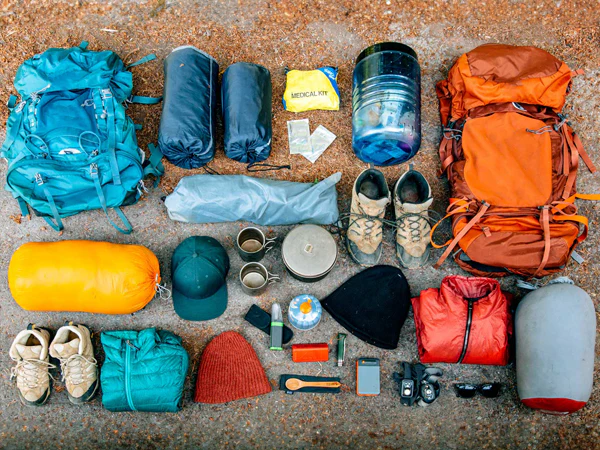
Why People Overspend on Outdoor Gear
Outdoor activities naturally encourage preparation. No one wants to get caught in the wilderness without the right equipment, and manufacturers know that fear sells products.
Many unnecessary purchases are driven by three common factors:
1. The "What If?" Mentality
People often buy gear for situations that are extremely unlikely to happen.
- What if I need to start a fire in a thunderstorm?
- What if I get lost for three days?
- What if I need a shovel, an axe, and a fishing kit all at once?
While emergency preparedness matters, many products are designed around rare scenarios rather than everyday outdoor needs.
2. Social Media and Outdoor Influencers
A perfectly staged campsite filled with expensive gadgets looks impressive online. However, many experienced backpackers will tell you that simplicity often beats complexity.
The more gear you carry, the more weight you add, the more batteries you need, and the more things can break.
3. Marketing Buzzwords
Terms like:
- Tactical
- Military-grade
- Survival-ready
- Professional outdoor
- Ultimate adventure gear
don't automatically mean a product performs better. In many cases, they're simply marketing labels.
The smartest outdoor shoppers focus less on advertising and more on reliability, durability, and actual usefulness.
Outdoor Products That Are Often Overhyped
Let's start with the gear that frequently disappoints buyers.
1. Giant "20-in-1" Survival Tools
One of the most common impulse purchases is the all-in-one survival gadget.
These products may claim to include:
- Knife
- Saw
- Compass
- Fire starter
- Bottle opener
- Screwdriver
- Whistle
- Glass breaker
- Wire cutter
- Hex wrench
...all packed into a single pocket-sized device.
The reality? Most individual functions perform poorly compared to dedicated tools. Tiny saw blades barely cut wood, built-in compasses are often inaccurate, and miniature screwdrivers are difficult to use.
Better alternative: Carry a quality multi-tool from a trusted manufacturer and add a separate compact folding knife if necessary.
2. Oversized Tactical Backpacks for Casual Camping
Large military-style backpacks with dozens of external pouches and MOLLE webbing look rugged, but they are often excessive for day hikes or weekend camping.
Many budget tactical packs:
- Weigh more than hiking packs of the same capacity.
- Have poor load distribution.
- Encourage overpacking.
- Sacrifice comfort for appearance.
Unless you're carrying specialized equipment, a lightweight hiking backpack with a supportive frame is usually the better choice.
3. Cheap Solar Chargers with Unrealistic Claims
Many low-cost portable solar panels advertise that they can fully charge smartphones, tablets, cameras, and power banks quickly under any conditions.
In practice, small folding solar panels often struggle to produce their advertised output unless they're placed in direct sunlight at the ideal angle.
For short camping trips, a quality power bank is usually more dependable than an inexpensive solar charger.
Solar panels can be useful—but only when you understand their real limitations.
4. Massive Survival Shovels
The internet is full of folding tactical shovels that promise to function as:
- A shovel.
- An axe.
- A saw.
- A hammer.
- A hoe.
- A bottle opener.
- A spear.
- A wrench.
While entertaining, these oversized tools are often heavy and awkward. Most casual campers rarely need a shovel at all, and those who do generally prefer a lightweight backpacking trowel or a dedicated camp shovel.
5. Low-Cost Camping Gadgets with Built-In Bluetooth Speakers
Lanterns with Bluetooth speakers, mosquito zappers with LED disco lights, and portable fans with smartphone mounts often combine multiple features that don't necessarily improve the outdoor experience.
The more functions packed into one product, the greater the chance that one weak component reduces the overall reliability.
A simple, durable lantern usually outperforms a complicated gadget loaded with unnecessary extras.
Outdoor Products That Are Absolutely Worth the Money
Now let's talk about the gear experienced hikers, campers, anglers, and backpackers consistently recommend.
1. A Comfortable Backpack
A good backpack is one of the best investments you can make.
Key features to prioritize include:
- Adjustable shoulder straps.
- Ventilated back panel.
- Padded hip belt.
- Durable water-resistant materials.
- Well-designed internal organization.
A properly fitted pack makes every mile easier, especially on longer hikes.
2. Quality Footwear
You can tolerate many inconveniences outdoors—but painful feet can ruin an entire trip.
Reliable hiking shoes or boots provide:
- Better traction.
- Improved ankle support.
- Water resistance.
- Reduced fatigue.
- Greater stability on uneven terrain.
Expensive doesn't always mean better, but buying well-made footwear from a reputable brand is almost always money well spent.
3. A Reliable Headlamp
Flashlights are useful, but headlamps keep your hands free while:
- Setting up camp.
- Cooking dinner.
- Finding gear after dark.
- Hiking before sunrise.
- Handling emergency repairs.
Look for models with multiple brightness levels, water resistance, and rechargeable battery options.
Many experienced campers consider a headlamp one of the most valuable pieces of gear they own.
4. A High-Quality Power Bank
Portable electronics have become standard outdoor companions. Phones serve as GPS devices, maps, emergency communication tools, and cameras.
A dependable power bank can keep essential devices running for days.
Choose one with:
- Sufficient battery capacity.
- Fast charging support.
- Durable construction.
- Weather-resistant housing if possible.
Unlike many novelty gadgets, a good power bank almost always earns its place in your pack.
5. An Effective Insect Repellent
Nothing ruins an evening around the campfire faster than relentless mosquitoes.
Instead of relying on ultrasonic mosquito gadgets or unproven wearable repellent bracelets, choose products backed by real-world performance.
Repellents containing Picaridin or DEET consistently provide reliable protection for hikers, campers, and travelers. Pairing topical repellents with long sleeves and proper campsite selection is often far more effective than buying expensive electronic bug-repelling devices.
Which Mosquito Products Actually Work?
Because insect control is a major concern for outdoor enthusiasts, it's worth examining this category separately.
Usually Worth Buying
- Picaridin-based insect repellent.
- DEET-based insect repellent.
- Permethrin-treated clothing.
- UV mosquito traps for patios and enclosed outdoor areas.
- Fine-mesh bug nets for camping.
Often Overhyped
- Ultrasonic mosquito repellers.
- Smartphone-powered mosquito gadgets.
- Repellent wristbands as the only form of protection.
- Clip-on electronic devices with exaggerated coverage claims.
No single product eliminates every insect, but a layered approach using proven repellents and physical barriers consistently delivers the best results.
Camping Kitchen Gear: Keep It Simple
New campers often buy elaborate cooking systems that rarely get used.
Skip These (For Most Weekend Trips)
- Five-piece nesting cookware sets for one or two people.
- Battery-powered automatic campfire blowers.
- Multi-layer spice organizers.
- Portable espresso machines that require multiple accessories.
- Oversized folding camp kitchens.
Buy These Instead
- One durable cooking pot.
- A compact frying pan.
- A lightweight camping stove.
- A reusable mug.
- A sturdy spoon or spork.
- A sharp folding knife.
Simple cooking setups reduce weight, save space, and require less cleanup.
Clothing: Don't Fall for the Hype
Outdoor apparel marketing can be overwhelming. Every jacket claims to be waterproof, breathable, windproof, and adventure-ready.
The truth is that layering matters more than buying the most expensive garment.
Worth Buying
- Moisture-wicking base layers.
- Lightweight insulating mid-layers.
- A dependable rain jacket.
- Wool or synthetic hiking socks.
- A sun hat and lightweight gloves.
Usually Not Necessary
- Extremely expensive expedition jackets for mild climates.
- Clothing loaded with unnecessary pockets and accessories.
- Heavy cotton hoodies for backcountry travel.
- Matching "tactical" outfits for casual camping.
Focus on function rather than appearance.
The Truth About Survival Gear
Emergency equipment is important—but many people confuse emergency preparedness with buying every survival product available online.
Essentials That Deserve Space in Your Pack
- First-aid kit.
- Fire starter or lighter.
- Emergency blanket.
- Water purification method.
- Navigation tool (map or GPS).
- Multi-tool.
- Extra food and water.
Survival Gear That Is Often More Novelty Than Necessity
- Giant survival kits with 100+ tiny items.
- Credit-card-sized survival tools.
- Mini fishing kits for emergency use.
- Paracord bracelets packed with hidden gadgets.
- "Apocalypse-ready" accessory boxes.
Practical, proven equipment almost always outperforms novelty survival products.
How to Build a Smarter Outdoor Shopping Checklist
Before purchasing any new outdoor item, ask yourself these five questions.
1. Will I Actually Use It on Most Trips?
If a product only solves a problem you might encounter once every five years, you probably don't need it.
2. Does It Replace Something I Already Own?
Avoid buying duplicate gear simply because the newer version looks more advanced.
3. Is There a Simpler Alternative?
The simplest solution is often the most reliable.
4. How Much Does It Weigh?
Every extra pound matters on the trail. Lightweight, multifunctional gear is valuable only when each function works well.
5. Would Experienced Campers Pack It?
Look at the gear lists of long-distance hikers and seasoned backpackers. Many of them use surprisingly simple equipment because experience teaches that reliability beats novelty.
A Practical Outdoor Packing List That Actually Makes Sense
Instead of filling your backpack with gadgets, focus on a balanced core kit.
Shelter and Sleep
- Tent or hammock.
- Sleeping bag.
- Sleeping pad.
- Lightweight tarp if needed.
Clothing
- Moisture-wicking shirt.
- Insulating layer.
- Rain jacket.
- Hiking pants or shorts.
- Extra socks.
Navigation and Safety
- Phone with offline maps.
- Power bank.
- Headlamp.
- First-aid kit.
- Multi-tool.
- Emergency whistle.
Food and Water
- Water bottles or hydration bladder.
- Water filter or purification tablets.
- Compact stove.
- Fuel.
- Lightweight cookware.
Comfort and Convenience
- Insect repellent.
- Sunscreen.
- Sunglasses.
- Camp chair (optional).
- Small microfiber towel.
Everything on this list solves a real, recurring need.
The Best Outdoor Gear Isn't Always the Most Expensive
One of the biggest misconceptions in the outdoor community is that spending more automatically leads to a better experience.
In reality:
- A $30 headlamp you use every trip is more valuable than a $300 survival gadget you never touch.
- A reliable insect repellent provides more comfort than a complicated electronic mosquito device.
- Comfortable boots matter more than matching tactical accessories.
- A simple backpack that fits correctly beats an oversized pack loaded with unnecessary features.
Experienced outdoor enthusiasts often refine their gear over time by removing items rather than adding more.
Final Thoughts: Buy Experiences, Not Just Equipment
Outdoor adventures are supposed to be about exploring trails, relaxing around the campfire, fishing at sunrise, sharing meals with friends, and disconnecting from daily stress.
The right equipment supports those experiences—but it shouldn't become the experience itself.
When building your outdoor shopping checklist, prioritize products that improve safety, comfort, and reliability. Be cautious of flashy marketing, exaggerated claims, and multifunction gadgets that promise to do everything but rarely excel at anything.
If a piece of gear solves a real problem, gets used on almost every trip, and stands up to years of outdoor abuse, it's probably worth every dollar.
If it looks great in an advertisement but spends the next three seasons sitting untouched in your garage, it may have been an expensive lesson instead.
The smartest outdoor shoppers aren't the ones with the biggest gear collections. They're the ones who know exactly what they need—and just as importantly, what they don't.
Need Help with Your Custom Project?
Have questions about materials, sizing, or looking for a quick quote? Drop us a message and our experts will respond within 24 hours.
Chat on WhatsApp
+1 (304) 356-6765
Send us an Email
hello@incustom.com
Picked for You