The Ultimate UV Protection Guide: Which Coatings Can Prevent Your Outdoor Products From Cracking Under the Sun?

Jul 09 2026
Outdoor products are designed to make life more comfortable, whether you are relaxing on a patio, traveling with outdoor equipment, protecting vehicles, or storing valuable belongings outside. However, long-term exposure to sunlight can gradually damage many materials, causing fading, brittleness, cracking, and premature aging.
While many people focus on protecting outdoor items from rain and moisture, ultraviolet (UV) radiation is one of the most powerful forces that can shorten the lifespan of outdoor products. Continuous sunlight exposure can weaken fabrics, break down plastics, dry out synthetic materials, and damage protective surfaces.
Fortunately, modern UV-resistant coatings provide an effective way to improve outdoor durability. These protective layers are designed to reduce the impact of ultraviolet radiation and help outdoor products maintain their appearance, flexibility, and structural strength for longer periods.
But not all coatings offer the same level of protection.
Understanding how UV protection works and knowing which coating technologies provide real benefits can help you choose better outdoor products and maintain them more effectively.
This guide explains the science behind UV damage, the most common protective coatings available, and how to select the right UV-resistant solution for your outdoor needs.
Why Sunlight Damages Outdoor Products
Sunlight may feel harmless, but it contains ultraviolet radiation that can slowly change the structure of many materials.
UV radiation carries energy that can break down chemical bonds within materials.
Over time, repeated exposure may cause:
Color fading
Surface cracking
Material hardening
Loss of flexibility
Reduced waterproof performance
Weakening of fibers
Brittle plastic components
This process is called photodegradation.
Unlike sudden damage caused by storms or accidents, UV damage often happens gradually. By the time visible cracks appear, the material may already have experienced significant internal deterioration.
That is why prevention is more effective than waiting until damage becomes obvious.
Understanding the Different Types of UV Radiation
Not all ultraviolet rays affect materials in the same way.
UV radiation is commonly divided into three categories:
UVA Rays
UVA has a longer wavelength and reaches many outdoor surfaces.
It is strongly associated with:
Long-term material aging
Color fading
Surface deterioration
Because UVA exposure occurs continuously during daylight hours, it plays a major role in outdoor product aging.
UVB Rays
UVB has higher energy than UVA.
It can contribute to:
Surface breakdown
Chemical changes
Material weakening
Although UVB exposure is lower than UVA exposure, its energy can still affect sensitive materials.
UVC Rays
UVC is mostly filtered by the atmosphere and usually has less impact on everyday outdoor products.
Most outdoor UV protection focuses primarily on blocking or reducing UVA and UVB effects.
What Are UV Protective Coatings?
UV protective coatings are specialized layers applied to surfaces or incorporated into materials to reduce damage caused by sunlight.
These coatings work by:
Absorbing UV energy
Reflecting UV radiation
Blocking UV penetration
Stabilizing material structures
A good UV coating does not simply make a surface look better. It helps preserve the physical properties of the material underneath.
Depending on the product, UV coatings may be used on:
Outdoor furniture covers
Patio furniture
Vehicle accessories
Outdoor fabrics
Plastic products
Metal surfaces
Wood finishes
Camping equipment
The First Type of Protection: UV Absorber Coatings
UV absorber coatings are among the most common technologies used for outdoor protection.
These coatings work by absorbing harmful ultraviolet energy before it reaches the material underneath.
Instead of allowing UV radiation to break down the surface, the coating captures and reduces the energy impact.
Benefits include:
Reduced fading
Slower aging
Improved color stability
Better material protection
UV absorbers are commonly used in:
Synthetic fabrics
Plastics
Protective covers
Outdoor coatings
They are especially useful for products exposed to strong sunlight for long periods.
How UV Absorber Technology Works
UV absorbers contain special chemical compounds designed to interact with ultraviolet radiation.
When sunlight reaches the surface:
UV energy enters the coating.
The absorber captures the energy.
The energy is converted into a less harmful form.
The underlying material receives less UV stress.
This helps reduce the chemical reactions responsible for cracking and deterioration.
The Second Type of Protection: UV Stabilizer Coatings
UV stabilizers work differently from UV absorbers.
While UV absorbers reduce incoming UV energy, UV stabilizers help protect the material from damage caused by chemical reactions.
One common category is called hindered amine light stabilizers (HALS).
These stabilizers help slow the degradation process by controlling free radicals created during UV exposure.
Benefits include:
Longer product lifespan
Better flexibility retention
Reduced surface cracking
Improved weather resistance
UV stabilizers are often used in demanding outdoor applications where durability is important.
UV Absorbers vs. UV Stabilizers: What Is the Difference?
Although both technologies protect materials, their functions are different.
UV absorbers:
Reduce UV energy reaching the material
Act like a protective shield
UV stabilizers:
Reduce damage caused by chemical reactions
Help materials maintain their original structure
Many high-quality outdoor products use a combination of both technologies for stronger protection.
The Third Type of Protection: Reflective Coatings
Reflective coatings protect materials by reducing the amount of sunlight absorbed by the surface.
They work by reflecting part of the solar energy away.
Advantages include:
Reduced heat buildup
Lower surface temperature
Less thermal stress
Improved outdoor durability
Reflective coatings are commonly used for:
Outdoor equipment
Building materials
Specialty protective surfaces
They are particularly useful in environments with intense sunlight.
The Fourth Type of Protection: Acrylic UV-Resistant Coatings
Acrylic coatings are widely used for outdoor protection because they offer:
Good weather resistance
Strong color retention
Surface protection
Long-lasting performance
They are often applied to:
Outdoor furniture finishes
Decorative surfaces
Protective covers
Exterior materials
High-quality acrylic coatings can help maintain appearance while reducing UV-related deterioration.
The Fifth Type of Protection: Polyurethane Protective Coatings
Polyurethane coatings are known for durability and resistance.
They can provide:
Strong surface protection
Moisture resistance
Abrasion resistance
Improved outdoor performance
They are often used when products require both physical protection and UV resistance.
Choosing the Right UV Coating for Outdoor Fabrics
Outdoor fabrics face unique challenges.
They must handle:
Sun exposure
Rain
Temperature changes
Dirt
Frequent handling
For products such as outdoor covers, look for:
UV-Resistant Fabric Treatment
This helps reduce fading and fiber weakening.
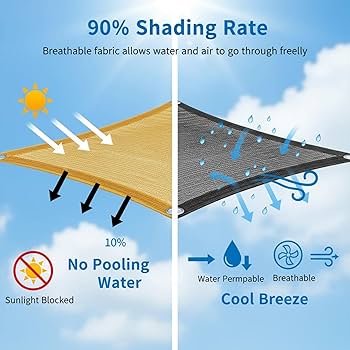
Water-Resistant Protection
Moisture combined with UV damage can accelerate deterioration.
Breathable Construction
Allowing moisture to escape reduces additional stress on materials.
Strong Stitching and Seams
Coating alone cannot compensate for poor construction quality.
UV Protection for Outdoor Protective Covers
Outdoor covers are among the products most affected by sunlight.
A quality protective cover should ideally include:
UV-resistant fabric
Protective coating layers
Waterproof treatment
Strong material construction
The goal is not only preventing cracks in the cover itself but also maintaining its ability to protect the item underneath.
A cover exposed to sunlight every day requires stronger UV resistance than one used occasionally.
Signs That an Outdoor Product Has Poor UV Protection
Not all products clearly advertise coating technology.
You can often identify weak UV protection through warning signs.
Look for:
Rapid color fading
Brittle fabric texture
Cracking surfaces
Peeling coatings
Loss of flexibility
Materials that become stiff or fragile after limited outdoor exposure may lack effective UV protection.
Factors That Affect UV Coating Performance
Even the best coating depends on several conditions.
Important factors include:
Climate Conditions
Products in areas with:
Strong sunlight
High temperatures
Dry weather
usually require stronger UV protection.
Exposure Time
A product left outdoors year-round needs more protection than one stored indoors.
Material Type
Different materials respond differently to UV radiation.
For example:
Plastic may become brittle
Fabric may weaken
Wood may discolor
Coatings may peel
The protection system should match the material.
Maintenance Habits
Even UV-resistant products benefit from proper care.
Helpful practices include:
Cleaning regularly
Removing dirt buildup
Storing during extreme weather
Avoiding unnecessary exposure
Maintenance helps protective coatings perform longer.
How to Choose Outdoor Products With Better UV Protection
When buying outdoor products, ask these questions:
Does the Material Include UV Resistance?
Look for clear information about UV treatment.
What Type of Coating Is Used?
Quality manufacturers often explain their protective technology.
Is the Product Designed for Long-Term Outdoor Use?
Not every outdoor-looking product is designed for continuous exposure.
Does the Product Have Weather Testing?
Testing information can indicate durability.
Are Replacement Parts or Support Available?
Reliable manufacturers usually stand behind their products.
Common Mistakes When Protecting Outdoor Items From Sun Damage
Many people unintentionally shorten product life.
Avoid these mistakes:
Mistake One: Ignoring UV Exposure
Rain protection alone is not enough.
Sunlight can cause serious long-term damage.
Mistake Two: Choosing Appearance Over Material Quality
A stylish outdoor product may not survive harsh conditions without proper UV protection.
Mistake Three: Assuming All Waterproof Products Are UV Resistant
Water resistance and UV resistance are different features.
A product may block rain but still suffer from sunlight damage.
Mistake Four: Using Indoor Products Outdoors
Indoor materials often lack protective coatings designed for outdoor environments.
Mistake Five: Waiting Until Damage Appears
Preventive protection is more effective than repairing advanced UV damage.
Extending the Life of UV-Protected Outdoor Products
Even products with protective coatings benefit from proper care.
Recommended practices include:
Clean surfaces regularly
Follow manufacturer care instructions
Avoid unnecessary exposure
Store products during long periods of non-use
Repair small damage early
Good maintenance helps preserve the effectiveness of protective coatings.
The Future of UV Protection Technology
UV-resistant materials continue to improve.
Future developments may include:
More environmentally friendly coatings
Longer-lasting protective formulas
Smarter material designs
Improved weather resistance
As outdoor lifestyles become more popular, UV protection will continue to be an important factor in product development.
Final Thoughts
Sunlight is one of the biggest challenges facing outdoor products. Without proper protection, UV radiation can gradually weaken materials, cause cracking, and reduce product lifespan.
The right UV coating can make a significant difference by absorbing harmful radiation, stabilizing materials, and reducing surface damage.
When choosing outdoor products, do not focus only on appearance or price. Pay attention to the protective technologies behind the product, including UV absorbers, stabilizers, reflective coatings, and weather-resistant finishes.
A high-quality UV protection system helps outdoor products remain stronger, more attractive, and more reliable through changing seasons.
By understanding how UV coatings work and selecting products designed for real outdoor conditions, you can protect your investment and enjoy outdoor items for many years.
If you need professional advice on choosing UV-resistant outdoor covers or protective solutions for your products, feel free to leave us a message for a personalized quote. We are always happy to help!
Need Help with Your Custom Project?
Have questions about materials, sizing, or looking for a quick quote? Drop us a message and our experts will respond within 24 hours.
Chat on WhatsApp
+1 (304) 356-6765
Send us an Email
hello@incustom.com
Picked for You