Turning Scenery into Revenue: Outdoor Garden Design Strategies for Boutique Homestays and Resorts

Jul 21 2026
In today’s travel market, guests are no longer satisfied with simply having a comfortable room and basic accommodation services. Modern travelers are searching for memorable experiences, emotional connections, and unique environments that allow them to escape from everyday routines.
For boutique homestays and luxury resorts, the outdoor garden is no longer just a decorative area surrounding buildings. It has become one of the most valuable assets that can influence guest decisions, increase booking rates, and create long-term brand recognition.
A thoughtfully designed garden can transform ordinary land into a powerful revenue-generating space. A quiet corner surrounded by greenery can become a popular photo location. A carefully planned outdoor dining area can become a signature experience. A beautifully designed landscape path can encourage guests to explore, relax, and extend their stay.
This is the concept of turning scenery into revenue.
The value of an outdoor garden is not measured only by plants, flowers, or architectural elements. Its true value comes from how effectively the space creates experiences, tells a story, and encourages guests to spend more time and money within the property.
For homestays and resorts, successful garden design requires a combination of aesthetics, functionality, psychology, and business strategy.
So how can hospitality businesses create outdoor landscapes that attract visitors and increase commercial value?
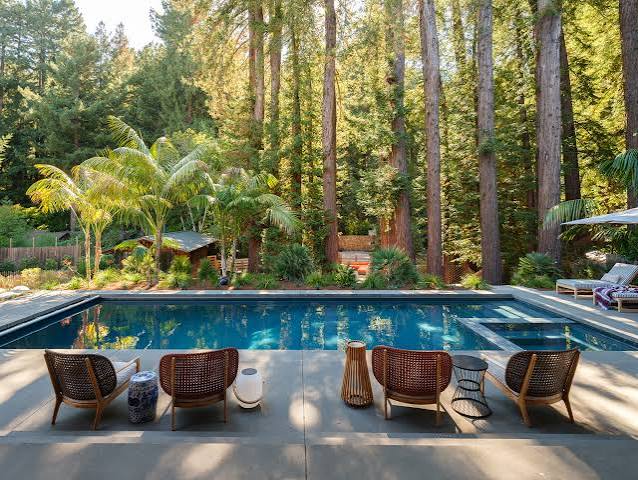
Why Outdoor Garden Design Matters for Modern Homestays and Resorts
Creating the First Emotional Connection
The first impression of a property often begins before guests enter their rooms.
A welcoming garden entrance, a beautifully arranged pathway, or a relaxing outdoor view can immediately influence how visitors perceive the entire experience.
Hospitality is deeply connected to emotions. Guests do not only purchase accommodation; they purchase feelings.
A well-designed garden can communicate:
- Relaxation
- Luxury
- Nature connection
- Privacy
- Local culture
- Unique identity
When guests arrive at a property surrounded by thoughtful landscaping, they immediately feel that the experience is different from staying in a standard hotel.
This emotional connection often determines whether visitors choose to book, recommend the property, or return in the future.
Outdoor Spaces Are Becoming New Revenue Centers
Traditional hospitality businesses usually focus revenue generation around rooms, restaurants, and basic services.
However, modern resorts and boutique accommodations are discovering that outdoor spaces can create additional income opportunities.
A garden can become:
An Outdoor Dining Experience
A beautiful garden restaurant or private dining area can transform a simple meal into a memorable event.
Guests are often willing to pay more for:
- Romantic outdoor dinners
- Breakfast surrounded by nature
- Private celebrations
- Seasonal dining experiences
The environment itself becomes part of the product.
A Photography Destination
In the age of visual sharing, attractive landscapes have become powerful marketing tools.
Guests naturally take photos in beautiful gardens and share their experiences online.
A unique landscape feature such as:
- A flower wall
- A wooden pavilion
- A water feature
- A scenic viewing platform
- A creative garden pathway
can increase property exposure and attract new visitors.
A Wellness and Relaxation Space
Travelers increasingly seek places that support mental relaxation and physical wellness.
Gardens can support experiences such as:
- Outdoor yoga
- Meditation areas
- Tea ceremonies
- Nature walks
- Reading corners
These experiences allow resorts to create premium packages beyond traditional accommodation.
Understanding the Core Principles of Resort Garden Design
Successful outdoor garden planning is not about adding as many decorative elements as possible. It requires a clear understanding of space, guest behavior, and property positioning.
1. Design Around the Guest Journey
The best gardens guide visitors naturally through different experiences.
A well-planned outdoor space should consider the entire guest journey:
Arrival Experience
The entrance area should create an immediate sense of welcome.
Elements may include:
- Attractive landscaping
- Signature plants
- Water features
- Lighting design
- Architectural landmarks
The goal is to create a memorable first impression.
Exploration Experience
Guests should feel encouraged to discover different areas.
Curved pathways, hidden seating areas, and changing scenery can create a sense of adventure.
Instead of seeing the entire garden immediately, visitors experience gradual discoveries.
Relaxation Experience
Every garden should include places where guests can slow down.
Examples include:
- Shaded seating
- Quiet corners
- Viewing decks
- Comfortable outdoor furniture
A successful garden creates emotional moments rather than simply displaying plants.
2. Create a Strong Landscape Theme
A clear design theme helps a property build a recognizable identity.
Without a consistent concept, outdoor spaces can feel disconnected and ordinary.
Popular garden themes for homestays and resorts include:
Natural Rustic Style
This approach emphasizes authenticity and connection with nature.
Common elements include:
- Native plants
- Natural stone
- Wooden structures
- Organic pathways
- Wildflower areas
This style works well for countryside retreats and eco-friendly accommodations.
Modern Minimalist Garden
Modern travelers often appreciate clean and elegant spaces.
Features may include:
- Simple geometric layouts
- Carefully selected plants
- Contemporary furniture
- Decorative lighting
- Minimal water features
This style creates a premium and sophisticated atmosphere.
Tropical Resort Garden
For coastal and warm-climate destinations, tropical landscapes create a vacation feeling.
Typical elements include:
- Palm trees
- Tropical flowers
- Water features
- Outdoor lounges
- Natural shade structures
The goal is to create a sense of escape.
Cultural Landscape Design
Properties located in historic or traditional areas can incorporate local culture into garden design.
Examples include:
- Regional plants
- Traditional architecture
- Local materials
- Cultural symbols
This creates a unique experience that cannot easily be copied.
3. Balance Beauty and Practical Function
A common mistake in garden design is focusing only on appearance while ignoring daily operation.
A hospitality garden must be beautiful but also practical.
Important considerations include:
Maintenance Requirements
Plants should be selected according to:
- Local climate
- Water availability
- Growth patterns
- Maintenance costs
A garden that looks impressive but requires excessive maintenance may become a financial burden.
Guest Safety
Outdoor areas must provide:
- Stable walking surfaces
- Proper lighting
- Safe furniture placement
- Weather-resistant materials
Safety directly affects guest satisfaction.
Weather Adaptability
Outdoor spaces should work throughout different seasons.
Design solutions may include:
- Covered seating
- Shade structures
- Wind protection
- Seasonal planting plans
A flexible garden creates value throughout the year.
4. Use Plants to Create Emotional Experiences
Plants are not only decoration. They influence how people feel within a space.
Different plant selections create different emotional responses.
Fragrant Plants for Sensory Experiences
Flowers and herbs with natural fragrance can create memorable moments.
Examples include:
- Lavender
- Jasmine
- Rosemary
- Gardenia
A garden that engages multiple senses feels more immersive.
Seasonal Plants for Fresh Experiences
Changing seasonal landscapes encourage repeat visits.
Spring flowers, summer greenery, autumn colors, and winter textures can create year-round attraction.
Native Plants for Authenticity
Using local vegetation helps properties connect with their surroundings.
Native plants often:
- Require less maintenance
- Support local ecosystems
- Create regional identity
For travelers seeking authentic experiences, local landscapes feel more meaningful.
A small garden area with seating, greenery, and attractive views allows guests to slow down and immediately enter a vacation mindset.
This psychological transition is extremely important.
The moment guests leave the outside world and enter a carefully designed landscape, they begin to feel the value of their stay.
2. Design Garden Paths That Encourage Exploration
Pathways are one of the most important elements in outdoor hospitality design.
A straight path may be efficient, but it often lacks emotional appeal.
Curved pathways create curiosity and encourage guests to discover new areas.
Effective garden paths can include:
- Changes in direction
- Different plant scenes
- Small resting points
- Hidden views
- Decorative lighting
A guest walking through the garden should feel like they are experiencing a journey rather than simply moving from one location to another.
For example, a pathway may lead visitors through:
- A flower garden
- A shaded relaxation zone
- A water feature
- A scenic viewpoint
- An outdoor dining area
Each section creates a new experience.
3. Build Multi-Functional Outdoor Living Areas
Modern travelers value flexible spaces that serve different purposes throughout the day.
A single garden area can generate more value when it supports multiple activities.
Morning Activities
The garden can become a peaceful place for:
- Breakfast
- Coffee
- Reading
- Meditation
- Light exercise
Afternoon Experiences
During the day, the same area can support:
- Family activities
- Afternoon tea
- Photography
- Leisure conversations
Evening Atmosphere
At night, outdoor spaces can transform into:
- Romantic dining areas
- Fire pit lounges
- Entertainment zones
- Event venues
This flexibility increases the return on investment of garden construction.
4. Create Private Outdoor Spaces for Premium Experiences
Privacy has become one of the most valuable features in luxury hospitality.
Many guests are willing to pay more for exclusive spaces where they can relax without interruption.
Private garden zones may include:
- Individual courtyards
- Hidden seating areas
- Private terraces
- Garden cabins
- Outdoor soaking areas
These spaces are especially attractive for:
- Couples
- Luxury travelers
- Honeymoon guests
- Small groups
A well-designed private garden experience can become a premium service that increases revenue.
Outdoor Furniture Selection: Turning Gardens into Comfortable Destinations
Beautiful landscaping attracts guests, but comfortable outdoor furniture encourages them to stay longer.
The selection of outdoor furniture should match both the design theme and practical requirements of the property.
1. Choose Furniture Based on Climate Conditions
Outdoor furniture must withstand local weather conditions.
Important factors include:
- Sun exposure
- Rainfall
- Humidity
- Temperature changes
- Wind conditions
Common durable materials include:
Aluminum Furniture
Advantages:
- Lightweight
- Rust resistant
- Easy maintenance
- Suitable for modern designs
Teak Wood Furniture
Advantages:
- Natural appearance
- Strong durability
- Premium visual appeal
Synthetic Wicker Furniture
Advantages:
- Comfortable appearance
- Weather resistance
- Resort-style atmosphere
Outdoor Fabric Materials
High-quality outdoor fabrics provide:
- Better comfort
- UV resistance
- Easier cleaning
The right furniture extends the usable life of the garden.
2. Match Furniture With Guest Behavior
Different spaces require different furniture solutions.
Dining Areas
Should include:
- Comfortable dining tables
- Supportive chairs
- Weather protection options
Relaxation Areas
Better choices include:
- Lounge chairs
- Sofas
- Daybeds
- Reclining seats
Viewing Areas
Ideal options include:
- Comfortable benches
- Hanging chairs
- Scenic seating arrangements
Furniture should support the emotional purpose of each area.
3. Use Furniture to Enhance Visual Identity
Outdoor furniture is not only functional. It also contributes to the overall atmosphere.
A luxury resort may choose elegant lounge furniture to create sophistication.
A countryside homestay may prefer natural wood designs to emphasize simplicity and warmth.
A coastal property may use relaxed colors and lightweight materials to create a vacation feeling.
Every design choice should strengthen the story of the property.
Lighting Design: Creating Nighttime Value
Many outdoor spaces lose their commercial potential after sunset because lighting is poorly planned.
However, nighttime is often when guests have the most leisure time.
Effective garden lighting can transform an ordinary landscape into an unforgettable experience.
1. Layer Different Types of Lighting
Professional outdoor lighting usually combines several layers.
Pathway Lighting
Helps guests move safely while creating visual rhythm.
Accent Lighting
Highlights:
- Trees
- Sculptures
- Architecture
- Water features
Ambient Lighting
Creates overall atmosphere through:
- Warm lighting
- Decorative fixtures
- Hidden light sources
Functional Lighting
Provides enough brightness for:
- Dining
- Seating
- Outdoor activities
A balanced lighting design creates both beauty and practicality.
2. Use Lighting to Extend Operating Hours
A well-designed garden does not need to close when the sun goes down.
Night lighting allows properties to offer:
- Evening dining
- Outdoor events
- Romantic experiences
- Night photography opportunities
This directly increases the commercial value of outdoor spaces.
3. Create Memorable Night Scenes
Guests often remember unique nighttime experiences.
Examples include:
- A garden illuminated by soft lights
- A pathway surrounded by glowing plants
- A quiet outdoor lounge under the stars
- A water feature reflecting evening lighting
These experiences encourage guests to share photos and recommend the property.
Water Features and Natural Elements: Increasing Emotional Appeal
Water has always played an important role in landscape design because it creates movement, sound, and visual relaxation.
For resorts and homestays, water features can significantly improve atmosphere.
Popular options include:
- Reflecting pools
- Small ponds
- Decorative fountains
- Water walls
- Natural streams
The sound of flowing water can create a calming environment and reduce urban stress.
However, water features should be carefully planned because they require:
- Maintenance
- Cleaning systems
- Safety considerations
- Proper circulation
The goal is not simply to add water but to create meaningful sensory experiences.
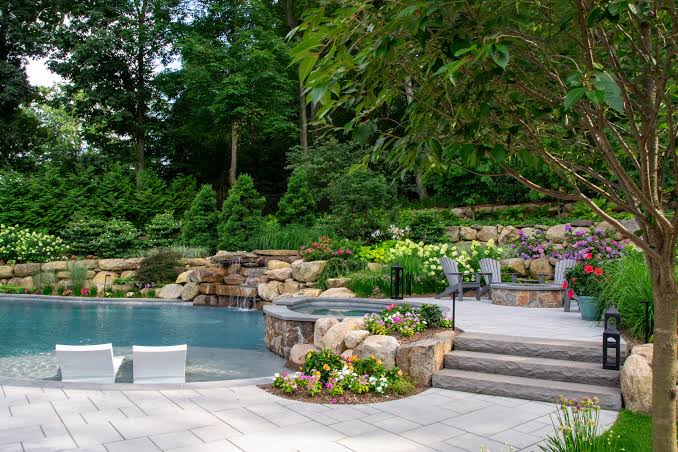
Transforming Gardens Into Revenue-Generating Experiences
A beautiful garden can attract attention, but a strategically designed garden can generate real business value.
For boutique homestays and resorts, the goal is not only to create attractive scenery. The goal is to design outdoor spaces that encourage guests to stay longer, spend more, and develop stronger emotional connections with the property.
A successful garden becomes part of the hospitality product itself.
1. Create Instagram-Worthy Landscape Features
Today’s travelers often choose destinations based on visual appeal.
Before making reservations, many guests search for photos, videos, and shared experiences. A visually impressive garden can become one of the strongest marketing assets for a hospitality business.
Creating memorable landscape features can increase organic exposure.
Popular design ideas include:
Signature Flower Installations
Seasonal flower displays can create attractive photo locations and encourage repeat visits.
Examples include:
- Rose gardens
- Seasonal flower walls
- Color-themed planting areas
- Floral archways
These features create emotional moments that guests naturally want to capture.
Unique Architectural Elements
Small structures can become powerful visual symbols.
Examples:
- Garden gazebos
- Wooden bridges
- Glass viewing rooms
- Outdoor pavilions
- Traditional tea houses
A recognizable structure helps guests remember the property.
Scenic Viewing Platforms
Properties with natural surroundings can maximize their advantages by creating dedicated viewpoints.
A viewing platform can highlight:
- Mountains
- Forests
- Oceans
- Lakes
- Sunsets
- Gardens
When guests have a special place to appreciate scenery, the landscape becomes an experience rather than just a background.
2. Design Gardens Around Guest Photography Behavior
Photography has changed the way people interact with spaces.
Guests do not only look at landscapes; they actively search for places where they can create personal memories.
Successful garden design should consider:
Background Quality
Photo locations should have:
- Strong visual depth
- Attractive colors
- Interesting textures
- Clear focal points
Comfortable Photo Spaces
Guests need enough room to stand, sit, and take pictures.
Good photography areas often include:
- Seating furniture
- Decorative elements
- Natural framing from plants
- Proper lighting
Seasonal Changes
A landscape that changes throughout the year creates fresh reasons for visitors to return.
Different seasons can highlight:
- Flowering periods
- Autumn colors
- Winter landscapes
- Holiday decorations
A dynamic garden remains attractive over time.
3. Combine Gardens With Food and Beverage Experiences
Outdoor dining is one of the most effective ways to increase the value of landscape design.
A beautiful environment can make ordinary food feel more premium.
Examples of profitable outdoor experiences include:
Garden Breakfast
A peaceful morning meal surrounded by greenery creates a luxury feeling without requiring complicated services.
Afternoon Tea Areas
Comfortable outdoor seating combined with attractive scenery can become a signature experience.
Romantic Dinner Settings
Private garden dining spaces are especially appealing for couples.
Elements may include:
- Soft lighting
- Flowers
- Privacy screens
- Elegant furniture
- Personalized decoration
Seasonal Events
Gardens can host:
- Barbecue nights
- Wine events
- Cultural performances
- Holiday celebrations
This allows properties to generate revenue beyond room bookings.
Sustainable Garden Design: Building Long-Term Value
Modern travelers increasingly appreciate environmentally responsible properties.
Sustainable garden design not only benefits the environment but can also reduce operating costs.
1. Choose Low-Maintenance Landscaping
A sustainable garden begins with smart plant selection.
Benefits of choosing suitable plants include:
- Lower water consumption
- Reduced maintenance work
- Better local adaptation
- Stronger ecological balance
Native plants often perform better because they are naturally suited to the local environment.
2. Use Water-Efficient Design
Water management is becoming increasingly important in landscape planning.
Effective strategies include:
- Rainwater collection
- Drip irrigation systems
- Drought-resistant plants
- Smart watering controls
These solutions reduce operating expenses while supporting environmental goals.
3. Create Natural Ecosystems
A garden can become more than decoration.
Thoughtful landscaping can support:
- Birds
- Butterflies
- Pollinators
- Local wildlife
Eco-friendly gardens create unique experiences for guests who appreciate nature.
4. Use Sustainable Outdoor Materials
Materials used in outdoor spaces should balance appearance, durability, and environmental responsibility.
Options may include:
- Recycled materials
- Locally sourced stone
- Sustainable wood
- Long-lasting outdoor furniture
Choosing durable materials also reduces replacement costs.
Common Mistakes in Resort Garden Design
Even beautiful gardens can fail if they do not consider practical needs.
Understanding common mistakes helps property owners make better decisions.
Mistake 1: Focusing Only on Appearance
A garden should not only look beautiful in photographs.
It must also support:
- Guest movement
- Comfort
- Maintenance
- Business operations
A visually impressive but inconvenient garden may disappoint visitors.
Mistake 2: Ignoring Scale and Space Planning
Oversized decorations or excessive planting can make outdoor areas feel crowded.
Good design requires balance between:
- Open areas
- Green spaces
- Buildings
- Furniture
- Activity zones
The goal is harmony, not simply adding more elements.
Mistake 3: Creating Spaces Without Purpose
Every outdoor area should answer a question:
“What will guests do here?”
A garden area without a clear function may become unused space.
Successful gardens usually include clear purposes:
- Dining
- Relaxation
- Entertainment
- Photography
- Wellness
- Social interaction
Mistake 4: Neglecting Maintenance Costs
A garden that requires excessive care can become a financial burden.
Before selecting designs, property owners should consider:
- Cleaning requirements
- Plant care
- Equipment maintenance
- Seasonal changes
Sustainable planning ensures long-term success.
Future Trends in Outdoor Garden Design for Hospitality
The future of resort and homestay landscapes will focus on personalization, technology, and deeper connections with nature.
1. Smart Garden Management
Technology will increasingly support landscape maintenance.
Future systems may include:
- Automated irrigation
- Environmental monitoring
- Smart lighting control
- Digital maintenance tracking
These solutions improve efficiency while reducing costs.
2. Wellness-Focused Outdoor Spaces
As travelers prioritize health and relaxation, wellness gardens will become increasingly popular.
Future designs may include:
- Meditation gardens
- Forest bathing paths
- Outdoor fitness areas
- Healing plant gardens
The garden becomes a destination for personal renewal.
3. Flexible Multi-Use Outdoor Spaces
Hospitality businesses will continue maximizing space value.
Future gardens will be designed to transform easily between different functions:
Morning:
- Breakfast area
Afternoon:
- Leisure space
Evening:
- Event venue
This flexibility increases profitability.
4. Stronger Connection Between Architecture and Landscape
The boundary between indoor and outdoor living will continue to disappear.
Future resorts will emphasize:
- Large glass openings
- Outdoor lounges
- Garden-facing rooms
- Natural ventilation
- Seamless transitions
The landscape becomes an extension of the accommodation experience.
Conclusion: Great Gardens Do More Than Decorate — They Create Business Value
For boutique homestays and resorts, outdoor garden design is no longer an optional decoration. It is a strategic investment that can influence guest satisfaction, brand identity, and revenue growth.
A thoughtfully designed garden can:
- Create unforgettable first impressions
- Increase guest engagement
- Support premium experiences
- Encourage longer stays
- Generate additional income
- Strengthen market competitiveness
The most successful hospitality landscapes understand one important principle:
A beautiful view is valuable, but an unforgettable experience is priceless.
By combining thoughtful spatial planning, comfortable outdoor furniture, creative landscape features, sustainable practices, and guest-centered design, resorts and homestays can transform outdoor areas into powerful assets.
The future of hospitality belongs to properties that do not simply provide a place to stay, but create places where guests want to pause, explore, relax, and remember.
When scenery becomes an experience, nature itself becomes part of the business success story.
If you are interested in professional outdoor garden design solutions, landscape planning, or customized resort and homestay projects, feel free to leave a message and contact us for more information or a quotation.
Need Help with Your Custom Project?
Have questions about materials, sizing, or looking for a quick quote? Drop us a message and our experts will respond within 24 hours.
Chat on WhatsApp
+1 (304) 356-6765
Send us an Email
hello@incustom.com
Picked for You