
When winter arrives, most people focus on staying warm—sealing windows, turning up the heat, and adding thick, insulating curtains to keep the cold out. While these heavy drapes improve comfort and energy efficiency, they can also create an overlooked problem: excess moisture.
Behind those plush, elegant curtains, a hidden microclimate often forms—cool, damp, and poorly ventilated. This environment is ideal for mold growth. What starts as a faint musty smell can quickly escalate into visible mildew, fabric damage, and even indoor air quality concerns.
If you’ve ever noticed dark spots, lingering odors, or dampness around your window treatments during winter, you’re not alone. The good news is that with the right strategies, you can control humidity and keep your curtains clean, dry, and mold-free.
This in-depth guide explores why mold forms in heavy curtains during winter and how to prevent it effectively.
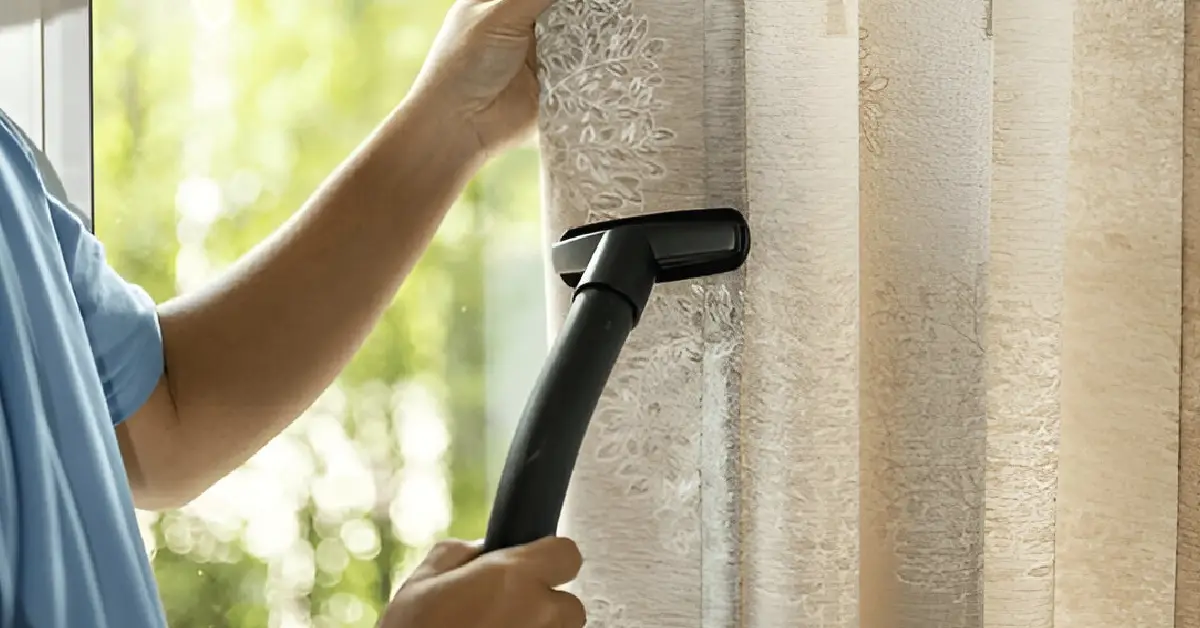
Why Winter Creates the Perfect Conditions for Mold
Mold thrives in environments with three key elements:
Moisture
Organic material (like fabric)
Limited airflow
Winter conditions often bring all three together in one place—your windows.
Condensation on Windows
When warm indoor air meets cold window glass, condensation forms. This moisture can:
Drip onto window sills
Be absorbed by nearby fabrics
Remain trapped behind curtains
Heavy curtains, especially those that sit close to the window, can trap this moisture, creating a damp pocket of air.
Reduced Ventilation
During colder months, windows stay closed, and fresh air circulation decreases. This leads to:
Higher indoor humidity levels
Slower evaporation of moisture
Stagnant air behind curtains
Without airflow, dampness lingers longer than it should.
Thick Fabric Structure
Heavy curtains are often made from dense materials designed for insulation. While effective at blocking cold air, these fabrics:
Retain moisture more easily
Dry more slowly
Provide a perfect surface for mold spores to settle and grow
The Risks of Mold in Curtains
Mold isn’t just a cosmetic issue—it can have broader consequences.
Fabric Damage
Mold feeds on organic fibers, leading to:
Weakening of the material
Discoloration
Permanent stains
Unpleasant Odors
Musty smells can spread throughout the room, making the space feel unclean and uncomfortable.
Indoor Air Quality Concerns
Mold spores can become airborne, potentially affecting respiratory health, especially for individuals with allergies or sensitivities.
Early Warning Signs to Watch For
Catching mold early makes it much easier to manage.
Look for:
A damp or musty smell near windows
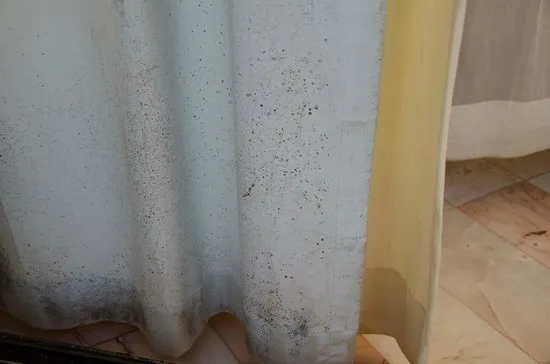
Dark or greenish spots on fabric
Curtains feeling slightly wet or clammy
Condensation buildup on glass or frames
If you notice any of these signs, it’s time to take action.
Controlling Indoor Humidity: The First Line of Defense
Preventing mold starts with managing moisture levels in your home.
Ideal Humidity Levels
Indoor humidity should typically be kept between:
30% and 50%
Levels above this range increase the risk of mold growth.
Use a Dehumidifier
A dehumidifier helps remove excess moisture from the air, especially in:
Bedrooms with heavy curtains
Living rooms with large windows
Basements or poorly ventilated areas
Monitor with a Hygrometer
A simple humidity monitor allows you to track levels and adjust as needed.
Improve Air Circulation Around Curtains
Airflow is critical for preventing moisture buildup.
Leave Space Between Curtains and Windows
Avoid pressing curtains tightly against the glass. Even a small gap allows air to circulate and reduces condensation transfer.
Open Curtains During the Day
Let sunlight and air reach the window area. This helps:
Dry out moisture
Warm the glass surface
Reduce condensation
Use Ceiling Fans or Air Circulators
Gentle air movement prevents stagnant pockets where mold can thrive.
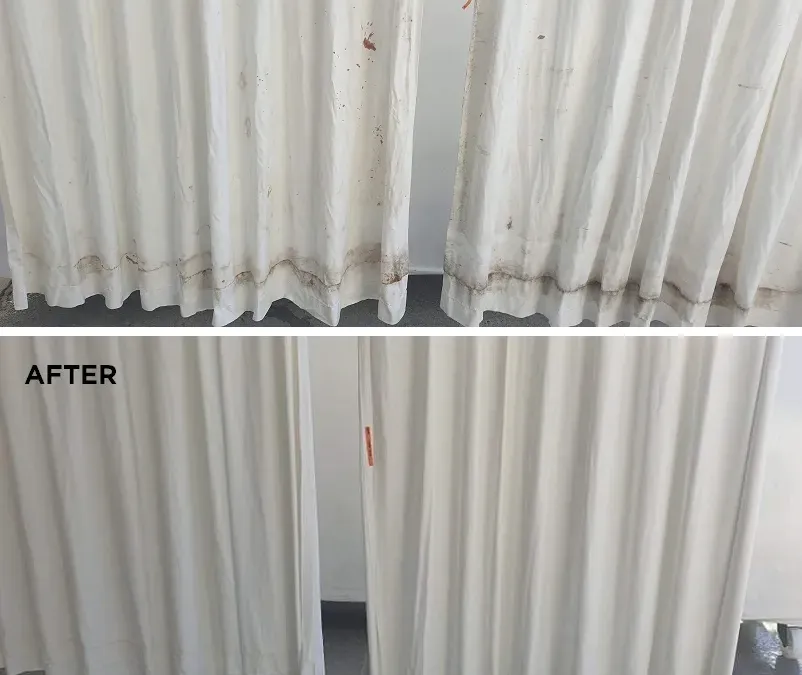
Manage Window Condensation Effectively
Since windows are the primary source of moisture, addressing condensation is key.
Wipe Down Windows Regularly
Use a dry cloth to remove condensation before it can soak into nearby fabrics.
Upgrade Window Insulation
Double-glazed or insulated windows reduce temperature differences, minimizing condensation.
Apply Window Film
Thermal window films can help regulate surface temperature and reduce moisture buildup.
Choose the Right Curtain Materials
Not all fabrics are equally prone to mold.
Synthetic vs. Natural Fibers
Synthetic fabrics (like polyester) resist moisture better
Natural fibers (like cotton or linen) absorb moisture more easily
Blended fabrics can offer a balance of performance and aesthetics.
Mold-Resistant Treatments
Some curtains are treated with finishes that:
Inhibit microbial growth
Improve moisture resistance
These are especially useful in humid environments.
Use Proper Curtain Linings
Linings play a major role in protecting your curtains.
Moisture-Resistant Linings
These act as a barrier between the window and the main fabric, reducing moisture absorption.
Thermal Linings
They help regulate temperature differences, which can reduce condensation formation.
Establish a Cleaning Routine
Regular maintenance prevents small issues from becoming major problems.
Vacuum Curtains
Use a brush attachment to remove dust and spores.
Wash or Dry Clean Periodically
Follow care instructions to:
Remove accumulated moisture
Eliminate potential mold spores
Spot Clean Early Signs
If you notice small spots:
Clean immediately with a mild solution
Dry thoroughly afterward
Drying Is Just as Important as Cleaning
After washing or exposure to moisture, ensure curtains are completely dry.
Avoid rehanging damp curtains
Use a well-ventilated space for drying
Consider using a fan or dehumidifier to speed up the process
Rearrange for Better Airflow
Sometimes small layout changes can make a big difference.
Move furniture away from windows
Avoid blocking airflow with large objects
Ensure vents are not obstructed
Use Smart Heating Strategies
Heating affects humidity levels more than many people realize.
Maintain Consistent Temperature
Sudden temperature changes can increase condensation.
Avoid Overheating
Excessive heat can increase indoor humidity, especially when combined with poor ventilation.
Advanced Solutions for Persistent Problems
If mold continues to be an issue, consider more advanced approaches.
Install Ventilation Systems
Mechanical ventilation helps regulate humidity levels throughout the home.
Use Moisture Absorbers
Silica gel or other moisture-absorbing products can be placed near windows.
Upgrade to Smart Climate Control
Smart thermostats and humidity sensors can automatically adjust conditions for optimal comfort and safety.
Common Mistakes to Avoid
Even with good intentions, certain habits can worsen the problem.
Keeping Curtains Closed All Day
This traps moisture and prevents drying.
Ignoring Small Signs
Early mold is easier to eliminate than established growth.
Using Damp Cleaning Methods
Excess moisture during cleaning can contribute to the problem.
Overcrowding Window Areas
Limited airflow increases the risk of dampness.
Long-Term Benefits of Proper Humidity Control
Taking steps to prevent mold offers more than just cleaner curtains.
You’ll also enjoy:
Improved indoor air quality
Longer-lasting window treatments
Reduced maintenance costs
A more comfortable living environment
Final Thoughts
Heavy curtains are a valuable addition to any home during winter, offering warmth, privacy, and style. But without proper humidity control, they can become a hidden source of mold and moisture problems.
The key is balance—maintaining warmth while allowing enough airflow and moisture control to keep your environment healthy.
By managing humidity, improving ventilation, choosing the right materials, and maintaining a consistent cleaning routine, you can protect your curtains and your home from mold.
This winter, don’t just focus on staying warm—focus on staying dry, too.
Because a comfortable home isn’t just about temperature—it’s about creating a clean, healthy space where every detail, including your window treatments, works in your favor.
Need Help with Your Custom Project?
Have questions about materials, sizing, or looking for a quick quote? Drop us a message and our experts will respond within 24 hours.
Chat on WhatsApp
+1 (304) 356-6765
Send us an Email
hello@incustom.com
Picked for You