Winter Protection Plan: Professional Strategies to Protect Outdoor Equipment from Ice and Snow Damage

Jul 02 2026
Winter is one of the most demanding seasons for outdoor equipment. Freezing temperatures, heavy snowfall, ice buildup, moisture intrusion, and repeated freeze-thaw cycles can quietly destroy machines, furniture, tools, and infrastructure that perform perfectly in warmer months.
From backyard grills and patio furniture to industrial machinery, HVAC units, generators, agricultural tools, and storage systems, almost every type of outdoor equipment faces elevated risk during winter. What makes winter damage especially dangerous is that it often develops silently—hidden corrosion, internal cracking, seal failure, and electrical degradation may not become visible until spring, when repairs are already costly.
A well-designed winter protection plan is not just about covering equipment. It is a structured approach that combines environmental awareness, material protection, moisture control, and preventive maintenance to ensure long-term durability.
This guide provides a comprehensive, professional-level breakdown of how to protect outdoor equipment from ice and snow damage effectively, efficiently, and proactively.
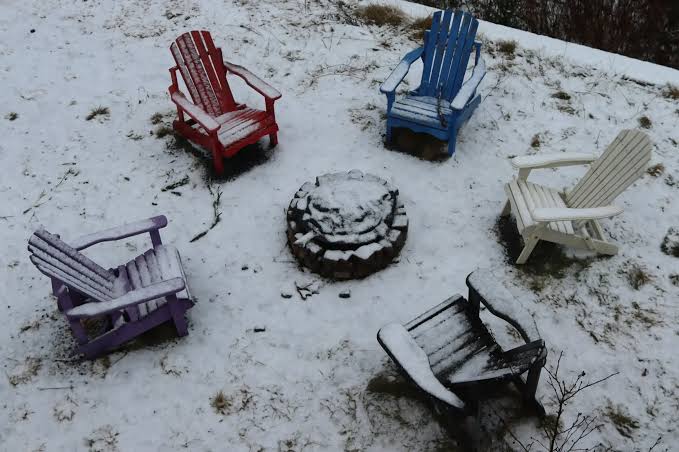
1. Why Winter Is So Damaging to Outdoor Equipment
Winter creates a unique combination of stress factors that rarely occur in other seasons.
1.1 Freeze-thaw cycles
Water expands when it freezes. When moisture enters small cracks or mechanical gaps and then freezes, it expands by nearly 9%, forcing materials apart.
This leads to:
Metal cracking
Paint peeling
Plastic brittleness
Seal failure
Structural fatigue
Repeated cycles make the damage worse over time.
1.2 Moisture infiltration
Snow is not just frozen water—it is a slow-release moisture system.
As snow melts:
Water seeps into joints
Electrical systems become vulnerable
Bearings and moving parts corrode
Internal cavities retain moisture
1.3 Ice accumulation
Ice adds both weight and mechanical stress.
Effects include:
Warping of structural frames
Overloading of mounting points
Restricted movement in mechanical parts
Blocked drainage systems
1.4 Salt and chemical exposure (in colder regions)
Road salt and de-icing chemicals can:
Accelerate corrosion
Break down protective coatings
Contaminate mechanical surfaces
Damage rubber and plastic components
1.5 Temperature extremes
Cold temperatures cause:
Material contraction
Reduced flexibility in rubber seals
Increased brittleness in plastics
Lubricant thickening or freezing
2. The Core Principle of Winter Protection: Control Moisture, Cold, and Exposure
Effective winter protection is built around three pillars:
1. Moisture control
Preventing water intrusion and managing condensation.
2. Thermal stabilization
Reducing extreme temperature exposure and fluctuation.
3. Physical shielding
Blocking snow, ice, wind, and debris.
When all three are addressed, equipment survival rates increase dramatically.
3. Step One: Pre-Winter Equipment Inspection and Preparation
A successful winter protection plan begins before the first snowfall.
3.1 Cleaning all equipment thoroughly
Dirt and grease trap moisture, accelerating corrosion.
Key actions:
Remove dust and debris
Degrease mechanical parts
Clean drainage channels
Wash exterior surfaces
3.2 Inspecting for existing damage
Winter magnifies existing issues.
Look for:
Cracks in housings
Loose fasteners
Worn seals
Rust spots
Frayed wiring
Repairing small issues before winter prevents major failures later.
3.3 Lubrication of moving parts
Cold weather increases friction.
Use:
Low-temperature lubricants
Anti-corrosion grease
Silicone-based sprays for rubber components
Avoid thick greases that harden in cold temperatures.
3.4 Draining water systems
Any trapped water is a winter hazard.
Drain:
Hoses
Pumps
Water tanks
Irrigation systems
Pressure washers
4. Step Two: Choosing the Right Protective Covers
Not all covers are designed for winter conditions.
A winter-grade cover must handle:
Heavy snow load
Ice formation
Wind stress
Low-temperature brittleness
4.1 Material requirements
The best winter covers use:
Heavy-duty polyester with PVC coating
Multi-layer waterproof fabrics
Cold-resistant vinyl composites
Reinforced Oxford fabric
These materials resist cracking and maintain flexibility in freezing temperatures.
4.2 Waterproof vs water-resistant
This distinction is critical:
Water-resistant: delays penetration
Waterproof: blocks water completely
For winter conditions, waterproof construction is essential.
4.3 UV + snow dual protection
Even in winter, UV exposure continues.
A quality cover should protect against:
Snow
Ice
Sunlight reflection from snow surfaces
4.4 Ventilation design
Without ventilation:
Condensation builds up
Mold forms
Corrosion accelerates
Look for:
Air vents
Moisture-release panels
Breathable seams
4.5 Secure fastening systems
Wind is a major winter hazard.
Effective systems include:
Adjustable straps
Elastic hems
Buckle systems
Drawstring closures
5. Step Three: Moisture Control Strategies
Moisture is the hidden enemy of winter equipment damage.
5.1 Elevation off the ground
Keeping equipment slightly elevated prevents:
Snow accumulation at base
Ground moisture absorption
Ice bonding
5.2 Use of moisture absorbers
For enclosed or semi-enclosed equipment:
Desiccant packs
Silica gel containers
Moisture traps
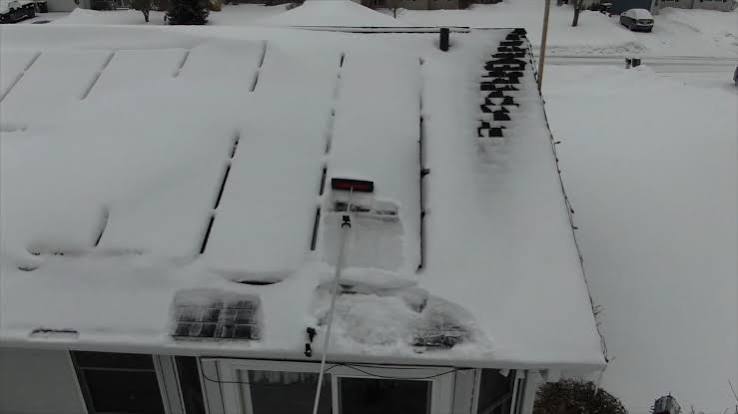
5.3 Regular snow removal
Heavy snow should not be left on surfaces.
Best practices:
Remove snow after storms
Avoid sharp tools that damage surfaces
Brush gently rather than scraping
6. Step Four: Protecting Electrical and Mechanical Systems
Electrical systems are particularly vulnerable in winter.
6.1 Waterproofing connectors
Key actions:
Seal exposed connectors
Use dielectric grease
Cover control panels
6.2 Battery care
Cold temperatures reduce battery efficiency.
Recommendations:
Remove batteries for storage
Store in warm, dry environments
Charge periodically
6.3 Cable protection
Cables can crack in cold weather.
Preventive steps:
Use cold-resistant insulation
Avoid sharp bending
Keep cables dry and elevated
7. Step Five: Snow Load Management
Snow is not just a covering—it is weight.
7.1 Understanding snow density
Snow weight varies:
Light snow: low density
Wet snow: heavy and compact
Ice layers: extremely heavy
Even a small accumulation can create significant pressure.
7.2 Structural stress risks
Snow load can cause:
Frame bending
Cover tearing
Joint failure
Equipment collapse
7.3 Preventive removal strategy
Remove snow after each major storm
Do not allow repeated layering
Clear before freezing occurs
8. Step Six: Temperature-Specific Material Behavior
Materials respond differently in cold environments.
8.1 Metal
Contracts in cold
Becomes more brittle in extreme conditions
Requires corrosion protection
8.2 Plastic
Loses flexibility
Can crack under stress
Requires cold-rated polymers
8.3 Rubber seals
Harden in freezing temperatures
Lose sealing efficiency
May require silicone conditioning
8.4 Fabric covers
Can stiffen
May tear under ice load
Require reinforced stitching
9. Step Seven: Long-Term Winter Maintenance Routine
Winter protection is not a one-time task—it is ongoing.
Weekly tasks:
Inspect covers for snow buildup
Check for moisture leaks
Remove debris
Monthly tasks:
Reapply protective coatings
Check fasteners and straps
Inspect seals and joints
Seasonal tasks:
Full inspection before winter
Full cleanup after winter
Replace damaged protective gear
10. Common Winter Protection Mistakes
Even well-prepared users make errors.
Mistake 1: Using lightweight summer covers
They tear easily under snow load.
Mistake 2: Ignoring condensation
Moisture buildup is often more damaging than snow.
Mistake 3: Leaving equipment directly on ground
Ground frost accelerates corrosion.
Mistake 4: Not securing covers
Wind displacement exposes equipment.
Mistake 5: Forgetting mid-winter checks
Winter damage often develops silently.
11. Real-World Example: Winter Equipment Failure Scenario
A homeowner stores an outdoor generator under a basic waterproof tarp.
What happens:
Snow accumulates on top
Meltwater seeps into seams
Night freezing causes expansion
Internal corrosion develops
Battery terminals fail by spring
Root cause:
Lack of ventilation and insufficient snow load management.
Proper solution:
Reinforced winter cover
Elevated placement
Moisture control packs
Scheduled inspection
12. Professional Winter Protection System Design
A complete winter protection system includes:
Heavy-duty waterproof cover
Elevated mounting base
Drainage pathway design
Moisture control system
Secure fastening mechanism
Seasonal inspection schedule
This system approach ensures redundancy and long-term durability.
Final Thoughts: Winter Protection Is Preventive Engineering
Protecting outdoor equipment from ice and snow is not simply about covering it—it is about understanding how cold, moisture, and mechanical stress interact over time.
Winter damage is cumulative. It builds silently, often unnoticed until failure occurs. A structured protection plan eliminates uncertainty by addressing the root causes: water intrusion, freeze expansion, material fatigue, and environmental exposure.
When properly executed, winter protection:
Extends equipment lifespan
Reduces maintenance costs
Prevents unexpected breakdowns
Preserves performance integrity
Saves time and replacement expense
In cold climates, winter preparation is not optional—it is essential maintenance engineering.
A well-protected system does not just survive winter; it emerges from it in the same condition it entered.
Welcome to leave a comment or contact us for a quote—we’d be happy to help you design the right winter protection solution for your equipment.
Need Help with Your Custom Project?
Have questions about materials, sizing, or looking for a quick quote? Drop us a message and our experts will respond within 24 hours.
Chat on WhatsApp
+1 (304) 356-6765
Send us an Email
hello@incustom.com
Picked for You