Winter Sun and Indoor Heating: How Heating Systems Affect Curtain Fibers and What to Do About It

Mar 18 2026
Winter brings cozy mornings, warm drinks, and the soft glow of the low sun filtering through your windows. Curtains play a crucial role during this season — they provide insulation, block drafts, and contribute to the overall comfort of your home. However, the combination of winter sunlight and indoor heating can impact curtain fibers over time, affecting their appearance, texture, and longevity.
Understanding how heating systems interact with fabric, and how to mitigate potential damage, ensures that your curtains remain vibrant, soft, and functional through the cold months. This guide provides a comprehensive approach to curtain fiber care during winter, covering the science of fabric damage, preventive strategies, cleaning techniques, and long-term maintenance.
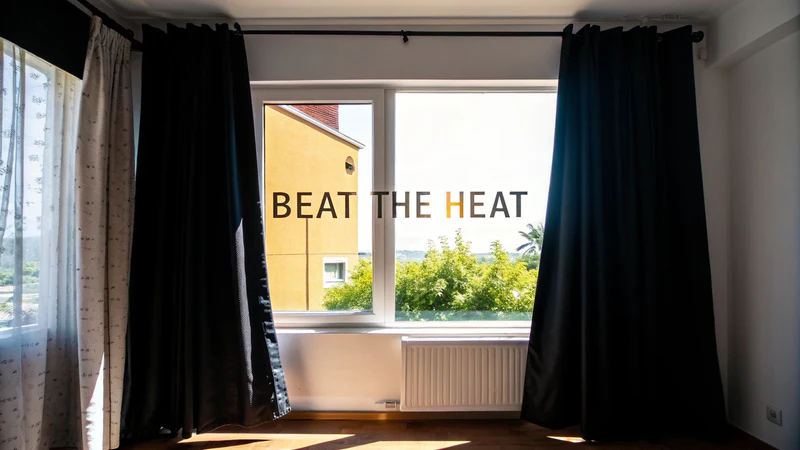
How Winter Heating Impacts Curtain Fibers
Curtains are exposed to several environmental stressors during winter. Beyond everyday dust and light exposure, indoor heating introduces dry air, fluctuating temperatures, and sometimes direct heat exposure that can alter the physical and chemical structure of curtain fibers.
1. Fiber Drying
Most heating systems — whether radiators, forced-air heaters, or baseboard units — reduce indoor humidity. Dry air causes:
Shrinkage in natural fibers like cotton, linen, and wool
Stiffening of delicate fabrics such as silk or rayon
Cracking or brittleness in synthetic blends over time
Low humidity can also exacerbate static electricity, making curtains cling to surfaces and attract dust.
2. Color Fading
UV light from the winter sun combined with heat from radiators can accelerate fading in certain dyes, especially:
Bright or vibrant cotton fabrics
Synthetic blends with reactive dyes
Dark or heavily patterned curtains
Even fabrics labeled as “fade-resistant” can slowly lose color when exposed to repeated sunlight and warmth.
3. Fabric Weakening
Continuous exposure to warm, dry air can weaken fiber structures, particularly in:
Heavy drapes with layered materials
Curtains with embroidery or decorative stitching
Sheer or lightweight fabrics
Over time, this may result in fraying edges, thinning panels, or reduced resilience against wear and tear.
4. Dust and Static Accumulation
Heating reduces moisture in the air, which can increase static electricity on fabrics. This leads to:
Dust accumulation on curtain surfaces
Clinging pet hair or lint
More frequent cleaning needs
Curtains that are constantly exposed to forced heat without moisture may appear dull and attract particles more quickly.
Choosing Winter-Friendly Curtain Materials
The type of curtain fiber plays a major role in how well it tolerates indoor heating. Selecting or supplementing with heat-resistant fabrics can reduce damage during the cold season.
Natural Fibers
Cotton: Breathable and easy to clean, but prone to shrinkage and stiffness in dry air. Pre-washed or preshrunk cotton is preferable.
Linen: Elegant and breathable, but can become brittle when exposed to prolonged heat.
Wool: Naturally insulating, but sensitive to heat; avoid placing directly near radiators.
Synthetic Fibers
Polyester: Resists shrinkage and fading, durable, and lightweight; a great choice for winter use.
Nylon and Acrylic: Durable and fade-resistant but can attract static; consider using anti-static sprays.
Blended Fabrics
Blends of natural and synthetic fibers combine softness with resilience, offering better performance under fluctuating indoor conditions.
Placement and Installation Considerations
Where and how you hang your curtains affects their exposure to heating sources. Careful placement can prevent direct heat damage.
Distance from Radiators and Heaters
Maintain a minimum of 6–12 inches between curtain panels and radiators or heating vents.
Avoid draping curtains directly over heaters or baseboards.
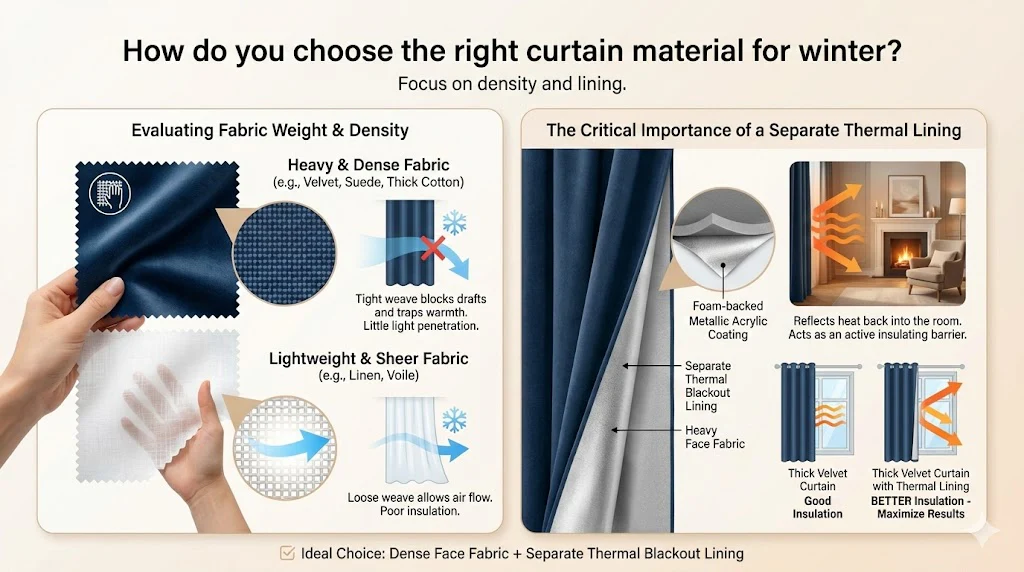
Consider heat-reflective backing or liner to protect fabric while enhancing insulation.
Window Exposure
Use sheer undercurtains to protect decorative panels from direct sunlight.
Rotate curtain panels occasionally to balance sun exposure and prevent uneven fading.
Install thermal blinds or shades for additional UV and heat protection.
Practical Tips for Humidity Management
Maintaining moderate indoor humidity is critical during winter. Proper moisture levels help prevent fiber shrinkage, stiffening, and static.
Ideal Indoor Humidity
Aim for 40–50% relative humidity.
Use a hygrometer to monitor room levels.
Humidifier Use
Portable humidifiers near living areas or bedrooms can compensate for dry heating.
For larger rooms, consider whole-house humidifiers integrated into HVAC systems.
Always clean humidifiers regularly to prevent mold growth on curtains or walls.
Cleaning and Maintenance Strategies
Winter requires strategic cleaning rather than frequent heavy washing, which can stress fibers.
Regular Dusting
Use a vacuum with a soft brush attachment weekly.
Microfiber cloths or lint rollers help remove dust without friction.
Spot Cleaning
For minor stains, use mild detergent or vinegar solution.
Dab gently; avoid vigorous rubbing, especially on delicate or embroidered fabrics.
Seasonal Deep Cleaning
Machine washable curtains: Follow manufacturer instructions, use warm water and gentle cycles, and dry thoroughly to prevent shrinkage.
Dry-clean-only fabrics: Schedule professional cleaning before peak heating periods.
Sun-drying considerations: Avoid prolonged direct sun on delicate fabrics; rotate panels for even exposure.
Protecting Fibers Against Heat Damage
Curtains can be safeguarded through material, installation, and routine practices.
Use Curtain Liners
Thermal or blackout liners create a protective barrier against radiator heat and UV light.
Liners also enhance insulation, keeping rooms warmer without overusing heaters.
Anti-Static Sprays
Reduce dust and hair accumulation on synthetic or blended fibers.
Apply lightly and evenly; avoid oversaturation.
Rotate and Rearrange
Swap curtain positions occasionally to balance wear and sun exposure.
Lift or open panels during non-peak sun hours to reduce continuous heat contact.
Storage and Seasonal Adjustments
When not in use, proper storage ensures fabric longevity.
Short-Term Seasonal Storage
Fold curtains carefully without tight creases.
Keep in breathable cotton storage bags.
Avoid plastic bags that trap heat and humidity.
Long-Term Off-Season Care
Wash or dry-clean prior to storage.
Store in climate-controlled areas away from heaters or direct sunlight.
Inspect for insect damage or early mold signs before rehanging.
Common Mistakes to Avoid
Placing curtains directly on radiator surfaces — leads to scorching and fiber weakening.
Neglecting humidity control — dry air accelerates brittleness.
Frequent heavy washing during peak heating — can stress fibers already dried by indoor heat.
Ignoring sunlight exposure — uneven fading and color changes occur over weeks.
Using sharp or abrasive cleaning tools — damages delicate embroidery, lace, or woven fibers.
Enhancing Curtain Longevity During Winter
Combining multiple strategies ensures curtains remain in optimal condition:
Install thermal or blackout liners to protect against heat and UV.
Maintain moderate humidity with humidifiers.
Dust and clean gently on a weekly basis.
Keep a safe distance from heaters and vents.
Rotate panels periodically to distribute exposure evenly.
Schedule professional cleaning before and after winter for delicate or high-end fabrics.
Health Considerations
Heating systems that dry indoor air excessively can also affect your respiratory system and skin. Maintaining proper humidity benefits both curtain fabrics and household health, preventing:
Respiratory irritation from dust accumulation
Allergens trapped in static-prone fabrics
Dry skin and eye discomfort
Curtains act as both aesthetic and functional home elements; protecting them contributes to overall comfort.
Innovations and Materials for Winter Curtain Care
Modern textiles and curtain technologies help mitigate winter heating effects:
Heat-resistant fibers: Polyester blends, acrylics, and treated cotton resist shrinkage and color fading.
Thermal-insulating linings: Provide protection from radiator heat and sunlight simultaneously.
Anti-static coatings: Reduce dust adherence during dry months.
UV-filtered fabrics: Protect both fibers and furniture from sun-induced fading.
These innovations allow homeowners to enjoy winter warmth without compromising curtain longevity.
Final Thoughts: Maintaining Beauty and Function in Winter
Winter indoor heating can subtly but consistently stress curtain fibers. The combination of dry air, direct warmth, and sunlight exposure requires thoughtful preventive care.
Key Takeaways:
Keep curtains away from direct heat sources.
Maintain moderate indoor humidity to prevent shrinkage and brittleness.
Use liners and thermal backings for additional fiber protection.
Implement regular dusting, spot cleaning, and seasonal deep cleaning.
Rotate and inspect curtains to balance wear and exposure.
By understanding how heating systems interact with curtain fibers and applying practical maintenance strategies, you can preserve both the aesthetic appeal and functional performance of your window treatments throughout winter. The result is a cozy, visually pleasing home environment, where curtains remain as vibrant, soft, and elegant as when first installed.
Winter care is about proactive, consistent attention — ensuring your curtains not only survive but thrive under the warm glow of indoor heating.
Need Help with Your Custom Project?
Have questions about materials, sizing, or looking for a quick quote? Drop us a message and our experts will respond within 24 hours.
Chat on WhatsApp
+1 (304) 356-6765
Send us an Email
hello@incustom.com
Picked for You