Can Custom Curtains Go Straight Into the Washing Machine? Read This Before You Press Start

Mar 12 2026
Custom curtains transform a space in ways few home elements can. They soften light, define atmosphere, improve privacy, enhance insulation, and visually frame architecture. Because they are often tailored to specific windows, fabrics, and interior styles, custom curtains represent both a functional investment and a design statement.
Yet when cleaning time comes, many homeowners face the same question:
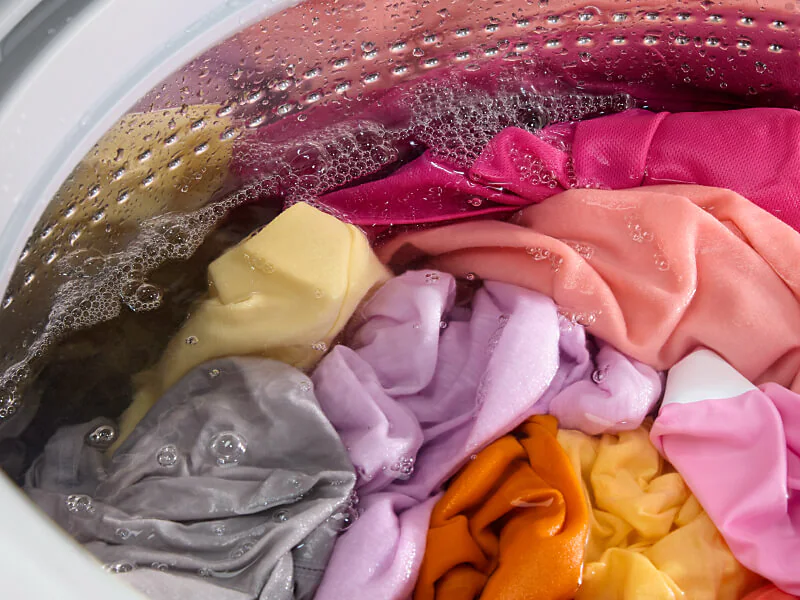
Can custom curtains simply be tossed into the washing machine like regular laundry?
The short answer is: sometimes — but often not safely.
Unlike mass-produced curtains, custom window treatments frequently involve specialized fabrics, linings, stitching techniques, and structural elements that react differently to water, agitation, detergent, and heat. Washing them incorrectly can cause shrinkage, distortion, fading, or irreversible structural damage.
Before loading your curtains into the washer, it’s essential to understand how they’re constructed, what risks exist, and how to clean them properly without shortening their lifespan.
This guide explains everything you need to know before you start the wash cycle.
Why Custom Curtains Require Different Care
Custom curtains are designed around your home’s exact measurements and lighting needs. That customization often includes layered construction.
Many people assume curtains are simply fabric panels, but custom designs commonly include:
Decorative face fabric
Inner lining or blackout layer
Interlining for insulation or fullness
Weighted hems
Pleated headers or structured tops
Specialty stitching and reinforcement
Each component reacts differently to moisture and movement.
A washing machine exposes materials to three major stresses simultaneously:
Water saturation
Mechanical agitation
Temperature variation
These forces can alter fabric structure permanently.
The Biggest Myth About Curtain Cleaning
A common belief is:
“If it’s fabric, it’s washable.”
This assumption works for clothing because garments are engineered for repeated washing. Curtains are not.
Curtain fabrics prioritize appearance, drape, and light control — not wash durability.
Many luxury textiles used in custom window treatments were never intended for full immersion cleaning.
Understanding Fabric Types Before Washing
The first step is identifying what your curtains are made from.
Cotton Curtains
Cotton feels safe because it’s familiar, but it shrinks easily.
Machine washing risks:
3–10% shrinkage
wrinkling
distortion of pleats
Even slight shrinkage can cause curtains to hang unevenly or become too short.
Linen Curtains
Linen offers beautiful texture but is highly sensitive to agitation.
Problems include:
fiber weakening
permanent creases
edge warping
Machine washing linen curtains often changes how they drape.
Polyester and Synthetic Blends
These are typically more machine-friendly.
However, custom polyester curtains may still include linings that react differently from the outer fabric.
Mixed-material shrinkage is one of the most common causes of curtain deformation.
Velvet Curtains
Velvet should almost never go into a washing machine.
Water pressure crushes the pile, leading to:
flattened texture
uneven sheen
permanent marks
Professional cleaning is usually recommended.
Silk Curtains
Silk is extremely delicate.
Machine washing may cause:
color bleeding
fiber weakening
water stains
Even gentle cycles can ruin silk panels.
Why Curtain Linings Change Everything
Many custom curtains include linings for insulation or blackout performance.
These linings are often made from coated or treated fabrics.
When washed:
coatings may crack
adhesive layers separate
shrinkage differs from outer fabric
This mismatch causes puckering — where the front fabric wrinkles permanently because the lining contracts differently.
Once this occurs, restoration is nearly impossible.
Hardware and Structural Elements You Might Forget
Before washing, consider hidden structural components.
Custom curtains may contain:
metal hooks
plastic stiffeners
weighted hems
buckram headers
decorative trims
Water exposure can cause rust, bending, or internal damage.
Agitation may tear stitching around reinforced areas.
When Machine Washing Is Actually Safe
Some custom curtains can be machine washed safely if they meet specific conditions:
labeled washable by manufacturer
made from synthetic fabrics
unlined or lightly lined
free of structured pleats
no delicate trims
Even then, proper preparation matters.
Step One: Always Check Care Instructions
Custom curtain makers typically provide care guidance.
Look for:
sewn-in labels
installation paperwork
fabric specification sheets
If instructions are unclear, assume gentle care is required.
When in doubt, test cleaning a hidden corner first.
Step Two: Dust Before Washing
Most curtain dirt is airborne dust rather than stains.
Skipping dust removal turns washing water into muddy residue that embeds into fibers.
Before washing:
vacuum using upholstery attachment
shake panels outdoors
brush gently from top to bottom
This reduces cleaning stress dramatically.
Step Three: Test Colorfastness
Dampen a white cloth and press gently on an inconspicuous area.
If dye transfers, machine washing may cause fading or bleeding.
In this case, avoid full immersion cleaning.
Choosing the Right Washing Method
If your curtains are machine-safe, follow strict precautions.
Use Cold Water Only
Hot water increases shrinkage risk and weakens fibers.
Cold water preserves fabric structure.
Select Gentle or Delicate Cycle
Low agitation prevents stretching and seam stress.
Avoid heavy-duty settings entirely.
Use Mild Detergent
Strong detergents strip protective finishes.
Choose:
gentle liquid detergent
no bleach
no fabric softener
Fabric softeners leave residue that attracts dust later.
Wash Curtains Alone
Mixing with towels or clothing increases friction and damage.
Curtains need space to move freely.
The Most Critical Step: Drying
Improper drying causes more damage than washing itself.
Never use high heat.
Heat causes:
shrinkage
lining separation
wrinkling fixation
Best method:
Remove curtains while slightly damp.
Rehang immediately.
Allow air drying naturally.
Gravity helps wrinkles release naturally.
Why Rehanging While Damp Works
Curtains are designed to hang vertically.
Drying them flat or crumpled distorts fiber alignment.
Rehanging allows weight distribution to restore original drape.
This mimics professional cleaning methods.
Alternatives to Machine Washing
Often, washing isn’t necessary at all.
Steam Cleaning
Steam removes odors and refreshes fibers without soaking.
Benefits include:
wrinkle removal
bacteria reduction
minimal stress on fabric
Handheld steamers work well for regular maintenance.
Vacuum Cleaning
Monthly vacuuming prevents buildup that requires deep washing later.
Use low suction and soft attachments.
Spot Cleaning
Treat stains individually instead of washing entire panels.
Blot gently rather than rubbing.
Professional Cleaning
For delicate or expensive curtains, professional services may extend lifespan significantly.
They use controlled moisture techniques designed for drapery fabrics.
Common Washing Mistakes That Ruin Custom Curtains
Washing Too Frequently
Curtains don’t require frequent washing.
Over-cleaning accelerates wear.
Most homes need deep cleaning only once every 12–24 months.
Using Bleach
Bleach weakens fibers and fades colors unevenly.
Even diluted bleach can damage stitching.
Overloading the Machine
Crowded washing prevents proper rinsing and increases wrinkling.
Skipping Inspection
Small seam damage becomes large tears during washing.
Always inspect first.
Special Considerations for Modern Curtain Types
Blackout Curtains
Contain foam or coated layers sensitive to heat and twisting.
Avoid spin cycles when possible.
Sheer Curtains
Lightweight but prone to snagging.
Use mesh laundry bags if machine washing.
Layered Curtain Systems
Wash panels separately.
Different fabrics require different care.
Seasonal Maintenance Instead of Deep Washing
A smarter approach focuses on prevention.
Weekly
Light shaking or airflow refresh.
Monthly
Vacuum dust accumulation.
Seasonally
Steam clean and inspect hardware.
This reduces the need for full washing.
How Cleaning Affects Curtain Longevity
Proper care can extend curtain life by years.
Incorrect washing may cause damage after a single cycle.
Curtains endure constant sunlight exposure already; aggressive cleaning compounds stress.
Gentle maintenance preserves both appearance and performance.
Signs Your Curtains Should NOT Be Machine Washed
Avoid washing if you notice:
glued linings
delicate embroidery
heavy pleats
fading fabric
brittle texture
metallic threads
These indicate vulnerability to water agitation.
Creating a Safe Curtain Cleaning Routine
A balanced routine might look like:
Regular dust removal
Occasional steaming
Spot cleaning as needed
Rare machine washing (if safe)
Professional cleaning every few years
This approach maintains freshness without risking damage.
The Bigger Perspective: Curtains as Interior Architecture
Curtains are not merely decorations; they shape how light enters a space and how rooms feel throughout the day.
Because they function as architectural elements, caring for them requires more intention than ordinary textiles.
Proper cleaning preserves:
fabric texture
color depth
light diffusion quality
structural drape
These qualities define the atmosphere of a room.
Final Thoughts: Pause Before You Press Start
Machine washing custom curtains isn’t automatically wrong — but it is rarely as simple as laundry day.
Understanding fabric composition, construction layers, and cleaning risks allows you to make informed decisions that protect your investment.
Before washing, remember:
Not all fabrics tolerate immersion.
Linings change cleaning behavior.
Gentle handling matters more than strong cleaning.
Drying technique determines final results.
Taking a few extra minutes to assess your curtains can prevent costly damage and preserve the comfort and beauty they bring to your home.
When treated thoughtfully, custom curtains can remain elegant, functional, and perfectly draped for many years — proving that good design deserves equally good care.
Need Help with Your Custom Project?
Have questions about materials, sizing, or looking for a quick quote? Drop us a message and our experts will respond within 24 hours.
Chat on WhatsApp
+1 (304) 356-6765
Send us an Email
hello@incustom.com
Picked for You